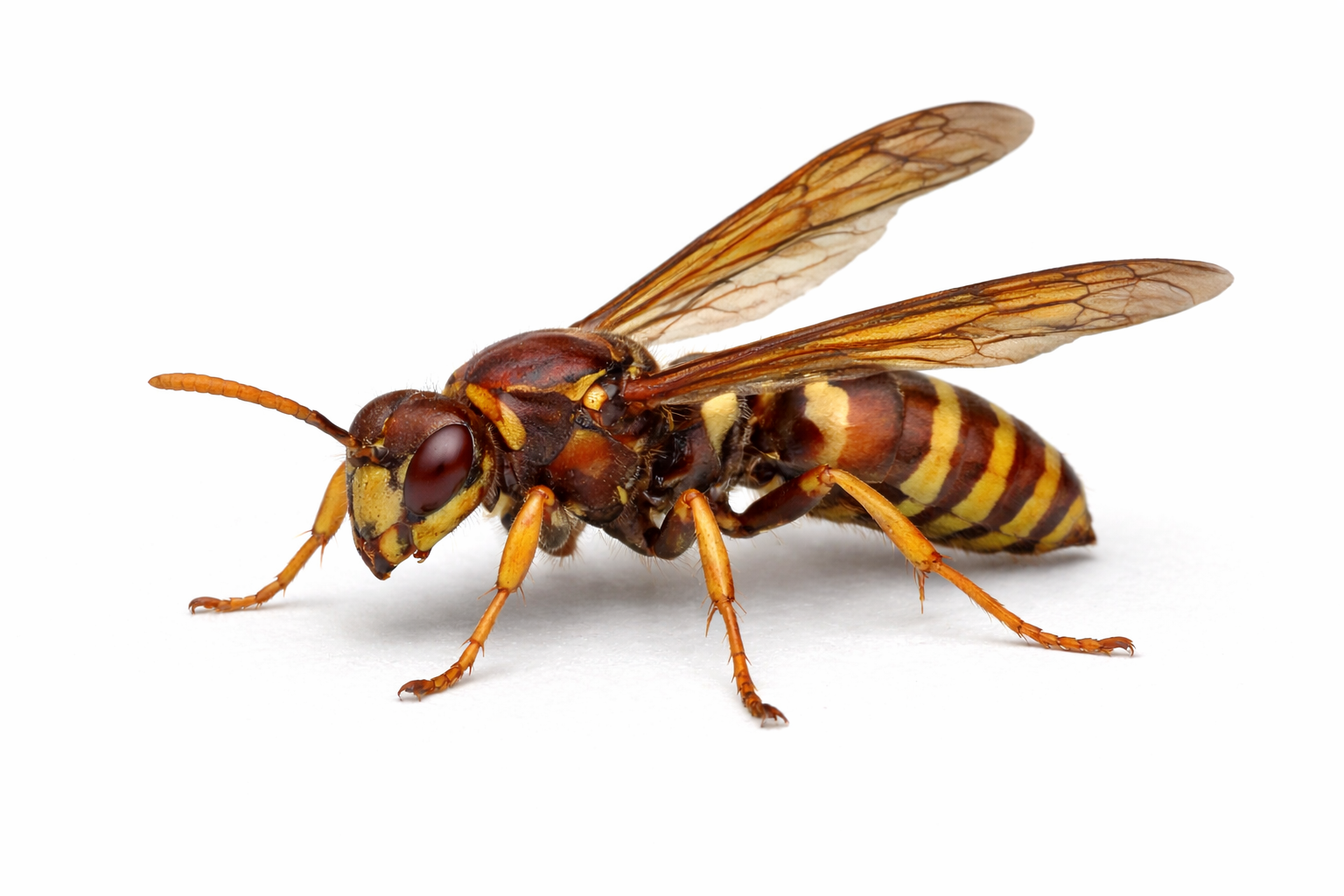
Introduced wasp species known for building paper nests around homes.
The Asian Paper Wasp is an introduced species that has become established in parts of Queensland and is commonly found around homes, gardens and urban environments. It builds distinctive open paper nests beneath eaves, pergolas, fences, outdoor furniture and other sheltered structures. Adult wasps feed on nectar and also hunt caterpillars and other insects, making them beneficial predators in gardens. However, they will aggressively defend their nest if disturbed and can deliver painful stings. Multiple stings may occur if a colony is accidentally approached, and people with allergies may experience severe reactions requiring immediate medical attention. Homeowners should avoid disturbing active nests and keep children and pets away from infested areas. Professional wasp nest removal is recommended where colonies are located close to entrances, walkways or outdoor living spaces, ensuring the nest is removed safely and completely.
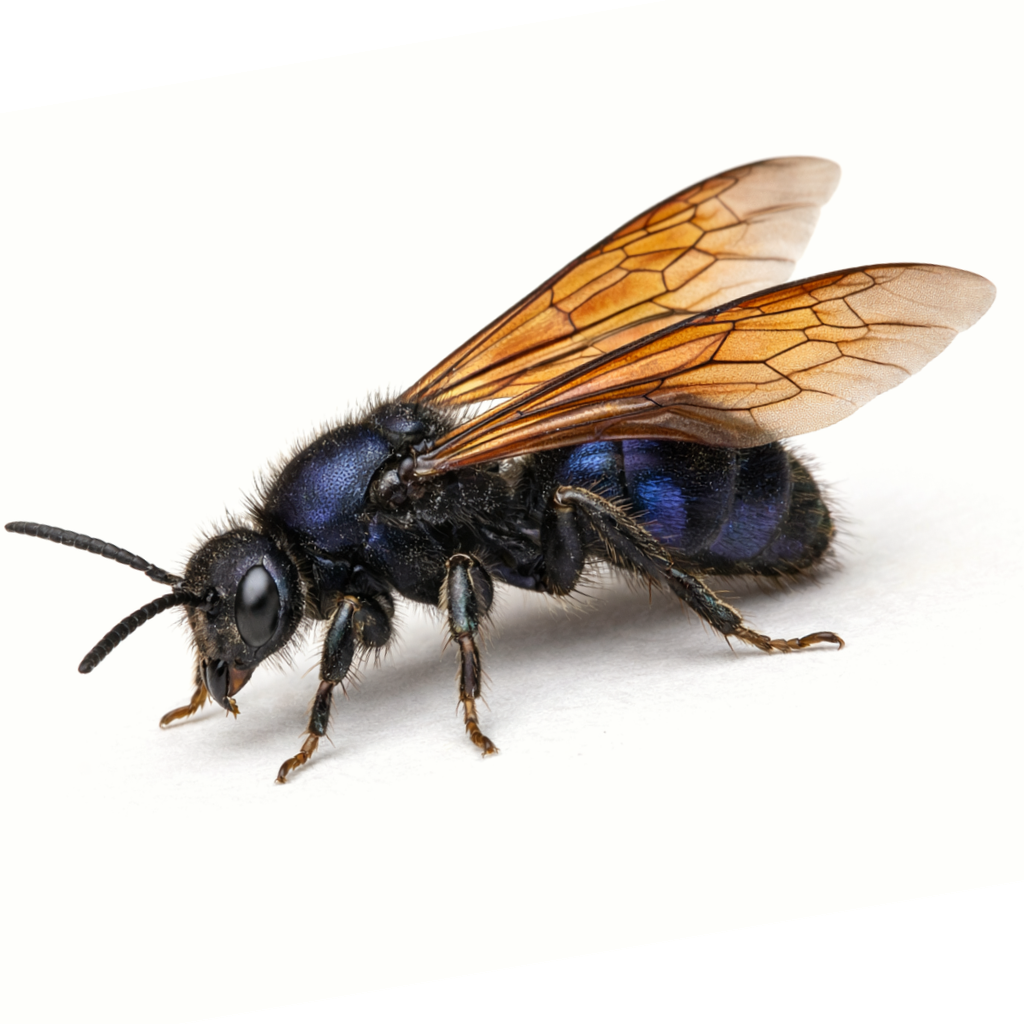
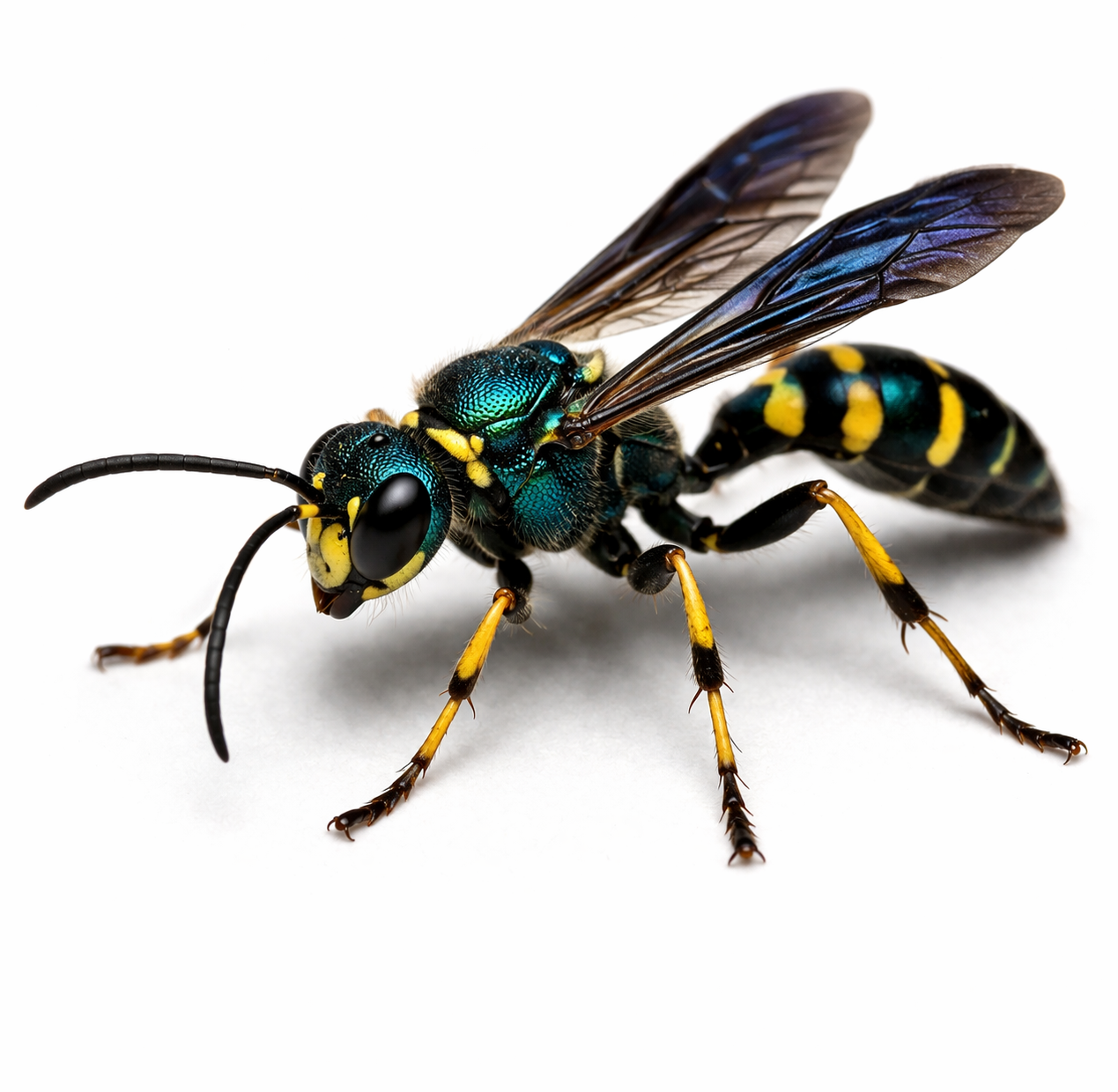
Native wasp species often seen around flowers and vegetation.
Australian Flower Wasps are native solitary wasps commonly seen visiting flowers throughout Queensland’s gardens, forests and natural bushland. Unlike social wasps, they do not build large colonies or defend communal nests, making them far less likely to sting people. Adult Flower Wasps feed on nectar and play an important role as pollinators, while their larvae develop by parasitising beetle larvae living beneath the soil. This natural behaviour helps regulate insect populations and contributes to a healthy ecosystem. Australian Flower Wasps are generally shy and will avoid human contact whenever possible. Because they provide valuable environmental benefits and pose very little risk to people, they should be appreciated rather than treated as pests. No pest control is normally required unless correct identification is uncertain.
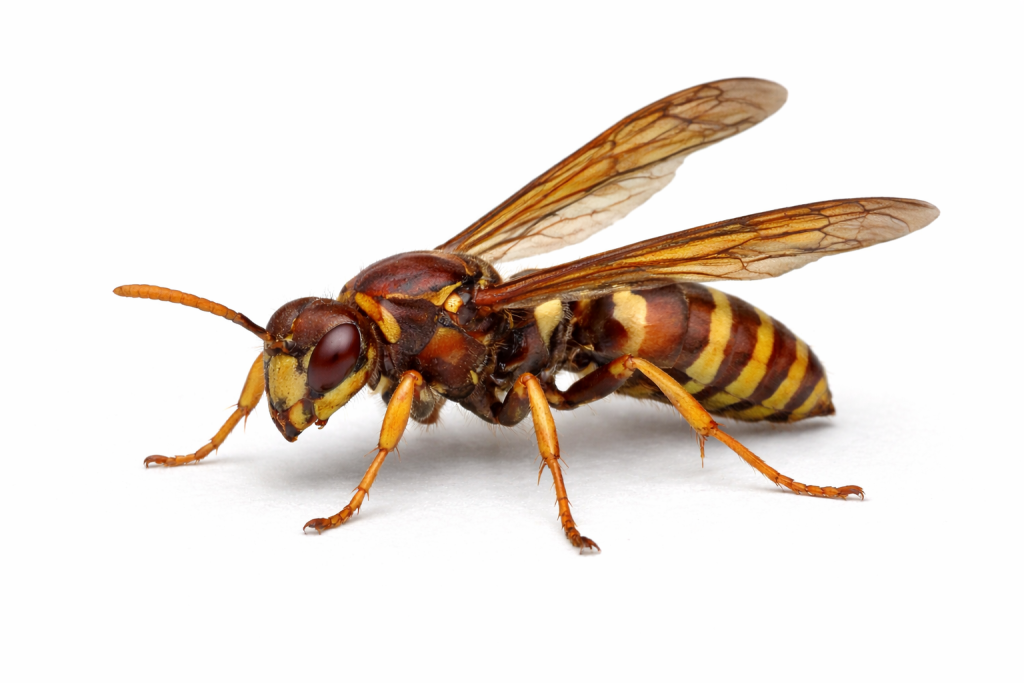
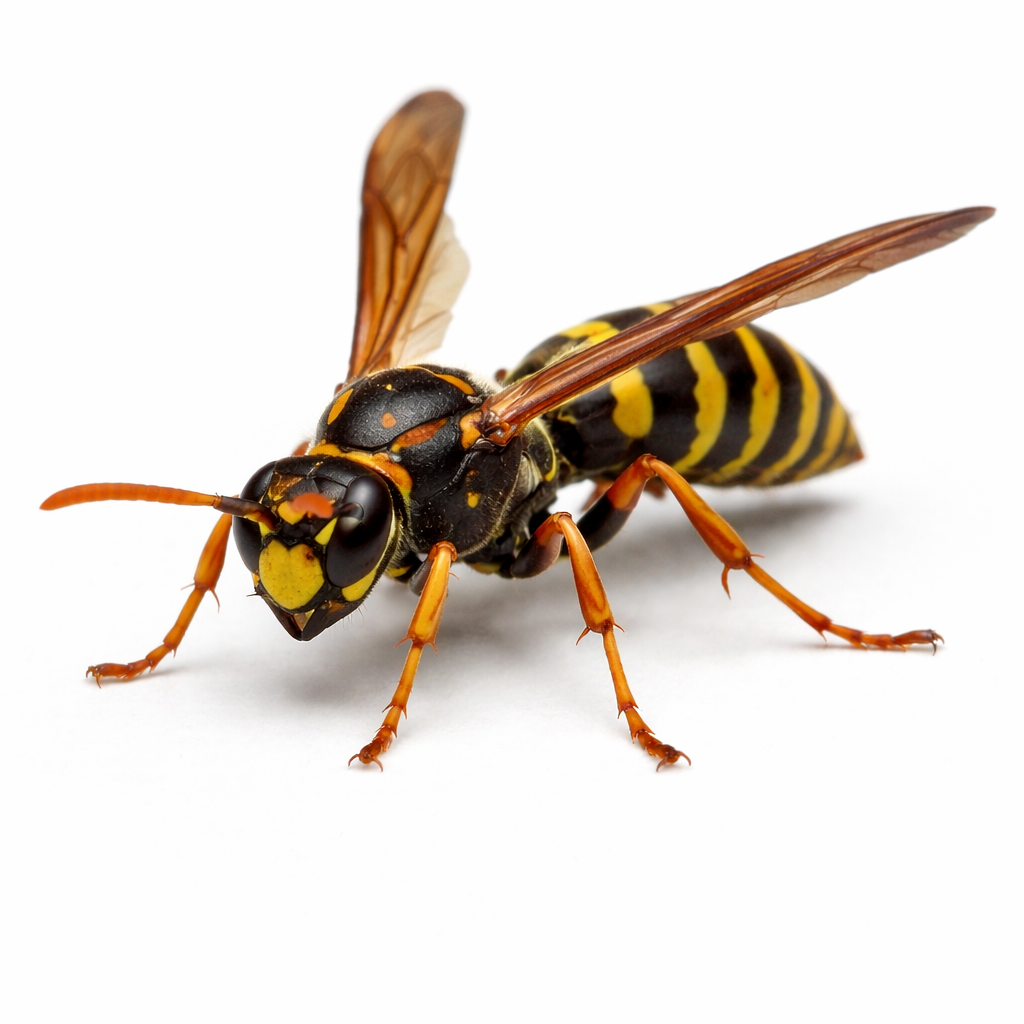
Native wasp that builds small paper nests under eaves and structures.
The Australian Paper Wasp is a native social wasp that commonly builds small umbrella-shaped paper nests beneath eaves, verandas, sheds, pergolas and other sheltered structures around Queensland homes. These wasps help control caterpillars and other garden pests by collecting insects to feed their developing larvae. Although beneficial in many situations, Australian Paper Wasps will vigorously defend their nest if it is disturbed and can deliver painful stings. Nests located near doorways, outdoor entertaining areas, children’s play equipment or frequently used pathways may present a safety concern. Homeowners should never attempt to remove an active nest without suitable protective equipment. Professional wasp nest removal provides the safest solution where nests are established close to areas regularly used by people or pets.
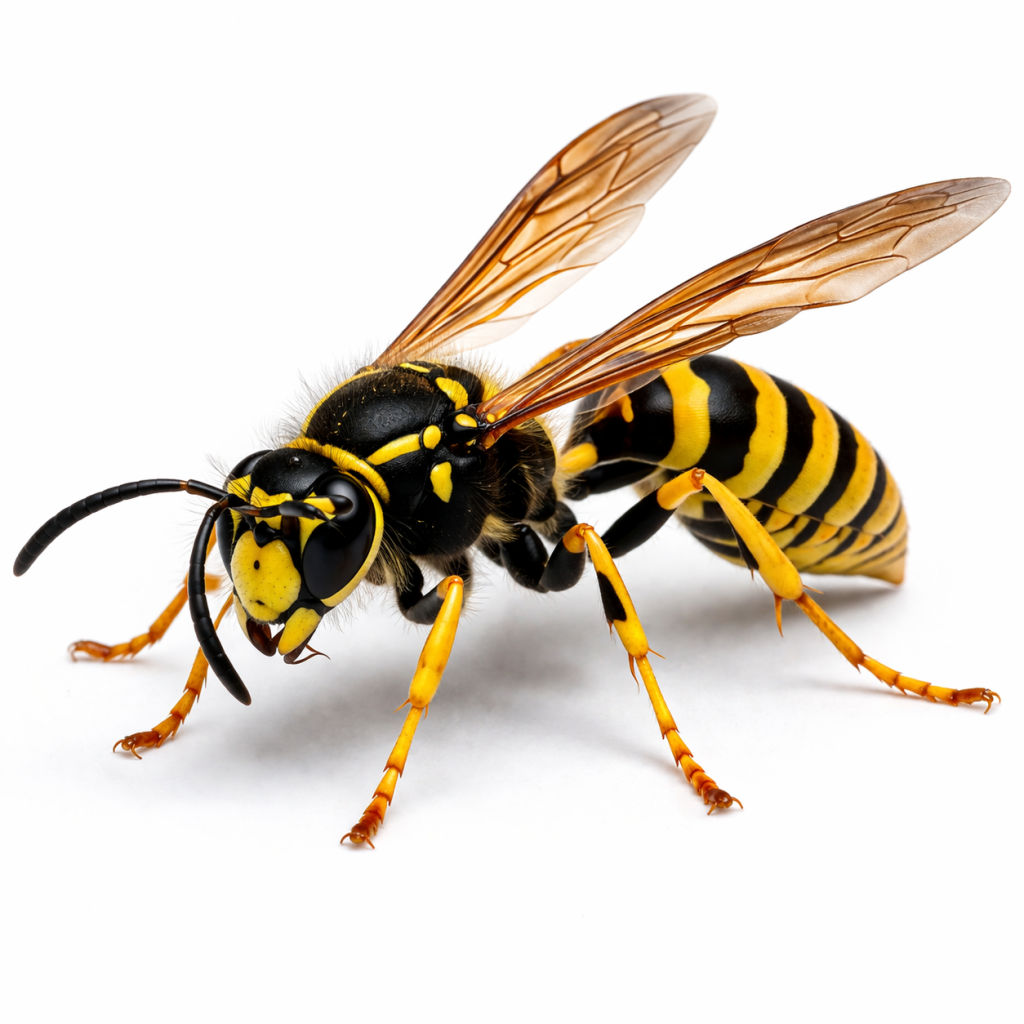
Wasp species frequently found visiting flowers and outdoor areas.
Common Flower Wasps are native solitary insects frequently observed feeding on nectar around flowering plants, native shrubs and garden beds throughout Queensland. They are important pollinators and contribute to the natural control of beetle populations by laying their eggs on underground beetle larvae. Unlike Paper Wasps, Common Flower Wasps do not build communal nests and are generally non-aggressive towards people. They rarely sting unless directly handled or accidentally trapped against the skin. Their presence is usually a sign of a healthy garden ecosystem rich in flowering plants and beneficial insects. In almost every situation these wasps should be left undisturbed, as they provide valuable environmental benefits and are not considered household pests.
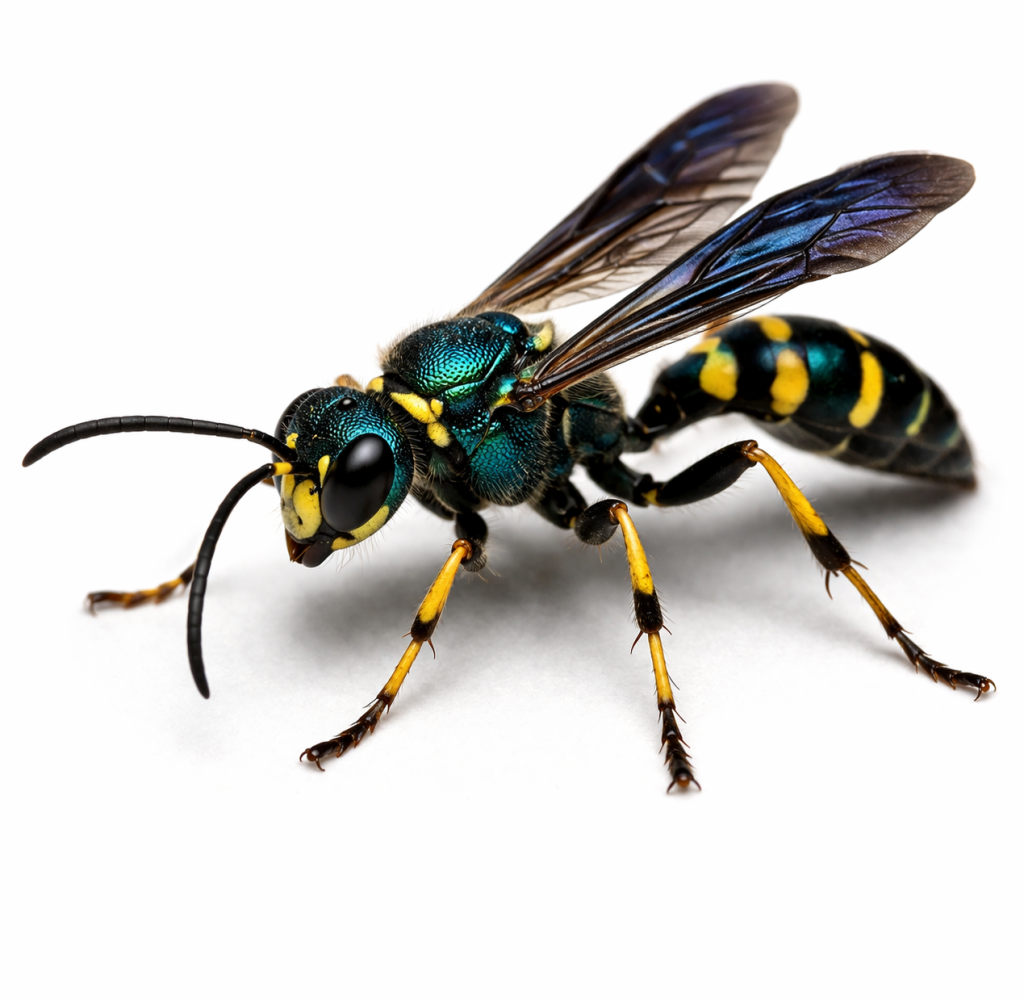
General term for wasps commonly seen around flowering plants.
Flower Wasps are a diverse group of native Australian wasps commonly found in gardens, bushland and natural environments where flowering plants are abundant. Adult wasps feed on nectar and pollen while many species play an important role in pollination and the natural control of insect pests. Most Flower Wasps are solitary and do not build large defensive colonies like Paper Wasps, making them much less likely to come into conflict with people. Although they possess a sting, they are generally gentle insects that avoid confrontation whenever possible. Their presence supports biodiversity and contributes to the health of native ecosystems. Homeowners should regard Flower Wasps as beneficial insects and avoid unnecessary treatment unless a species has been incorrectly identified or poses an unusual risk.
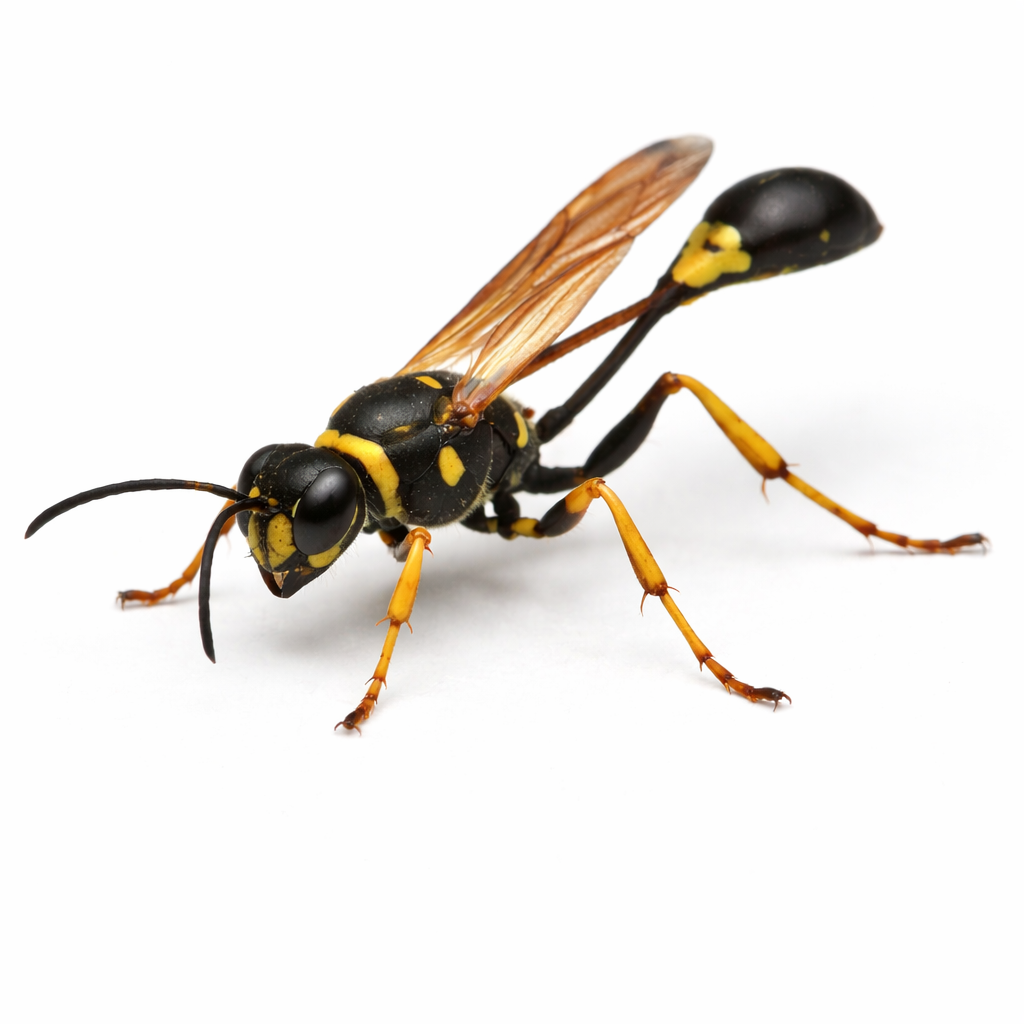
Mud dauber wasp found in Queensland buildings and outdoor areas.
Mud Dauber Wasps are solitary native wasps recognised for constructing distinctive mud nests on walls, ceilings, sheds, garages and other sheltered structures. Rather than forming colonies, each female builds and provisions her own nest using mud collected from nearby soil. Mud Daubers hunt spiders, which they paralyse and place inside the nest as food for their developing larvae, making them valuable natural predators. They are generally non-aggressive and rarely sting unless directly handled. Although their mud nests may be considered untidy on buildings, they cause no structural damage and are usually more of a cosmetic issue than a pest problem. Where nests are unwanted, they can often be removed once inactive, or professionally removed if located in difficult or hazardous areas.
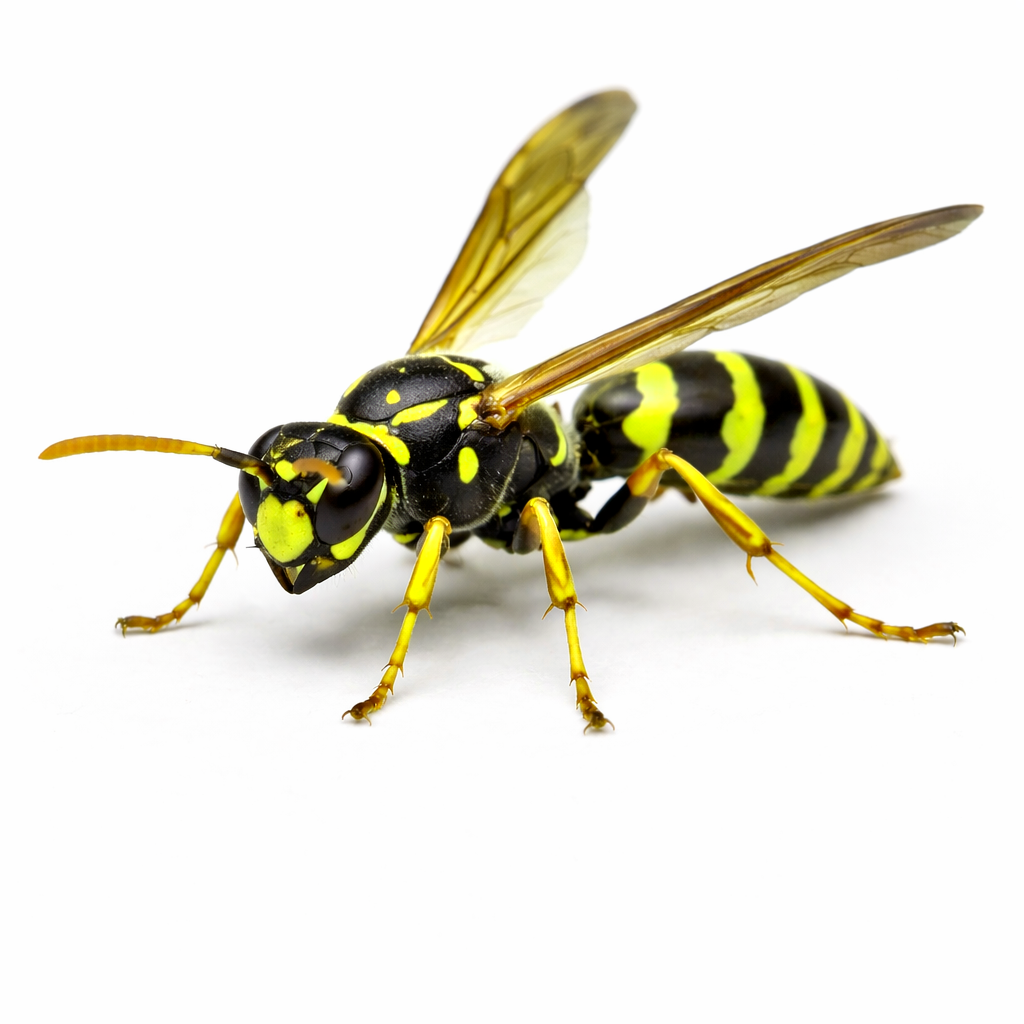
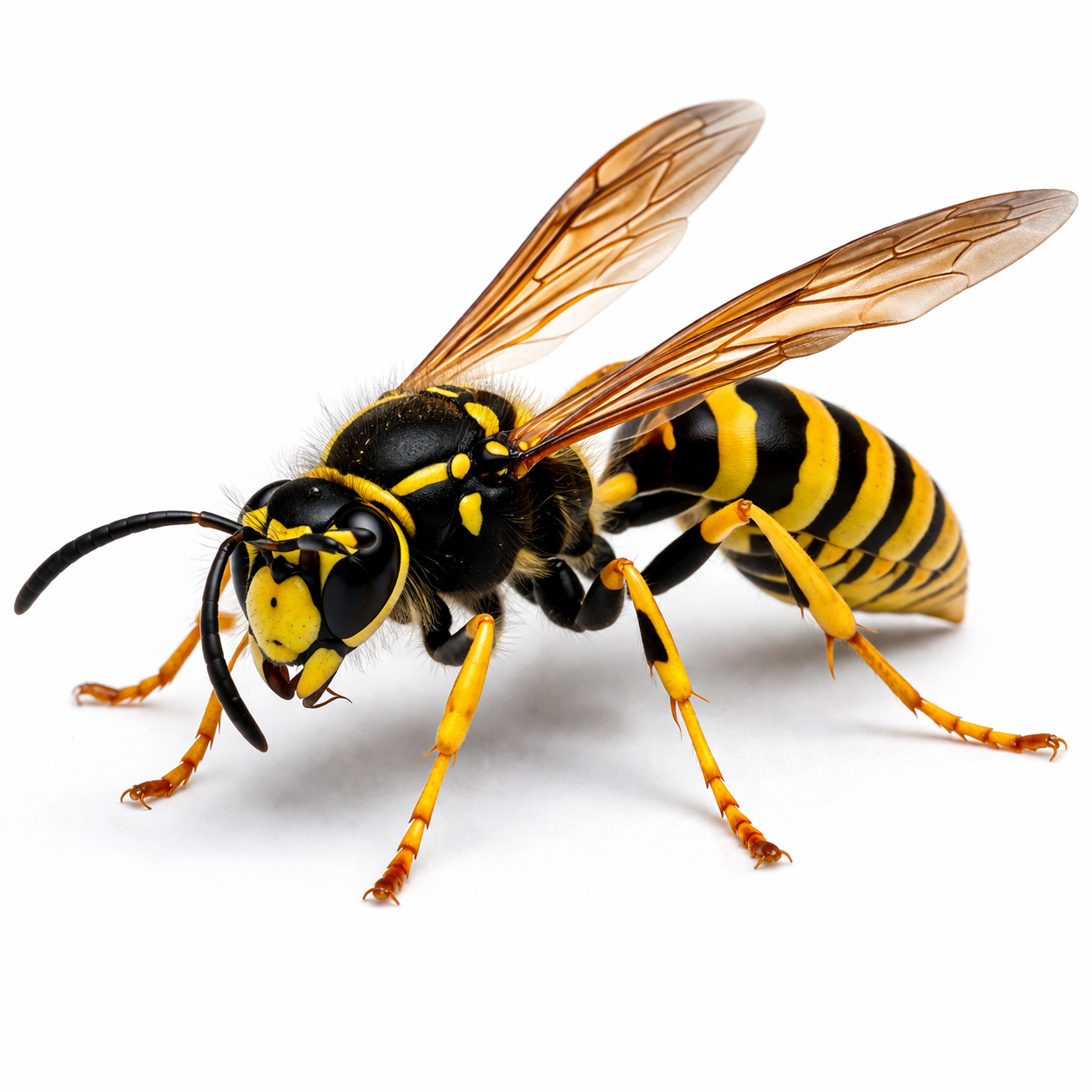
Common wasp species that builds open paper nests around homes.
Paper Wasps are common social wasps found throughout Queensland, building open paper nests beneath eaves, roof overhangs, decks, fences, letterboxes and outdoor structures. They play a useful role in controlling caterpillars and other insects, but their willingness to defend the nest makes them one of the more significant wasp pests encountered around homes. A disturbed colony may attack in large numbers, delivering multiple painful stings that can be dangerous for people with allergies. Homeowners should regularly inspect outdoor areas for developing nests, particularly during spring and summer when colonies expand rapidly. Never attempt to remove an active nest without appropriate protective equipment. Professional pest control provides the safest and most effective method of removing wasp nests while minimising the risk of stings and preventing re-establishment in high-risk locations.