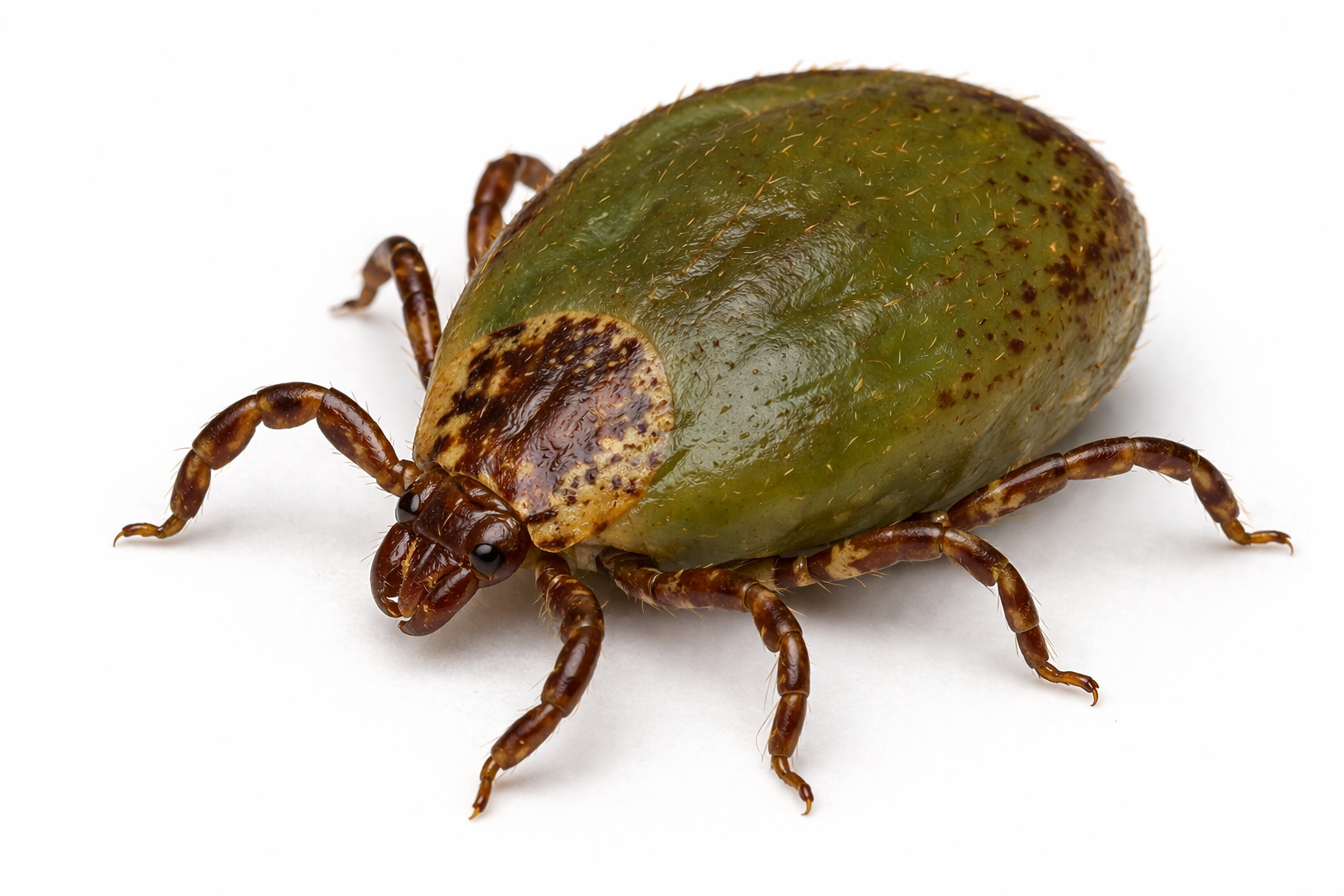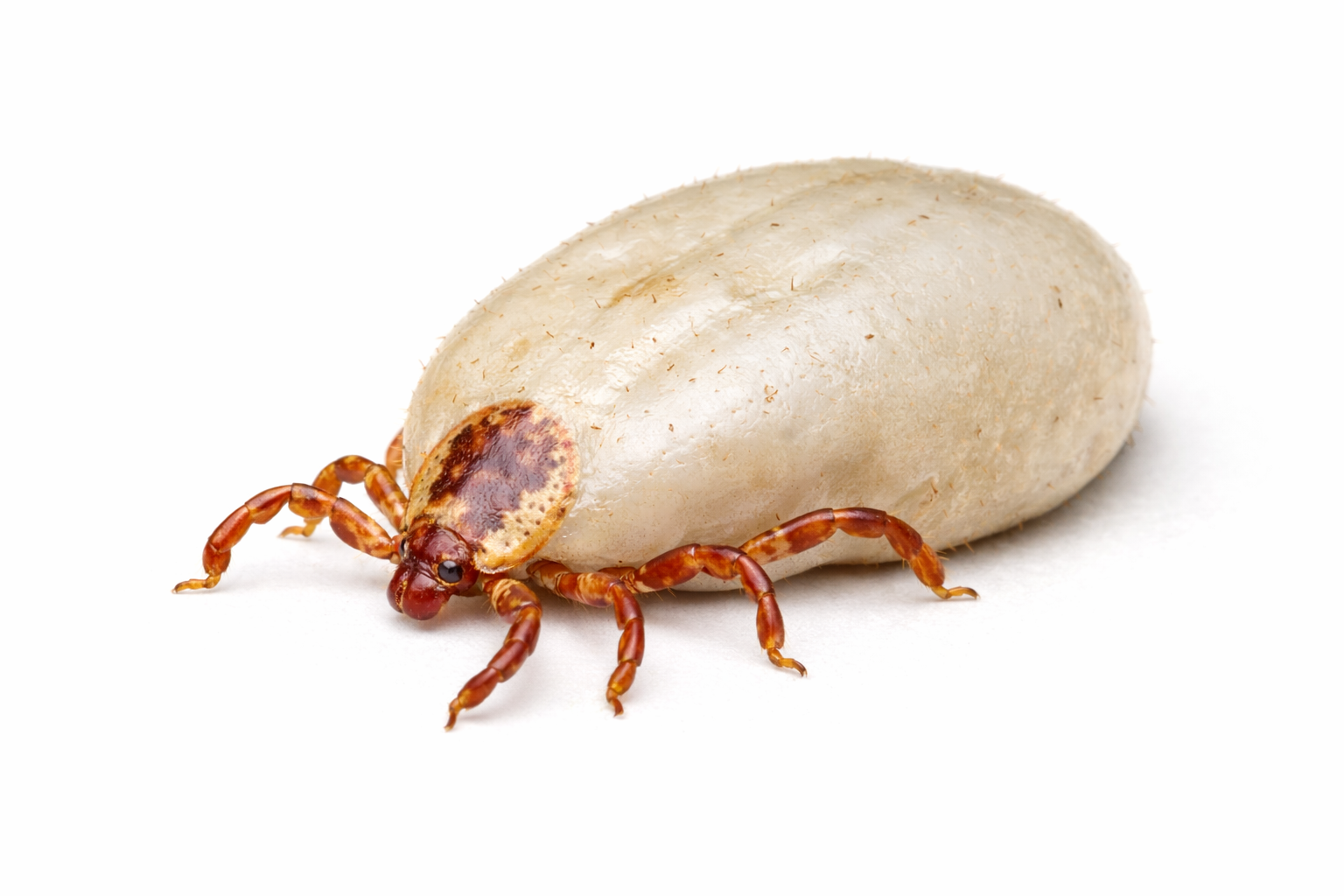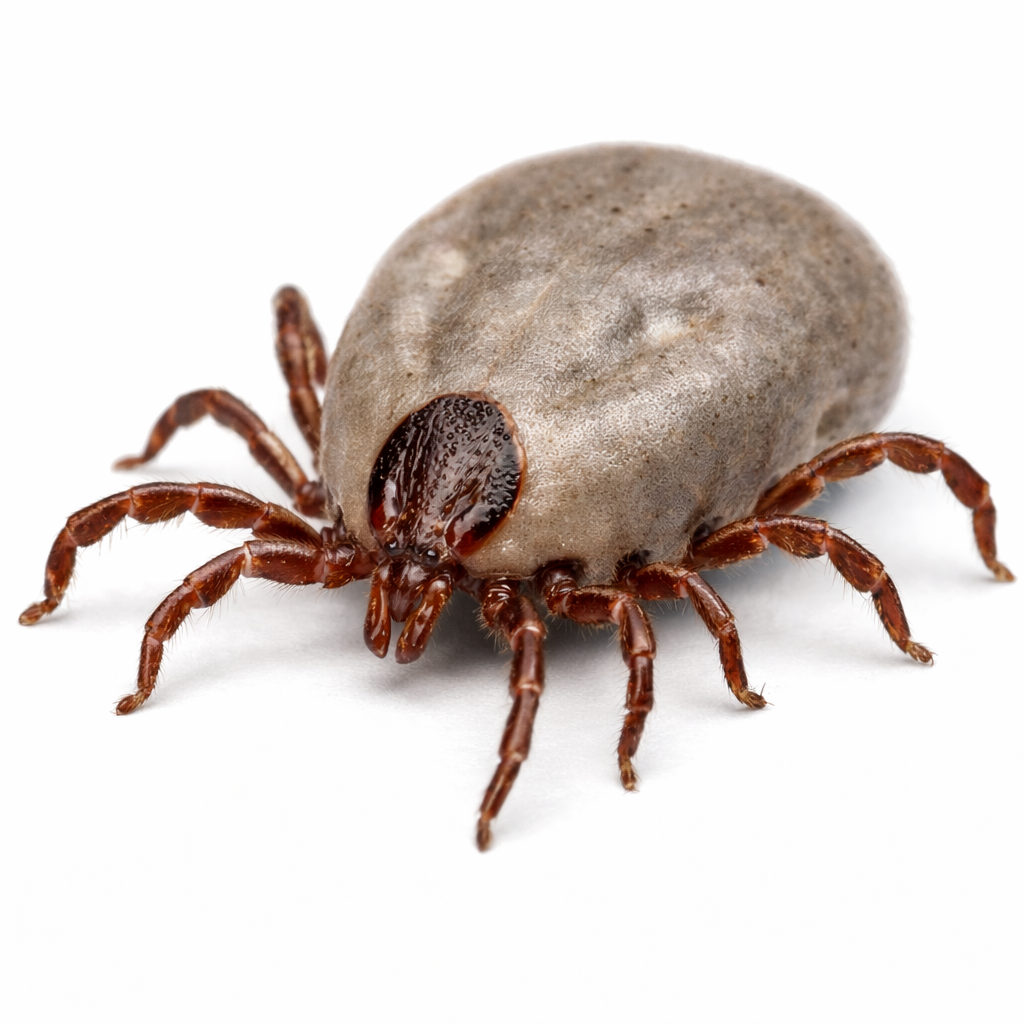
Dangerous tick species that can cause paralysis in humans and pets.
The Australian Paralysis Tick is one of the most medically significant tick species found in Queensland and poses a serious risk to people, pets and wildlife. These blood-feeding parasites are commonly found in bushland, coastal vegetation, long grass and gardens where they wait on vegetation for passing hosts. Once attached, they feed on blood while injecting saliva that can contain a powerful toxin capable of causing paralysis, particularly in dogs and cats. Early symptoms in pets include weakness, difficulty walking, changes in barking or meowing, excessive salivation and breathing difficulties, requiring immediate veterinary attention. In people, tick bites may cause pain, allergic reactions or, in rare cases, paralysis. Wearing protective clothing, using insect repellents and checking yourself and your pets after spending time outdoors are important prevention measures. If an Australian Paralysis Tick is found attached, it should be removed carefully using recommended techniques, and immediate medical or veterinary advice should be sought if any symptoms develop.
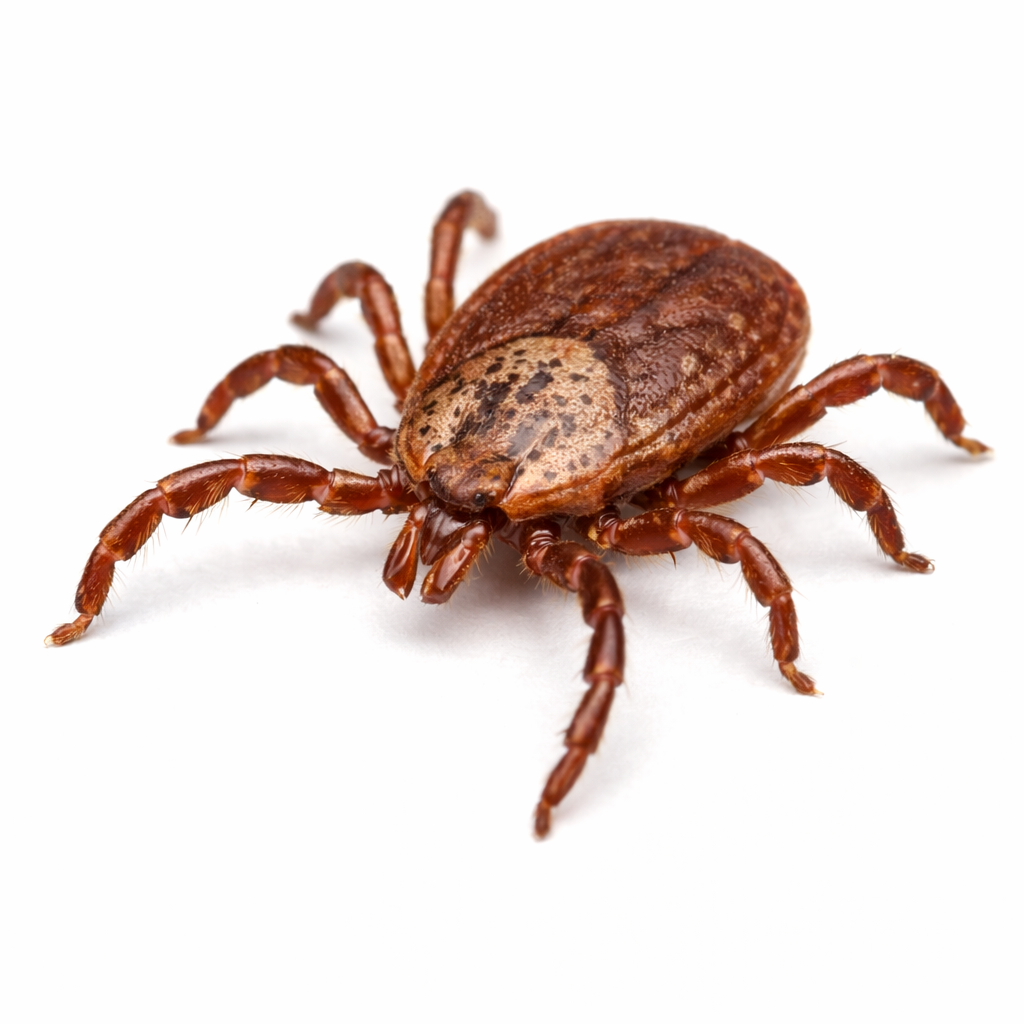
Tick species commonly found on dogs and around homes.
The Brown Dog Tick is one of the most common tick species affecting domestic dogs throughout Queensland. Unlike many other ticks, it is capable of completing its entire life cycle around homes, kennels and animal shelters, allowing infestations to persist indoors if left untreated. Adult ticks attach to dogs where they feed on blood before dropping off to lay eggs in cracks, carpets, bedding and sheltered areas around the property. Heavy infestations can cause irritation, blood loss and skin infections, while ticks may also transmit diseases affecting dogs. Regular tick prevention products, routine inspection of pets and maintaining clean sleeping areas are essential for reducing the risk of infestation. Where large numbers of ticks are present around the home or kennel, professional pest management can treat the environment while veterinary care protects the animals themselves.
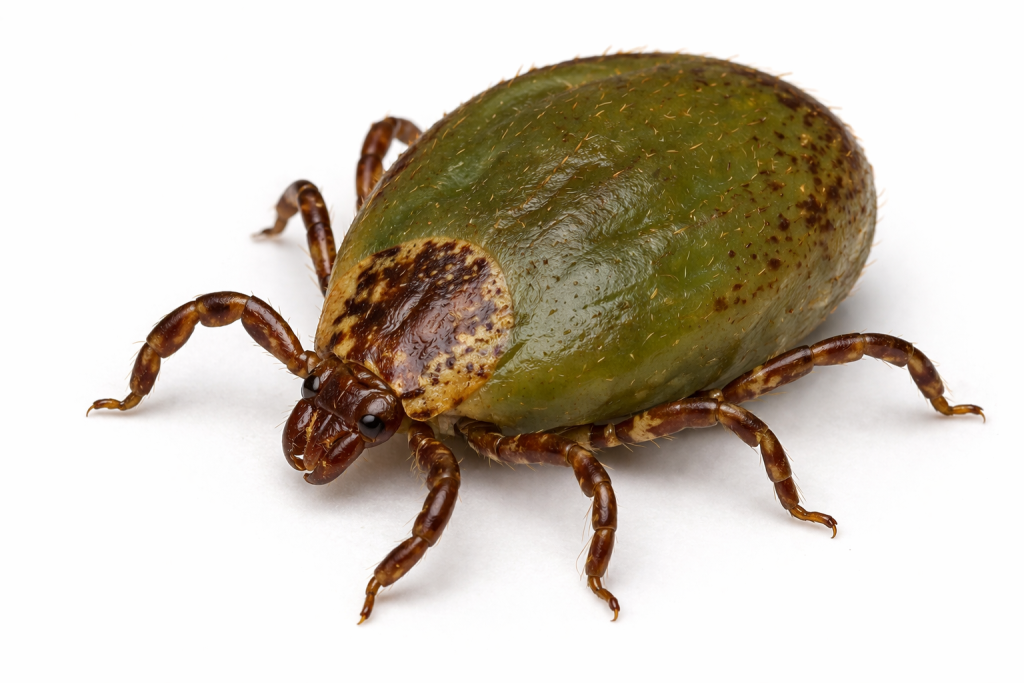
Tick species commonly found in bushland and outdoor areas.
Bush Ticks are common throughout Queensland’s forests, grasslands and rural environments where they feed on a wide variety of wildlife, livestock, pets and occasionally people. They are most active in warm, humid conditions and typically wait on long grass or low vegetation before attaching to a passing host. Although Bush Ticks are generally less dangerous than Australian Paralysis Ticks, their bites can still cause irritation, allergic reactions and discomfort. Pets that regularly visit bushland or rural properties should be checked thoroughly after outdoor activities, particularly around the ears, neck and under the collar. Keeping lawns trimmed, reducing dense vegetation near homes and using approved tick prevention products can significantly reduce exposure. Professional advice may be beneficial where tick populations remain consistently high around residential properties.
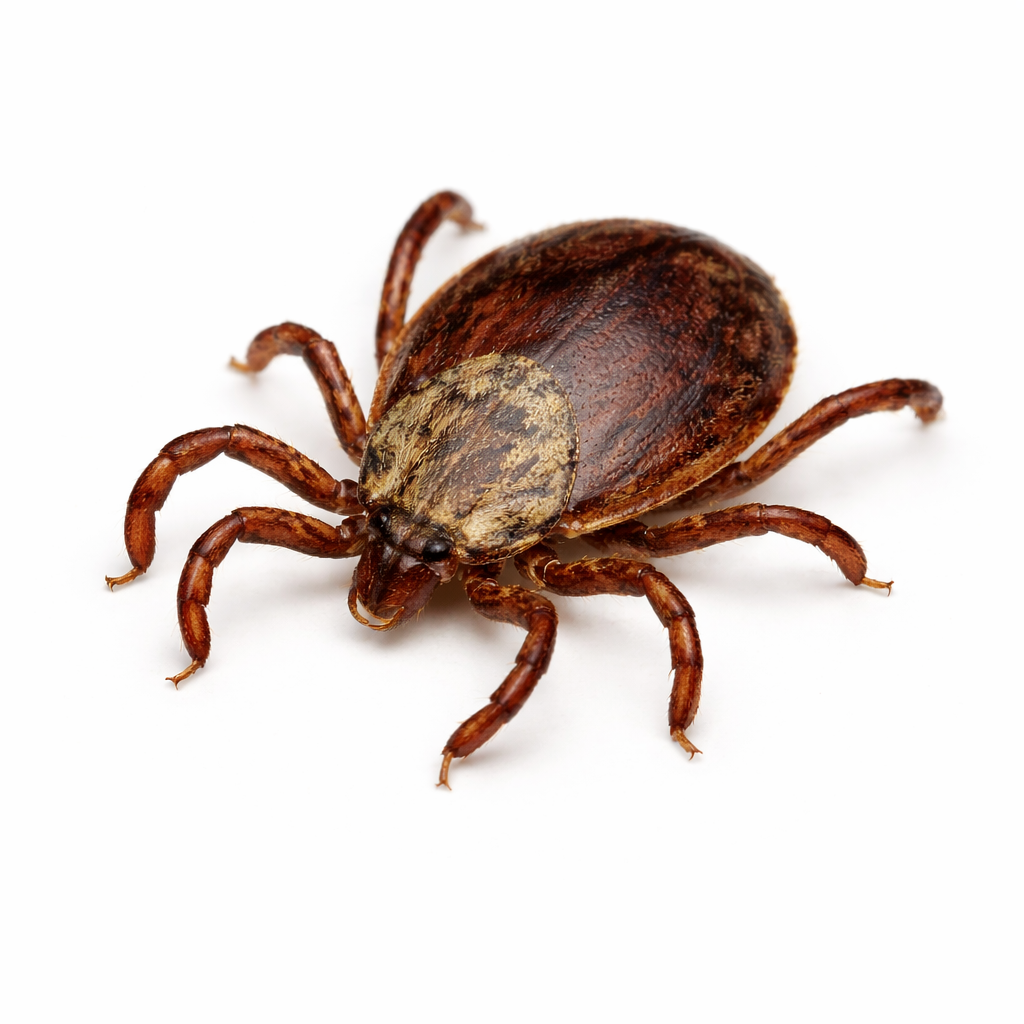
General term for ticks that attach to animals and humans.
The term Common Tick is often used to describe the various tick species regularly encountered throughout Queensland. Ticks are external parasites that attach firmly to people, pets, livestock and wildlife while feeding on blood. Their bites may cause itching, swelling, irritation and allergic reactions, while some species are capable of transmitting diseases or producing toxins that affect both animals and humans. Ticks are most frequently found in long grass, gardens, bushland and areas visited by wildlife. Regular property maintenance, mowing lawns, reducing dense vegetation and checking pets and family members after spending time outdoors can greatly reduce the risk of tick bites. If a tick is found attached, it should be removed using recommended methods, and medical or veterinary advice should be sought if unusual symptoms develop or the tick cannot be removed safely.
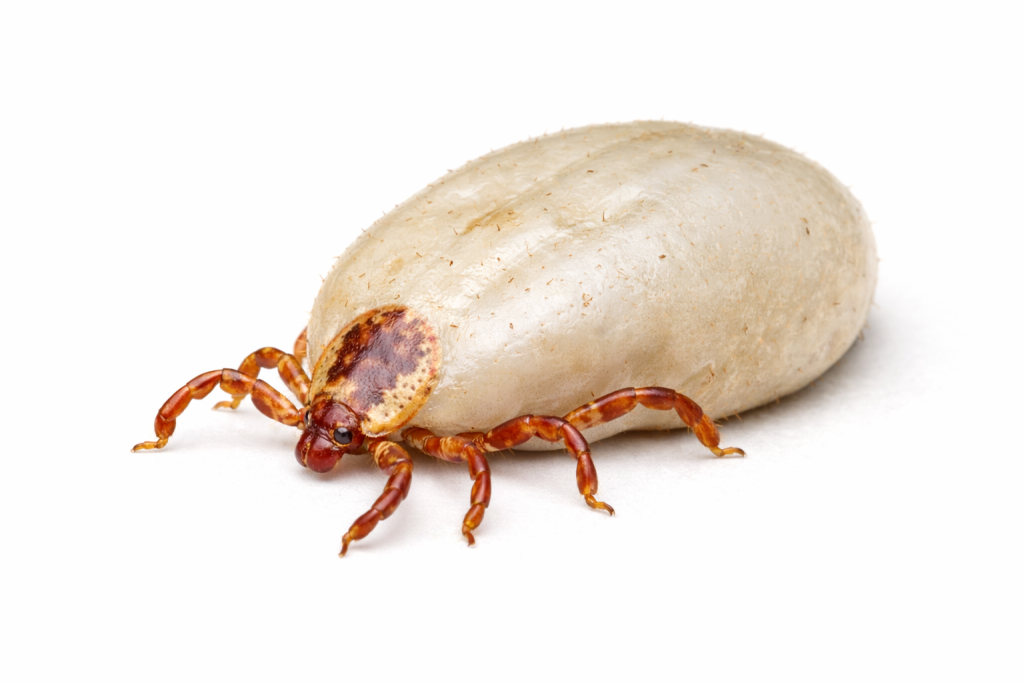
Tick species that affects livestock and can spread disease.
The Queensland Cattle Tick is a major parasite of cattle and other livestock, causing significant economic losses to the agricultural industry through reduced productivity, skin damage and the transmission of tick-borne diseases. Adult ticks attach to animals where they feed on blood before dropping into pasture to continue their life cycle. Heavy infestations can weaken livestock, reduce weight gain and milk production, and increase susceptibility to illness. Strict biosecurity measures and livestock treatment programs are used throughout Queensland to manage this important agricultural pest. Although Queensland Cattle Ticks primarily affect livestock rather than household pets, they may occasionally be encountered on rural properties where cattle, horses or other grazing animals are present. Effective management relies on regular animal inspections, approved treatment programs and ongoing property monitoring, with professional veterinary and pest management advice recommended wherever infestations are identified.