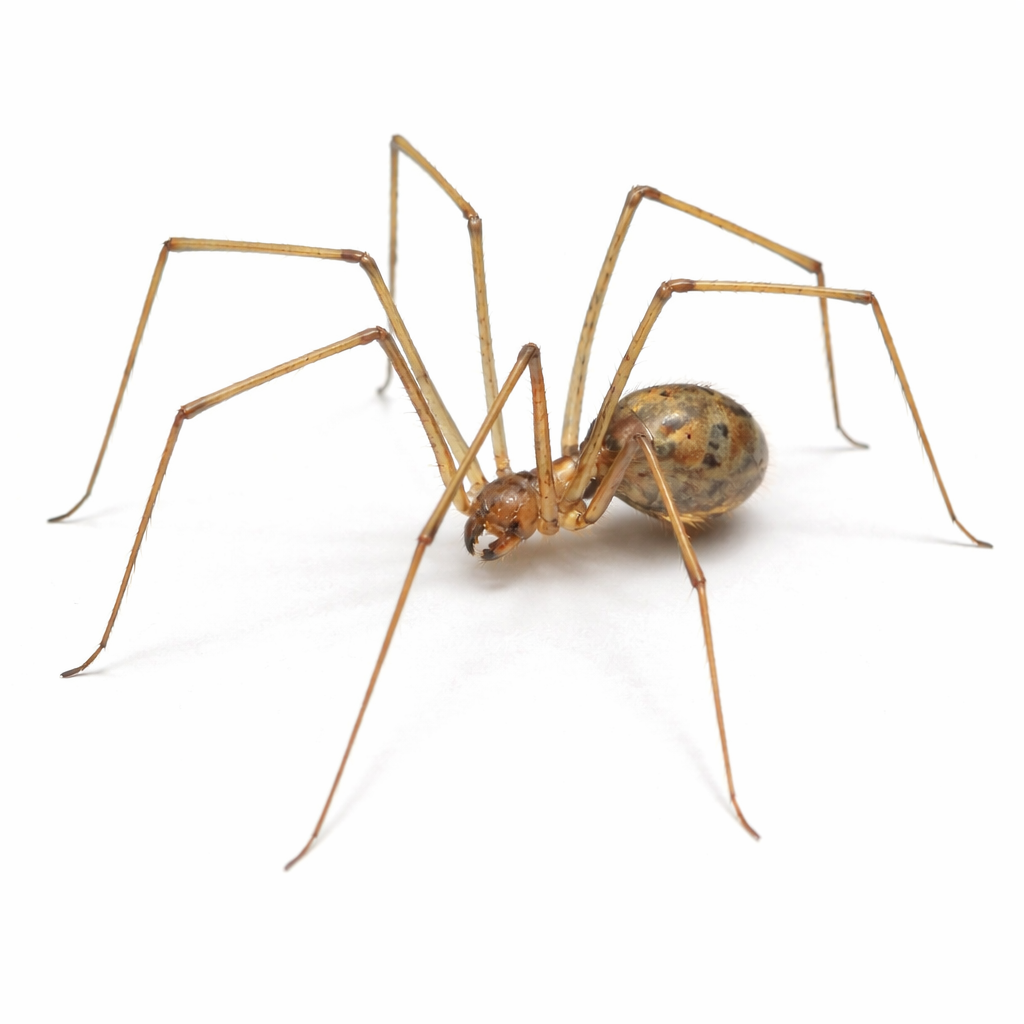
Common indoor spider with long legs and small body.
Daddy Long Legs Spiders are among the most common spiders found inside Queensland homes and are easily recognised by their tiny body and extremely long, delicate legs. They commonly build loose, irregular webs in ceilings, corners, garages, sheds and other quiet areas where flying insects are plentiful. Despite many myths, Daddy Long Legs Spiders are harmless to people and are considered beneficial because they prey on mosquitoes, flies, moths and even other spiders. They are non-aggressive and will usually remain undisturbed if left alone. Many homeowners choose to keep them as natural pest controllers rather than remove them. If webs become excessive or spiders are present in large numbers, routine cleaning or professional pest management can help reduce their population while maintaining a balanced indoor environment.
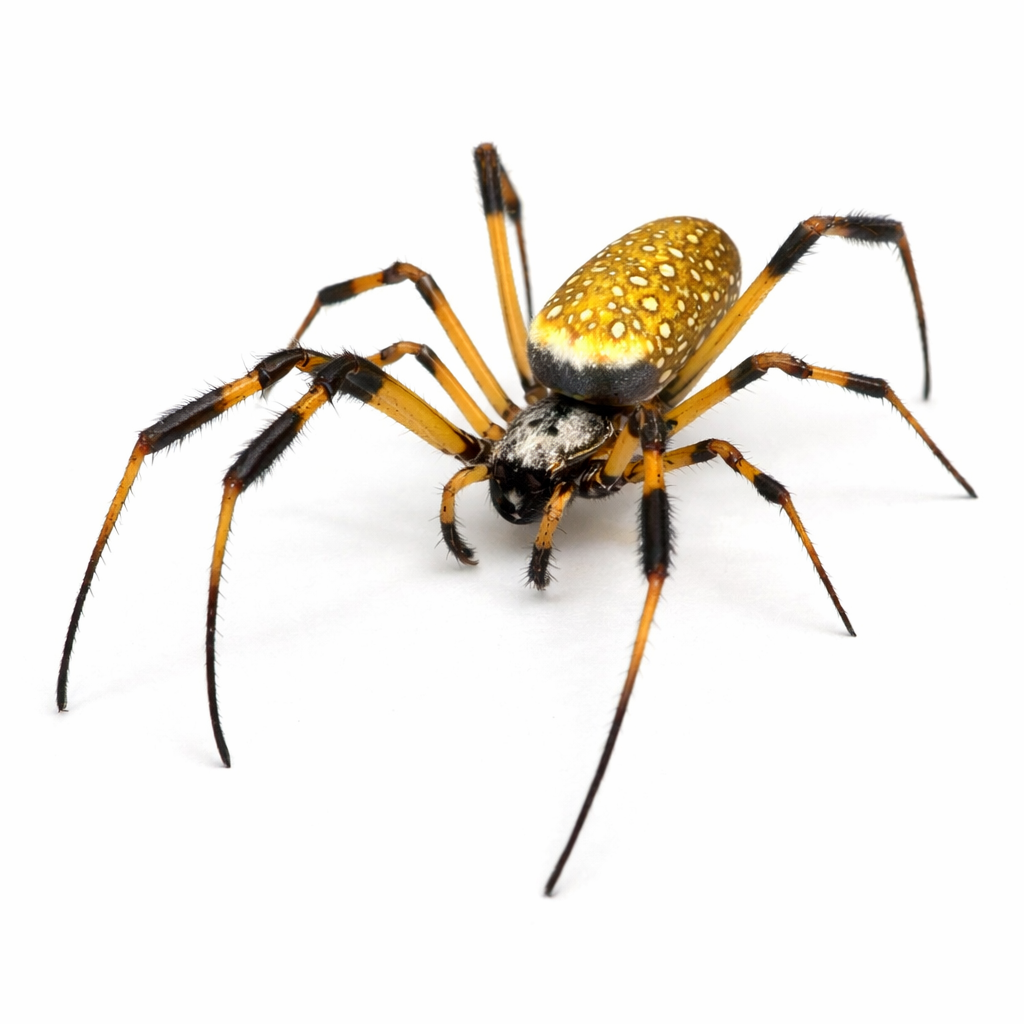
Large web-building spider known for its golden silk webs.
Golden Orb Weaver Spiders are large, colourful spiders famous for producing spectacular golden-coloured webs that can span several metres between trees, fences and garden structures. Common throughout Queensland, they play an important role in controlling flying insects including flies, mosquitoes and moths. Although their size often alarms homeowners, Golden Orb Weavers are generally shy and bites are uncommon, usually occurring only if the spider is handled. Their venom is not considered medically significant for most people, with bites typically causing minor local pain and swelling. Because they provide valuable natural insect control, these spiders are generally best left undisturbed. If large webs create problems around entrances, pathways or outdoor entertaining areas, they can usually be relocated or removed without the need for chemical treatment.
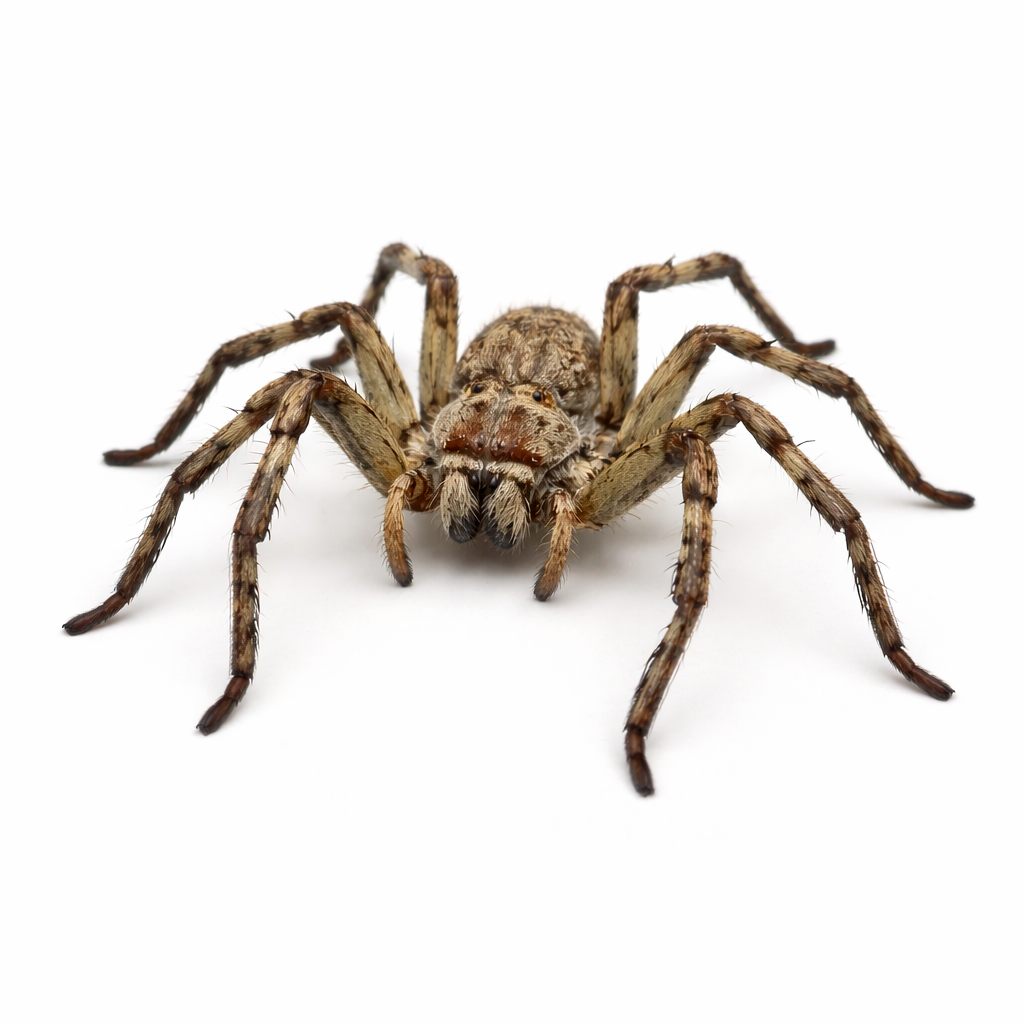
Large fast-moving spider often found inside homes and sheds.
Huntsman Spiders are one of Queensland’s best-known spiders and are recognised by their large size, flattened body and remarkable speed. They do not build capture webs but actively hunt insects, cockroaches and other household pests throughout homes, sheds, garages and gardens. Although their sudden appearance can be alarming, Huntsman Spiders are generally shy and prefer to escape rather than confront people. Their bite is not considered medically dangerous but may cause local pain, swelling and discomfort. Because they provide excellent natural pest control by feeding on cockroaches and other insects, many homeowners choose to leave them undisturbed. Where Huntsman Spiders become an unwanted presence indoors or repeatedly enter living areas, professional pest management can help reduce both spider activity and the insect populations that attract them.
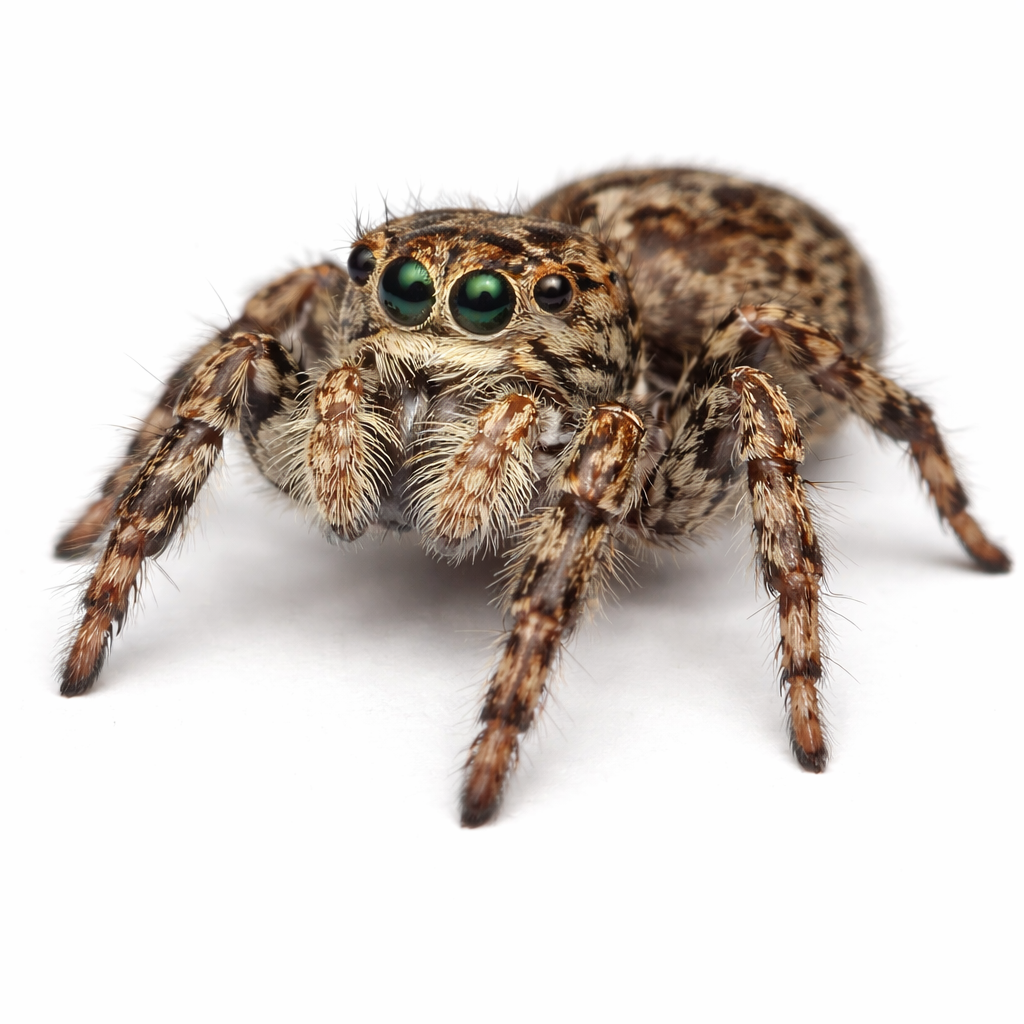
Small active spider known for its jumping ability and good vision.
Jumping Spiders are small, active hunters recognised for their excellent eyesight and remarkable ability to leap many times their own body length. Rather than building webs to catch prey, they stalk and capture insects using speed and precision, making them highly effective natural predators. These curious spiders are commonly found throughout Queensland gardens, windows, walls and outdoor structures where they feed on flies, mosquitoes and other small insects. Jumping Spiders are harmless to people and rarely bite unless directly handled. Their inquisitive behaviour often brings them close to humans, but they are considered one of the more beneficial spider species found around homes. In almost all situations they should be left alone to continue helping control nuisance insect populations naturally.
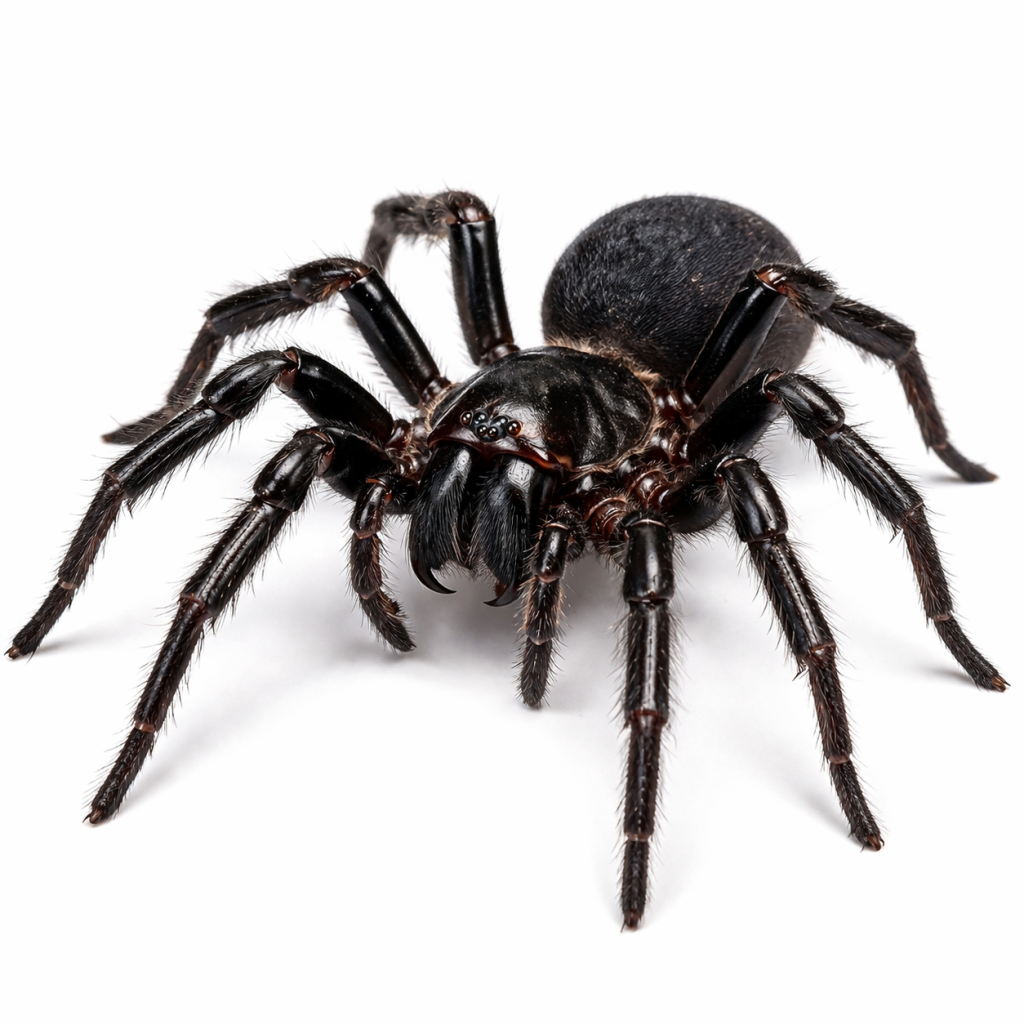
Funnel-web type spider that builds silk-lined retreats in trees.
The Northern Tree Funnel Spider is a native Australian species that builds distinctive silk-lined retreats beneath loose bark, inside tree hollows and among dense vegetation. Unlike the more dangerous Sydney Funnel-web Spider, this tree-dwelling species is rarely encountered inside homes and generally prefers natural bushland habitats. Although it is venomous, bites are uncommon because the spider is shy and avoids human contact whenever possible. Correct identification is extremely important, as Funnel Spider species can appear similar to one another. Homeowners should never attempt to handle any Funnel Spider. If one is found inside a building or in an area where people may come into contact with it, a licensed pest professional or wildlife specialist should be consulted to safely remove or identify the spider.
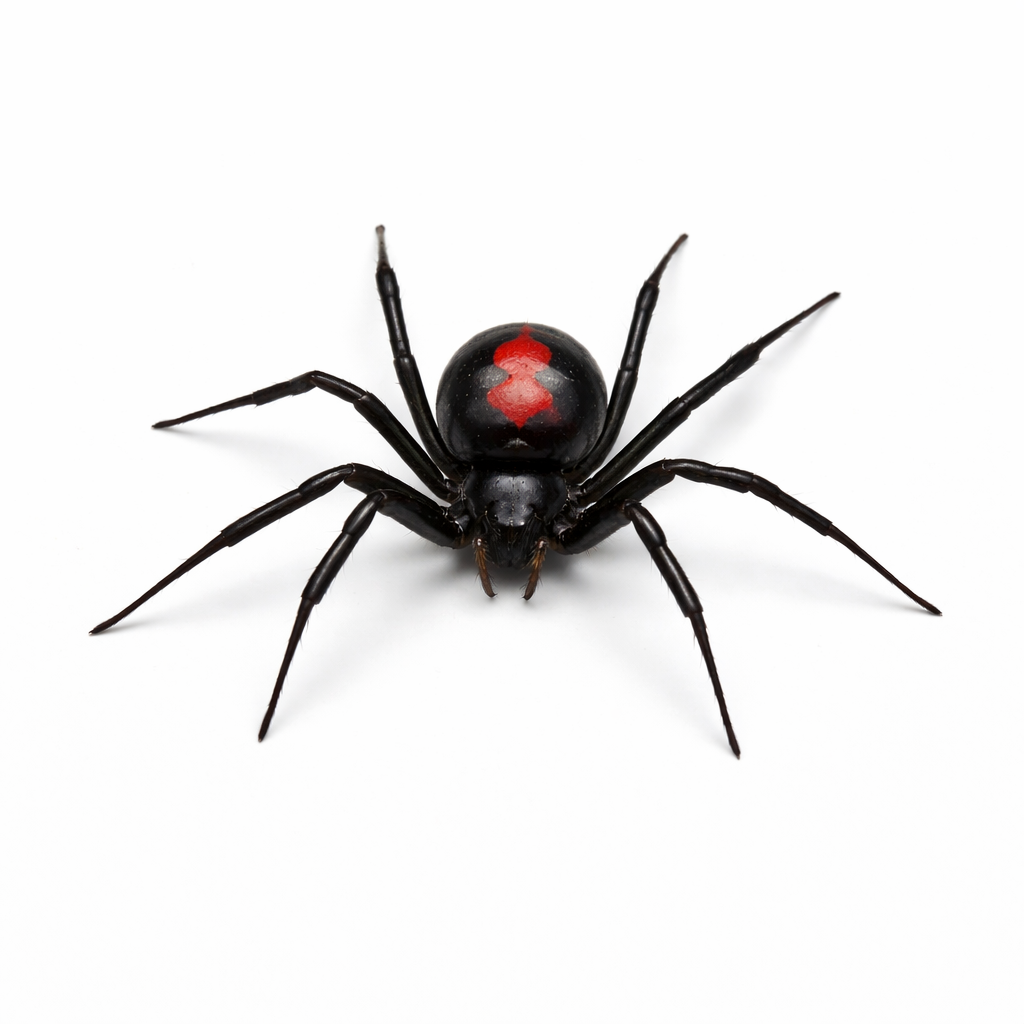
Venomous spider recognised by red marking on its back.
The Redback Spider is one of Australia’s most recognisable venomous spiders, easily identified by the distinctive red stripe or marking on the upper surface of the female’s abdomen. Redbacks commonly build untidy webs in dry, sheltered locations such as sheds, garages, letterboxes, outdoor furniture, children’s play equipment and beneath pot plants. Although naturally shy, they will bite if disturbed or accidentally pressed against the skin. Their venom can cause significant pain and other medical symptoms, making prompt medical advice important following any suspected bite. Wearing gloves when working in outdoor storage areas and checking hidden spaces before reaching inside can greatly reduce the risk of accidental contact. Professional pest control is recommended where Redback Spiders are repeatedly found around homes, schools or workplaces to minimise the risk of future encounters.
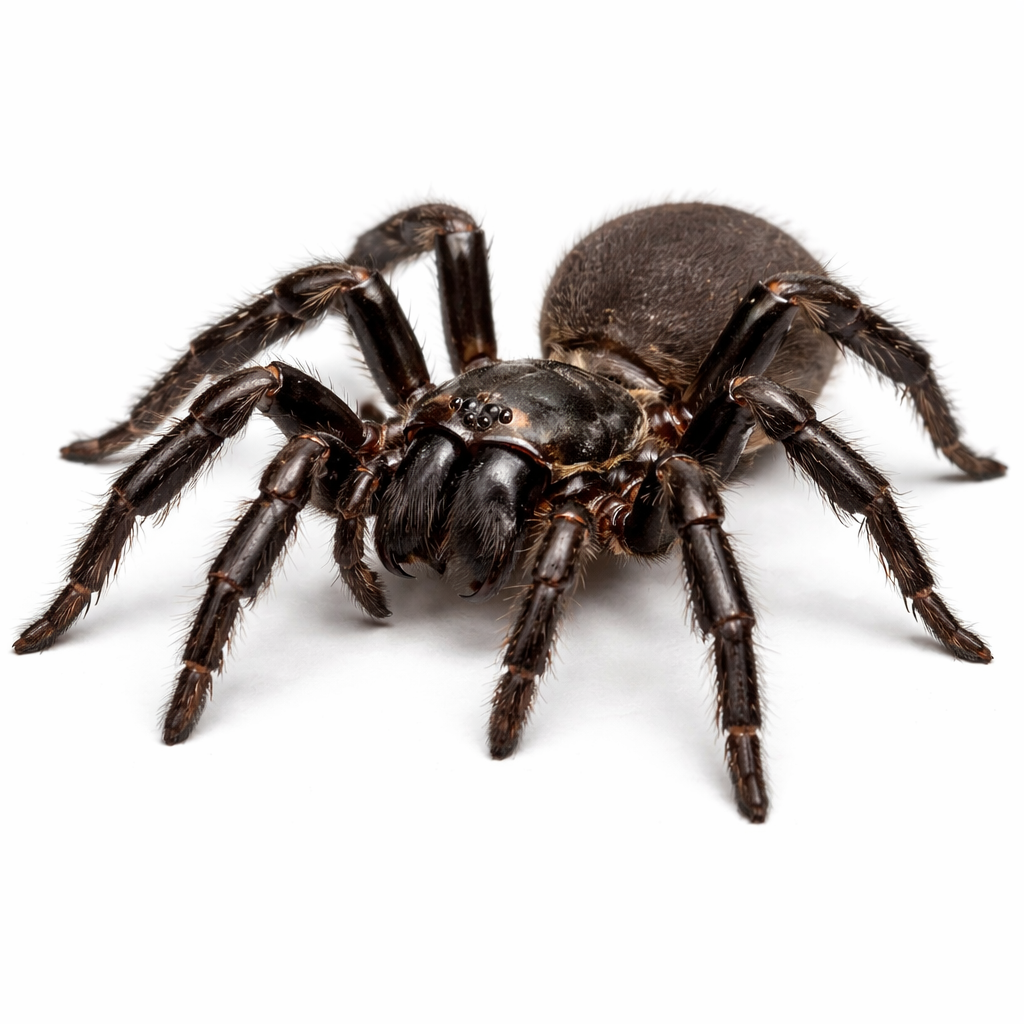
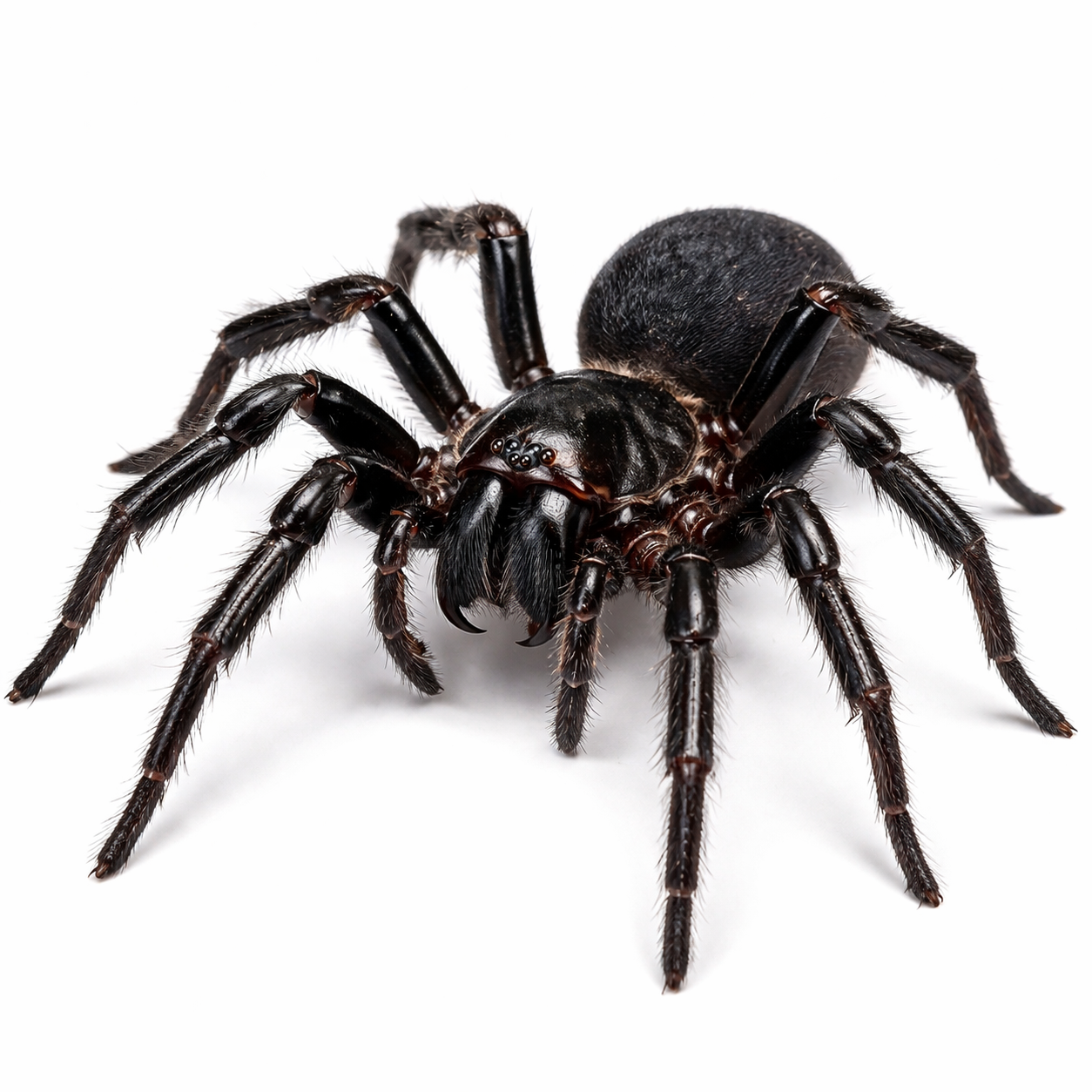
Ground-dwelling spider that builds burrows with hidden entrances.
Trapdoor Spiders are large, ground-dwelling spiders that construct silk-lined burrows with carefully camouflaged trapdoors hidden beneath soil, leaf litter or garden mulch. They spend most of their lives underground, emerging mainly at night to capture passing insects and other small prey. Trapdoor Spiders are generally shy and are rarely seen unless their burrows are disturbed during gardening or landscaping. Although they possess venom, they are not considered dangerously aggressive and bites are uncommon. These spiders provide valuable natural pest control and are an important part of Australia’s native ecosystems. Where burrows occur in quiet garden areas they are usually best left undisturbed. If removal becomes necessary, professional advice should be sought rather than attempting to handle the spider directly.
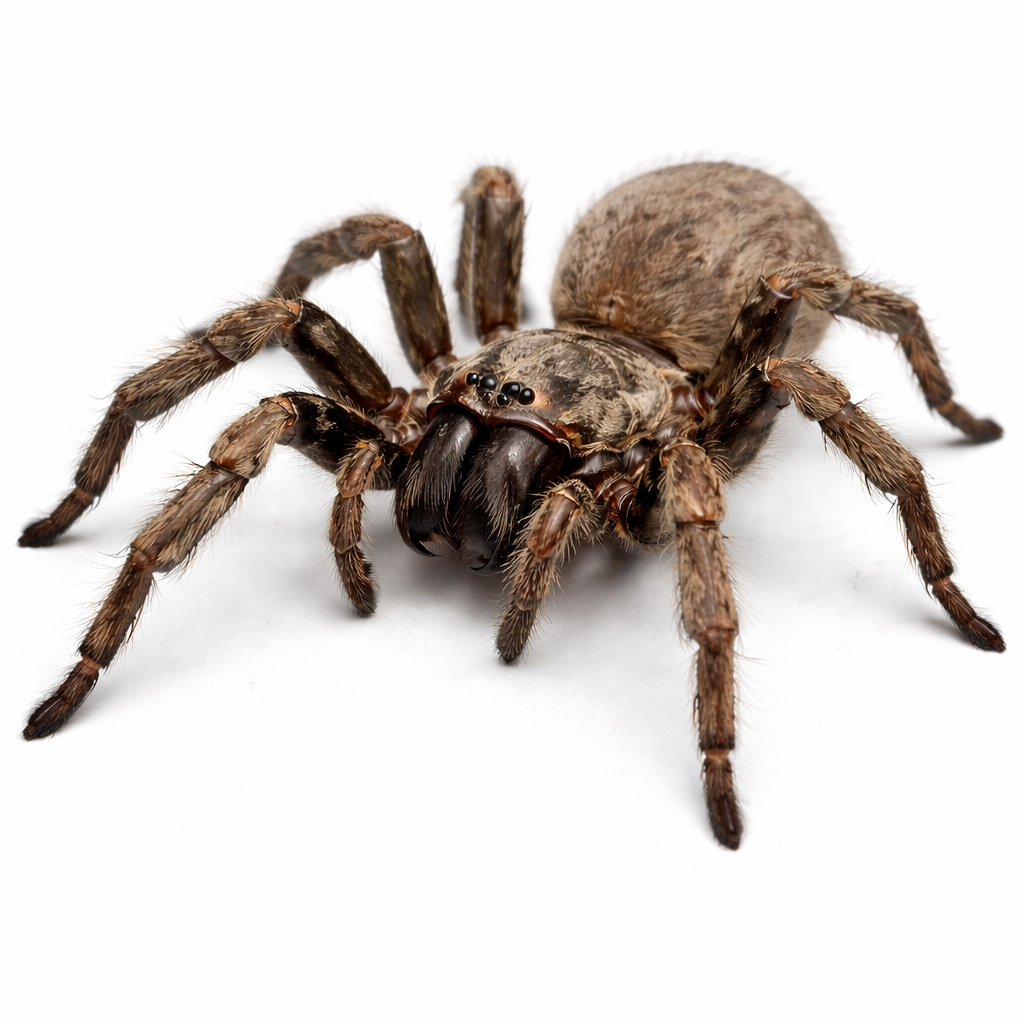
Large burrowing spider known for defensive hissing sound.
Whistling Spiders, also known as Barking Spiders, are large native burrowing spiders famous for producing an audible hissing or whistling sound by rubbing specialised body parts together when threatened. They spend most of their lives inside silk-lined burrows where they hunt insects and other invertebrates during the night. Although their impressive size and defensive display may appear intimidating, Whistling Spiders are generally shy and avoid confrontation whenever possible. Bites are uncommon but may cause local pain and swelling if the spider is handled. They are beneficial predators that help control insect populations in gardens and natural bushland. Homeowners should avoid disturbing active burrows and contact a professional if a spider requires relocation from a high-use area.
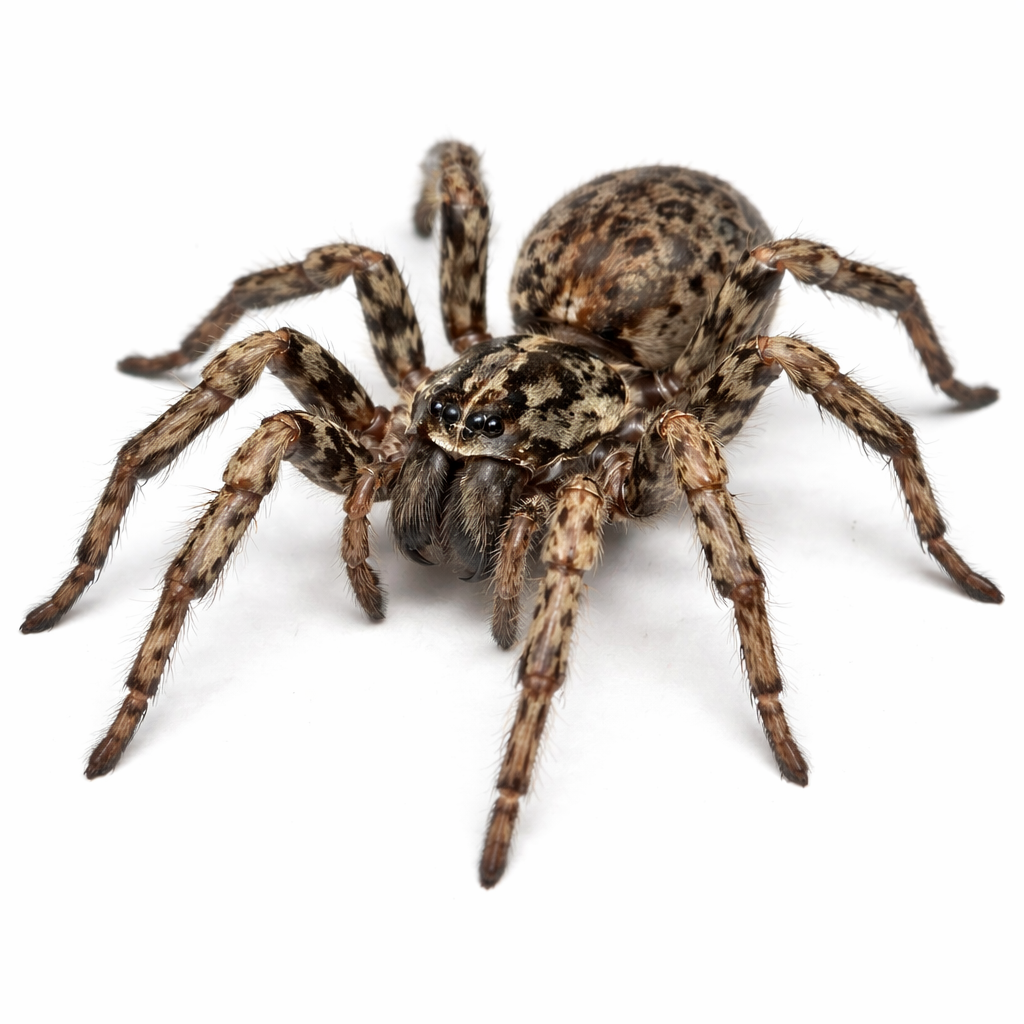
Fast ground-hunting spider commonly found in homes and gardens.
Wolf Spiders are fast-moving hunting spiders that actively chase their prey rather than relying on webs. They are commonly found throughout Queensland in gardens, lawns, garages, sheds and occasionally inside homes where they feed on cockroaches, crickets, beetles and other insects. Female Wolf Spiders are well known for carrying their egg sac attached to the end of their abdomen and later transporting hundreds of tiny spiderlings on their back. Although their size and speed can startle homeowners, Wolf Spiders are generally not aggressive and bites are uncommon, usually causing only local pain and swelling. Because they provide valuable natural pest control by reducing insect populations, they are often beneficial around the home. If large numbers are regularly entering buildings, professional pest management can help reduce both spider activity and the insects that attract them.