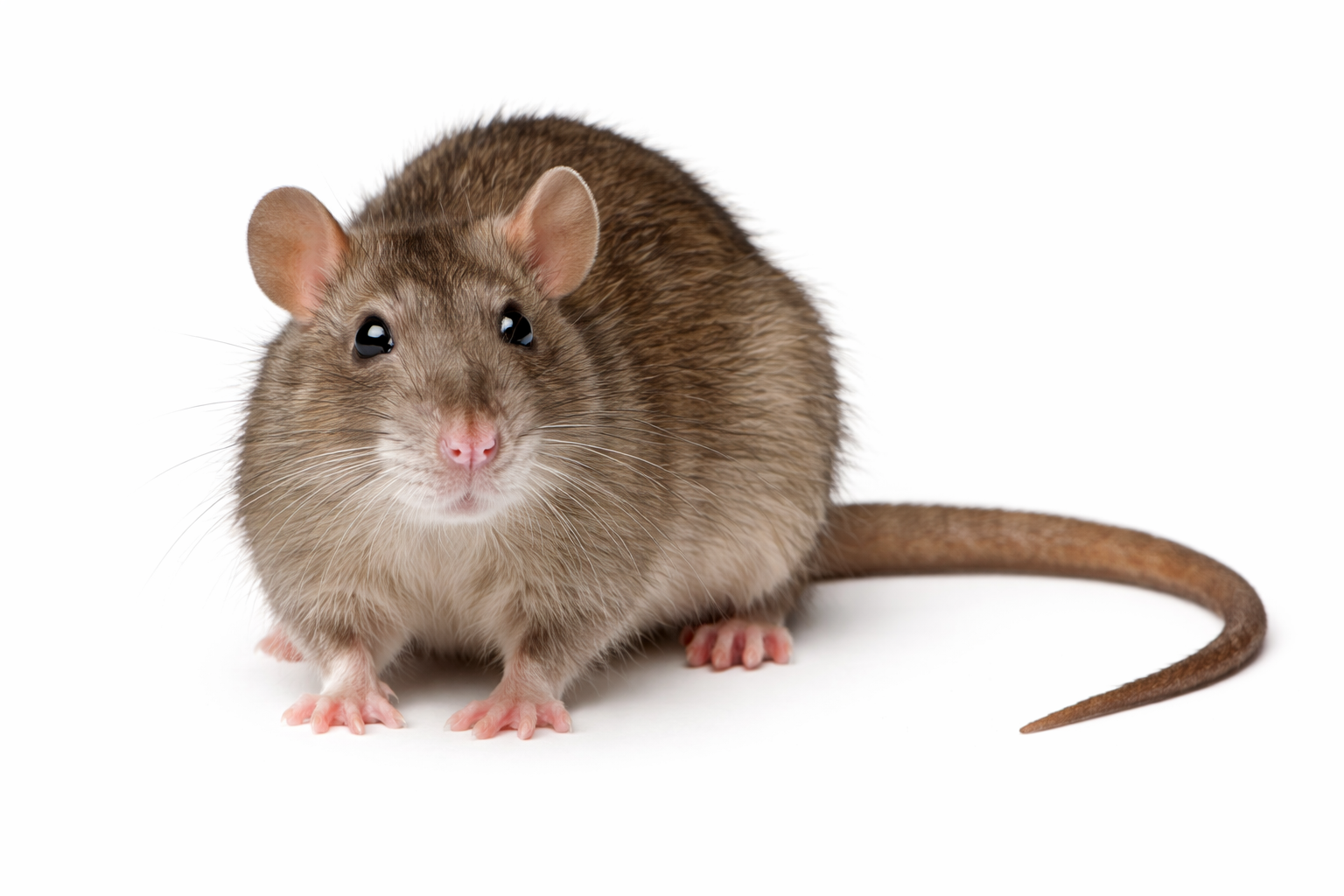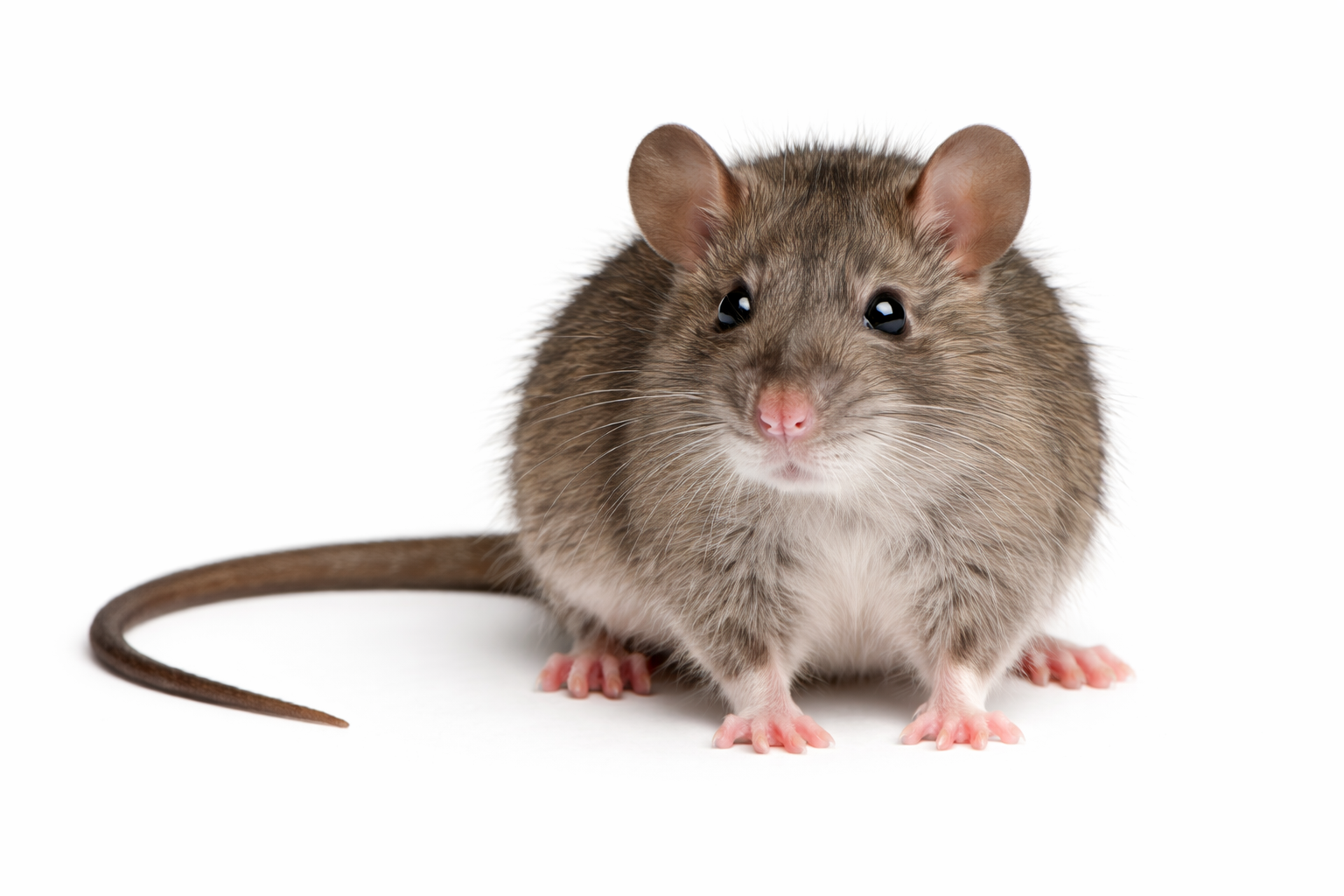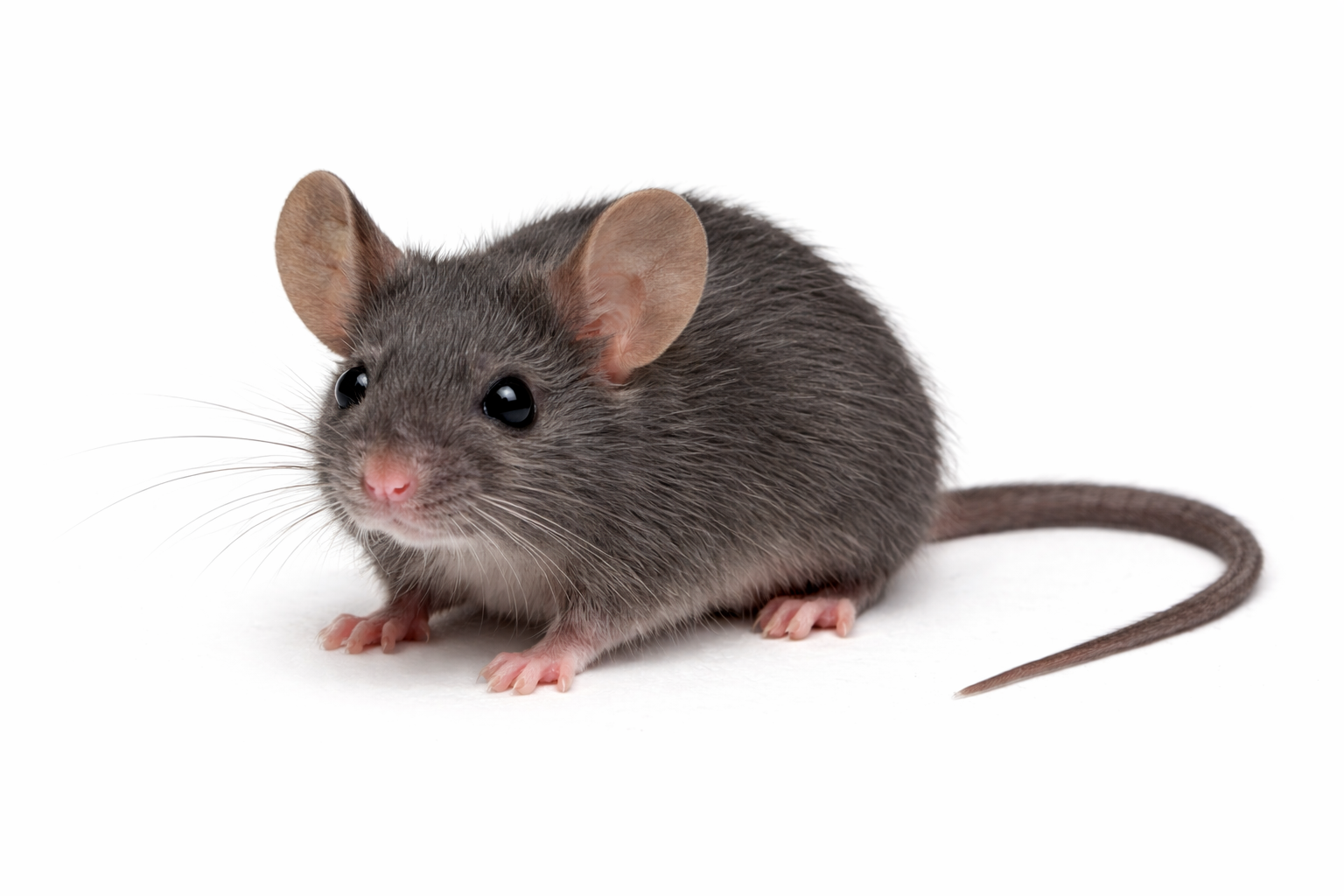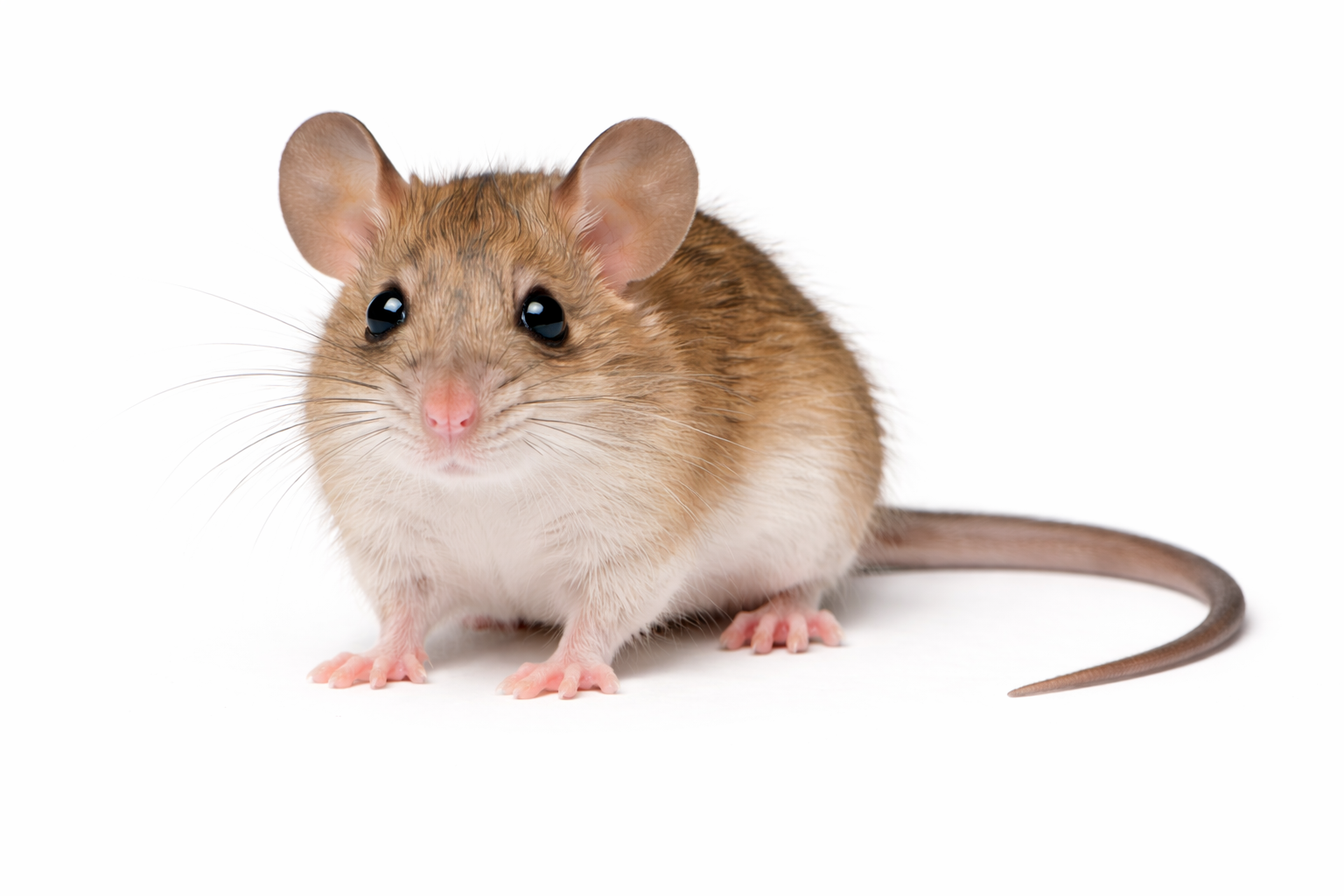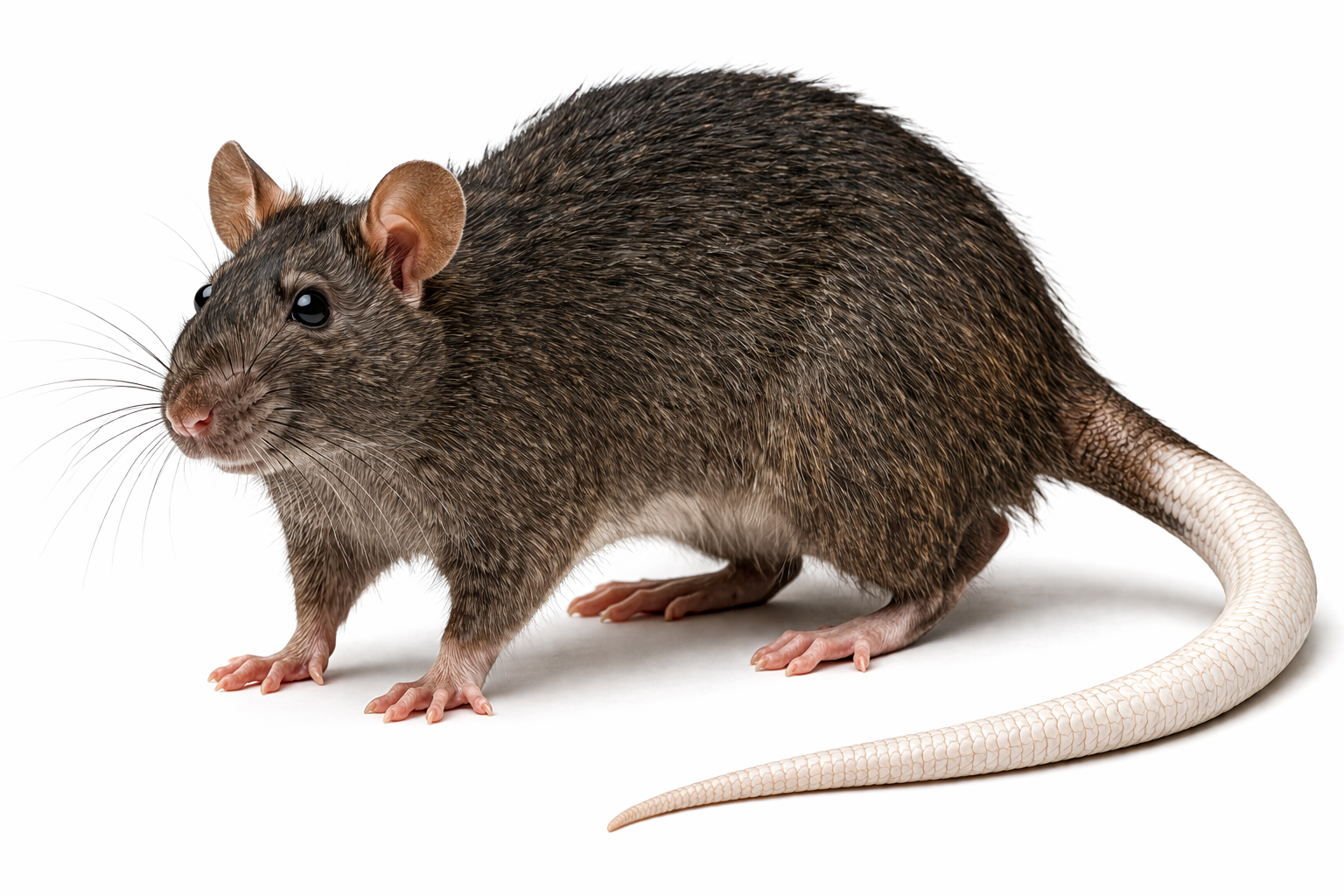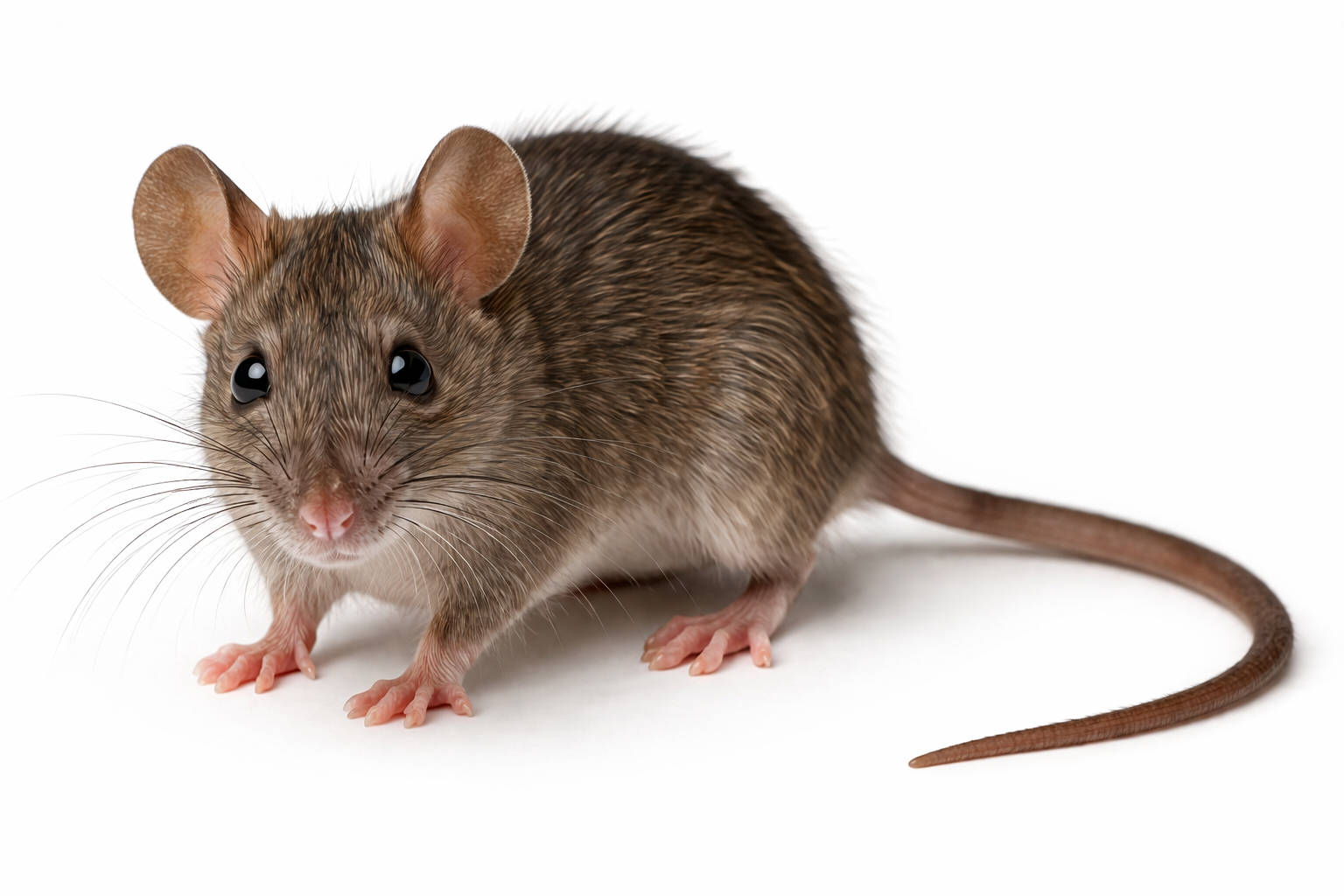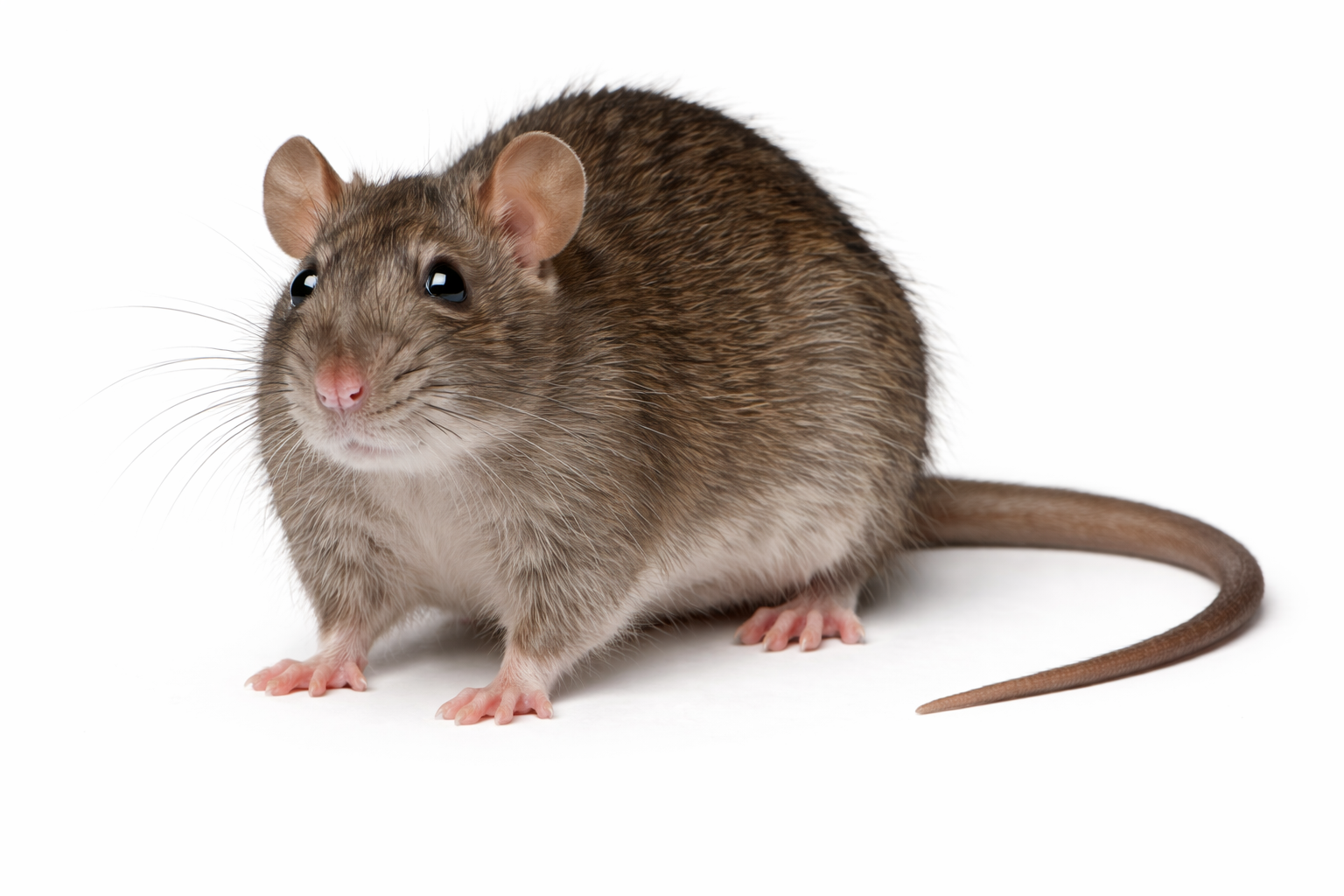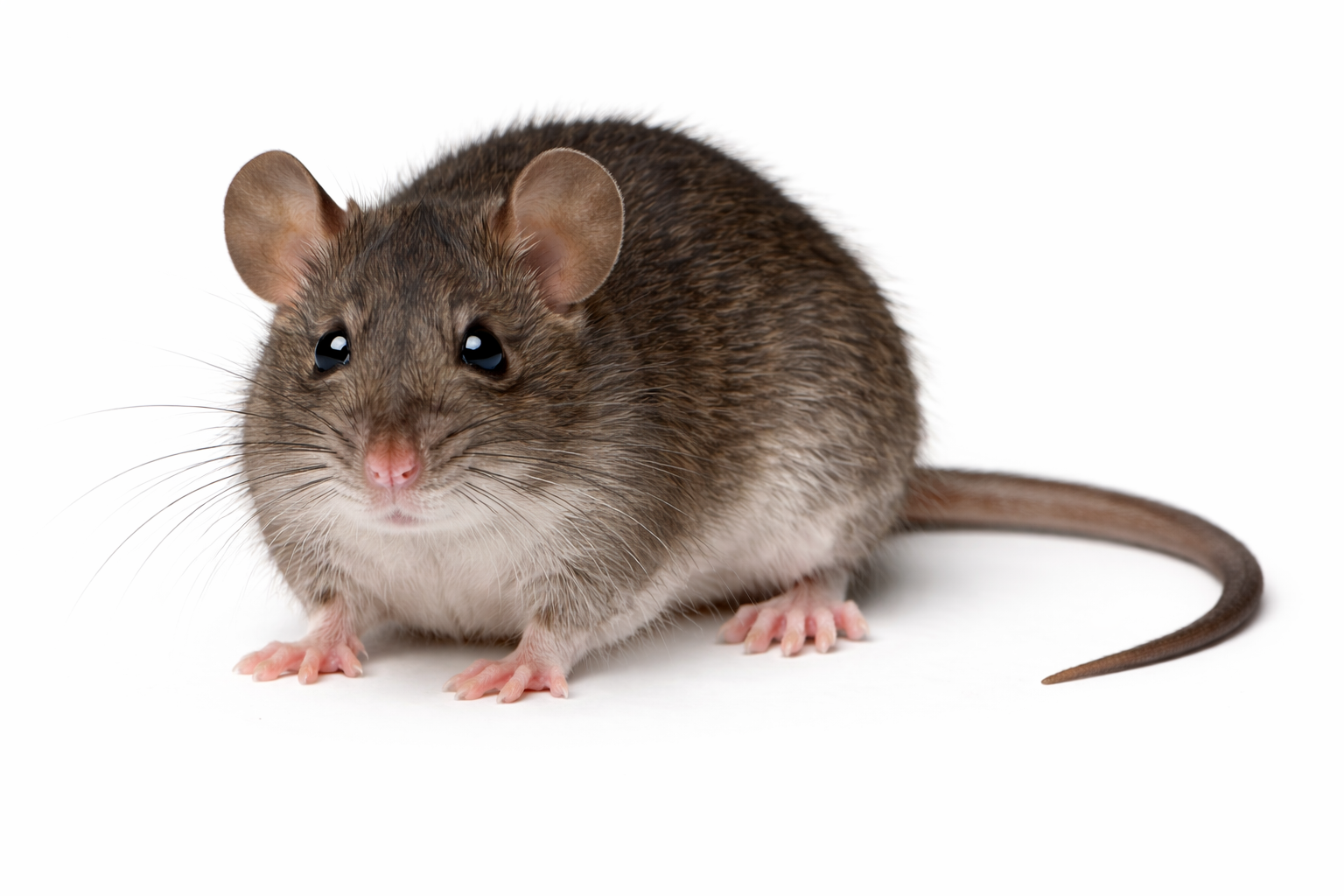
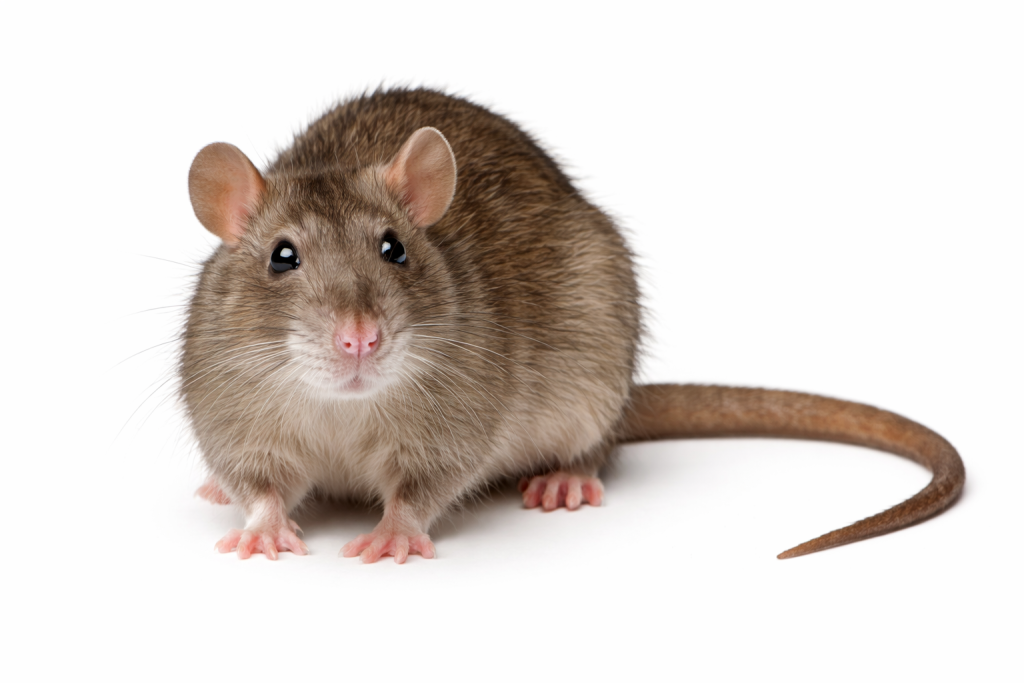
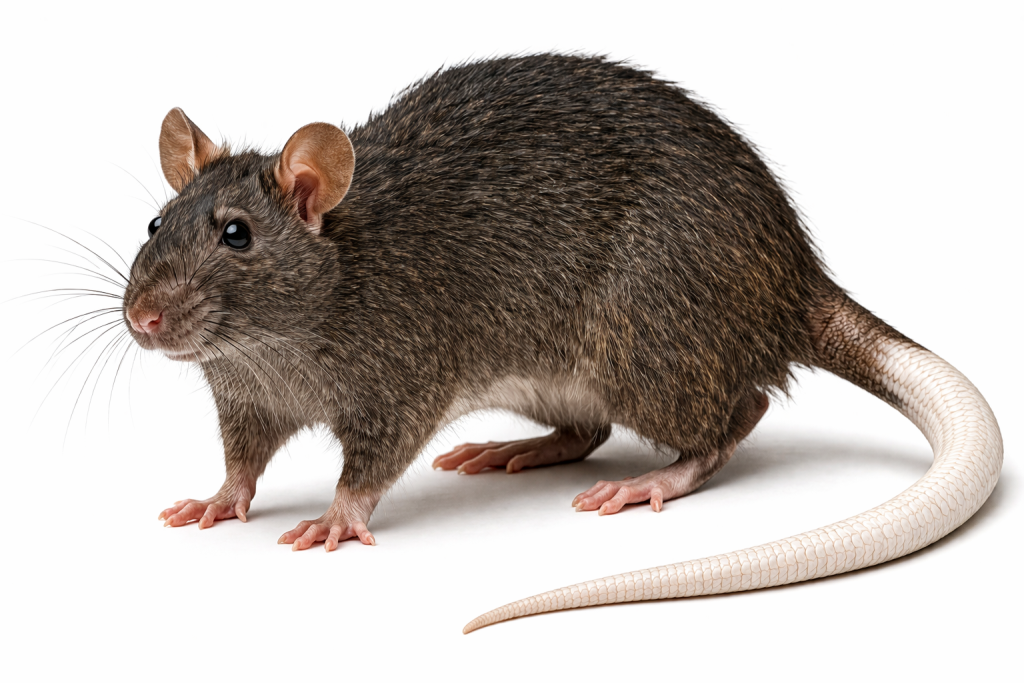
Common urban rat found in sewers, drains, and building structures.
The Brown Sewer Rat, also known as the Norway Rat, is one of Queensland’s most destructive urban rodent pests. These large, powerful rats are commonly found in sewer systems, stormwater drains, rubbish areas, warehouses and around residential properties where food, water and shelter are readily available. Brown Sewer Rats are excellent burrowers and often nest beneath buildings, concrete slabs, garden sheds and retaining walls before entering homes in search of food. They contaminate food supplies with urine and droppings, damage insulation, pipes and electrical wiring through constant gnawing, and are capable of spreading a range of diseases and parasites. Signs of activity include droppings, gnaw marks, scratching noises, greasy rub marks and burrow entrances around the property. Because Brown Sewer Rats reproduce rapidly and are extremely cautious around new food sources, professional rodent control is usually the most effective solution. A comprehensive treatment program combines baiting, trapping, proofing and sanitation measures to eliminate existing infestations while helping prevent future rodent activity.
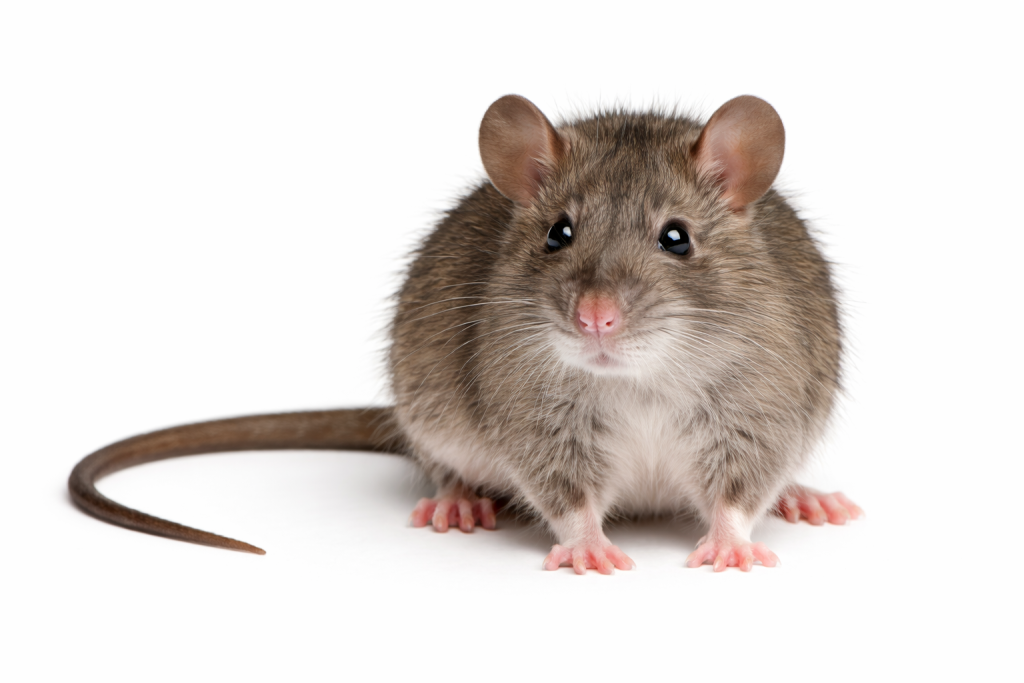
Native rodent commonly found in bushland and natural environments.
The Bush Rat is a native Australian rodent commonly found throughout Queensland’s forests, bushland and dense vegetation. Unlike introduced pest rats, Bush Rats form an important part of the natural ecosystem where they help disperse seeds and provide food for native predators including owls, snakes and quolls. They are generally shy, nocturnal animals that avoid human contact and rarely enter homes unless natural food or shelter becomes scarce. Bush Rats feed on seeds, fruit, fungi, insects and other natural foods found within their habitat. Because they are native wildlife, they are protected in many situations and should not automatically be regarded as pests. If a Bush Rat is found inside a building, correct identification is important before any action is taken, as it may be confused with introduced rat species requiring control. Professional advice can assist with identification and recommend the most appropriate and environmentally responsible solution.
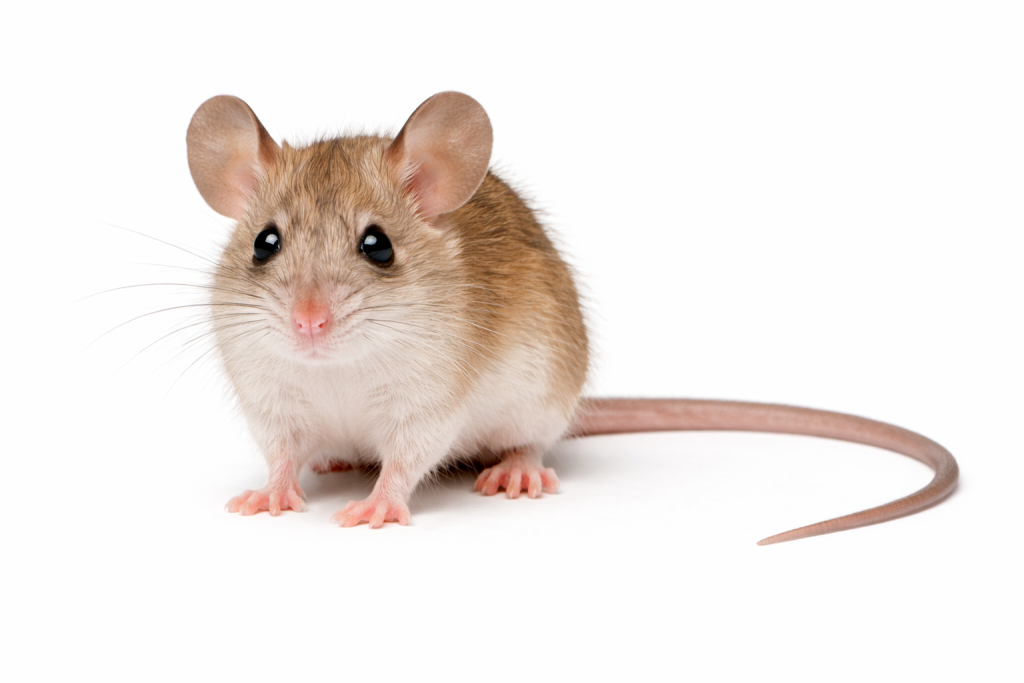
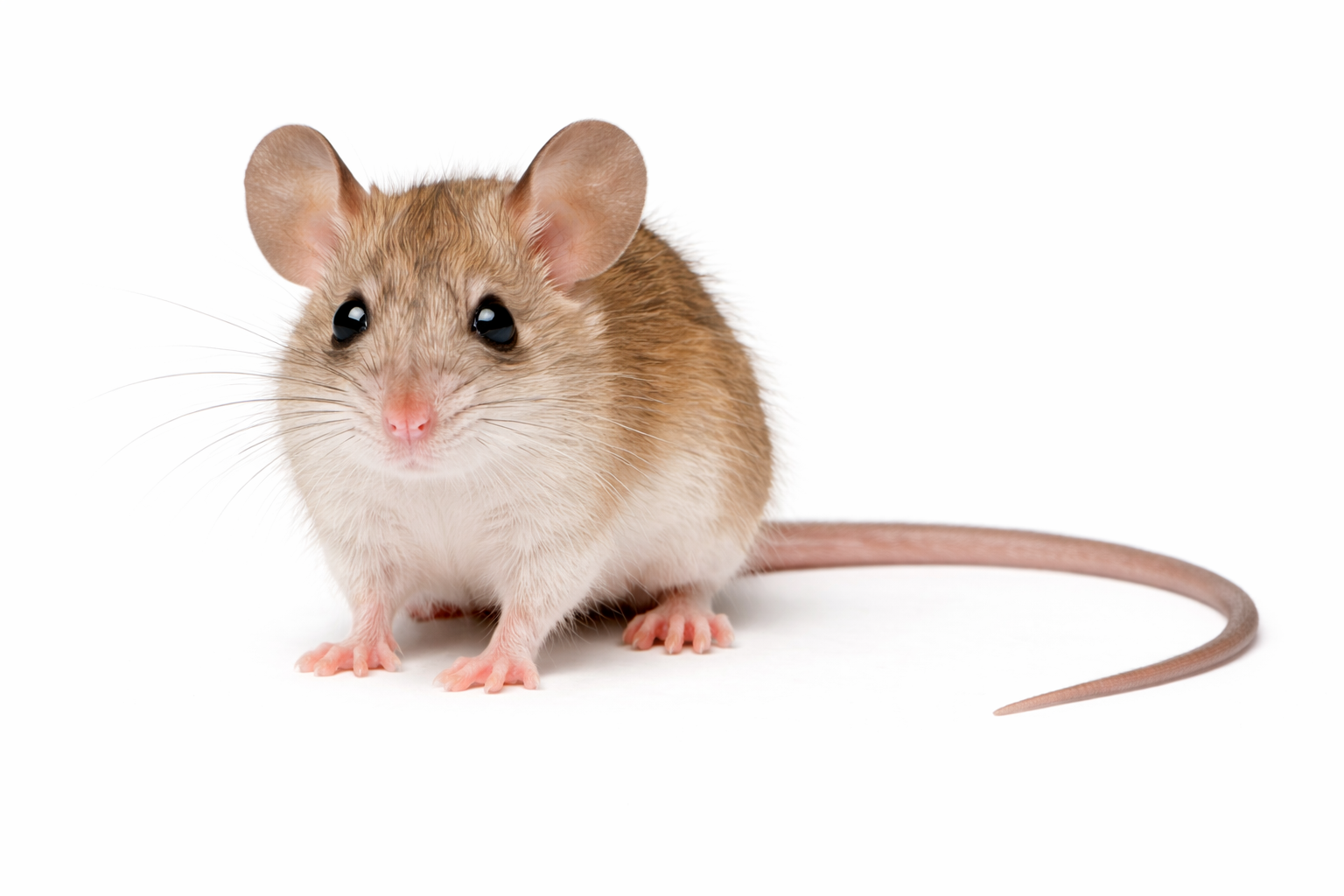
Small native mouse found in grasslands and open environments.
The Delicate Mouse is a small native Australian rodent commonly found in Queensland grasslands, open woodlands and lightly vegetated habitats. It feeds on seeds, grasses, insects and other natural food sources while playing an important role in maintaining healthy ecosystems. Delicate Mice are generally secretive and spend most of their time under vegetation or within shallow burrows where they remain protected from predators. Unlike introduced house mice, they rarely enter homes or commercial buildings and are not considered significant household pests. Because of their similar appearance to pest mouse species, correct identification is essential before any control measures are considered. In most situations Delicate Mice should be left undisturbed as they contribute to the biodiversity of Queensland’s native environment. Professional advice may be helpful where identification is uncertain or where rodents are found inside buildings.
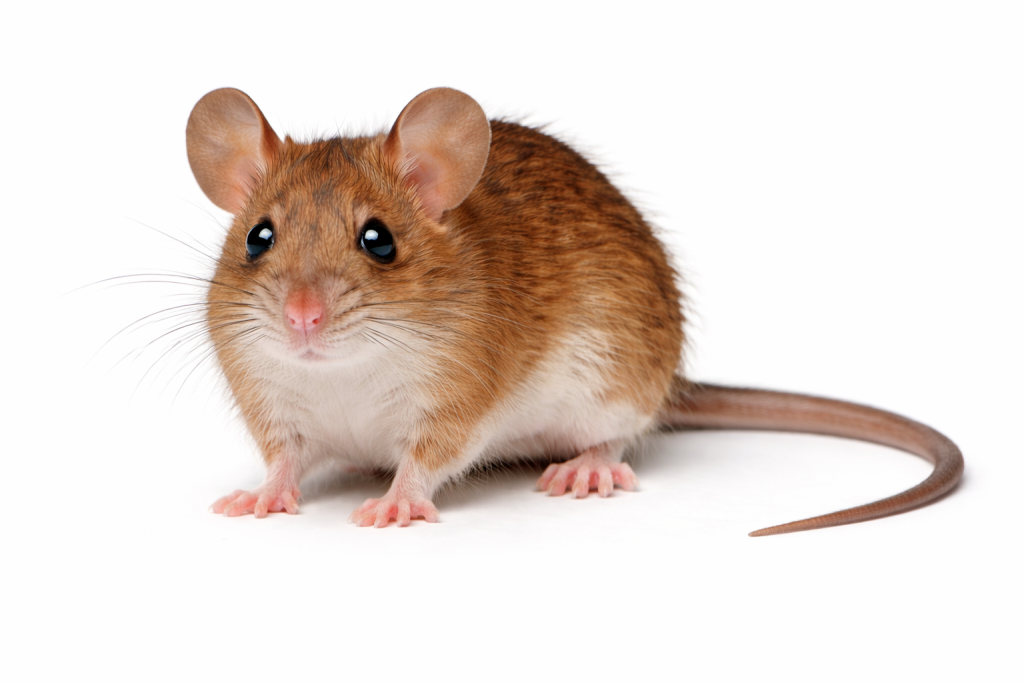
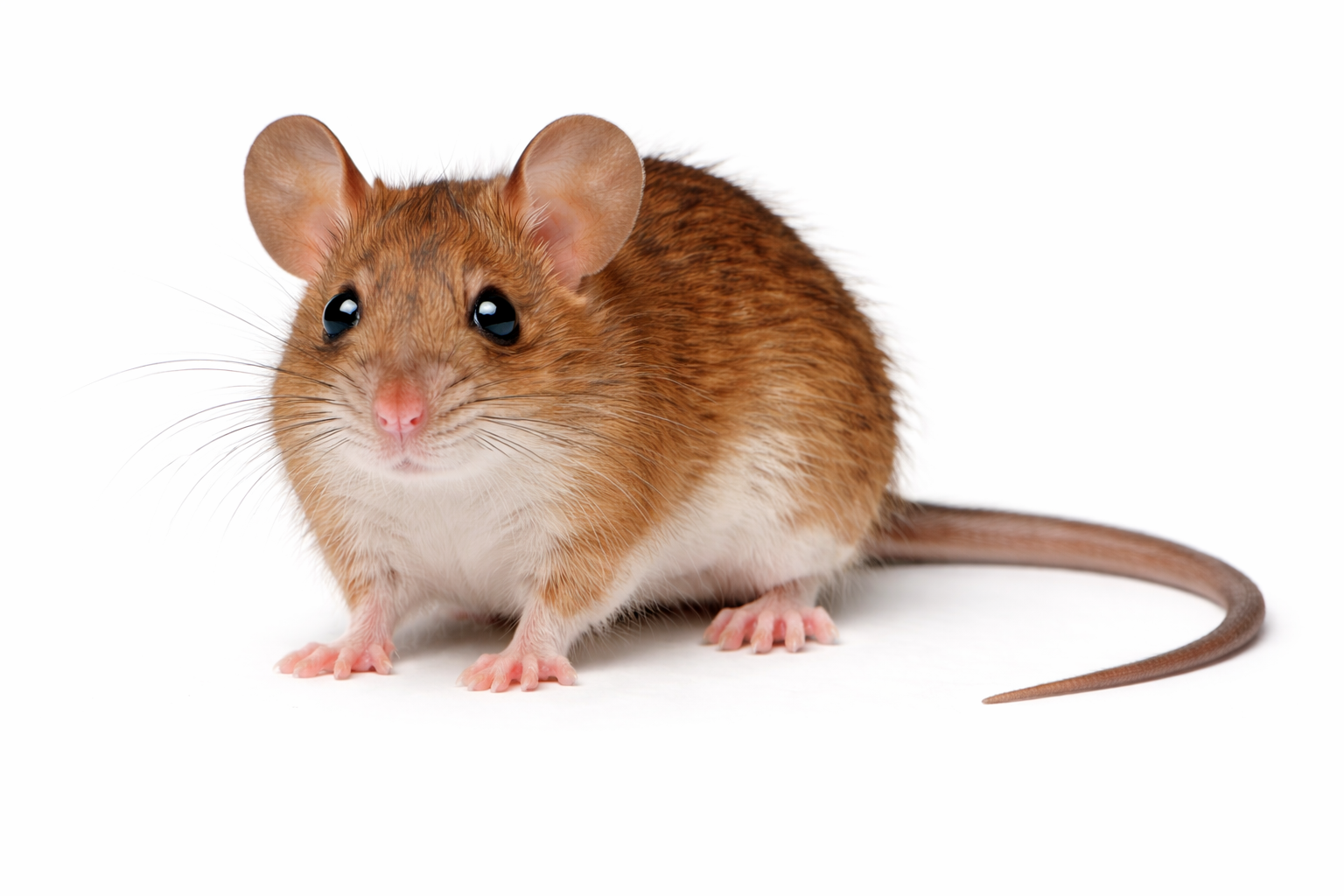
Native mouse species commonly found in dense vegetation.
The Eastern Chestnut Mouse is a native Australian rodent found in dense vegetation, heathland and forest habitats throughout parts of Queensland and eastern Australia. It is recognised by its rich chestnut-brown colouring and active nocturnal behaviour. These mice feed on seeds, fruit, fungi and insects, contributing to natural seed dispersal and the health of native ecosystems. Eastern Chestnut Mice are rarely associated with residential properties and are not considered household pests. Instead, they prefer undisturbed natural environments where suitable shelter and food are readily available. Because they closely resemble several introduced mouse species, accurate identification is important before any management decisions are made. Where these native rodents are encountered, they should generally be left undisturbed, with professional advice sought only if identification is uncertain or wildlife management assistance is required.
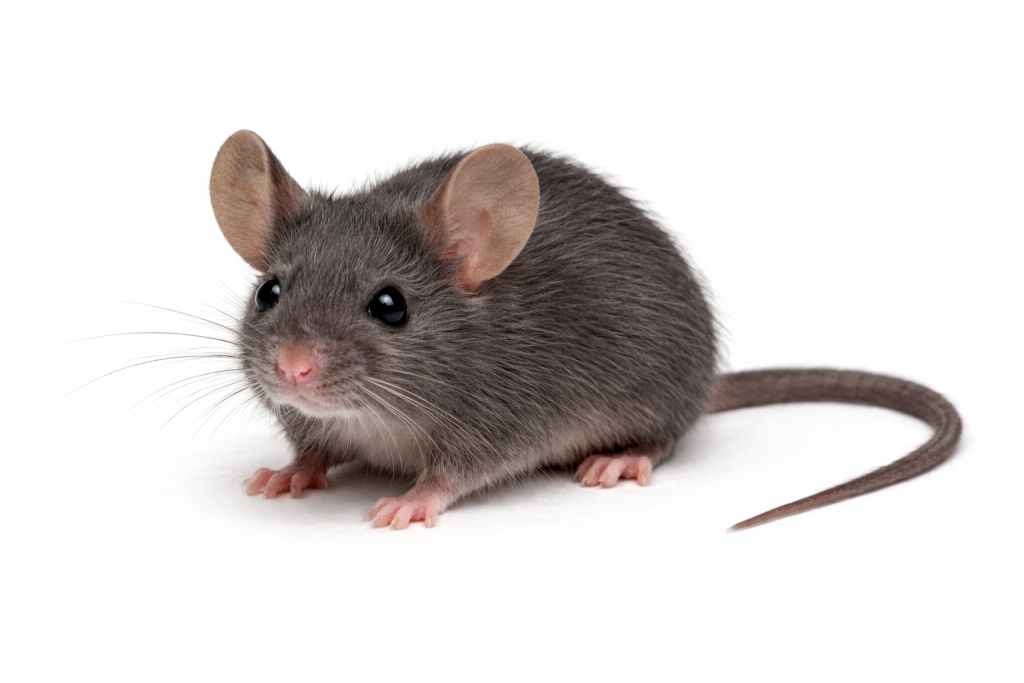
Native rodent species found in woodland and grassland regions.
Forrest’s Brown Mouse is a small native Australian rodent that inhabits woodland, grassland and lightly vegetated regions across parts of northern Australia. It feeds primarily on seeds, grasses and small insects, helping maintain the ecological balance within its natural habitat. This species is rarely encountered by homeowners because it prefers undisturbed outdoor environments and generally avoids buildings and developed areas. Unlike introduced rodents such as House Mice and Brown Rats, Forrest’s Brown Mouse is not regarded as a significant pest and does not normally contaminate food or damage property. Correct identification remains important because several native rodents closely resemble introduced pest species. In almost all situations Forrest’s Brown Mouse should be left undisturbed and appreciated as part of Queensland’s native wildlife. Professional identification may be useful where uncertainty exists.
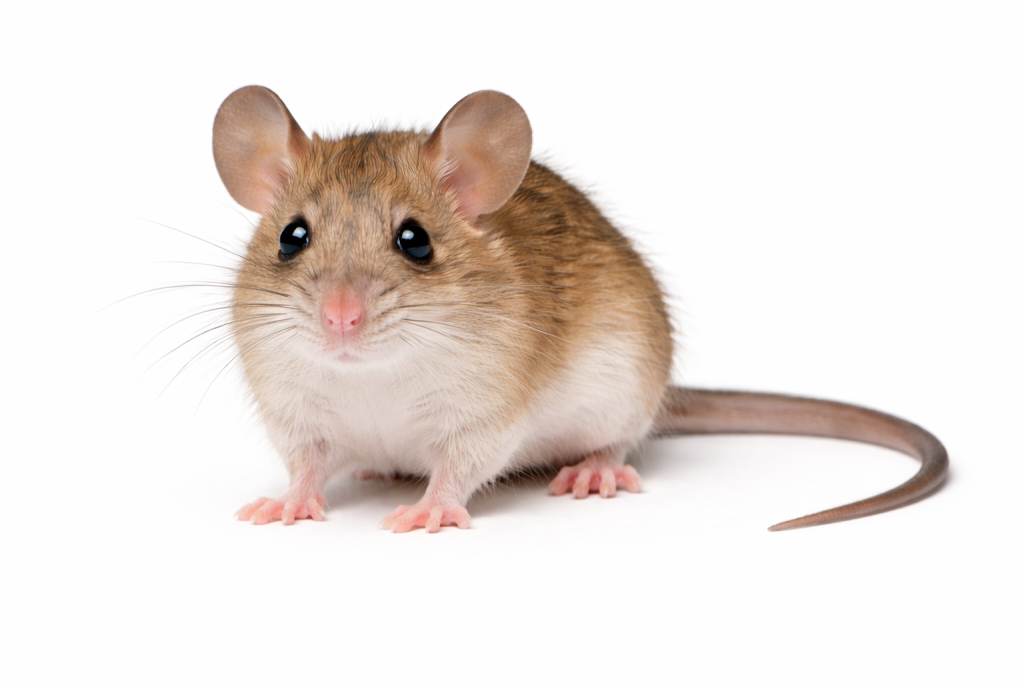
Small native mouse species found in dry inland regions.
Forrest’s Mouse is a native Australian rodent found in dry inland and lightly wooded regions where it lives among grasses, shrubs and natural ground cover. This small nocturnal mammal feeds on seeds, vegetation and insects, contributing to the health and diversity of Australia’s natural ecosystems. Forrest’s Mouse is rarely associated with homes or commercial buildings and is not considered a pest species. Instead, it plays an important ecological role as both a seed disperser and a food source for native predators. Because its appearance can be similar to introduced pest mice, careful identification is recommended before any control measures are undertaken. Homeowners who encounter this species should seek professional identification if necessary, as native rodents are an important part of Queensland’s biodiversity and generally require no pest management treatment.
Large aquatic rodent commonly found near waterways and wetlands.
The Giant Tailed Water Rat is a native Australian rodent that lives in rivers, creeks, wetlands and freshwater habitats throughout parts of Queensland. An excellent swimmer, it feeds on aquatic insects, freshwater shellfish, crustaceans and other small animals found along the water’s edge. Despite its large size, this species is shy, nocturnal and rarely encountered by people. It is not considered a household pest and does not invade homes or contaminate food supplies like introduced rats. The Giant Tailed Water Rat plays an important ecological role in maintaining healthy freshwater ecosystems and should be regarded as protected native wildlife. If one is seen around a property near waterways, it should simply be left undisturbed. Professional advice should only be sought where identification is uncertain or if an injured animal requires assistance from licensed wildlife carers.
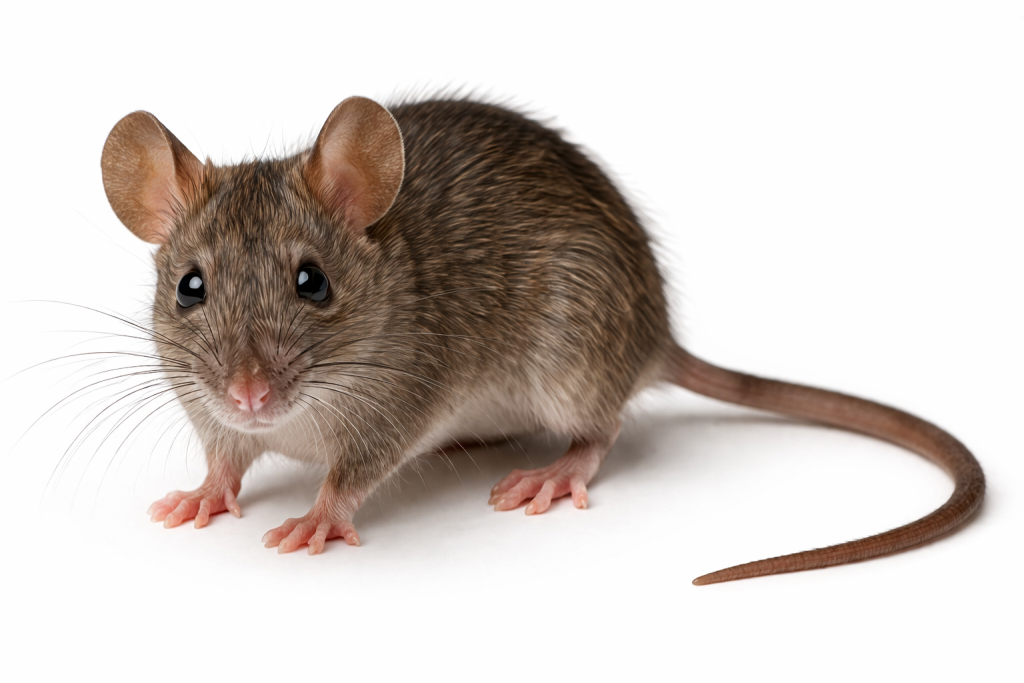
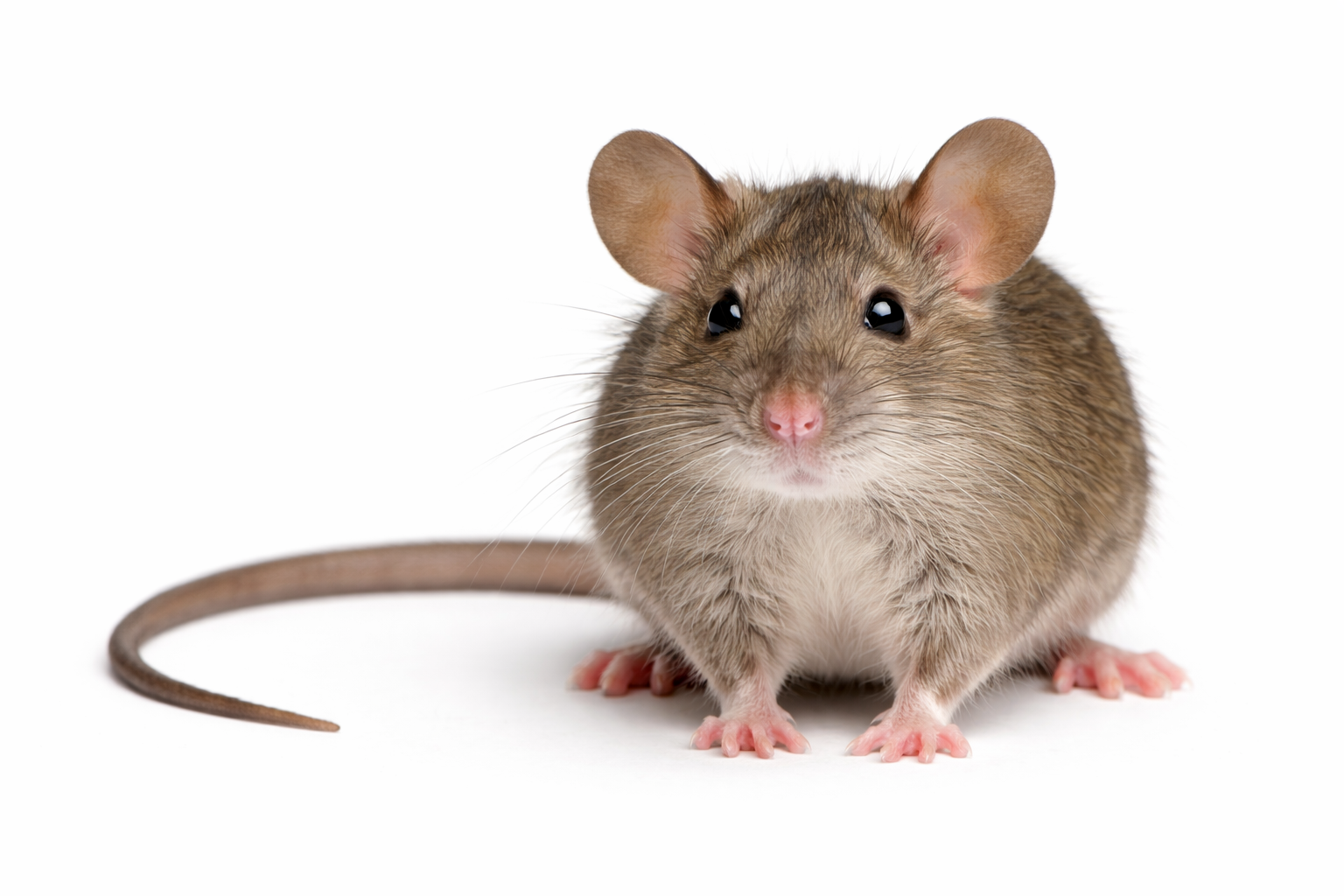
Common indoor rodent that contaminates food and surfaces.
The House Mouse is one of the most common household rodent pests found throughout Queensland. Small, highly adaptable and capable of breeding rapidly, House Mice readily invade homes, restaurants, warehouses and commercial buildings in search of food, water and shelter. They contaminate food and food preparation surfaces with urine, droppings and hair while also damaging packaging, insulation, stored goods and electrical wiring through constant gnawing. House Mice are primarily active at night, with signs of infestation including scratching noises, droppings, gnaw marks and a distinctive musty odour. Because they can squeeze through openings as small as a pencil, preventing entry can be extremely difficult without proper proofing. Professional rodent control combines inspection, baiting, trapping and exclusion techniques to eliminate infestations while helping prevent mice from returning to the property.
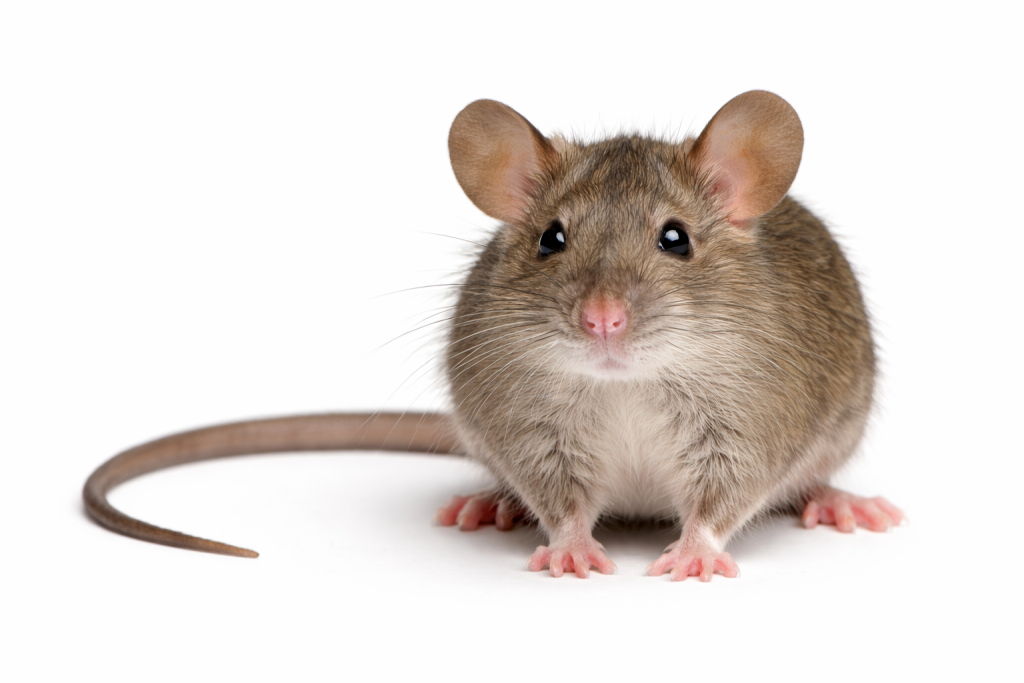
General term for rats commonly found living inside buildings.
House Rat is a general term commonly used to describe rats living within residential and commercial buildings. Depending on the species involved, these rodents may nest in roof voids, wall cavities, subfloors, sheds or surrounding gardens while entering buildings each night to search for food and water. Rats are capable of contaminating food supplies, spreading disease, damaging insulation and chewing electrical wiring, plumbing and structural timbers. Homeowners often first notice scratching sounds in ceilings or walls, droppings, gnaw marks or unpleasant odours associated with rodent activity. Because different rat species behave differently, accurate identification helps determine the most effective treatment strategy. Professional pest control provides comprehensive rodent management by identifying nesting sites, removing active infestations and implementing exclusion measures that reduce the likelihood of future rodent problems.
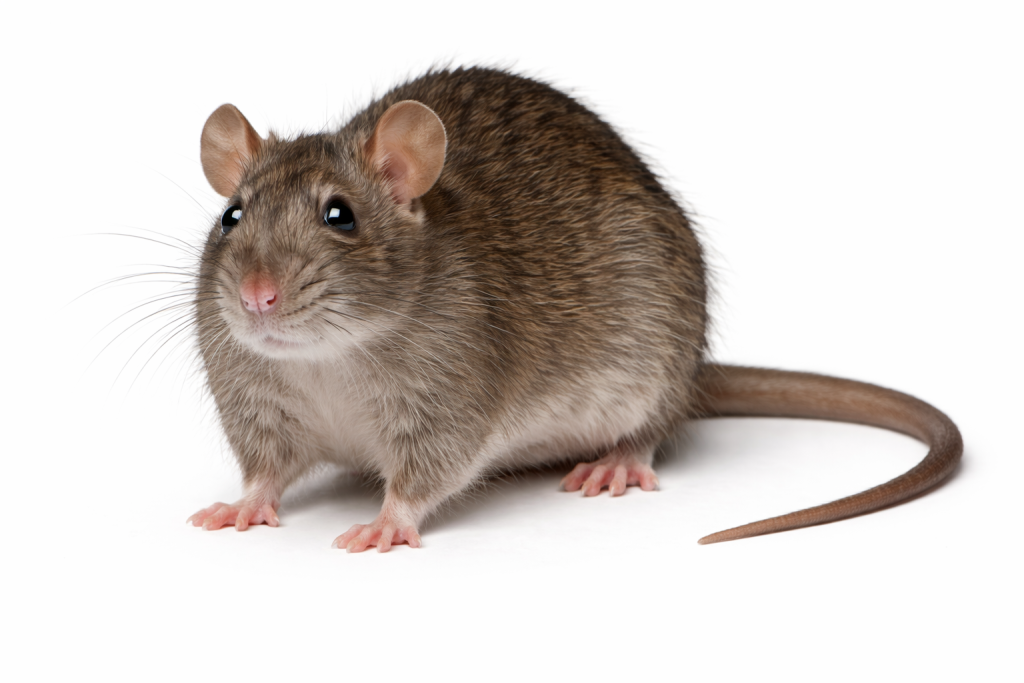
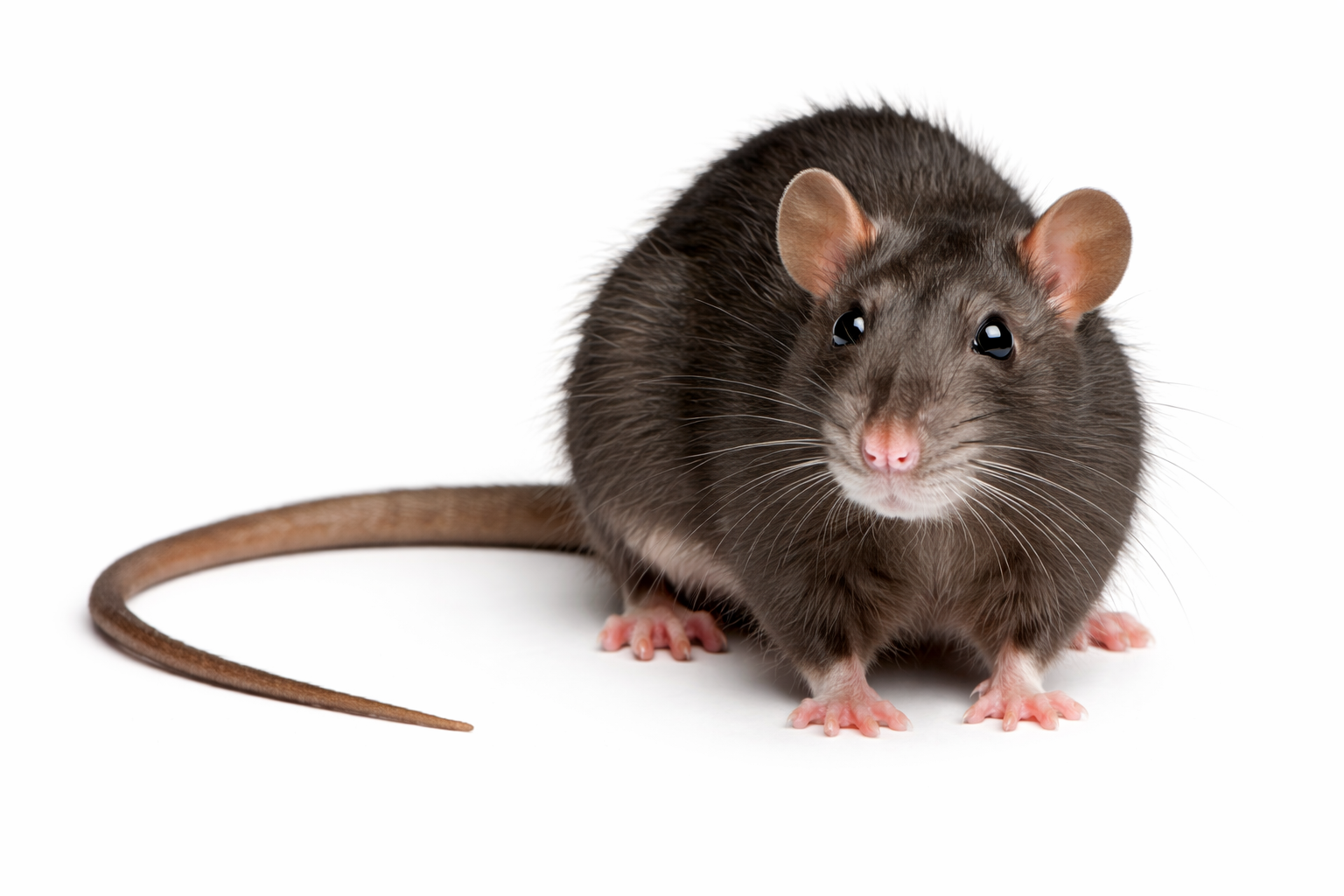
Large burrowing rat often found in sewers and ground-level areas.
The Norway Rat, also known as the Brown Rat or Sewer Rat, is one of Australia’s most destructive introduced rodent pests. This large, powerful rat prefers ground-level environments including drains, sewers, retaining walls, warehouses, sheds and beneath buildings where it excavates extensive burrow systems. Norway Rats consume a wide variety of foods and readily contaminate stored products with urine, droppings and hair while damaging pipes, insulation and electrical wiring through gnawing. Their rapid breeding rate allows populations to increase quickly if left untreated. Signs of infestation include burrows, greasy rub marks, gnaw damage, droppings and scratching noises around walls or under floors. Because these rodents are cautious and highly adaptable, successful control usually requires professional inspection, targeted baiting, proofing and ongoing monitoring to achieve lasting results.
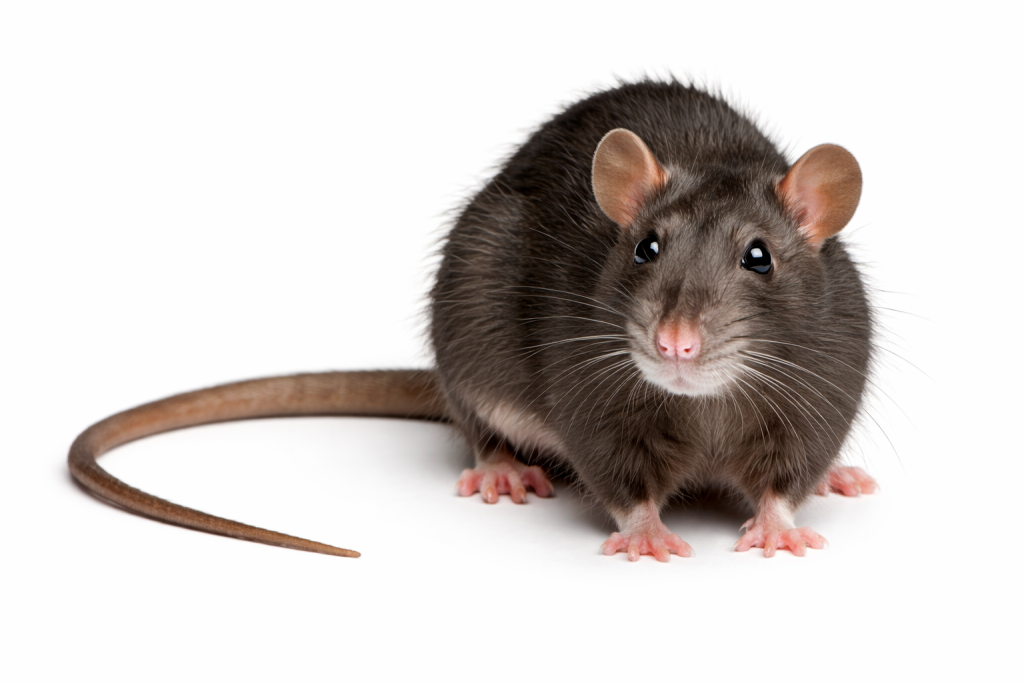
Agile rat species that nests in roofs and upper structures.
Roof Rats are agile climbing rodents commonly found nesting in roof voids, ceilings, wall cavities and upper levels of buildings throughout Queensland. Unlike Norway Rats, Roof Rats prefer elevated nesting locations and often travel along fences, powerlines and overhanging tree branches to gain access to buildings. They feed on fruit, grains, pet food and household food supplies while contaminating surfaces with droppings and urine. Roof Rats are also responsible for considerable property damage by chewing electrical wiring, insulation, plastic pipes and stored items. Homeowners frequently hear scratching or running noises in ceilings during the evening as these nocturnal rodents become active. Effective control requires identifying access points, removing food sources and treating nesting areas. Professional pest management provides targeted rodent control combined with proofing measures that prevent Roof Rats from re-entering the building.
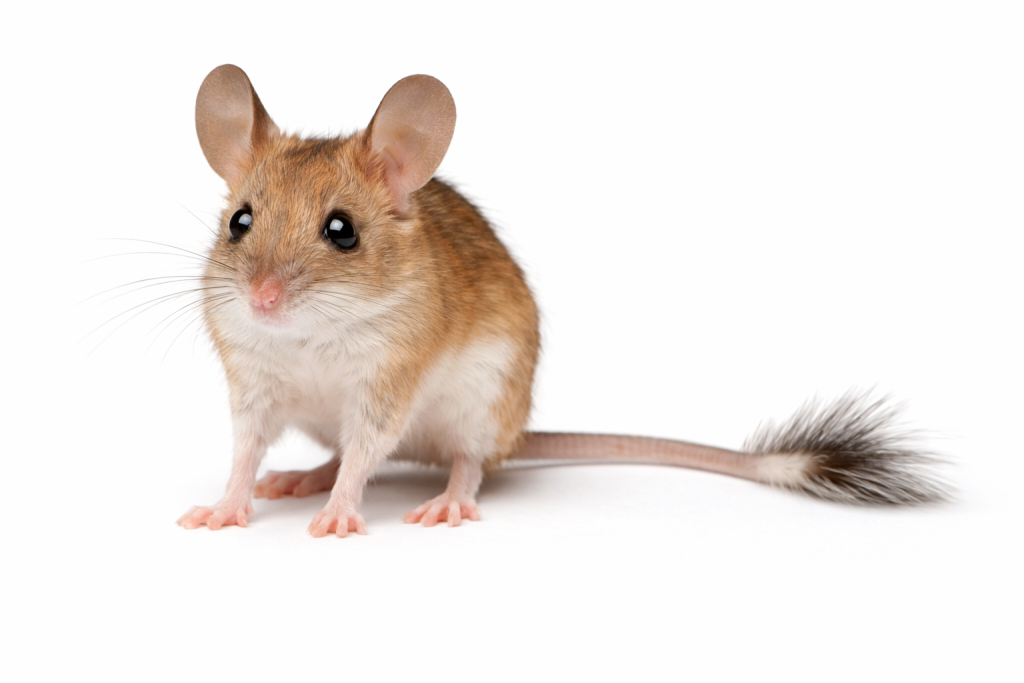
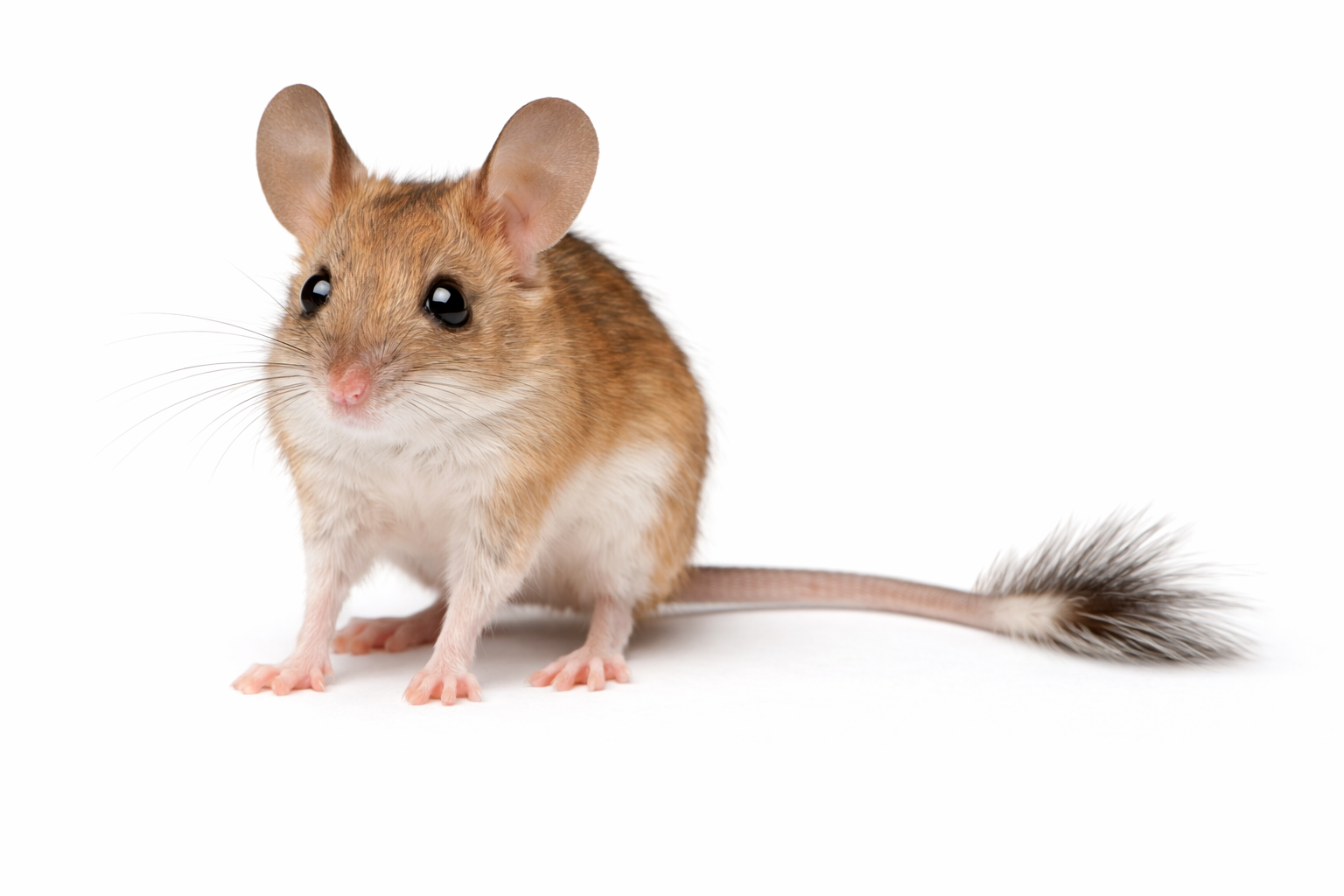
Native desert rodent known for its jumping movement.
The Spinifex Hopping Mouse is a fascinating native Australian rodent adapted to life in arid and semi-arid environments. Its powerful hind legs allow it to move in a series of long hops similar to a tiny kangaroo, making it well suited to travelling across sandy landscapes. This species feeds primarily on seeds, grasses and other native vegetation while helping disperse plant species throughout its habitat. Spinifex Hopping Mice rarely come into contact with people and are not considered household pests. They do not invade homes or damage buildings and should be appreciated as an important part of Australia’s unique wildlife. Correct identification is recommended where small rodents are encountered, as native hopping mice are sometimes confused with introduced pest species. In almost every circumstance they should be left undisturbed.
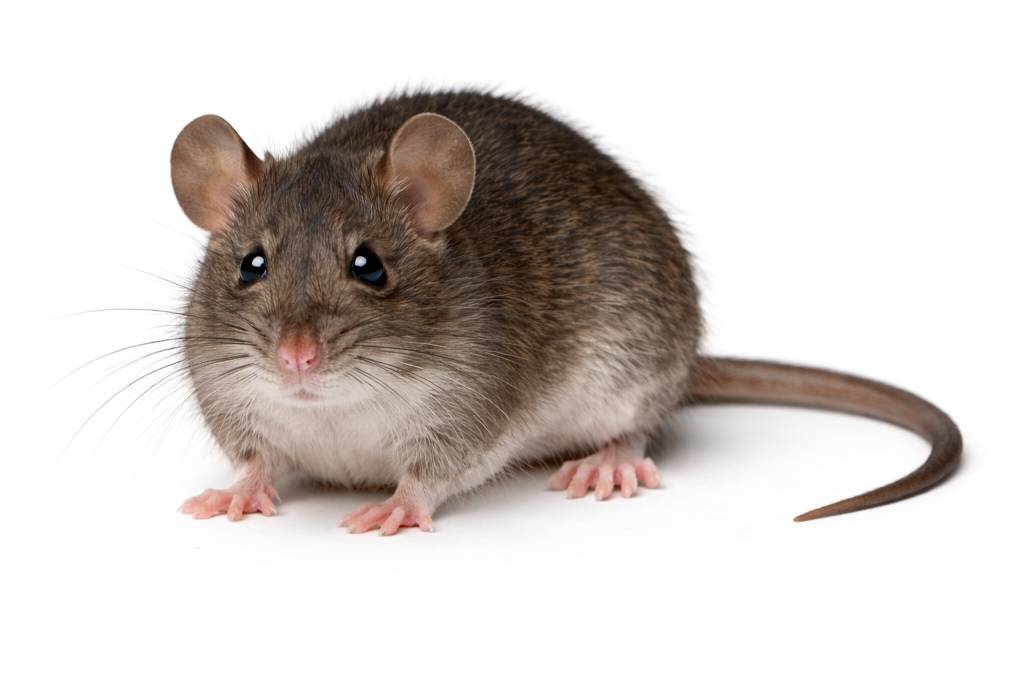
Native rodent species found in coastal wetlands and waterways.
The Water Mouse is a rare and protected native Australian rodent found in Queensland’s coastal wetlands, mangrove forests and tidal estuaries. It is an excellent swimmer that feeds on crabs, shellfish and other aquatic animals while constructing distinctive mud nests above the high tide mark. Because of habitat loss and environmental pressures, the Water Mouse is considered an important conservation species and is protected under Australian wildlife legislation. It is not a household pest and poses no threat to homes, buildings or food supplies. Most people will never encounter this elusive animal due to its secretive behaviour and specialised habitat requirements. If a Water Mouse is observed, it should be left undisturbed and appreciated as an important indicator of healthy wetland ecosystems. Professional wildlife authorities should be contacted only where conservation advice or assistance is required.
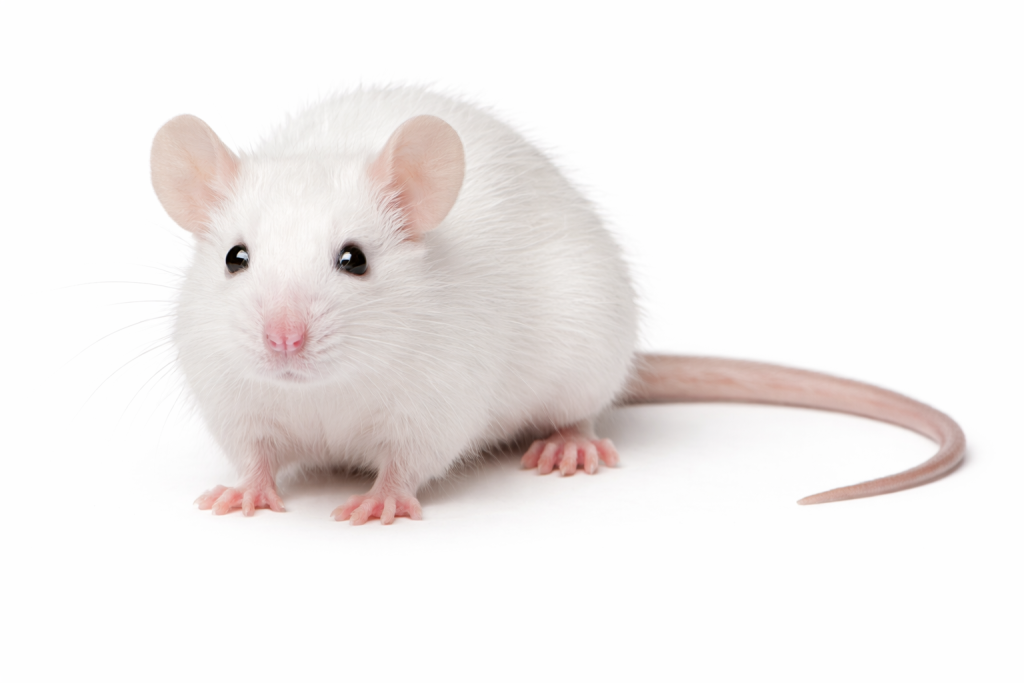
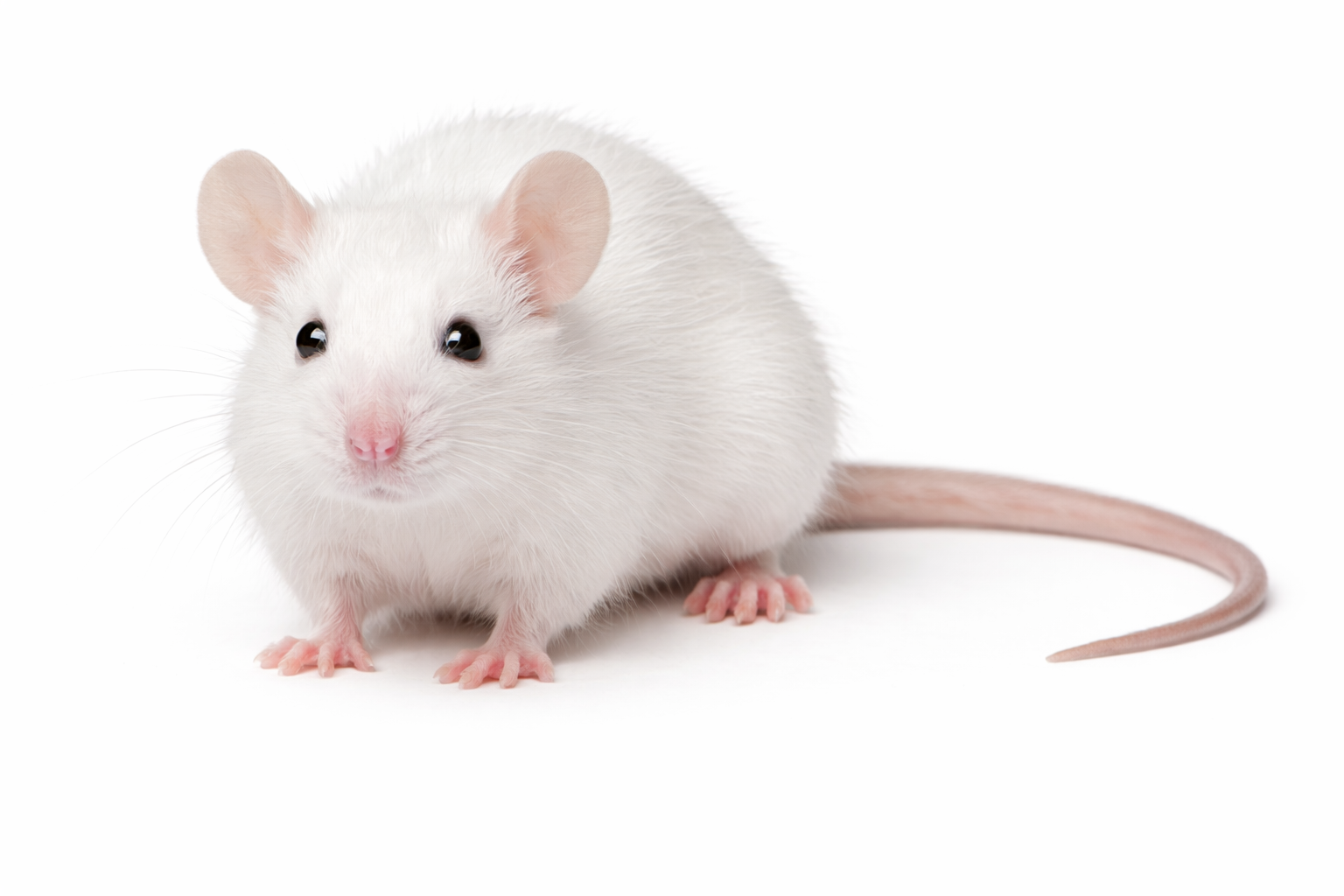
Small rodent commonly kept as pets but can be found in homes.
White Mice are domesticated forms of the common House Mouse and are widely kept as pets, laboratory animals and educational animals throughout Australia. Unlike wild mice, White Mice are generally dependent on people for food and shelter and are not naturally found living in the wild. Occasionally, escaped or released pet mice may survive for a short time inside homes, sheds or other buildings where they seek warmth, food and protection. Although they are usually tame and far less cautious than wild mice, they are still capable of contaminating food and surfaces with urine and droppings if they become established indoors. In most situations, a single White Mouse found inside a home is likely to be an escaped pet rather than a developing infestation. If multiple mice are present or breeding is suspected, professional rodent inspection is recommended to determine whether wild House Mice are also involved. Humane capture and removal is generally the preferred approach for escaped pet mice, while larger infestations require a comprehensive rodent management program.