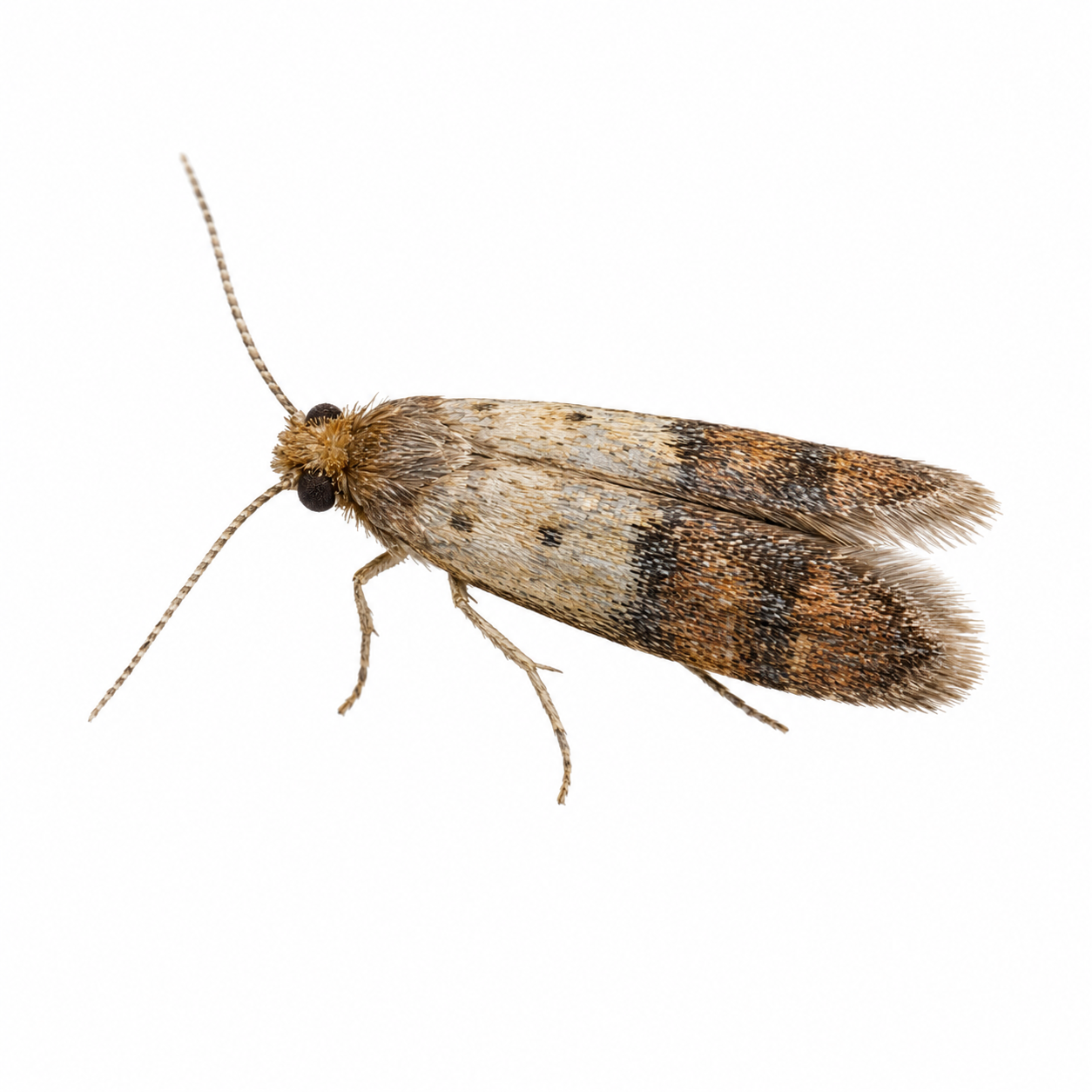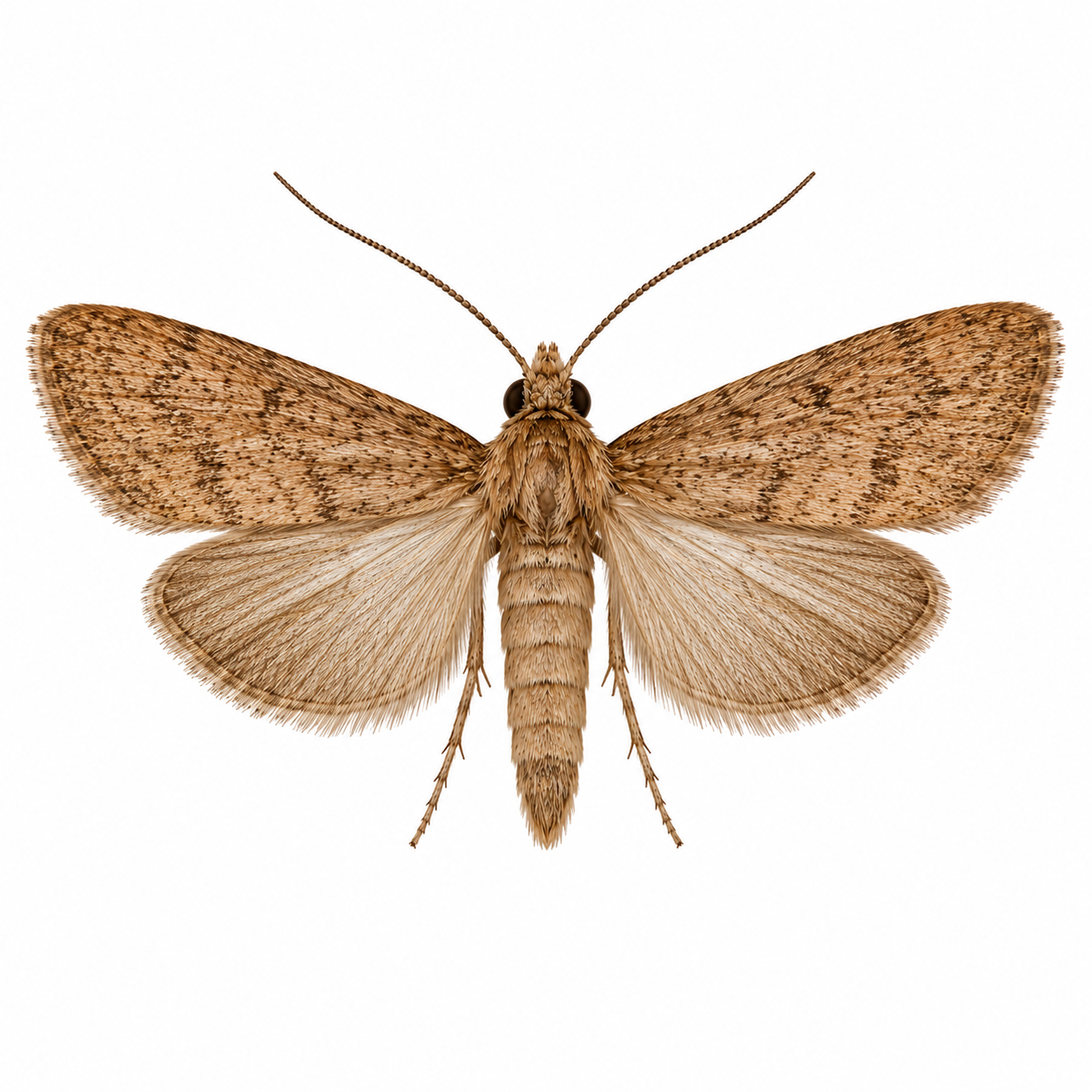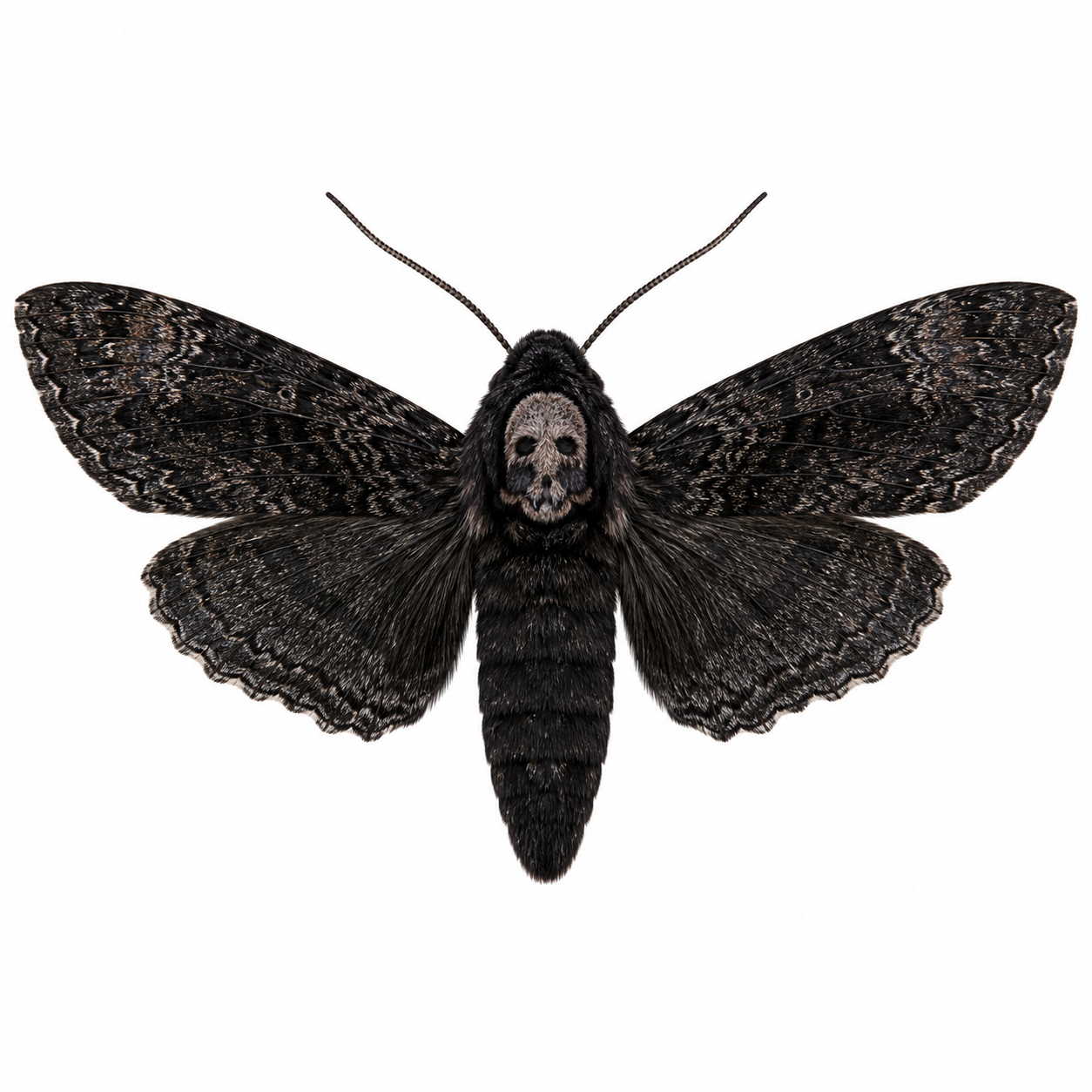
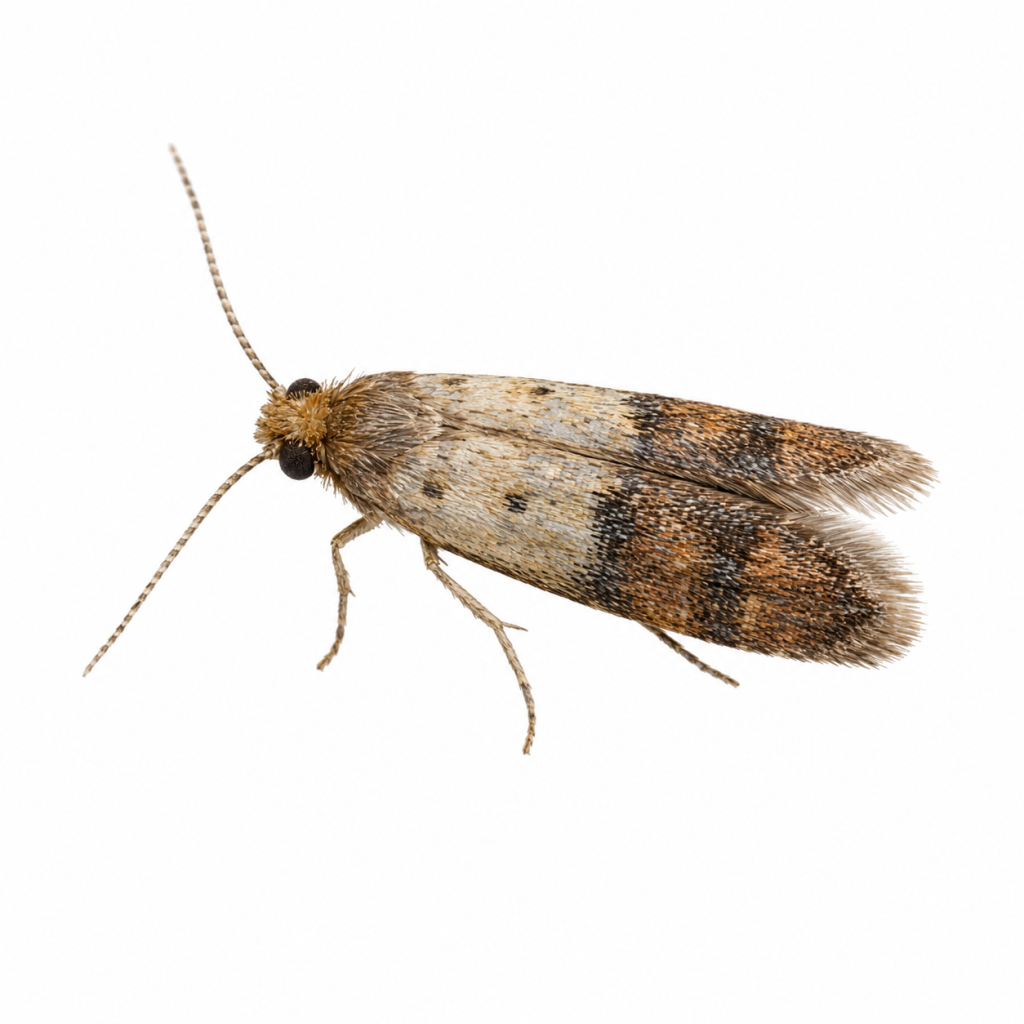
Small household moth commonly found in wardrobes, carpets and stored fabrics where larvae may cause damage.
The Common Clothes Moth is a small household pest whose larvae feed on natural fibres such as wool, silk, fur, feathers and carpets. Common throughout Queensland homes, these moths are often found in wardrobes, cupboards, storage boxes and under furniture where fabrics remain undisturbed for long periods. Adult moths themselves do not damage clothing; it is the larvae that create irregular holes while feeding. Signs of infestation may include small silk webbing, discarded larval cases and damaged garments. Regular cleaning, vacuuming, washing stored clothing and using airtight storage containers can help prevent infestations. Where extensive damage has occurred or moth activity continues despite cleaning, professional pest management can identify the source and recommend appropriate treatment.
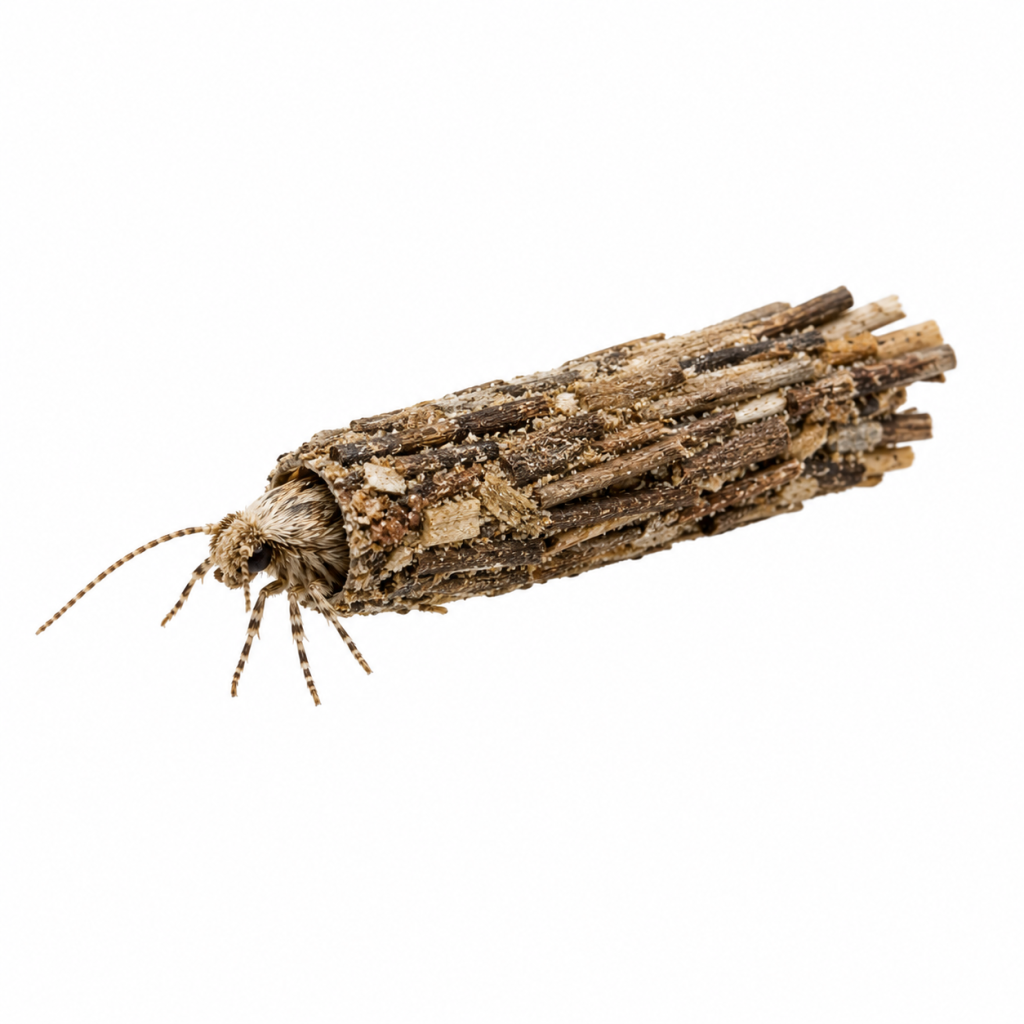
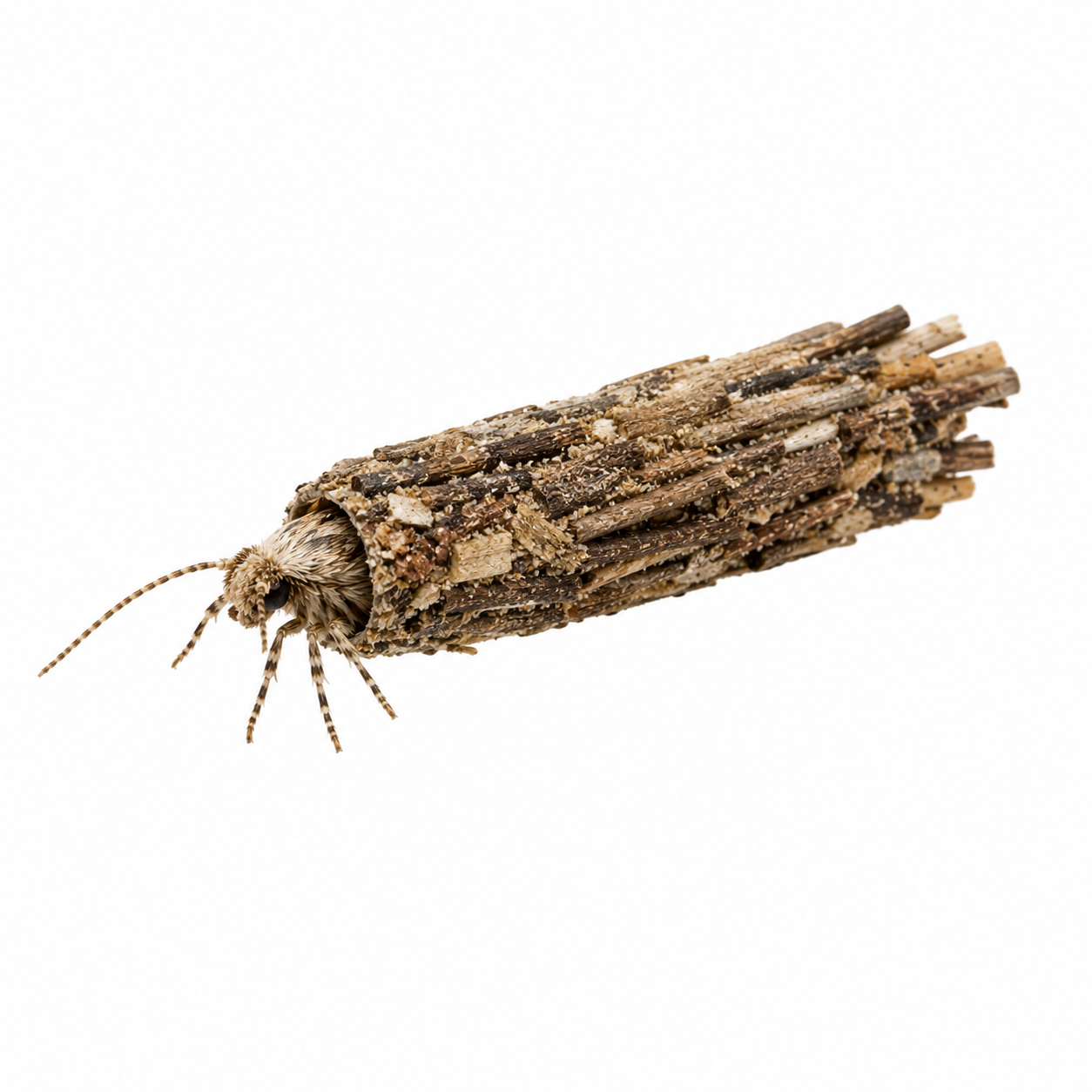
Moth species known for creating protective cases from leaves, twigs and surrounding materials.
The Case Moth, also known as the Bag Moth, is recognised for the protective case constructed by its caterpillar from leaves, twigs, bark and other natural materials. These cases are carried wherever the larvae move, providing both camouflage and protection from predators. Case Moths are commonly found on trees, shrubs, fences and garden plants throughout Queensland. Most species cause only minor feeding damage and form part of Australia’s diverse native insect fauna. Occasionally larger populations may defoliate ornamental plants, but significant damage is uncommon in residential gardens. Removing heavily infested branches and encouraging natural predators usually provides adequate control. Professional pest management is rarely required unless valuable landscape plants are experiencing widespread defoliation.
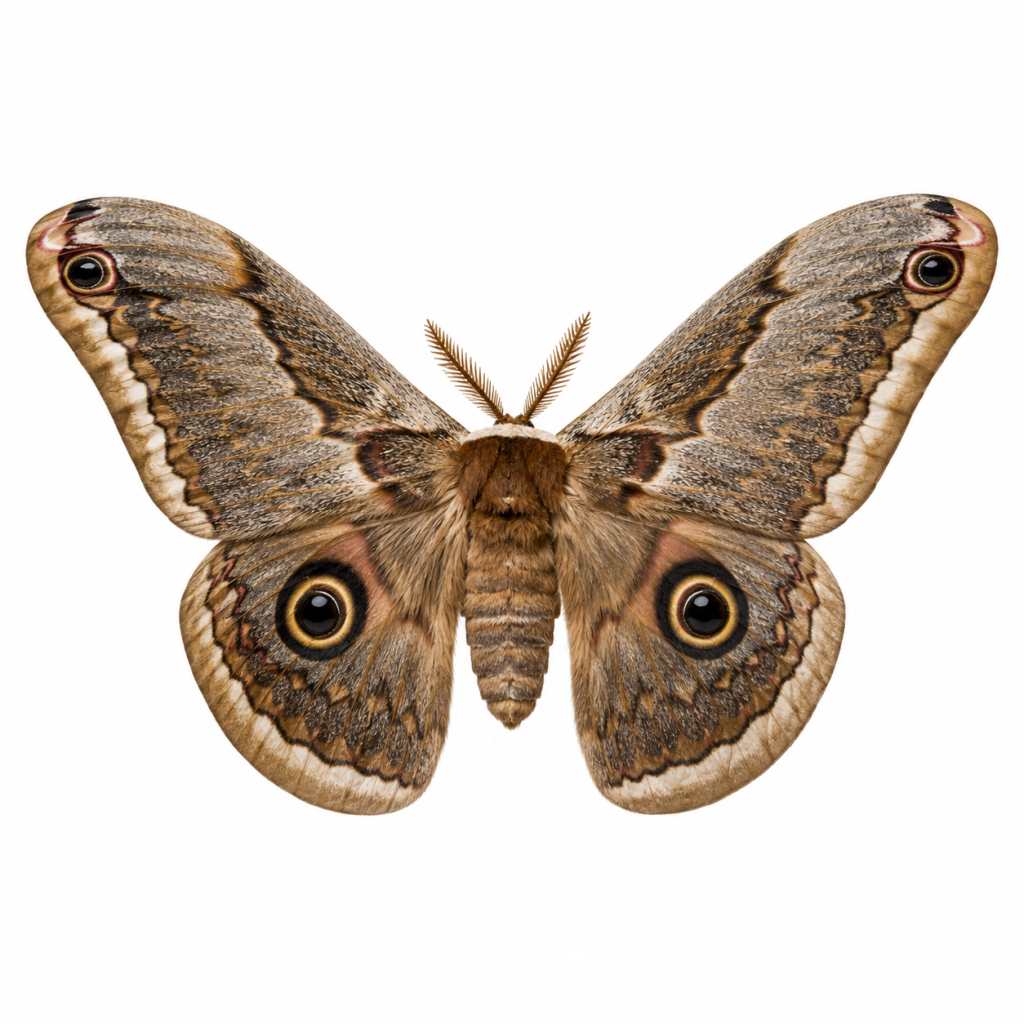
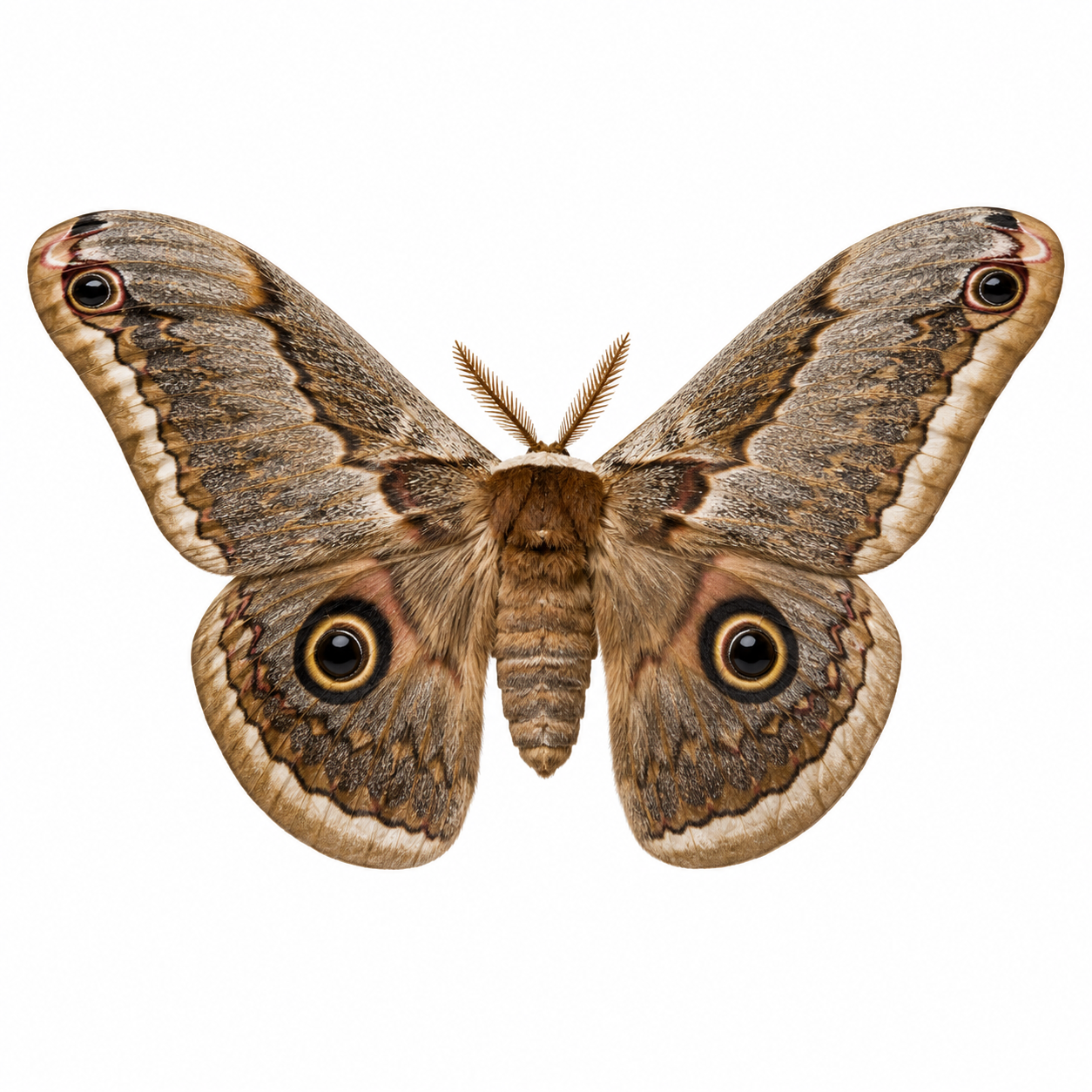
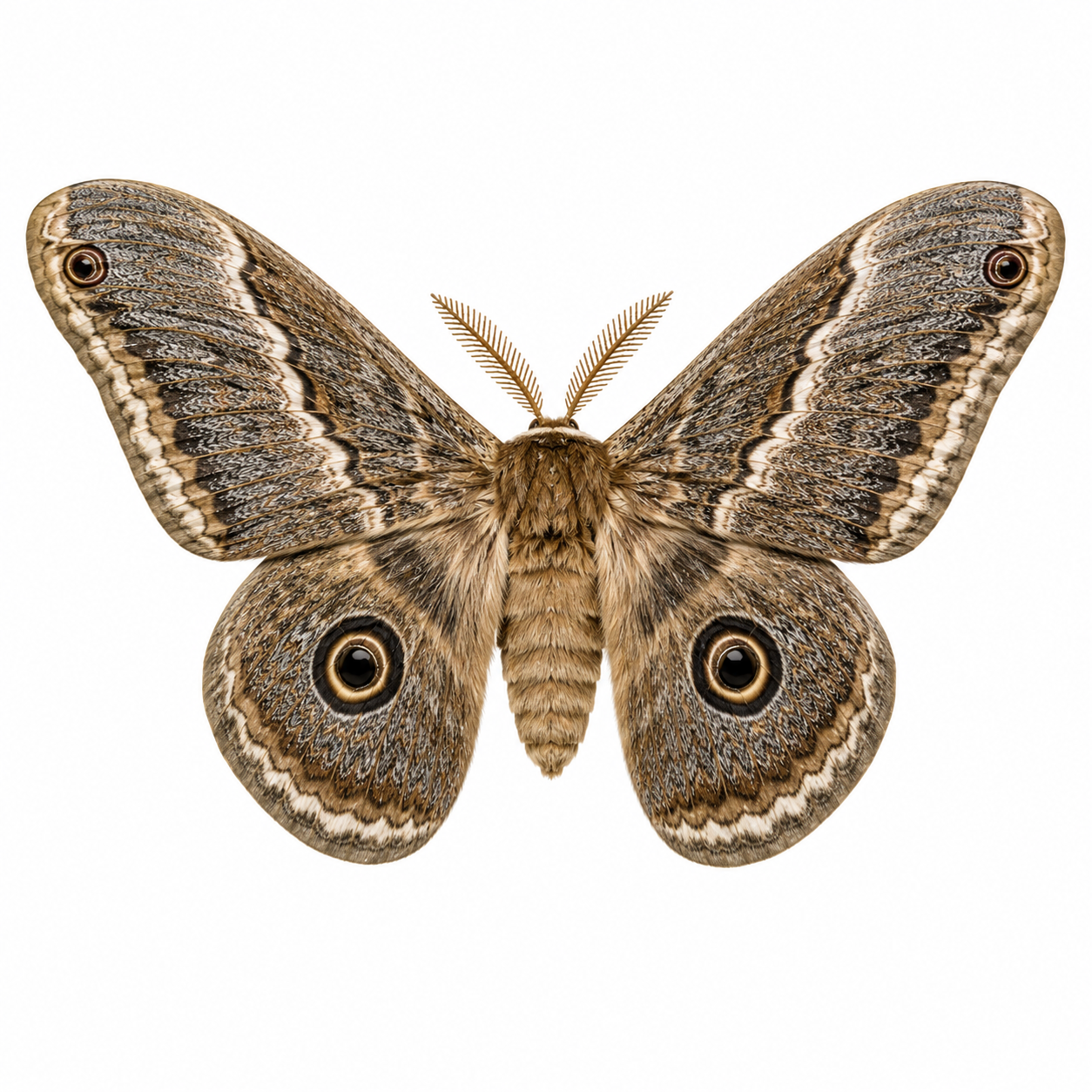
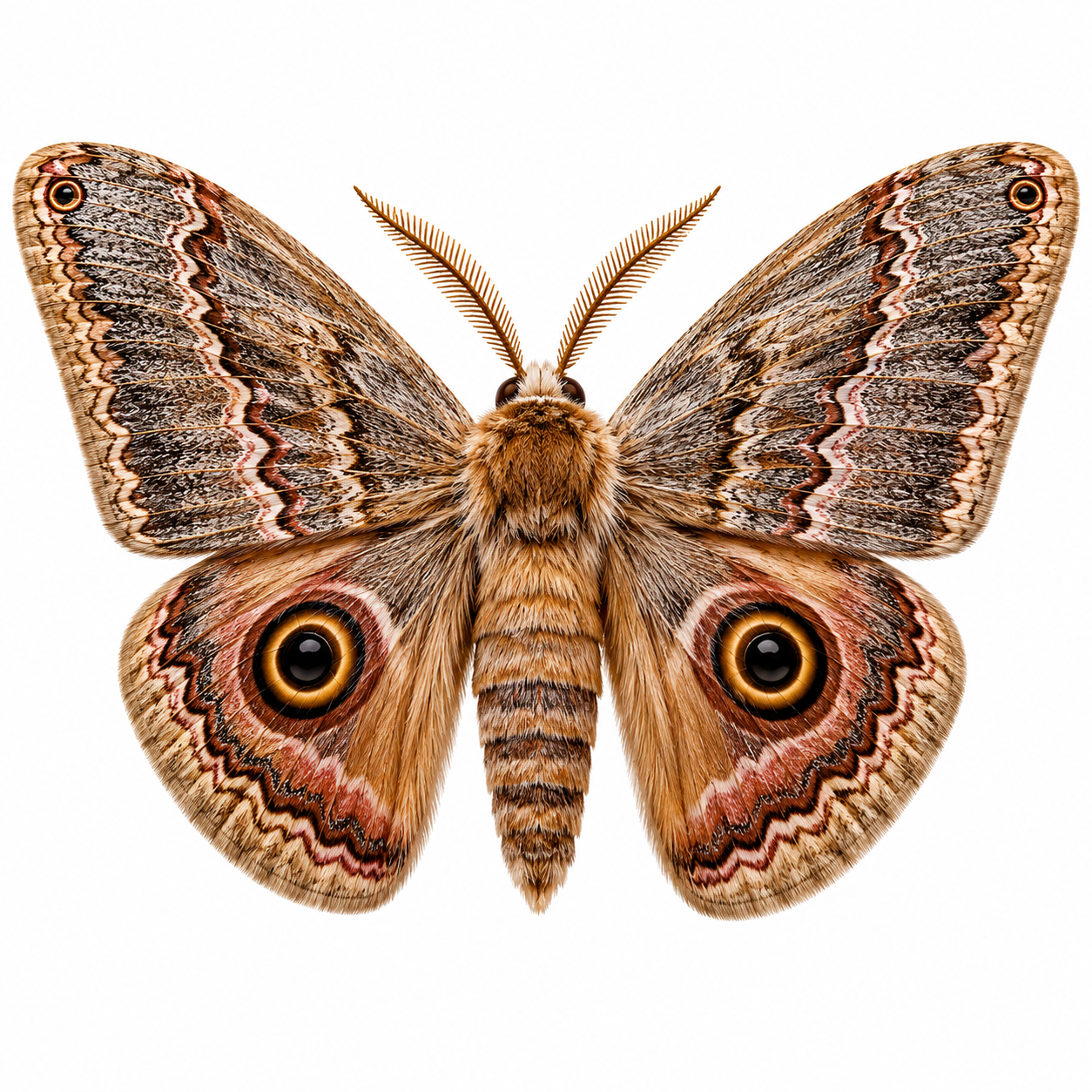
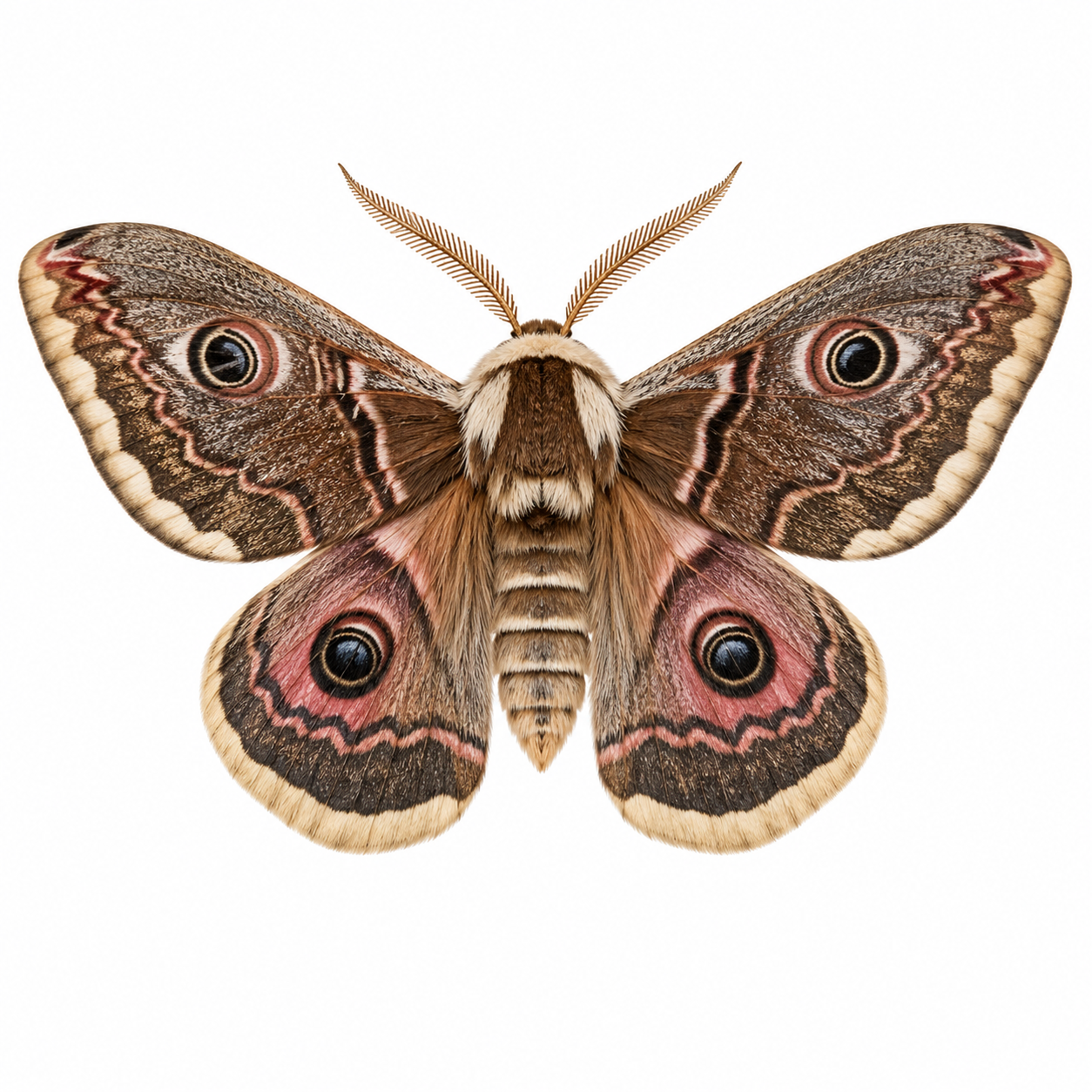
One of Australia’s largest moth species, recognised for its impressive size and distinctive appearance.
The Giant Wood Moth is one of Australia’s largest moth species and is renowned for its impressive wingspan and heavy-bodied appearance. Adults are occasionally seen resting on tree trunks or buildings after emerging from their underground pupal stage. While the adult moth lives only a short time and does not feed, its larvae spend several years developing inside the trunks and roots of certain native trees. Despite their size, Giant Wood Moths are harmless to people and are considered an important part of Australia’s unique insect biodiversity. They do not infest homes, clothing or stored products, and no pest control is normally required. Observing one of these remarkable insects is considered a special experience by many nature enthusiasts.
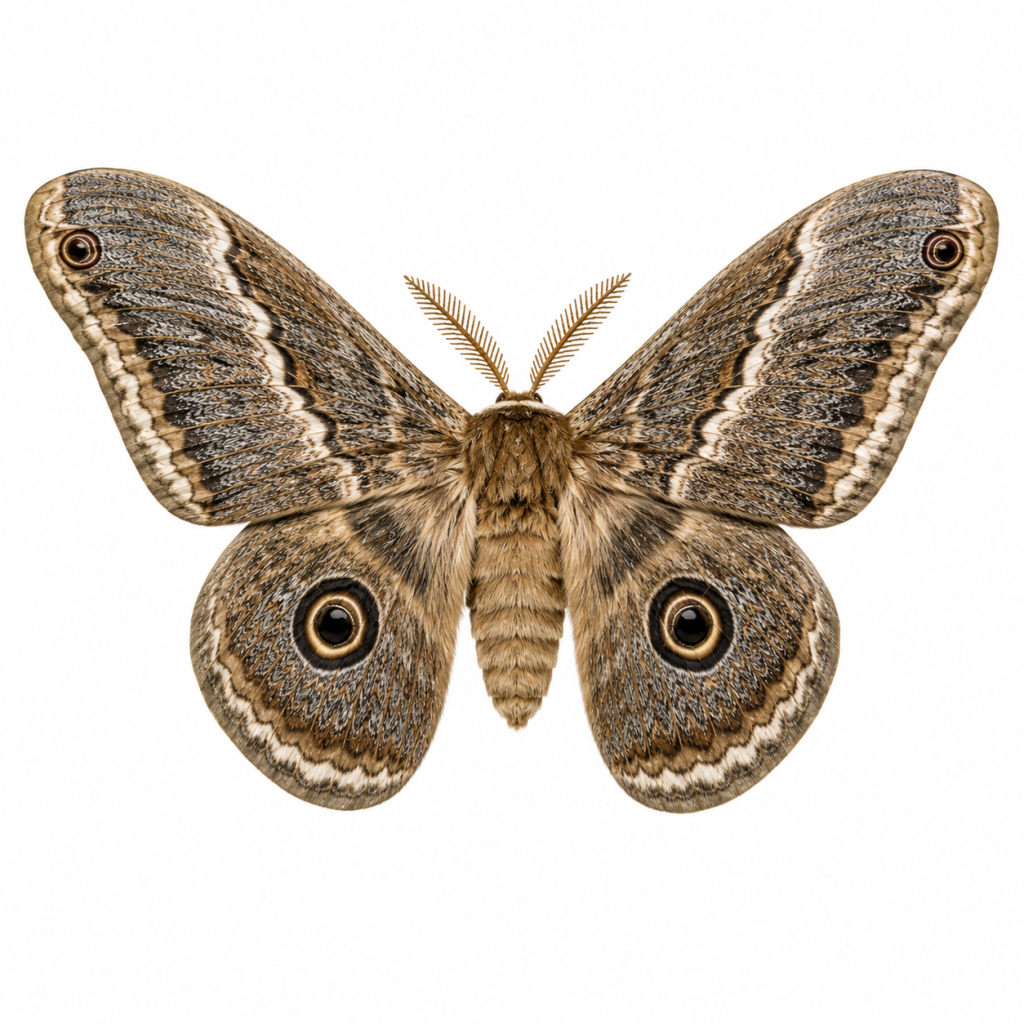
Large native Australian moth recognised for its pale green wings and prominent eye-like markings.
The Emperor Gum Moth is one of Australia’s most beautiful native moths, recognised by its pale green wings and striking eye-like markings that help deter predators. Common throughout Queensland where eucalyptus trees grow, the caterpillars feed on gum tree foliage before transforming into spectacular adult moths. Although heavy caterpillar feeding may occasionally reduce foliage on individual trees, healthy eucalyptus trees usually recover naturally without long-term damage. Adult Emperor Gum Moths do not feed and survive only long enough to reproduce. They are harmless to people, contribute to Australia’s biodiversity and should generally be appreciated rather than treated as pests. Pest management is rarely required except in unusual cases involving severe defoliation of young ornamental trees.
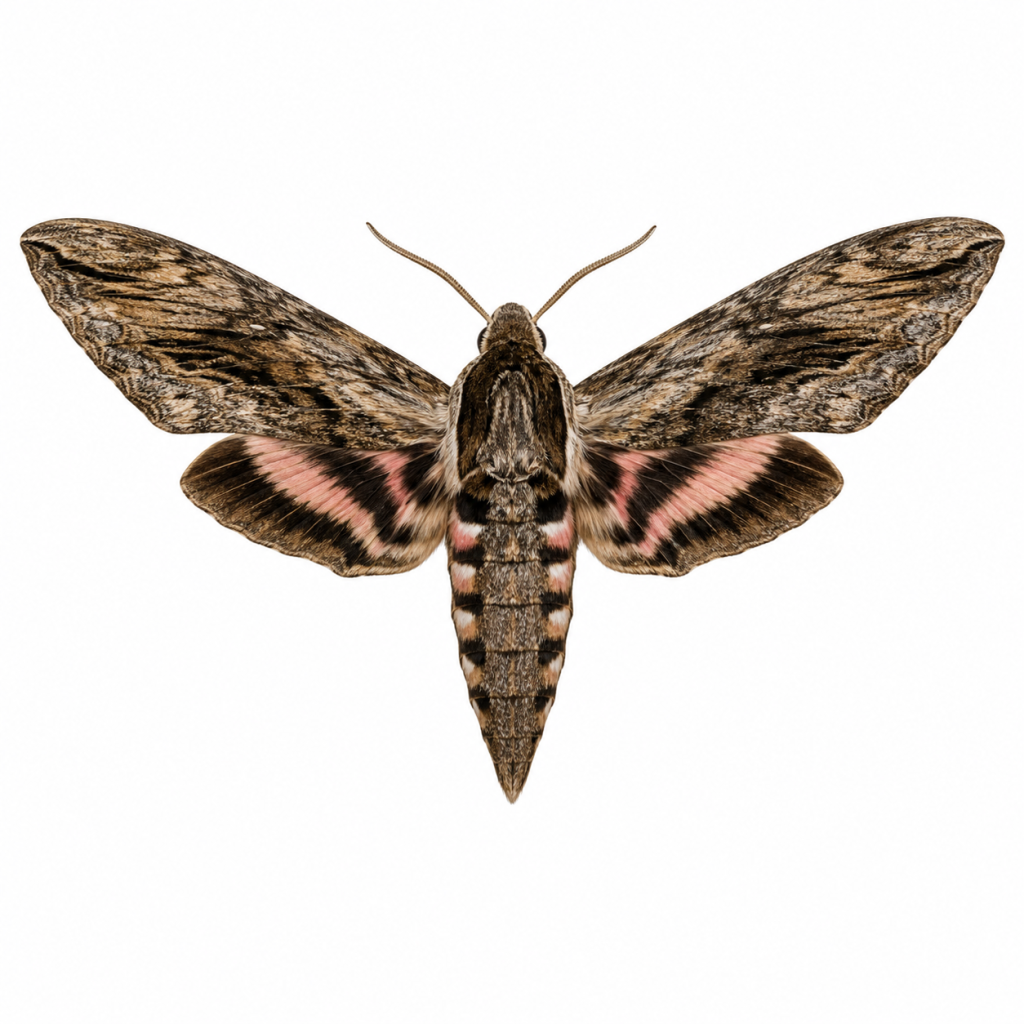
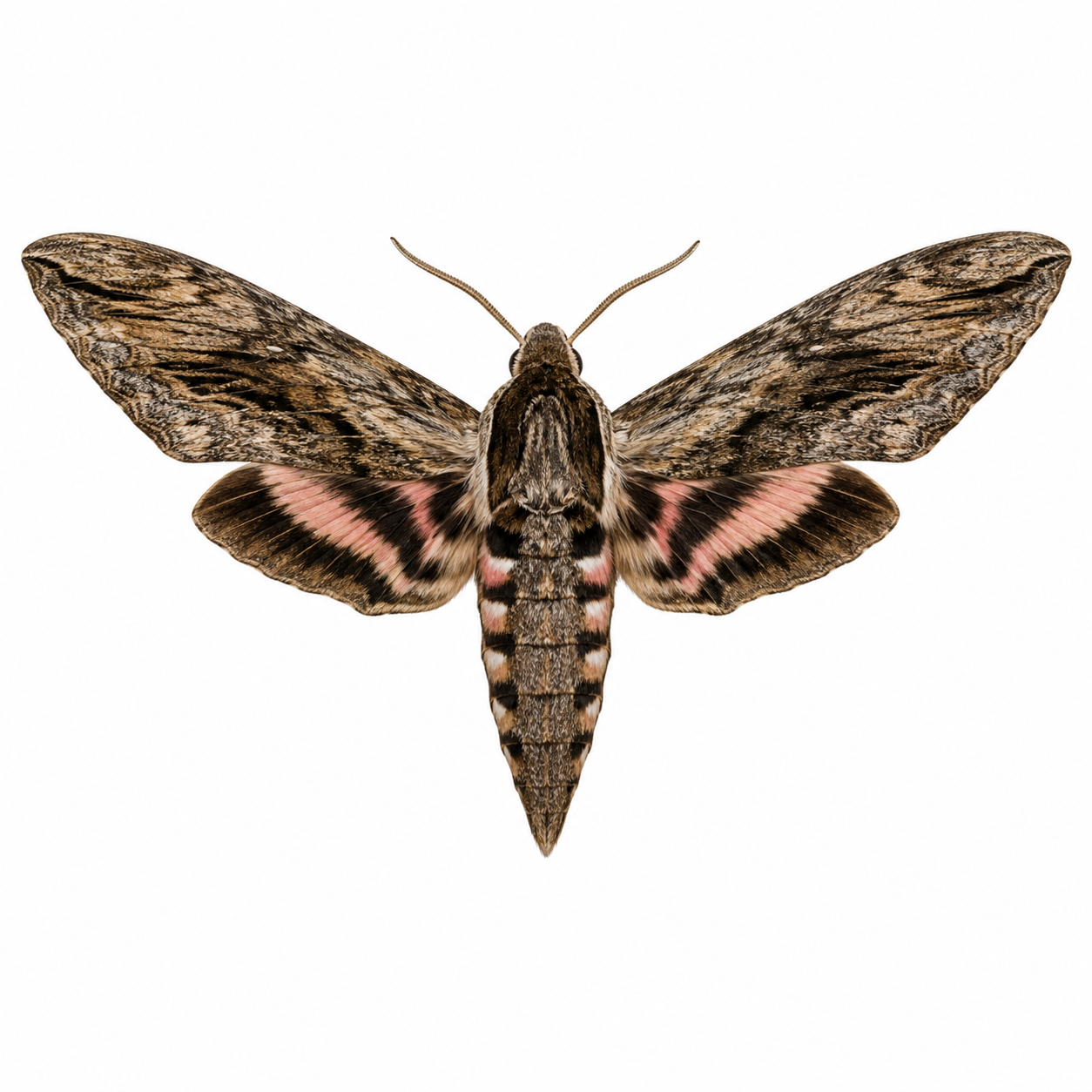
Fast-flying moth species known for its streamlined body and hovering flight behaviour.
Hawk Moths are powerful, fast-flying insects recognised for their streamlined bodies and remarkable ability to hover while feeding on flowers. Many species are active at dusk or during the night and play an important role as pollinators of native plants and garden flowers throughout Queensland. Their caterpillars feed on a variety of plants, although damage is generally minor and rarely threatens healthy gardens. Adult Hawk Moths are frequently attracted to outdoor lighting and may occasionally enter homes accidentally. They are harmless to people, do not damage buildings or stored products and provide valuable ecological benefits through pollination. In almost all situations Hawk Moths should be left undisturbed and appreciated as part of Australia’s diverse wildlife.
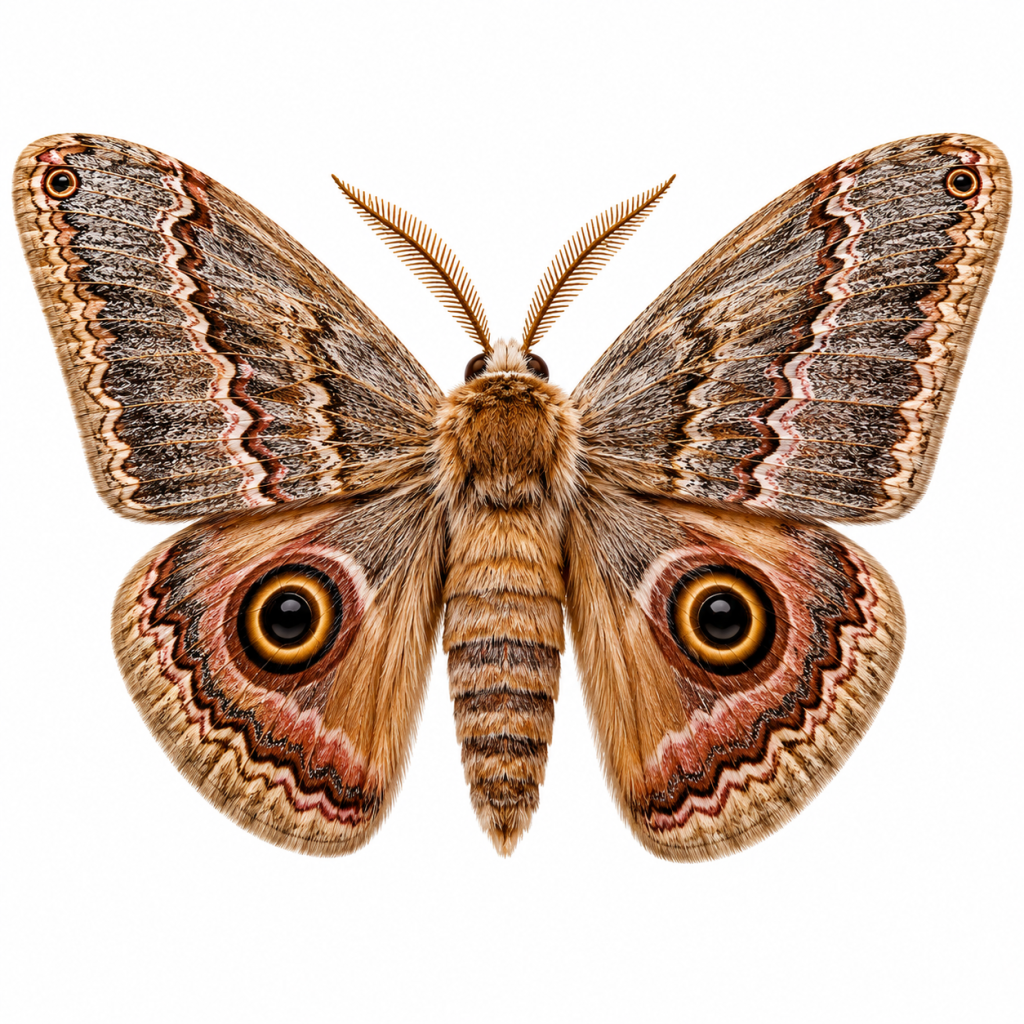
Migratory Australian moth famous for its seasonal movements and attraction to lights.
The Bogong Moth is one of Australia’s most famous migratory insects, undertaking remarkable seasonal journeys between breeding grounds and alpine regions. During migration, large numbers may be attracted to lights around homes, commercial buildings and public facilities throughout parts of Queensland. Although their sudden appearance can be surprising, Bogong Moths do not breed indoors, damage clothing or infest food supplies. Their presence is generally temporary and forms part of a natural migration cycle. Reducing unnecessary outdoor lighting and keeping doors and windows screened can minimise moths entering buildings. Once migration has passed, numbers usually decline naturally without the need for pest control.
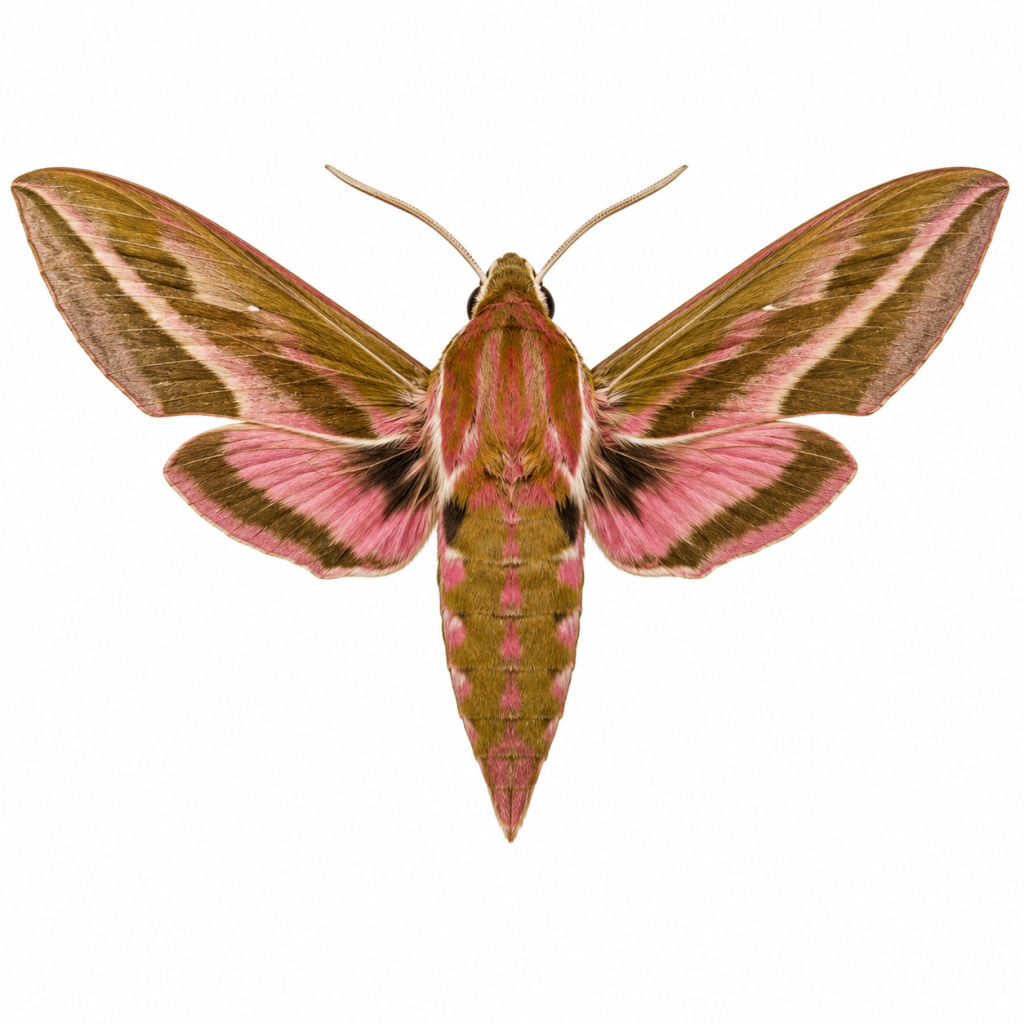
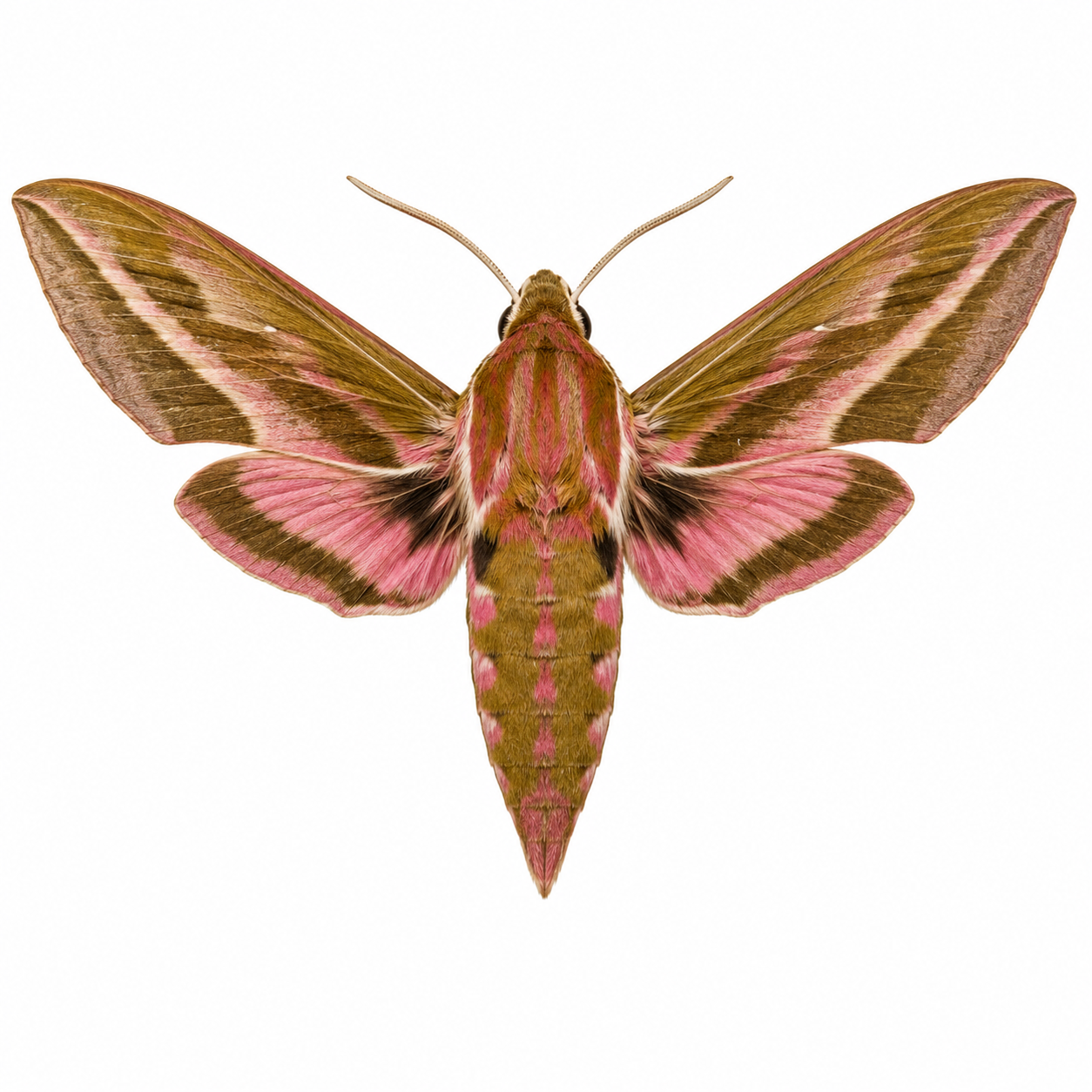
Colourful hawk moth recognised by its striking green, pink and cream wing patterns.
The Oleander Hawk Moth is a striking species recognised by its beautiful green, pink and cream wing patterns. Although originally associated with tropical regions, it is occasionally found throughout Queensland where suitable food plants are available. Adult moths are excellent fliers that hover while feeding on nectar from flowers, making them effective pollinators. The caterpillars feed mainly on oleander and related ornamental plants but rarely cause significant long-term damage to healthy shrubs. Oleander Hawk Moths are harmless to people and contribute to local biodiversity. Their colourful appearance makes them a welcome visitor for many gardeners and pest management is rarely necessary.
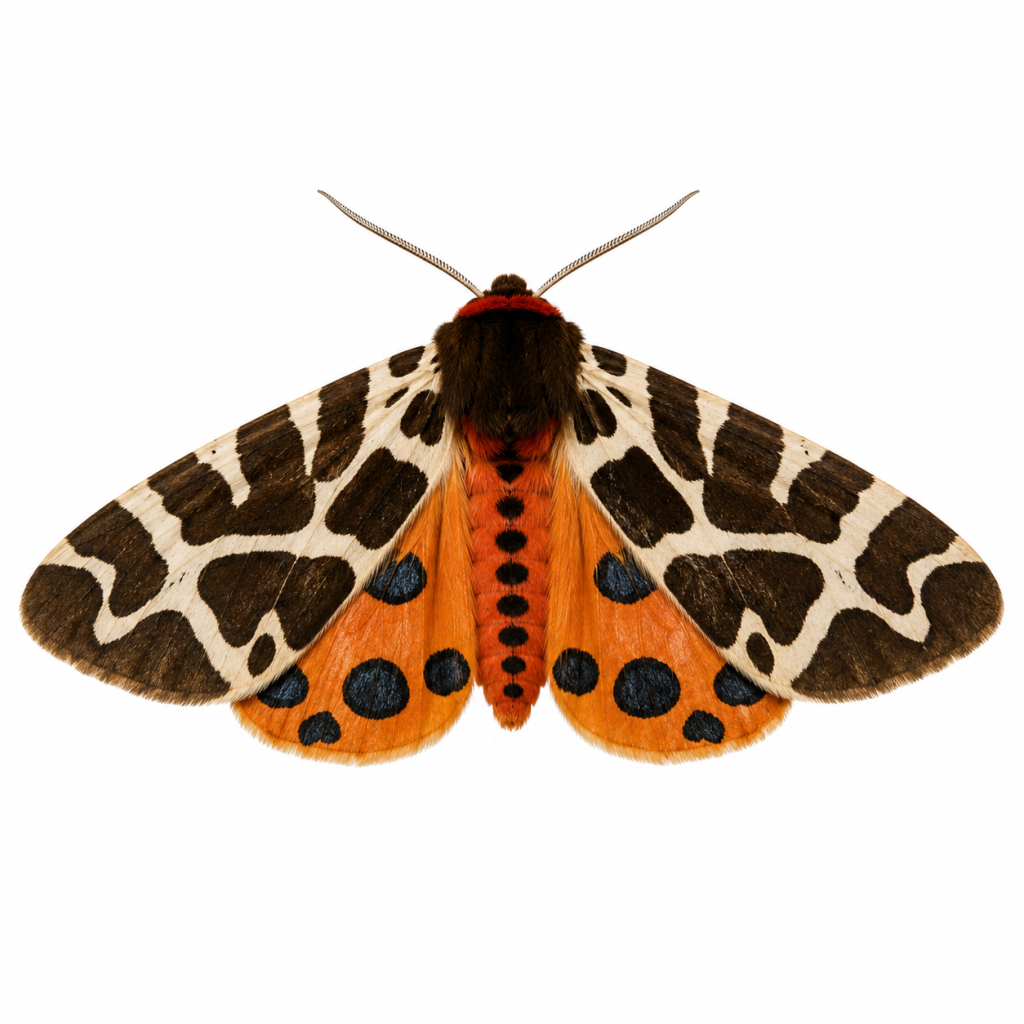
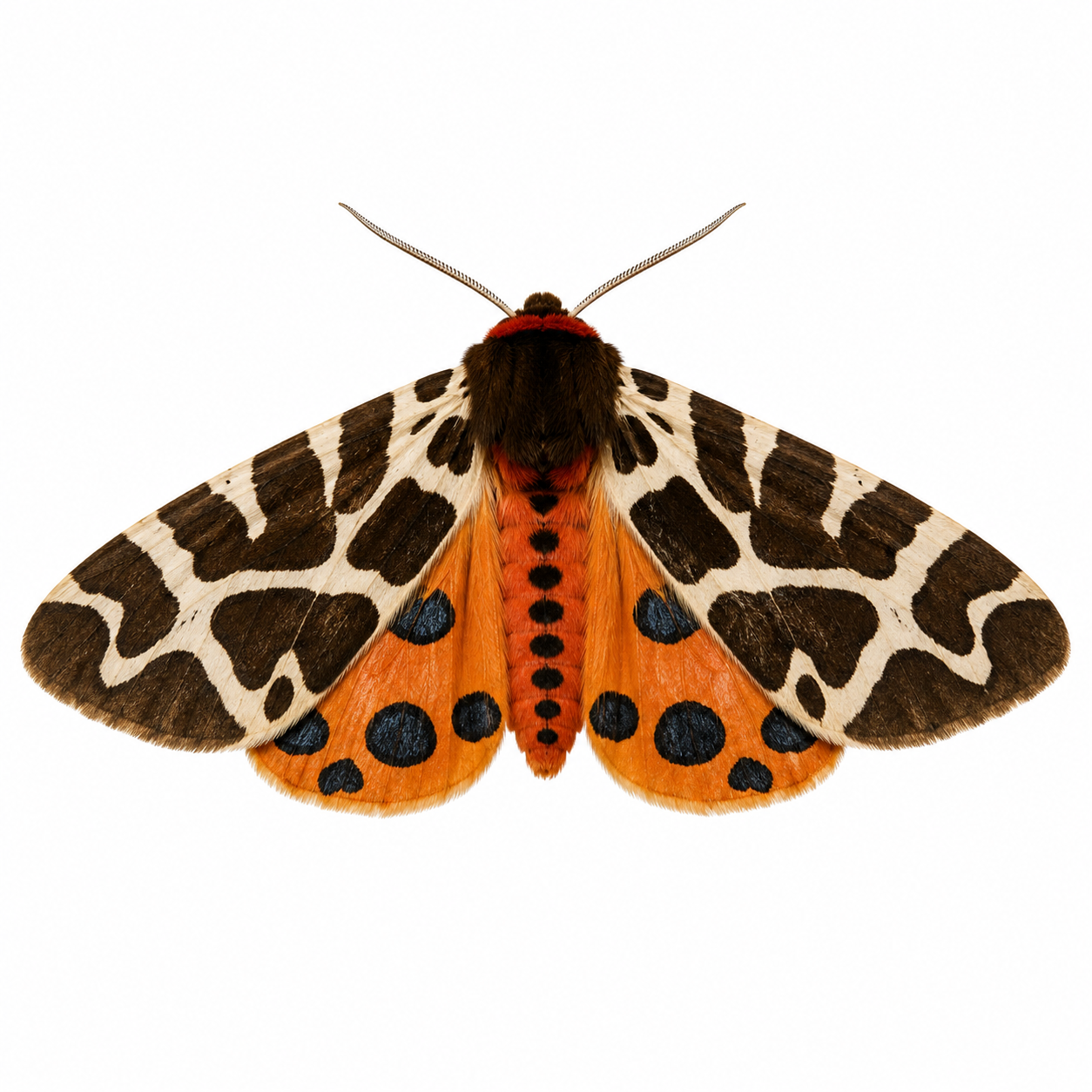
Brightly coloured moth species featuring patterned wings and vibrant hindwing markings.
Garden Tiger Moths are colourful insects recognised for their patterned forewings and brightly coloured hindwings, which act as a warning to predators. The caterpillars feed on a variety of low-growing plants and weeds, while adult moths are commonly attracted to lights during warmer months. Although caterpillars may occasionally feed on ornamental plants, damage is usually minor and temporary. Garden Tiger Moths are harmless to people, do not infest homes or stored products and form part of Australia’s natural insect diversity. Their presence in gardens generally requires no control measures and they should be appreciated as beneficial components of healthy ecosystems.
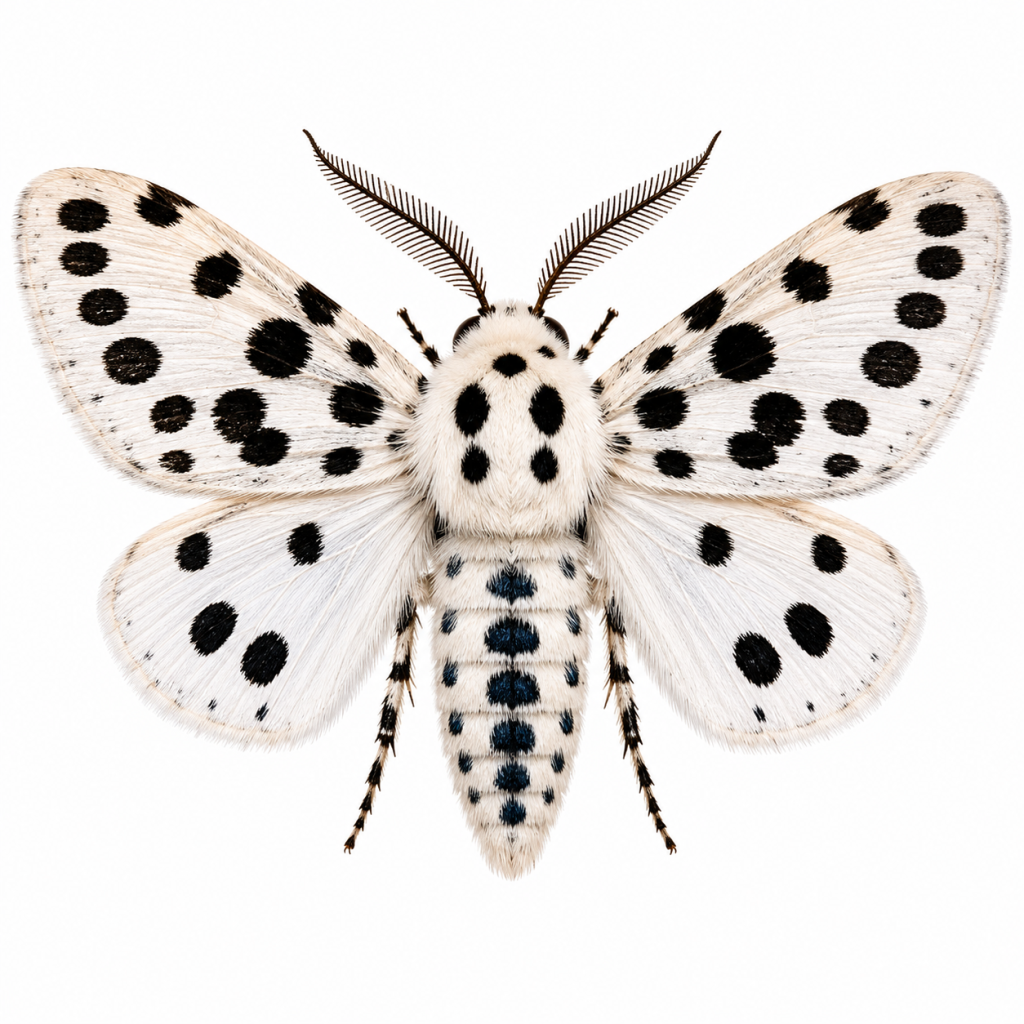
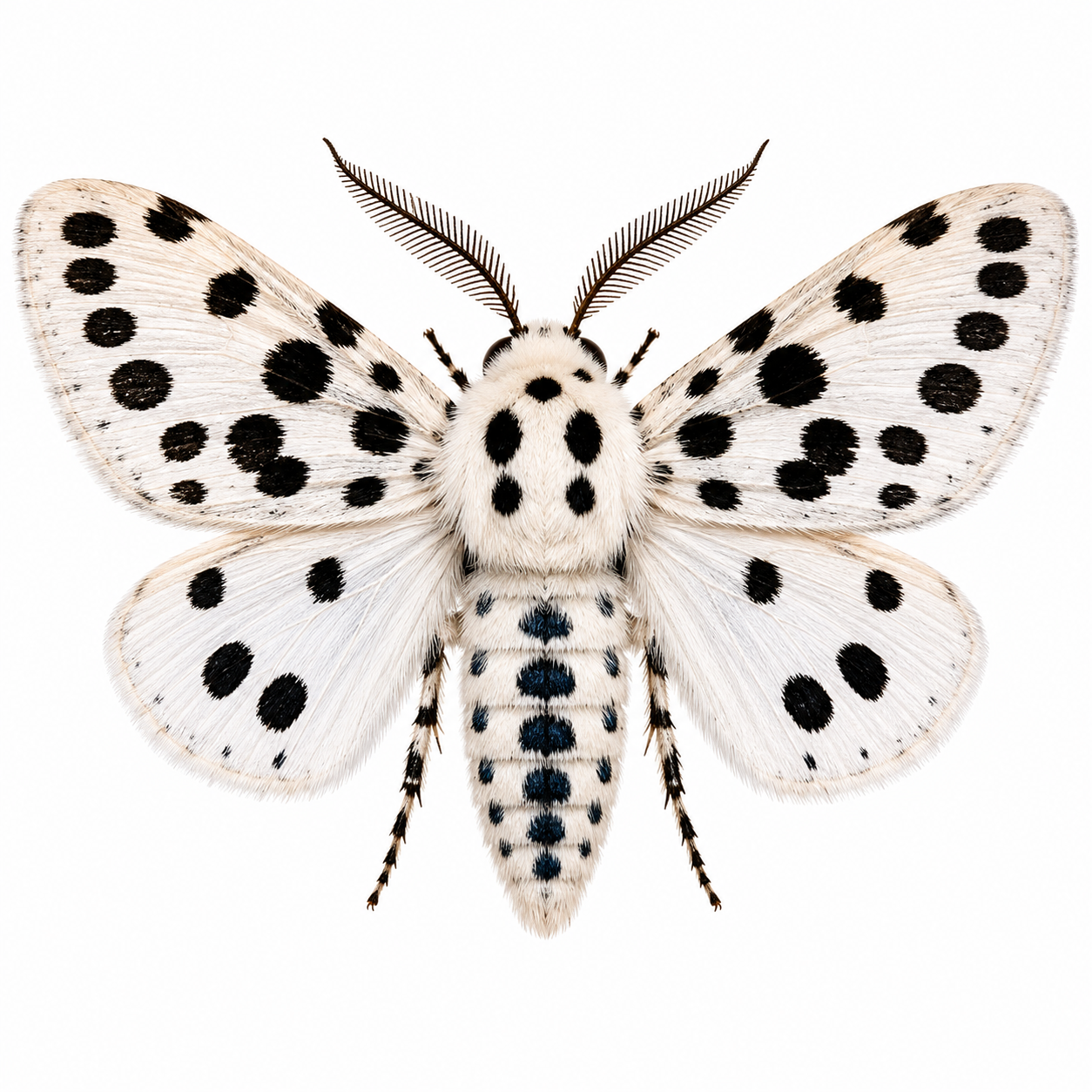
Attractive Australian moth recognised by its white wings marked with contrasting dark spots.
The White Cedar Moth is an attractive Australian species recognised by its white wings decorated with contrasting dark markings. It is commonly associated with White Cedar trees and other native vegetation where its larvae feed naturally on foliage. Adult moths are often attracted to lights and may occasionally rest on walls or windows around homes. They pose no threat to buildings, clothing or stored food and are considered harmless native insects. White Cedar Moths contribute to the diversity of Australia’s nocturnal wildlife and should generally be left undisturbed whenever encountered.
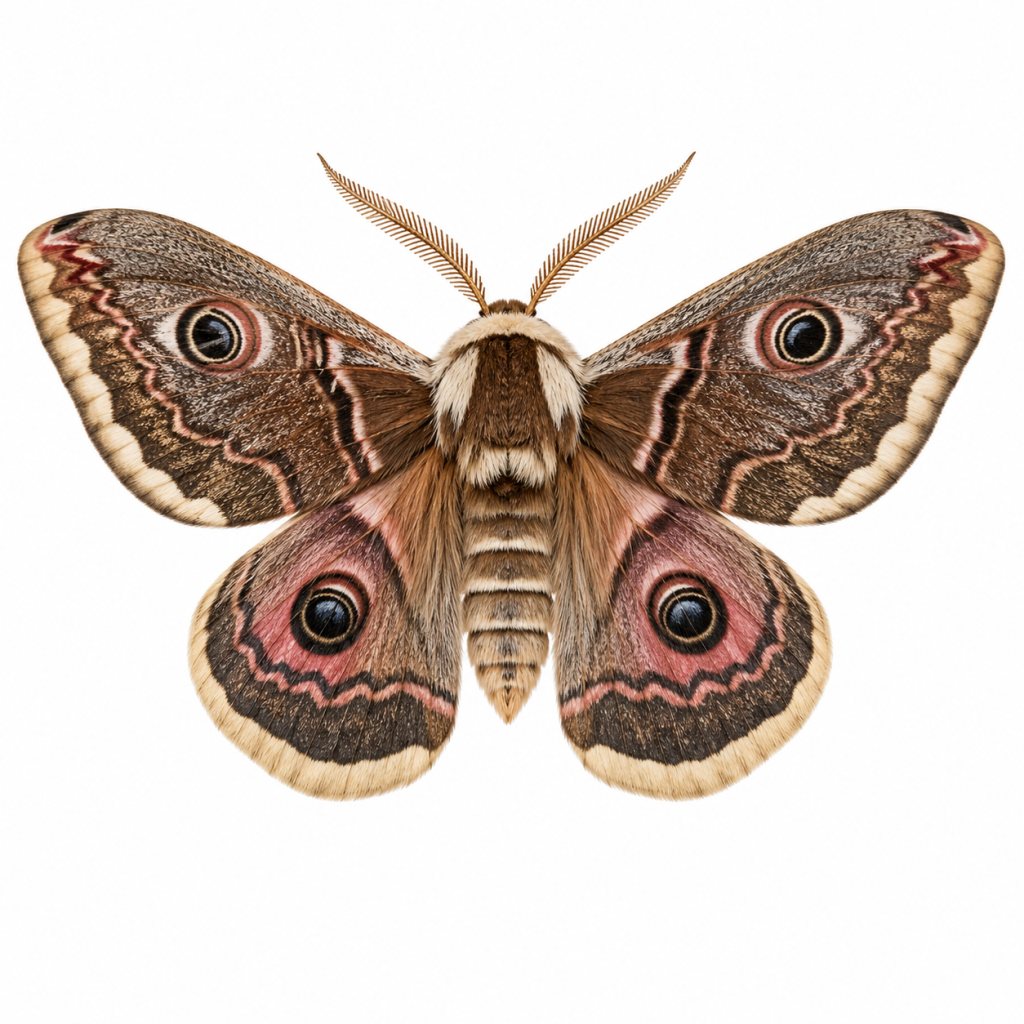
Large Australian moth often noticed after rainfall and associated with underground larvae.
Rain Moths are large native Australian moths often noticed after periods of rainfall when adults emerge to breed. Their larvae live underground for several years feeding on the roots of grasses and native plants before emerging as impressive adult moths. Although the adults are large and may appear intimidating, they do not bite, sting or damage property. Adult Rain Moths survive only briefly and do not feed during this stage of their life cycle. They are harmless to people and represent one of Australia’s fascinating native insects. No pest management is normally required when Rain Moths are encountered around homes or gardens.
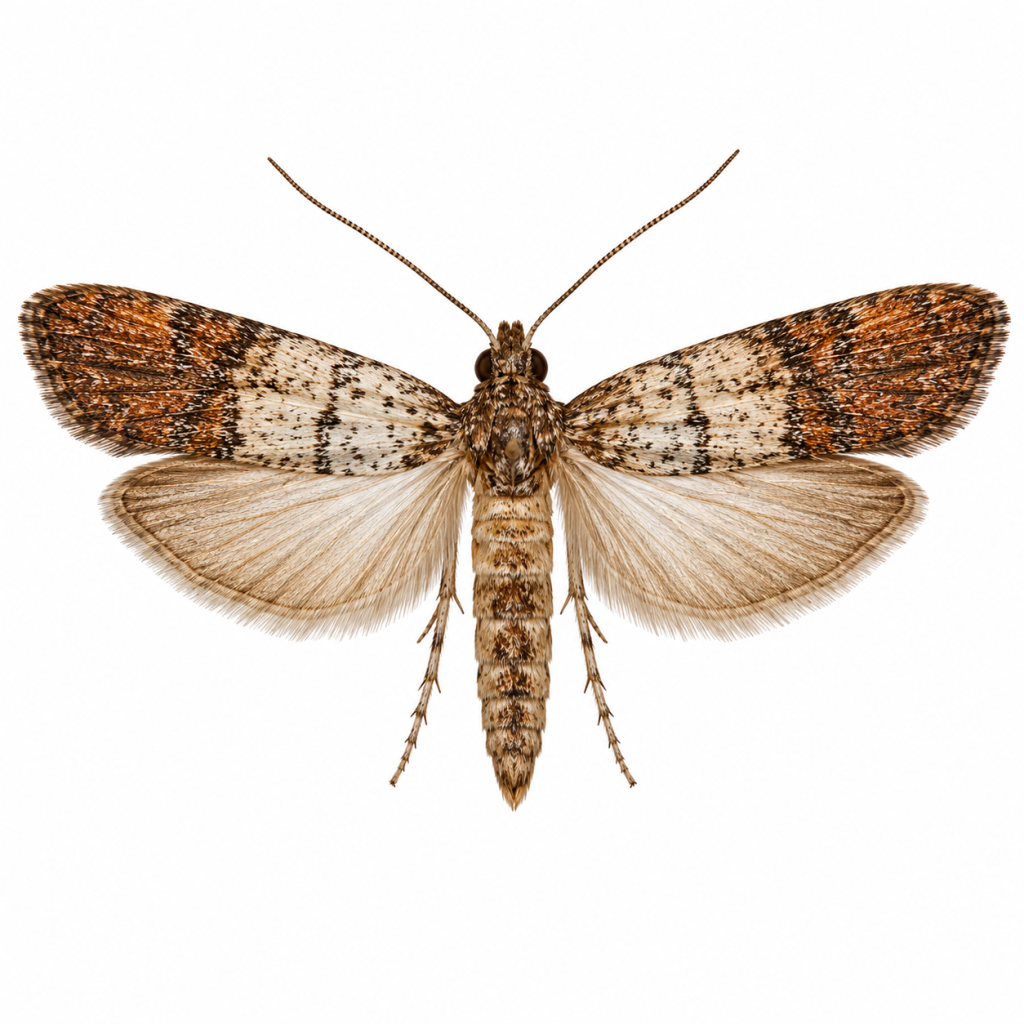
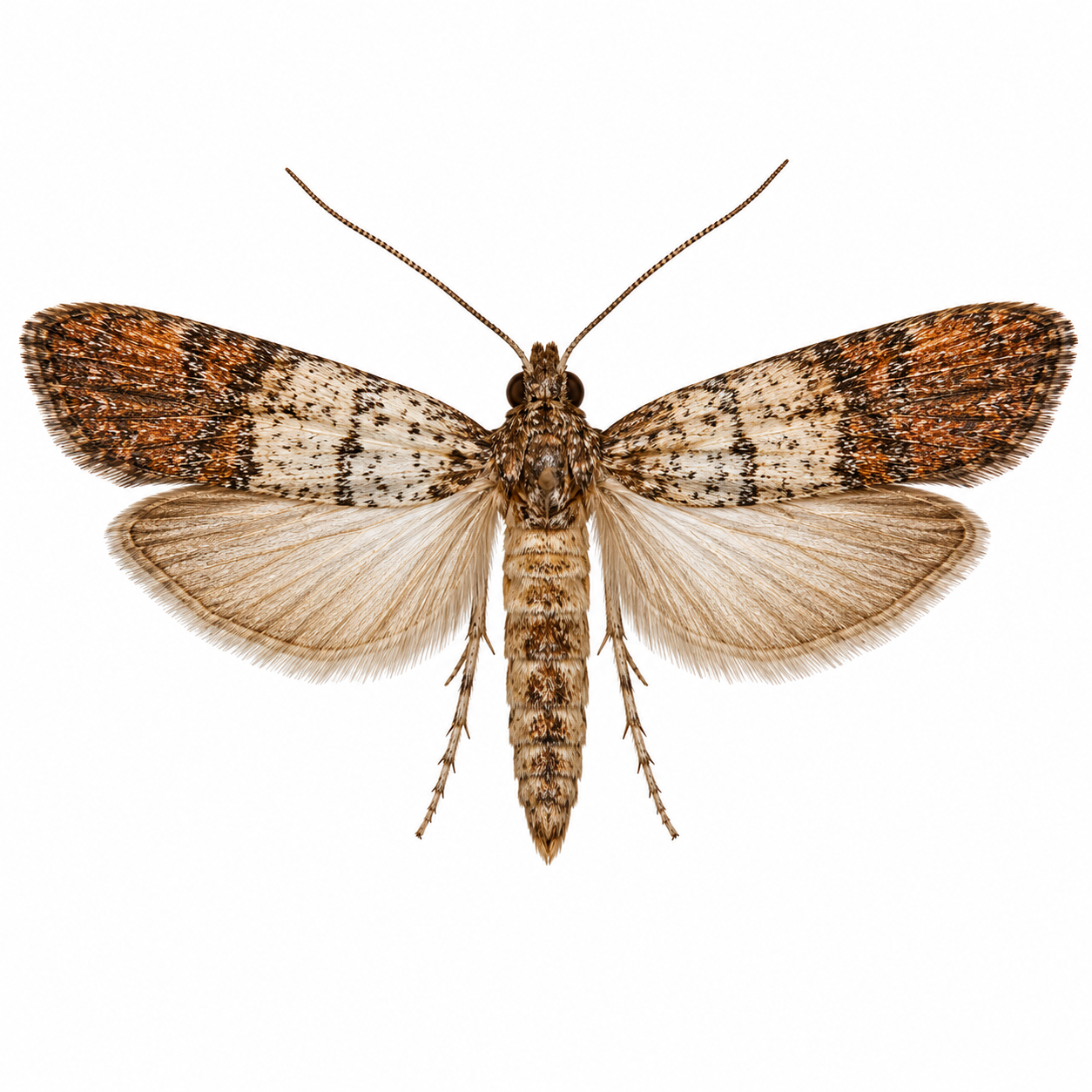
Common household pest found in stored food products, grains, cereals and dry goods.
The Pantry Moth, also known as the Indian Meal Moth, is one of the most common stored food pests found in Queensland homes. Larvae infest dry food products including flour, rice, cereals, pasta, nuts, dried fruit, pet food and bird seed, leaving behind silk webbing and food contamination. Adult moths are often seen flying around kitchens, pantries and cupboards after emerging from infested food. Effective control begins by locating and discarding contaminated products, thoroughly cleaning cupboards and storing all dry goods in airtight containers. Because even small infestations can spread rapidly, professional pest management may be beneficial where repeated infestations occur despite good hygiene practices.
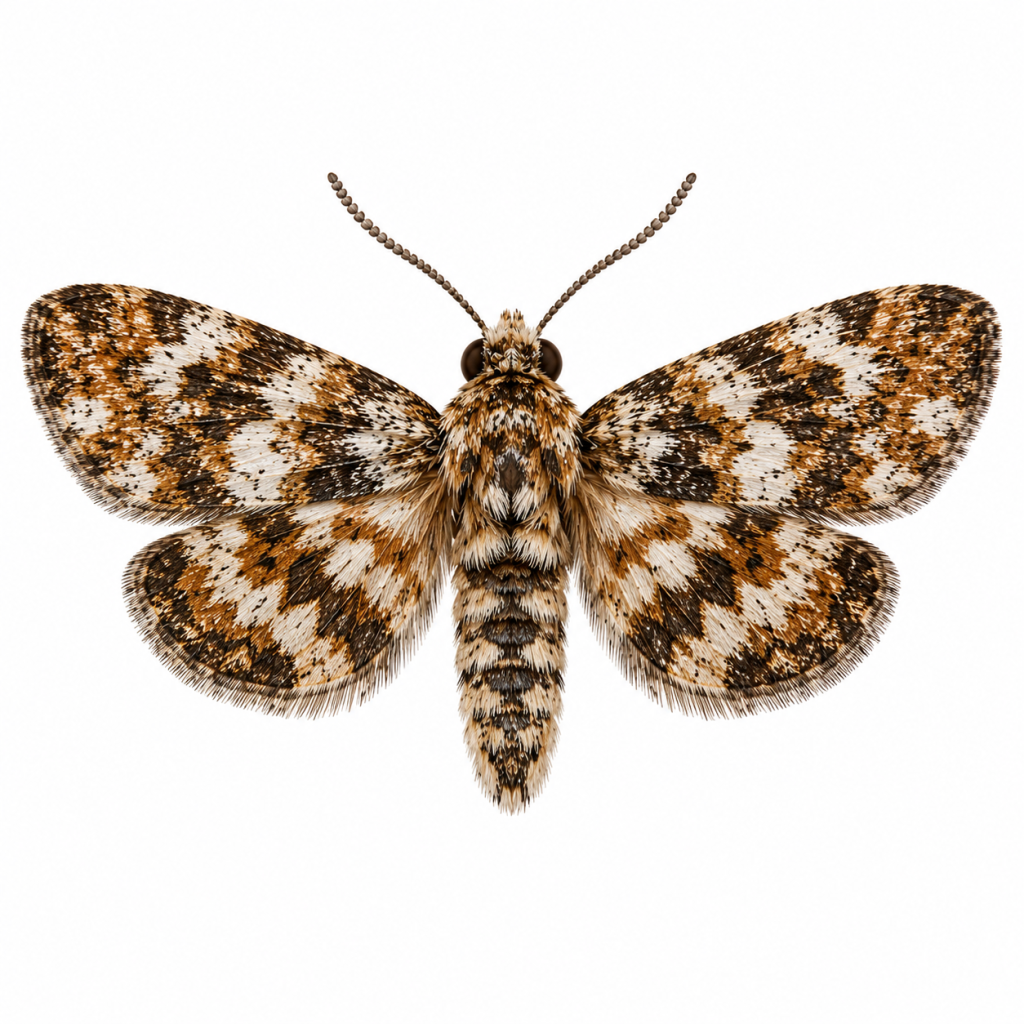
Fabric-damaging moth whose larvae may attack carpets, rugs, wool and natural fibres.
Carpet Moths are household pests whose larvae feed on natural fibres including wool carpets, rugs, upholstery and other fabric items. Damage often develops unnoticed beneath furniture or in dark, undisturbed areas where larvae remain protected while feeding. Unlike synthetic materials, natural wool products provide an ideal food source and may develop irregular holes over time. Regular vacuuming, rotating rugs, cleaning storage areas and inspecting valuable textiles can greatly reduce the risk of infestation. Where widespread fabric damage or persistent moth activity occurs, professional pest management can identify breeding locations and recommend appropriate treatment to protect valuable household furnishings.
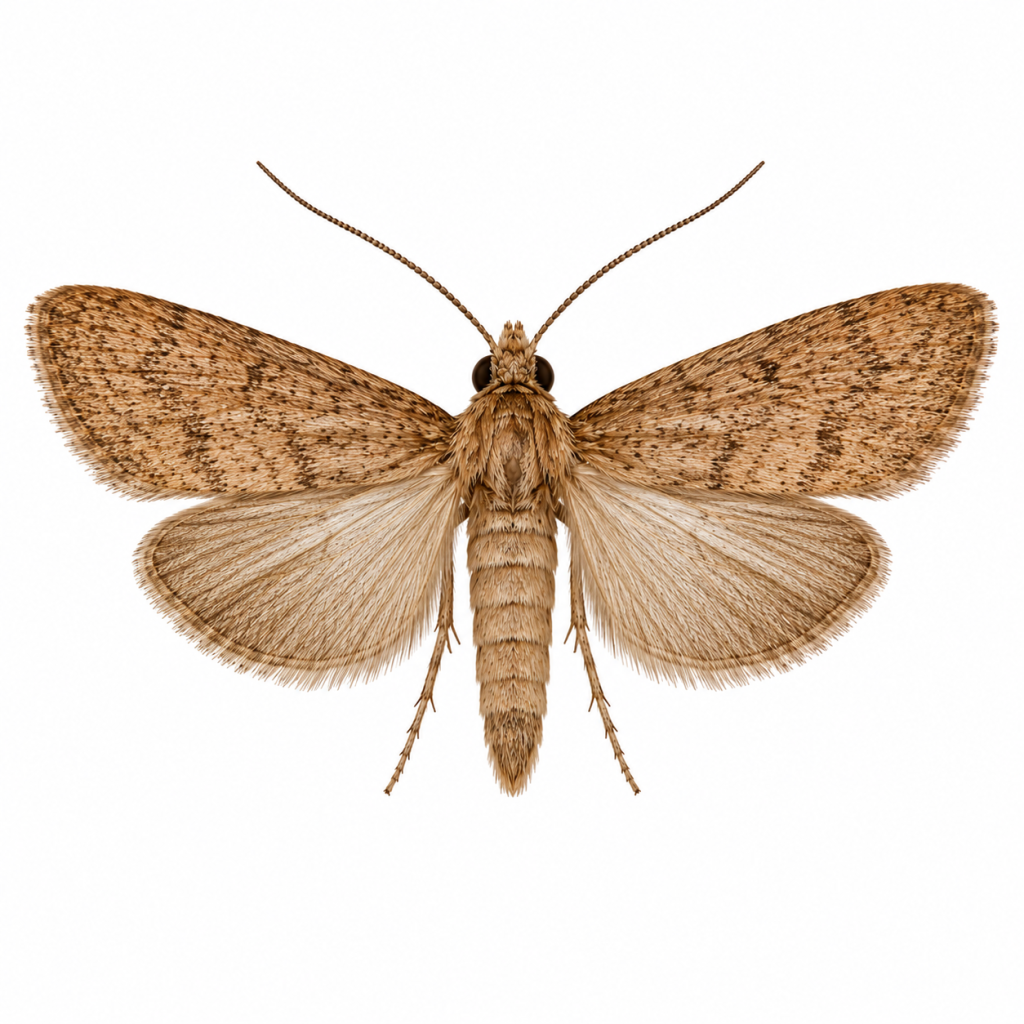
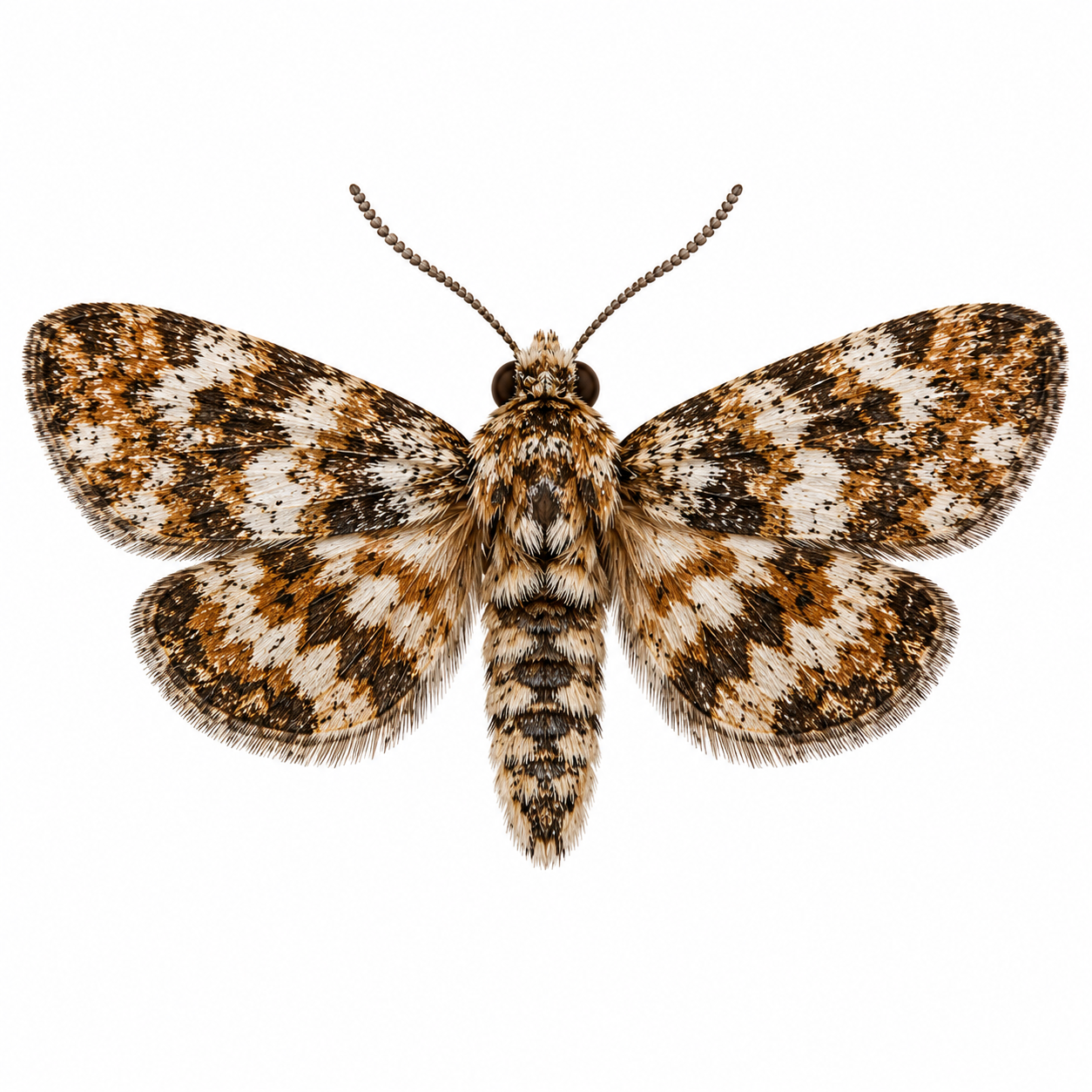
Common indoor moth frequently found around homes, sheds and storage areas.
The Brown House Moth is a common indoor species frequently encountered in Queensland homes, garages, sheds and storage areas. Unlike Clothes Moths or Pantry Moths, Brown House Moths generally feed on a wide variety of organic materials including dried plant matter, stored products and household debris. Adult moths are commonly attracted to indoor lighting during the evening and may become a nuisance when present in large numbers. Maintaining good housekeeping, removing accumulated organic material and keeping storage areas clean can help reduce breeding opportunities. Professional pest management may be appropriate where large infestations persist or the breeding source cannot be identified.
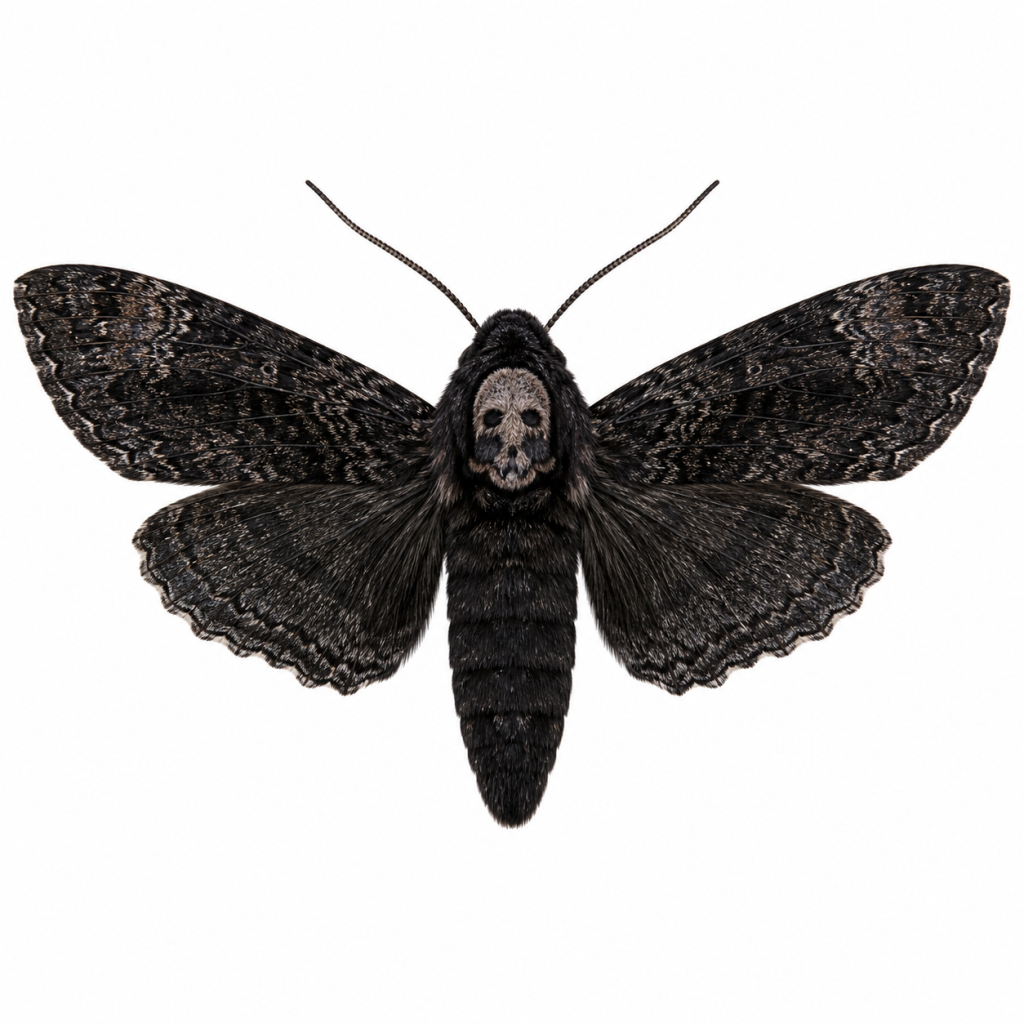
Large dark moth recognised by its broad wings and distinctive dark colouration.
The Black Witch Moth is one of the largest moths found in Australia, recognised by its broad dark wings and impressive wingspan. Adults occasionally enter homes, sheds or garages after being attracted to lights during the evening, particularly during migration or periods of favourable weather. Despite their dramatic appearance, Black Witch Moths are completely harmless to people and do not damage clothing, food or household materials. They survive primarily by feeding on nectar and other natural food sources before continuing their life cycle outdoors. If one enters a building, it can simply be allowed to leave or gently guided outside. No pest control is necessary for this fascinating native visitor.