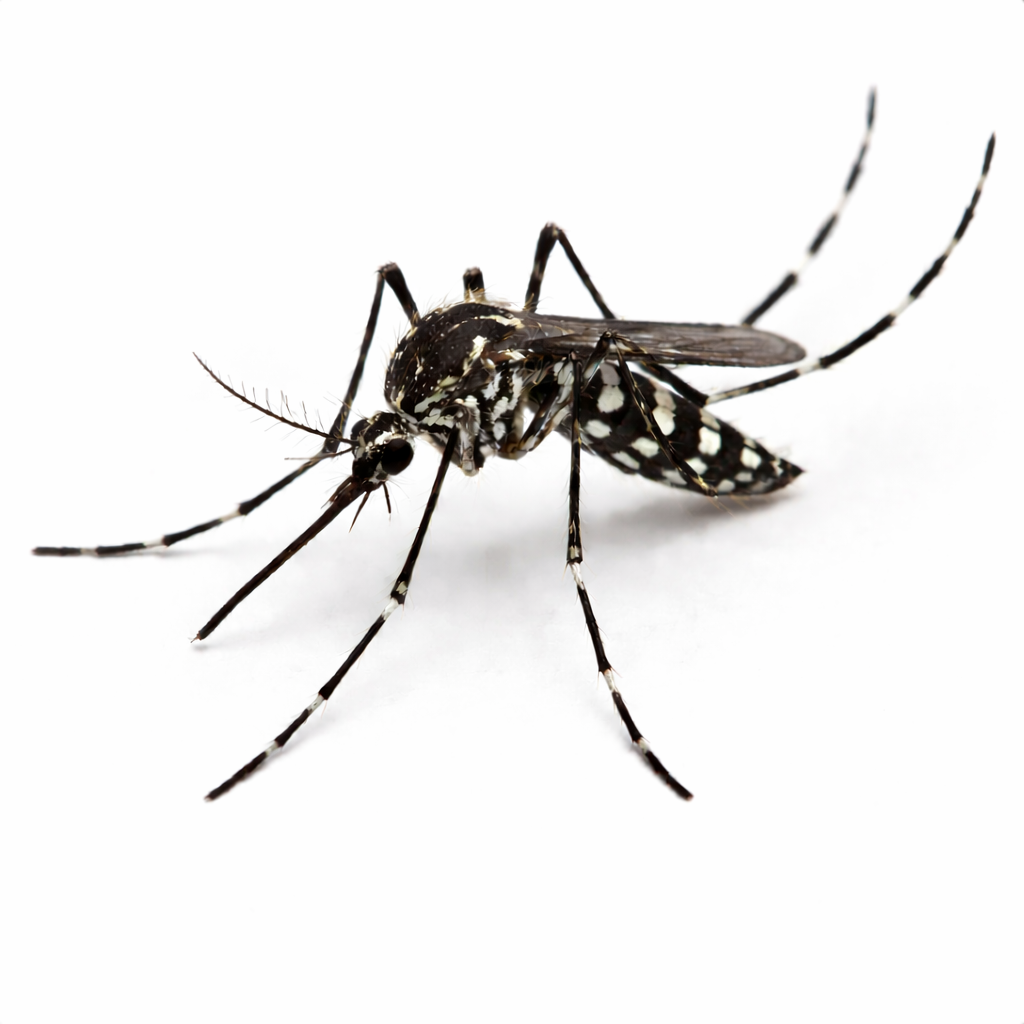
Invasive mosquito species known for aggressive daytime biting.
The Asian Tiger Mosquito is an invasive mosquito species recognised by its distinctive black body and white striped legs. Unlike many mosquitoes that feed mainly at dawn and dusk, this aggressive species actively bites during the day, making it a significant nuisance around homes, parks and outdoor entertaining areas. Asian Tiger Mosquitoes breed in small collections of stagnant water, including buckets, pot plant saucers, bird baths, tyres and rainwater containers. They are capable of transmitting several mosquito-borne diseases overseas, making their presence a concern for biosecurity authorities. Eliminating standing water around the home is one of the most effective ways to reduce breeding opportunities. Where mosquito numbers become excessive, professional mosquito management can help identify breeding sites and implement treatments that reduce adult populations while limiting future breeding.
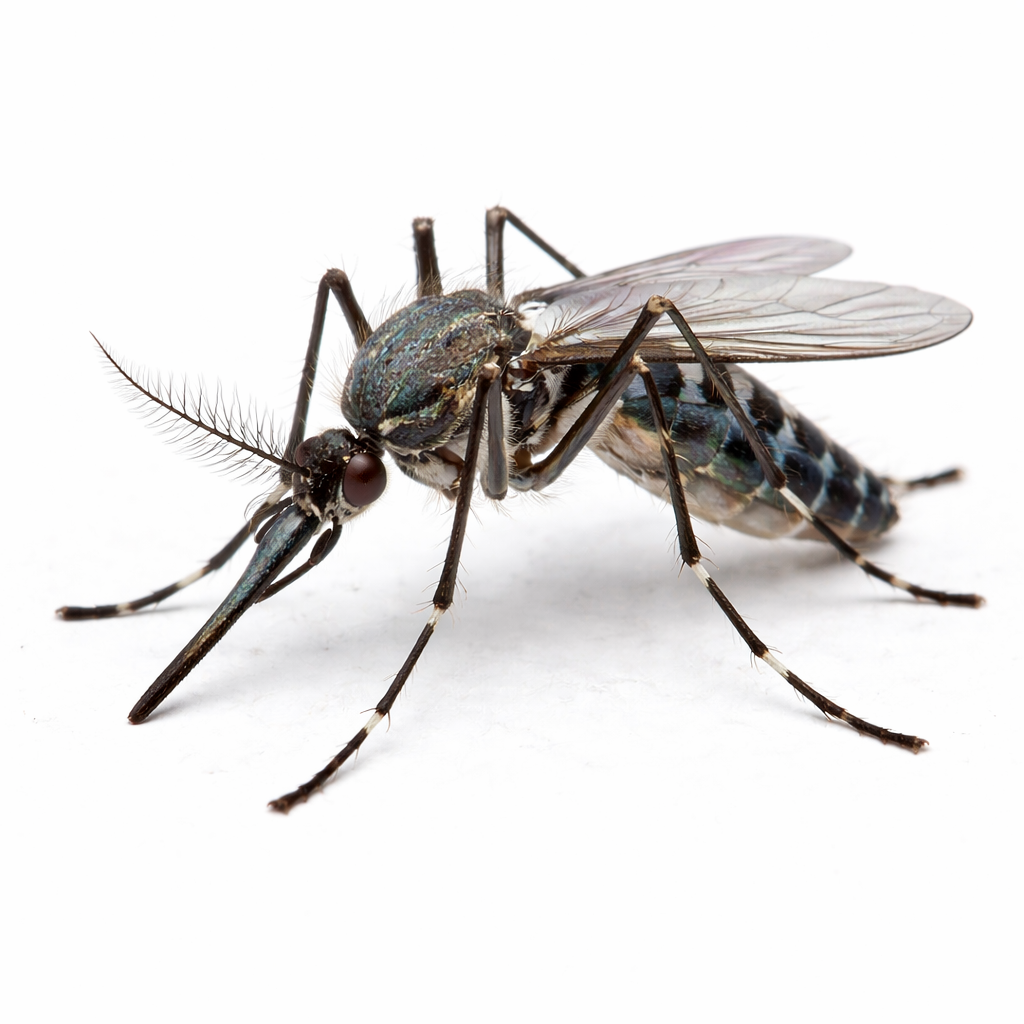
Large mosquito species that typically feeds on other insects rather than humans.
The Australian Elephant Mosquito is one of the largest mosquito species found in Queensland, but despite its impressive size, it is not considered a significant pest. Adult Elephant Mosquitoes rarely feed on humans, with many species preferring nectar or feeding on other insects during their life cycle. Their larvae are natural predators that consume the larvae of other mosquito species, making them beneficial in helping reduce populations of nuisance mosquitoes. They are commonly found in natural environments where tree holes, water-filled hollows and other natural containers provide breeding sites. Because they pose little risk to people and contribute to the natural control of pest mosquitoes, Australian Elephant Mosquitoes should generally be left undisturbed. Correct identification is important to prevent these beneficial insects from being mistaken for more troublesome mosquito species requiring treatment.
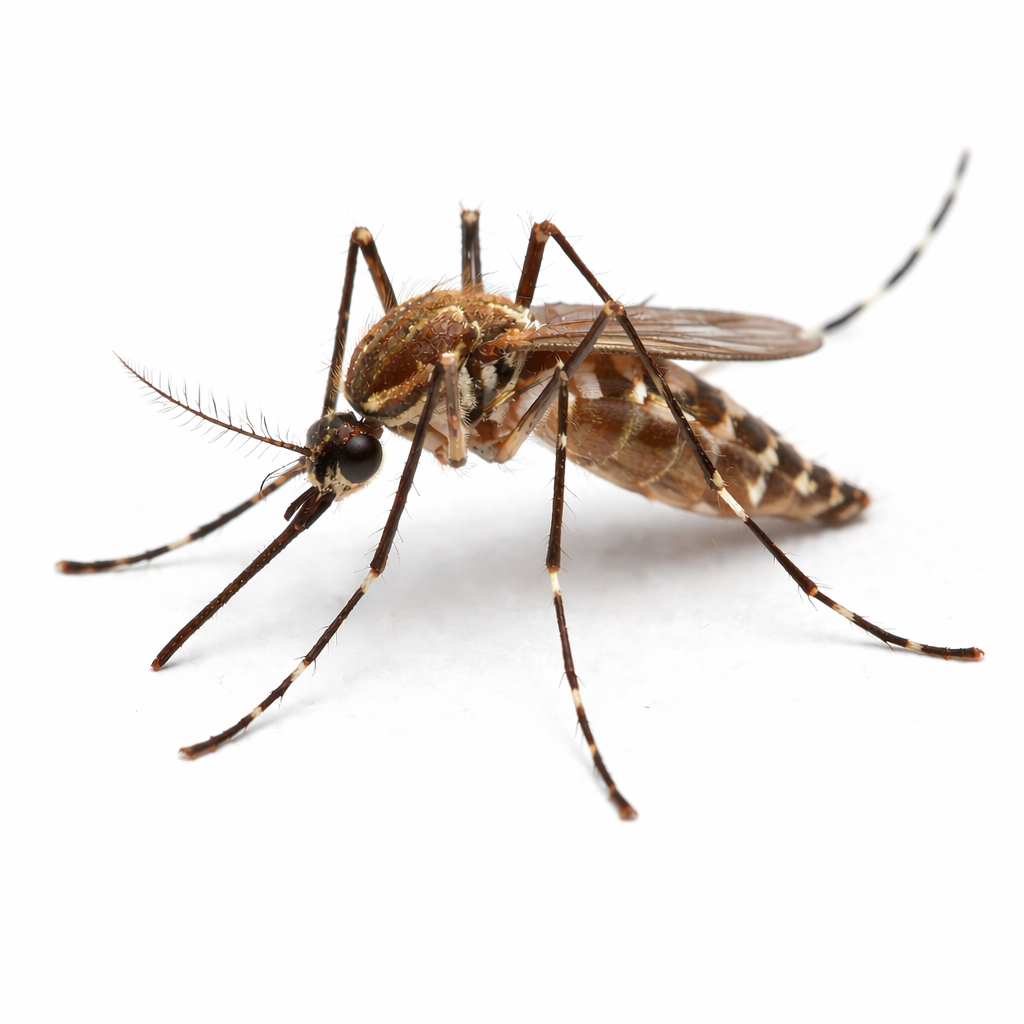
General mosquito species commonly found in outdoor environments.
Mosquitoes are among Queensland’s most common biting insects and are frequently encountered around homes, gardens, parks and wetlands during the warmer months. They breed in standing water where their eggs, larvae and pupae develop before emerging as flying adults. Female mosquitoes require a blood meal to produce eggs and readily bite humans and animals, causing itchy skin reactions and considerable discomfort. Some mosquito species are also capable of transmitting diseases, making effective mosquito management an important part of protecting public health. Homeowners can significantly reduce mosquito numbers by removing standing water from around the property, maintaining gutters and ensuring rainwater containers are properly screened. Professional mosquito treatments may be recommended where breeding sites are extensive or mosquito activity remains high despite good property maintenance.
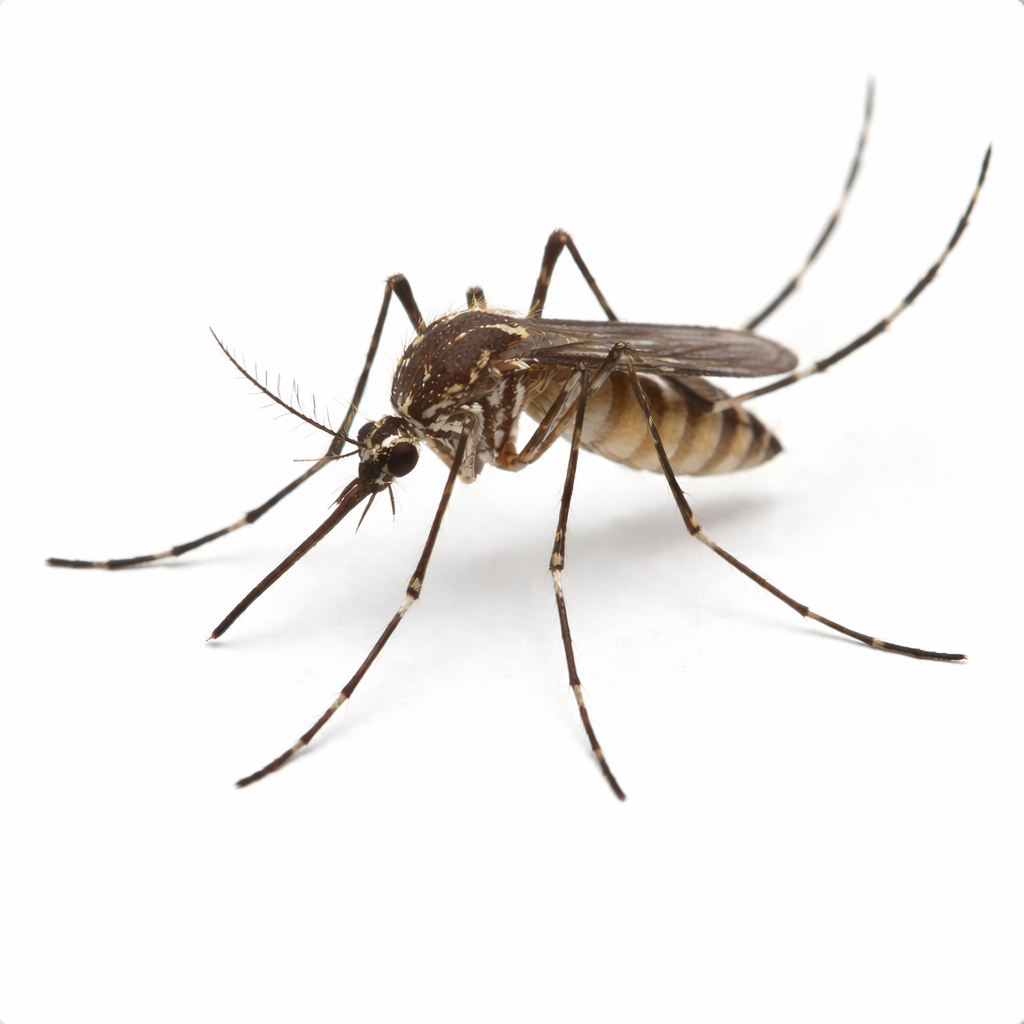
Common indoor mosquito attracted to stagnant water sources.
The Brown House Mosquito is a common nuisance species frequently found inside homes throughout Queensland. It breeds in stagnant water such as blocked gutters, bird baths, pot plant trays, rainwater tanks and other containers capable of holding water for several days. Adult females commonly enter homes during the evening and night to feed on human blood, often disturbing sleep with their persistent buzzing and itchy bites. Although many Brown House Mosquitoes are simply a nuisance, some mosquito species may also carry diseases under certain conditions. Preventing breeding by removing standing water remains the most effective long-term control strategy. Installing insect screens, using personal repellents and reducing outdoor breeding sites will greatly reduce mosquito numbers, while professional pest management can provide additional control where infestations become persistent.
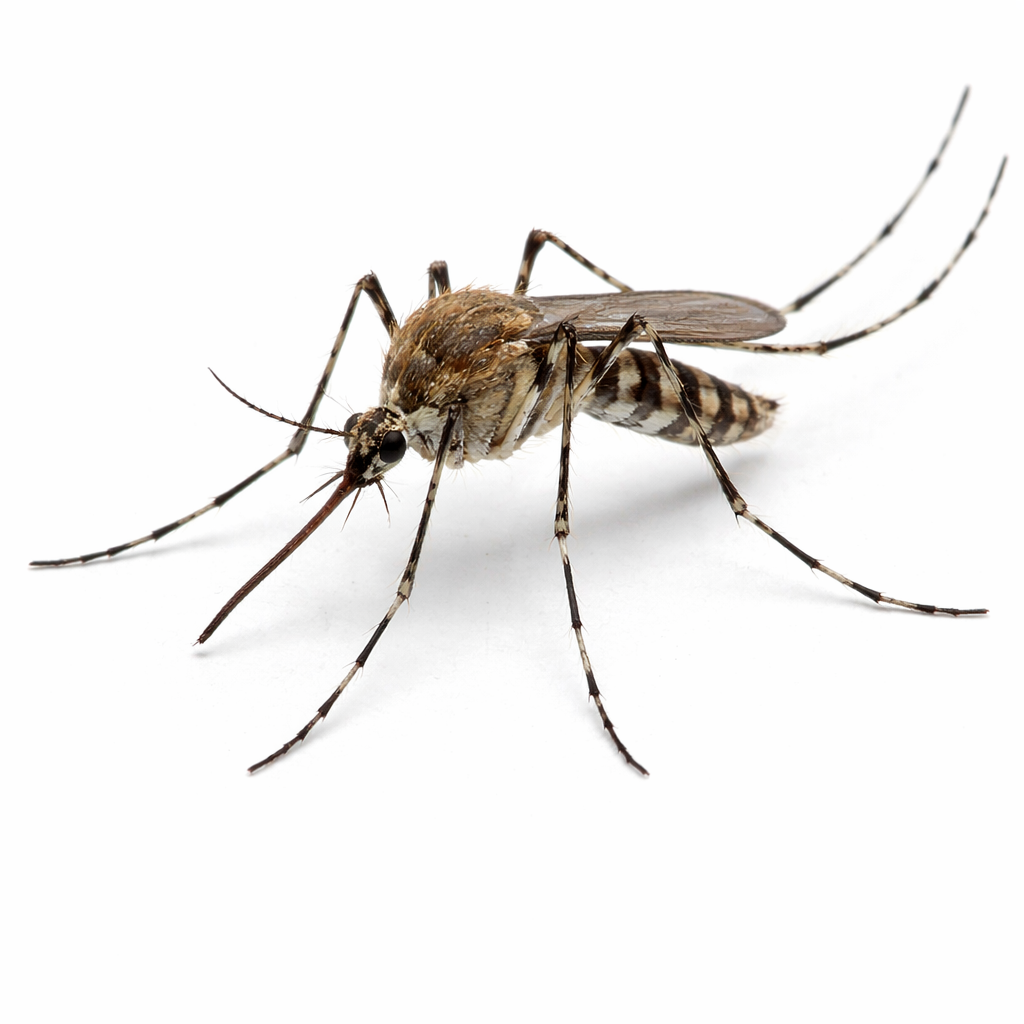
Widespread biting insect active around water and humid areas.
Common Mosquitoes are widespread throughout Queensland and are most active during warm, humid conditions when breeding sites are plentiful. They are attracted to standing water where eggs hatch into larvae before developing into adult mosquitoes capable of flying considerable distances in search of blood meals. Female mosquitoes bite people and animals, causing irritation, swelling and discomfort, while some species are capable of transmitting mosquito-borne diseases. Properties with blocked drains, neglected containers, ponds or poorly maintained gutters often provide ideal breeding conditions. Reducing standing water is the single most effective method of preventing mosquito infestations around the home. Regular property maintenance, insect screens and appropriate mosquito treatments can help reduce biting activity, while professional pest control may be required where breeding sites are difficult to eliminate or mosquito populations remain consistently high.
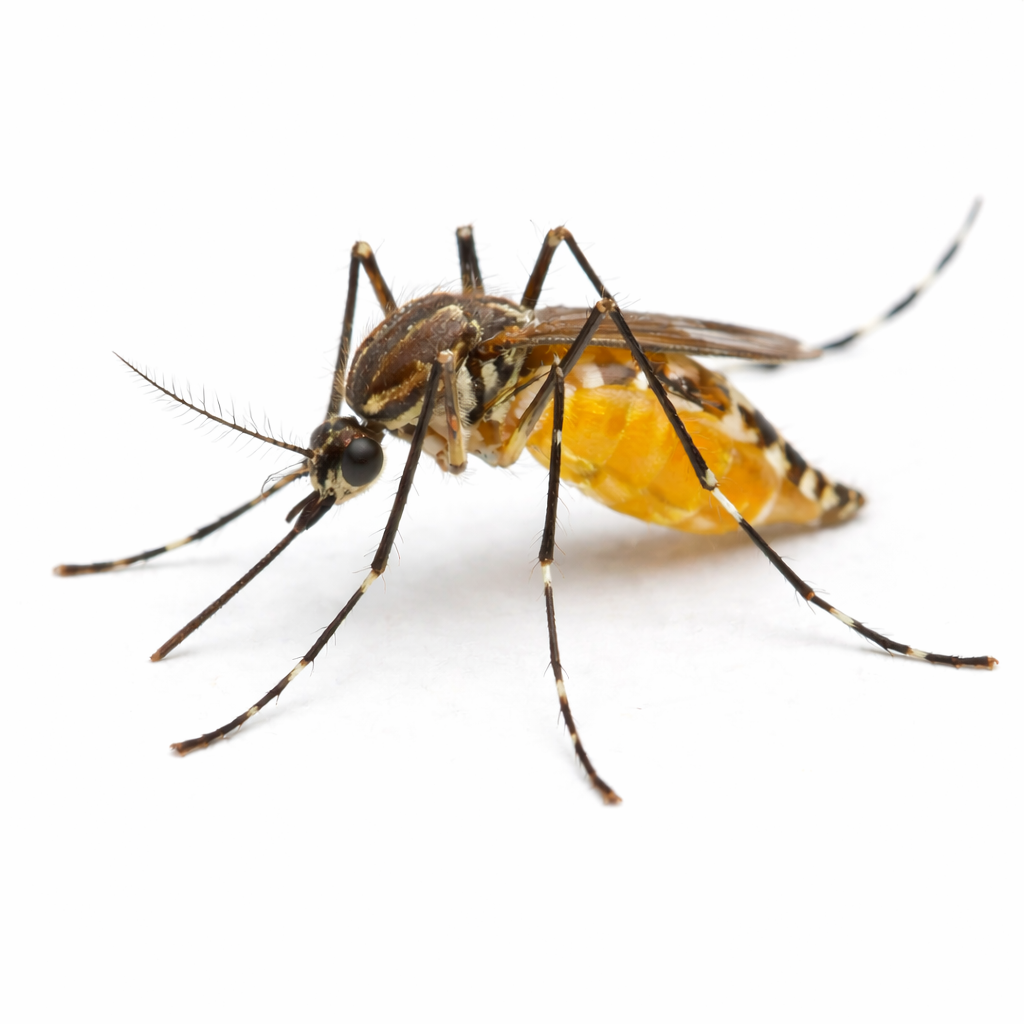
Mosquito species that breeds in standing water containers.
Container Breeder Mosquitoes are a group of mosquito species that rely on artificial containers holding stagnant water to complete their life cycle. Common breeding sites include buckets, tyres, bird baths, pot plant saucers, rainwater tanks, children’s toys and discarded containers left outdoors after rain. Because these breeding sites are commonly found around residential properties, homeowners play an important role in reducing mosquito populations by regularly emptying, cleaning or covering water-holding containers. Adult mosquitoes emerging from these sites readily bite people and pets, making outdoor areas uncomfortable during warmer months. Routine inspections around the property can significantly reduce breeding opportunities before mosquito numbers increase. Professional mosquito management may be recommended where breeding sites cannot be eliminated or where mosquito activity remains high despite ongoing property maintenance.
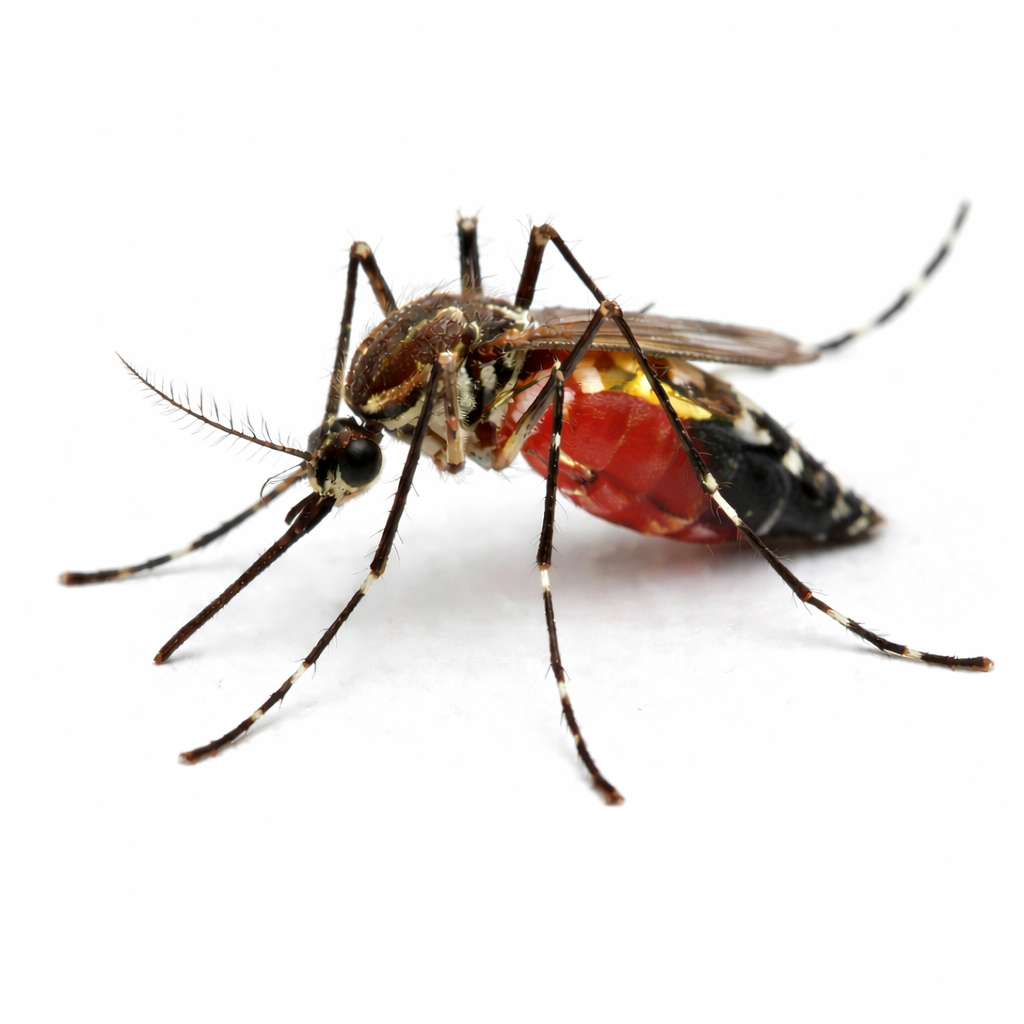
Mosquito species capable of transmitting dengue and other diseases.
The Dengue Mosquito is the common name given to mosquito species capable of transmitting dengue fever and several other mosquito-borne diseases. In Queensland, these mosquitoes are closely monitored because of the significant public health risks they present. They commonly breed in artificial containers holding clean, stagnant water around homes, making residential properties an important focus for mosquito prevention programs. Unlike many mosquito species, Dengue Mosquitoes are active during daylight hours and frequently bite people around homes, schools and workplaces. Eliminating standing water, maintaining clean yards and supporting local mosquito control programs are essential for reducing breeding opportunities. Where Dengue Mosquito activity is suspected, prompt action is recommended to minimise the risk of disease transmission. Professional mosquito management can assist in identifying breeding sites and reducing mosquito populations as part of an integrated mosquito control strategy.
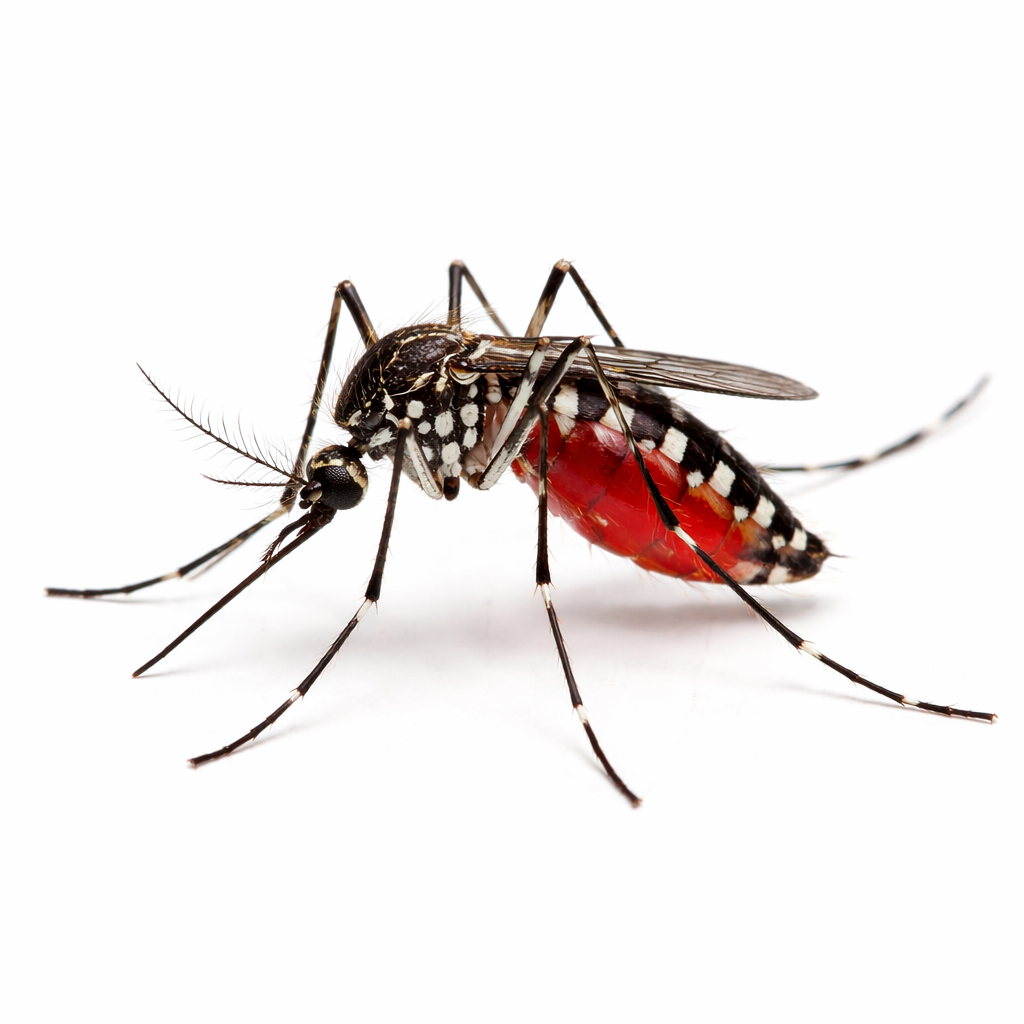
Coastal mosquito species that breeds in saltwater environments.
Saltmarsh Mosquitoes are aggressive biting mosquitoes commonly found along Queensland’s coastal regions, mangroves and tidal wetlands. They breed in saltwater marshes and low-lying coastal areas that become flooded during high tides or heavy rainfall. Because breeding often occurs over very large areas, enormous numbers of adult mosquitoes can emerge at the same time and travel several kilometres inland in search of blood meals. Their persistent biting makes outdoor activities uncomfortable for both people and animals, particularly during warmer months. While individual homeowners cannot control breeding in natural wetlands, reducing mosquito entry into homes through quality insect screens and personal protection measures can greatly reduce exposure. Professional mosquito management and local council control programs help minimise Saltmarsh Mosquito populations where practical, particularly around residential developments near coastal breeding habitats.