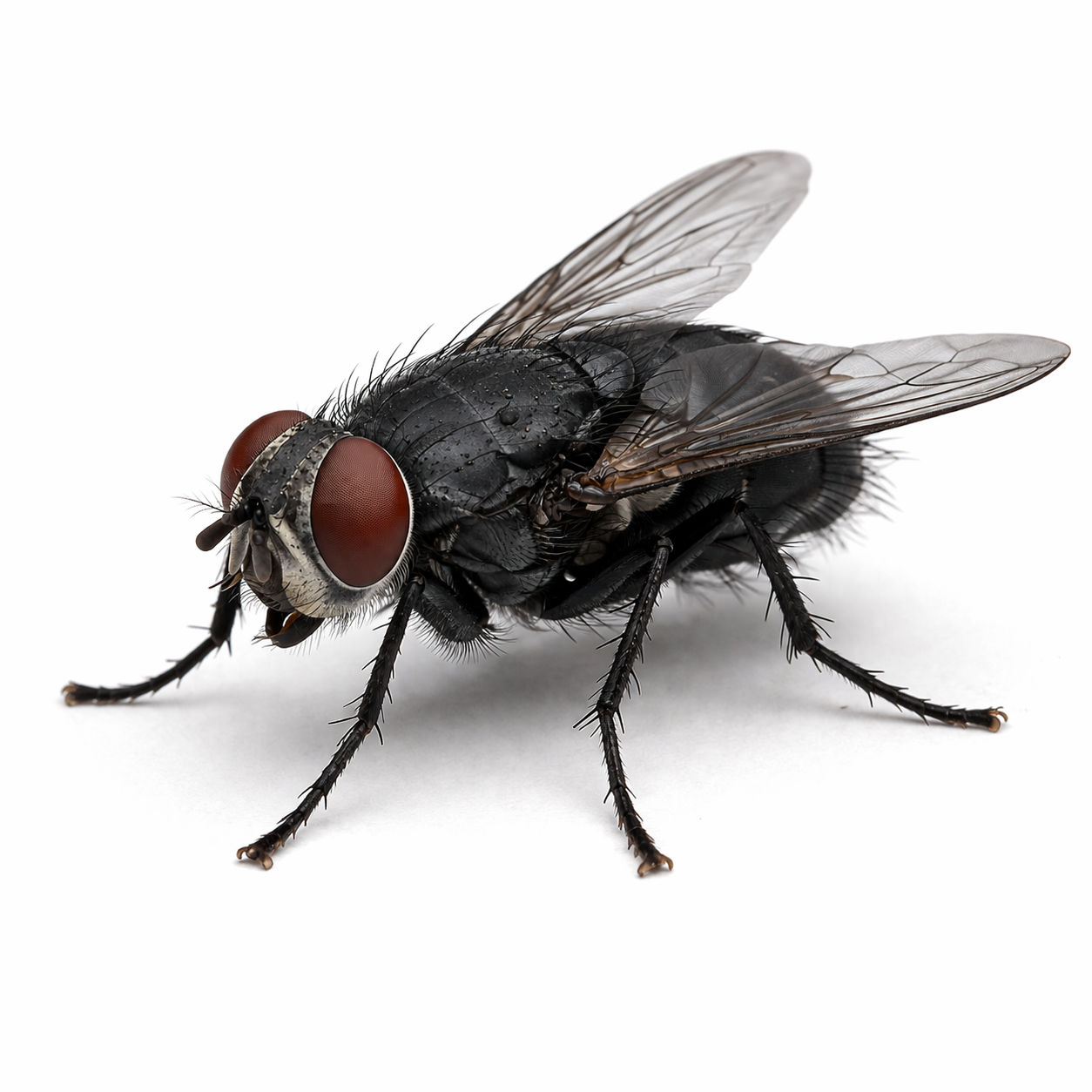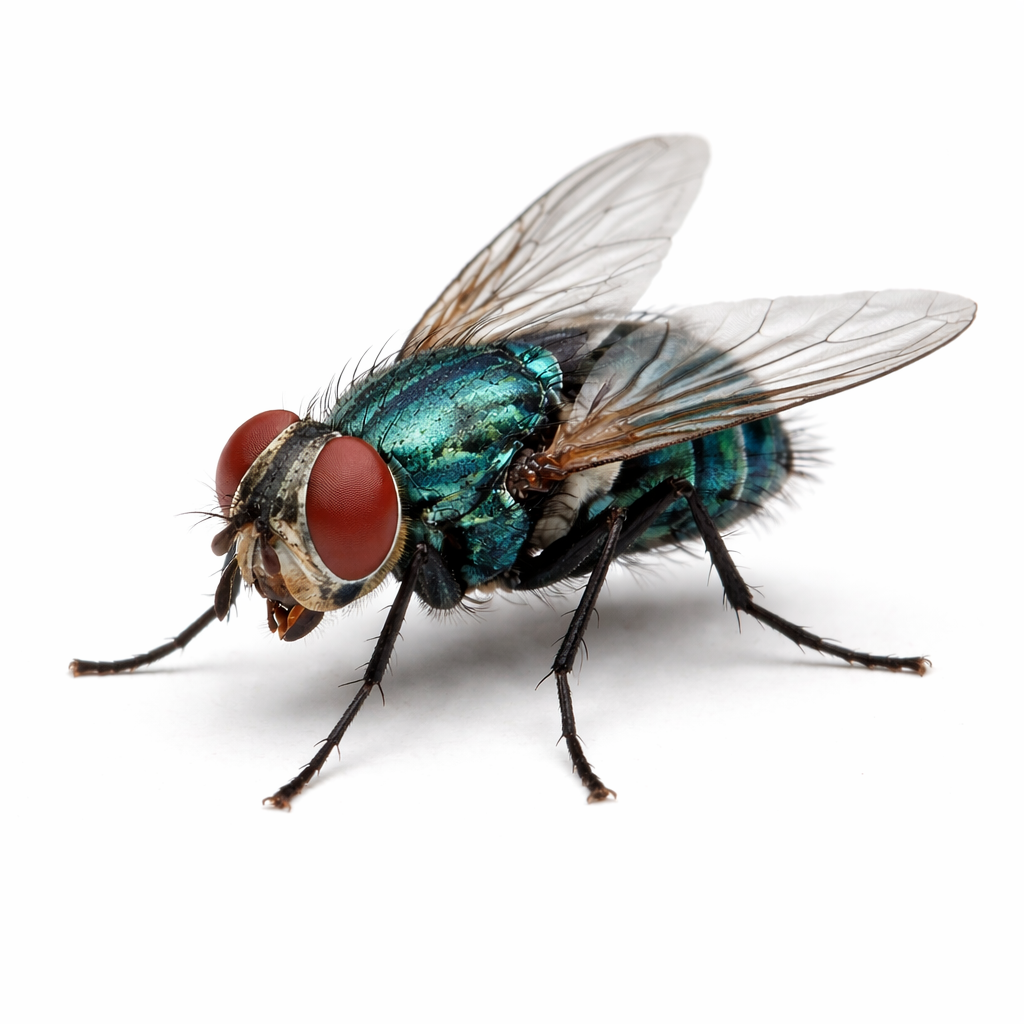
Metallic-coloured fly commonly found around waste and decaying material.
Blow Flies are easily recognised by their shiny metallic blue, green or bronze colouring and are commonly found throughout Queensland wherever decaying organic material is present. They are attracted to rubbish bins, animal carcasses, compost, pet waste and food scraps, where they lay their eggs. Within a short time, the eggs hatch into maggots that feed on decomposing material before developing into adult flies. Although Blow Flies play an important role in nature by helping break down organic matter, they become a serious nuisance when breeding close to homes or businesses. They are capable of spreading bacteria by moving between waste and food preparation areas, increasing the risk of contamination. Good sanitation, secure rubbish storage and prompt removal of organic waste help reduce Blow Fly activity. Professional pest management is recommended where breeding sites cannot be easily located or persistent infestations continue despite good hygiene practices.
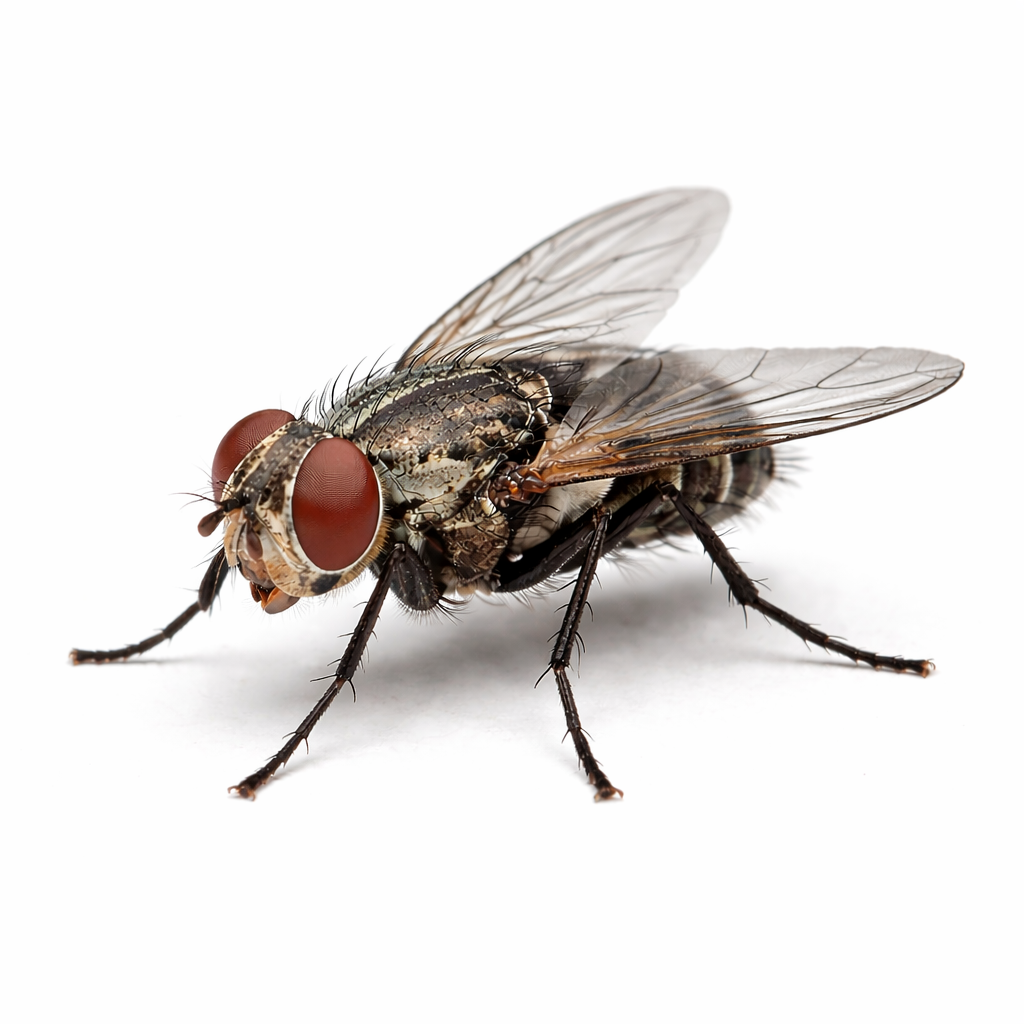
Common nuisance fly attracted to food, waste, and outdoor areas.
Bush Flies are one of Australia’s most familiar nuisance insects and are especially common throughout Queensland during the warmer months. Unlike House Flies, Bush Flies are strongly attracted to outdoor environments where they feed on animal waste, decaying organic matter and other moist materials. They are well known for landing on people’s faces in search of moisture around the eyes, nose and mouth, making outdoor activities uncomfortable. Although Bush Flies do not bite, they are capable of carrying bacteria and other contaminants after visiting waste and animal droppings. Large populations are often associated with livestock, compost areas and poor waste management. Reducing breeding sites, maintaining clean outdoor areas and ensuring rubbish is properly contained will help minimise numbers. Professional fly control may be appropriate where Bush Fly populations become excessive around homes, commercial premises or outdoor hospitality areas.
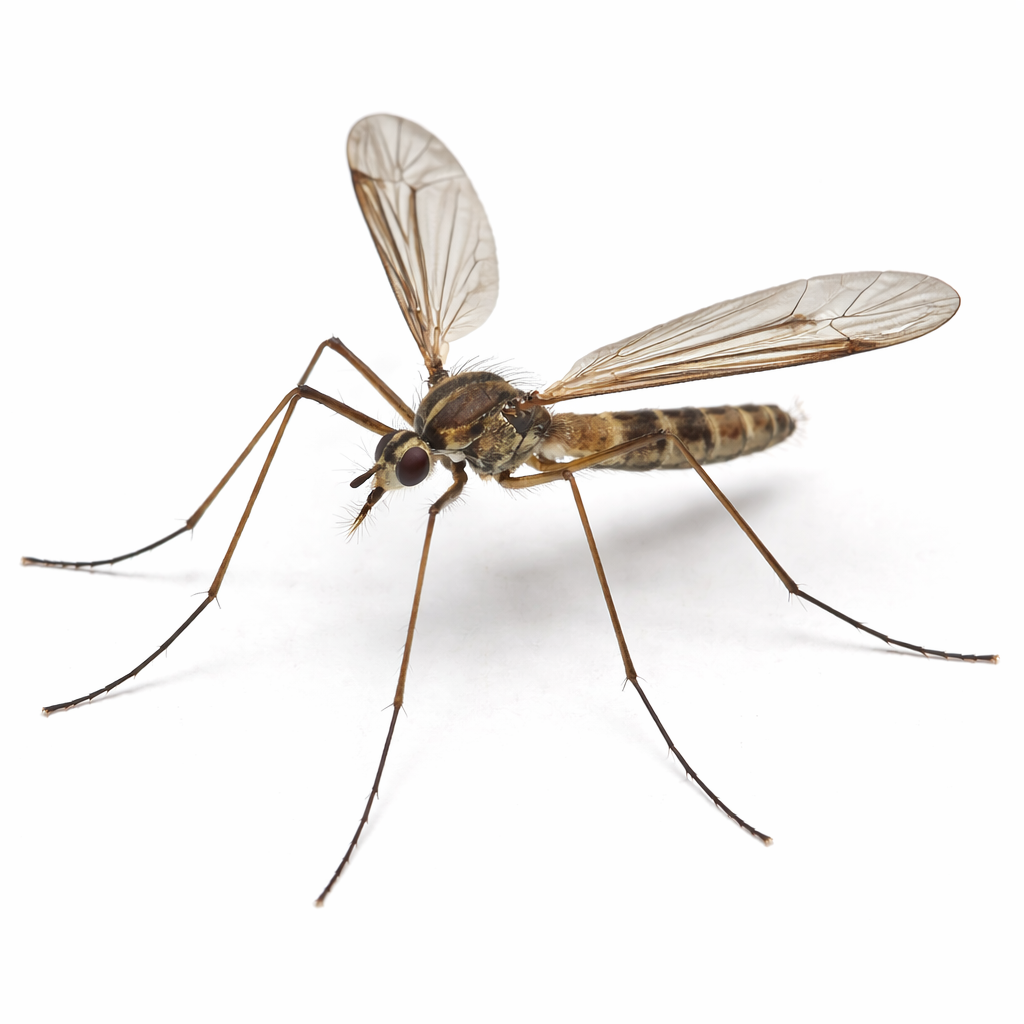
Long-legged fly often mistaken for mosquitoes but harmless.
Crane Flies are large, long-legged insects that are frequently mistaken for giant mosquitoes because of their appearance. Despite this common misconception, Crane Flies do not bite, suck blood or spread disease, making them completely harmless to people and pets. Adult Crane Flies are often seen around gardens, lawns and outdoor lights, particularly after periods of rain when soil moisture is high. Their larvae live in damp soil where they feed on decaying organic matter and, in some cases, the roots of grasses and other plants. While large larval populations may occasionally damage lawns, adult Crane Flies themselves are short-lived and cause no structural or household problems. In most situations they require no treatment and should simply be regarded as a normal part of Queensland’s outdoor environment. Correct identification helps avoid unnecessary concern and prevents harmless insects from being mistaken for pest species.
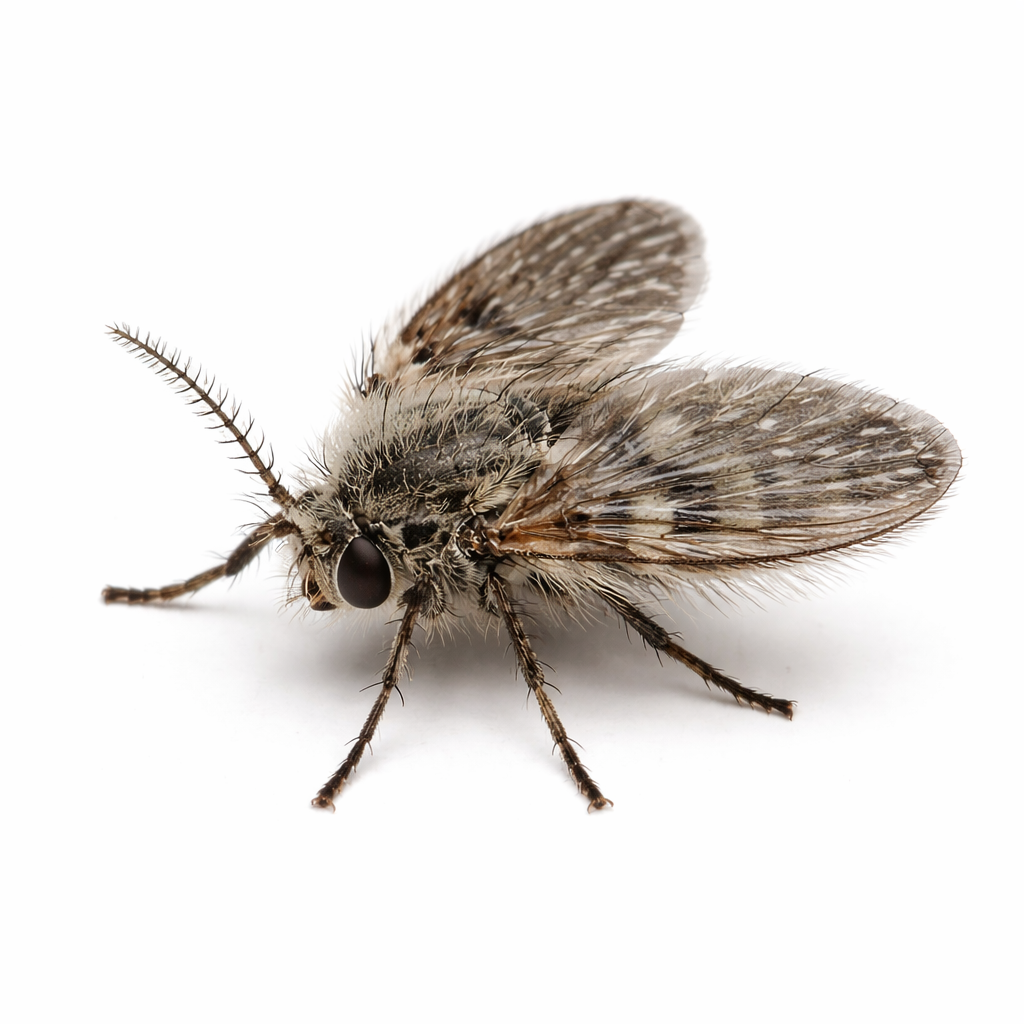
Small fly that breeds in drains and damp organic material.
Drain Flies, sometimes called Moth Flies or Sewer Flies, are tiny insects commonly found breeding inside drains, grease traps, sewage pipes and other damp areas containing accumulated organic matter. Their fuzzy appearance and slow, fluttering flight make them easy to recognise around bathrooms, laundries, kitchens and commercial food preparation areas. Although they do not bite or spread disease in the same way as House Flies, their presence usually indicates a build-up of organic material inside drainage systems that requires attention. Simply spraying the adult flies rarely solves the problem because breeding continues inside the drain. Thorough cleaning of drains, removing accumulated slime and correcting moisture issues are essential for long-term control. Professional pest management can identify hidden breeding locations and provide effective treatment where Drain Fly infestations become persistent or difficult to eliminate.
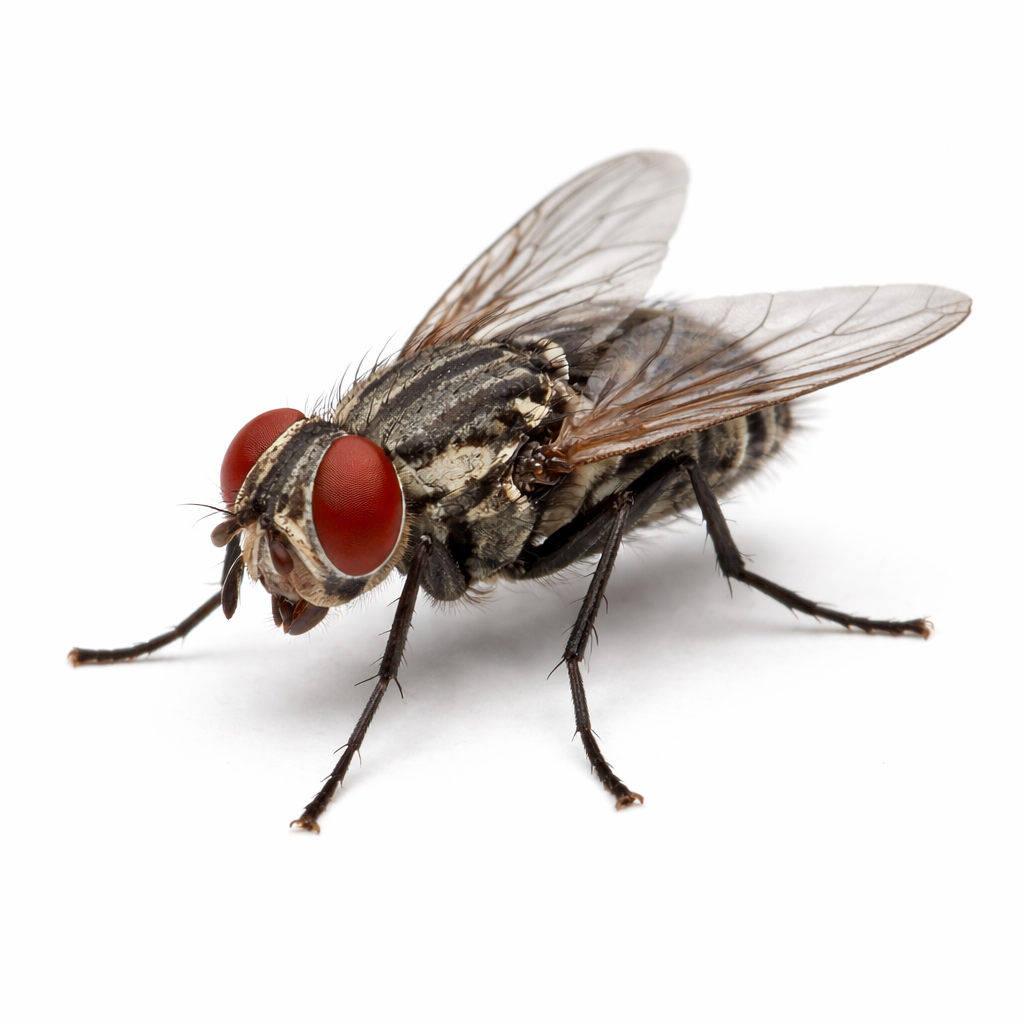
Fly species attracted to decaying organic matter and waste.
Flesh Flies are medium to large grey flies recognised by the distinctive black stripes running along their thorax. They are attracted to decaying organic matter, animal carcasses, rubbish, pet waste and other decomposing materials where they deposit live larvae rather than eggs. This allows infestations to develop rapidly when suitable breeding conditions exist. Flesh Flies play an important role in nature by helping recycle organic matter, but around homes and businesses they become a significant nuisance and potential health concern. They are capable of carrying bacteria from contaminated materials onto food preparation surfaces and household items. Effective control relies on locating and removing the breeding source rather than simply treating the adult flies. Good sanitation, waste management and prompt disposal of dead animals greatly reduce the risk of infestation, while professional pest control can assist where breeding sites are difficult to locate.
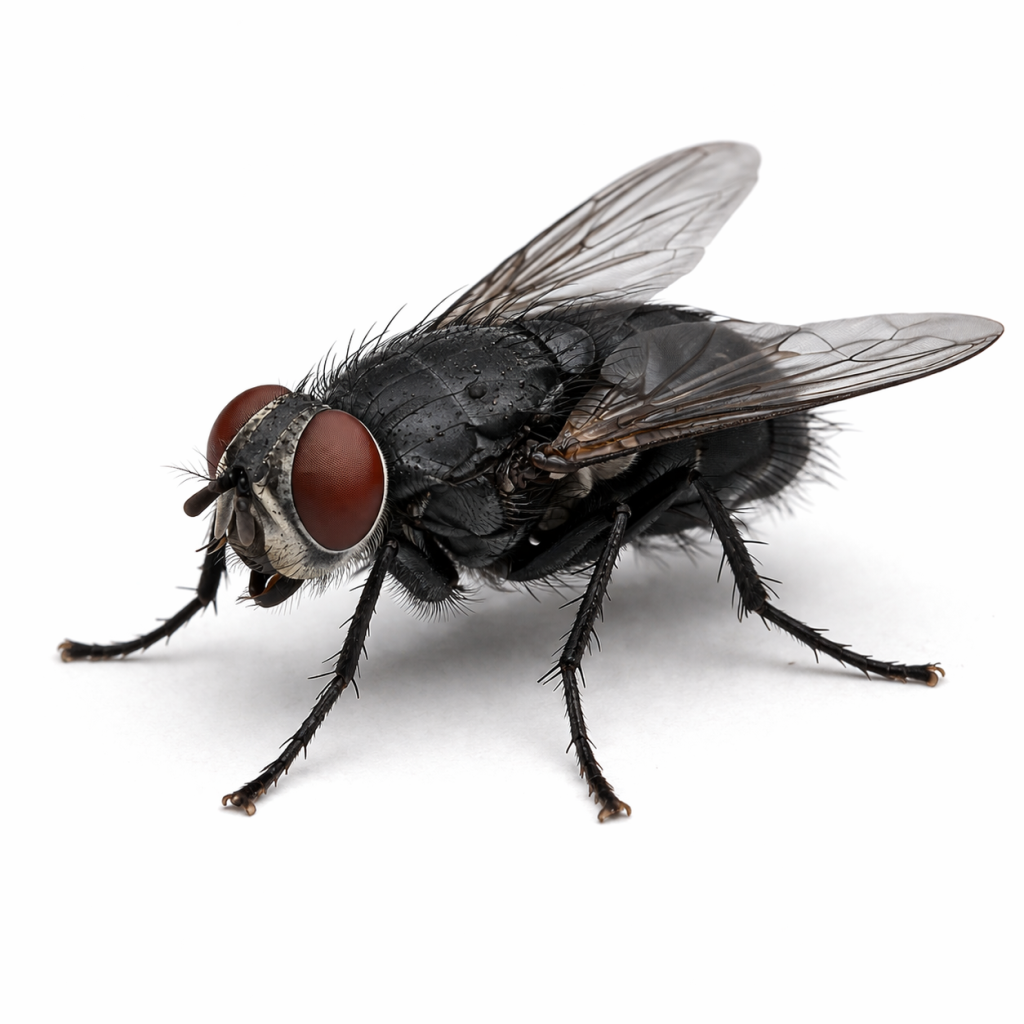
Common indoor fly that spreads bacteria and contaminates surfaces.
House Flies are one of the most common and widespread household pests found throughout Queensland. They breed in rubbish, animal waste, compost and other decaying organic material before entering homes and businesses in search of food. As they move between contaminated materials and food preparation surfaces, House Flies are capable of carrying bacteria and other disease-causing organisms on their bodies and legs, increasing the risk of food contamination. Their rapid breeding cycle allows populations to build quickly during warm weather if breeding sites are not controlled. Good hygiene, secure rubbish storage, fly screens and prompt cleaning of food spills all help reduce House Fly activity around the home. Where large numbers persist despite good sanitation, professional pest control can identify breeding sources, reduce fly populations and provide long-term management strategies for ongoing protection.
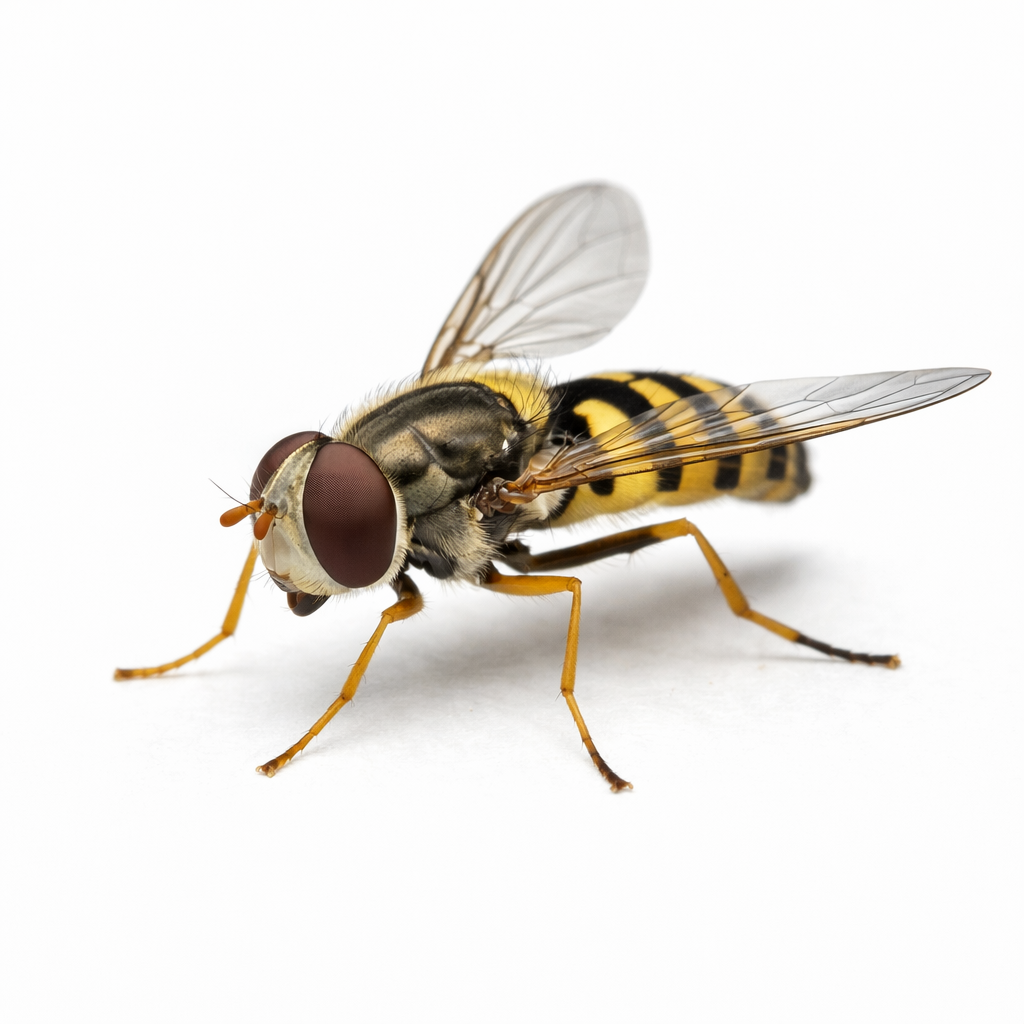
Bee-like fly that hovers around flowers and helps with pollination.
Hover Flies are beneficial insects often mistaken for bees or wasps because of their yellow and black striped bodies. Unlike bees, Hover Flies have only one pair of wings and are capable of hovering almost motionless in the air before darting quickly between flowers. They are valuable pollinators and play an important role in maintaining healthy gardens, orchards and native ecosystems throughout Queensland. Many Hover Fly larvae are also natural predators of aphids and other soft-bodied plant pests, making them highly beneficial to home gardeners. Hover Flies do not sting, bite or damage buildings and should be encouraged wherever possible. They are commonly seen feeding on nectar and pollen around flowering plants during the warmer months. In almost every situation, Hover Flies require no treatment and are best regarded as an important part of the natural balance that helps control other garden pests.
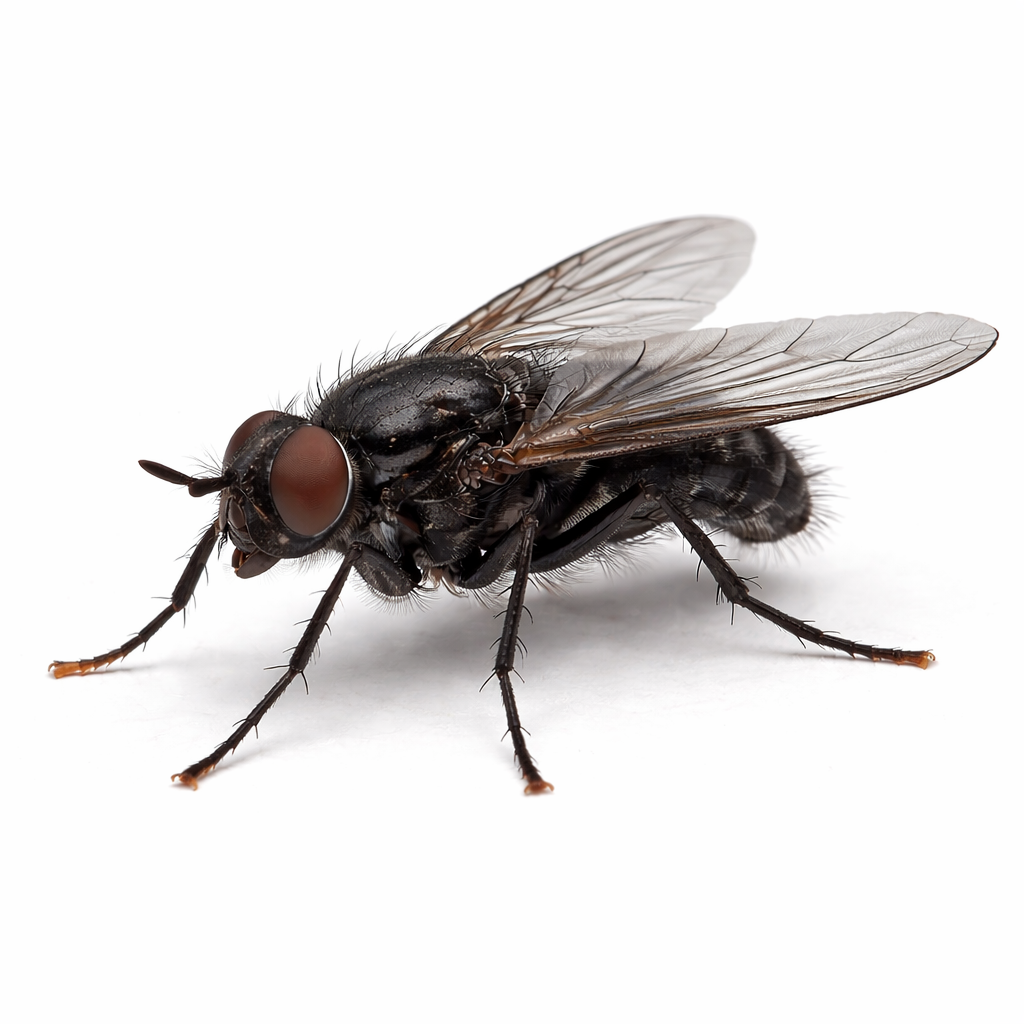
Biting fly known for painful bites in outdoor areas.
March Flies, also known as Horse Flies in some regions, are well known throughout Queensland for their painful bites during the warmer months. Female March Flies require a blood meal before laying eggs and commonly attack people, livestock, horses and other animals in bushland, coastal areas and near waterways. Their bite can be extremely painful and may result in swelling, irritation and prolonged itching. Adult March Flies are strong fliers and are most active on warm, sunny days, making outdoor work and recreation uncomfortable. Because they breed in natural wetlands and moist environments, complete elimination is generally not practical. Wearing protective clothing, using insect repellents and avoiding peak activity periods can help reduce bites. Professional pest control is rarely effective over large outdoor areas, although advice may be useful where March Fly activity is unusually high around residential or commercial properties.
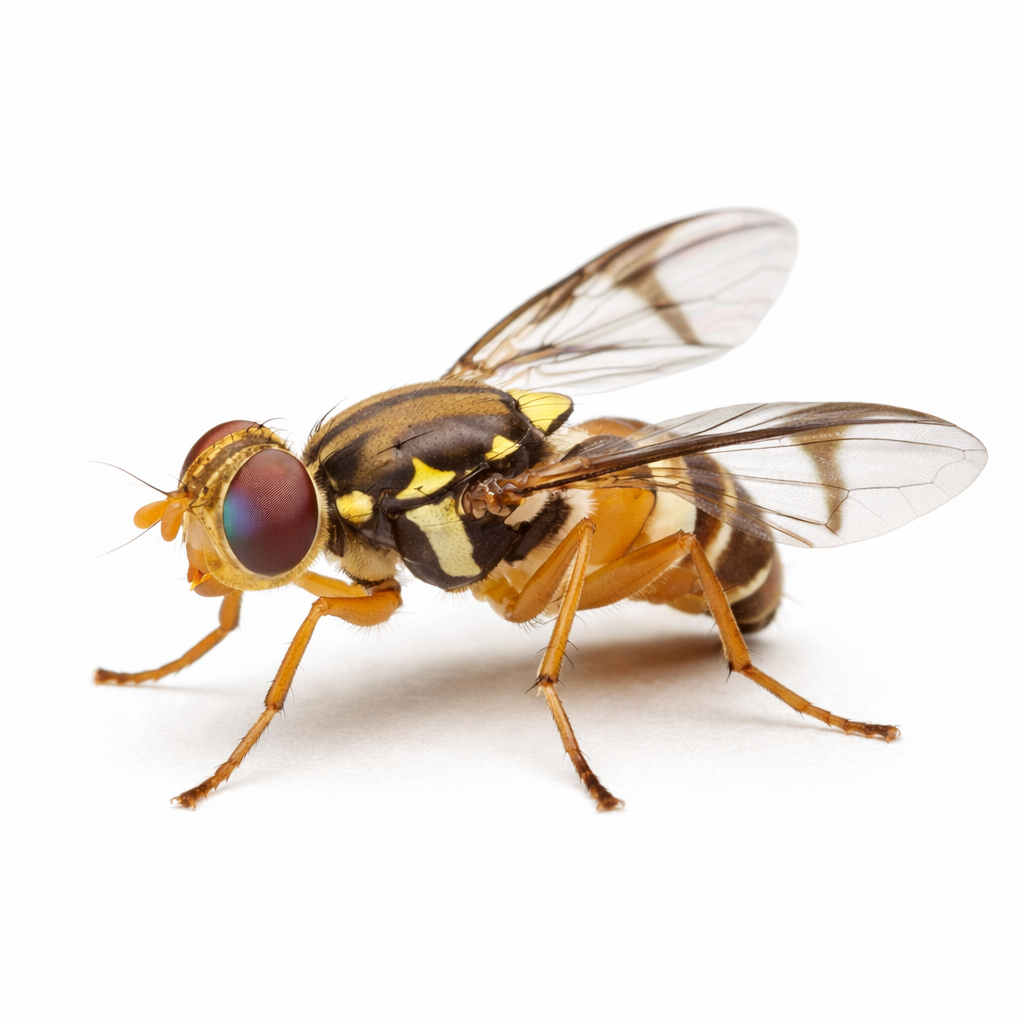
Major agricultural pest that damages fruit and crops.
The Queensland Fruit Fly is one of Australia’s most significant agricultural pests, causing serious damage to a wide range of fruit and vegetable crops. Female flies lay their eggs beneath the skin of ripening fruit, where the developing larvae feed internally, causing fruit to rot and become unsuitable for consumption. Commercial growers and home gardeners alike can experience substantial crop losses if infestations are left unmanaged. Queensland Fruit Flies attack many popular fruits including citrus, mangoes, peaches, tomatoes, guavas and stone fruit. Effective management relies on early detection, orchard hygiene, trapping programs and the prompt removal of infested fruit before larvae complete their life cycle. Because of the economic importance of this pest, strict biosecurity measures apply in many regions. Professional pest management and integrated control programs provide the most effective long-term protection for valuable fruit crops and orchards.
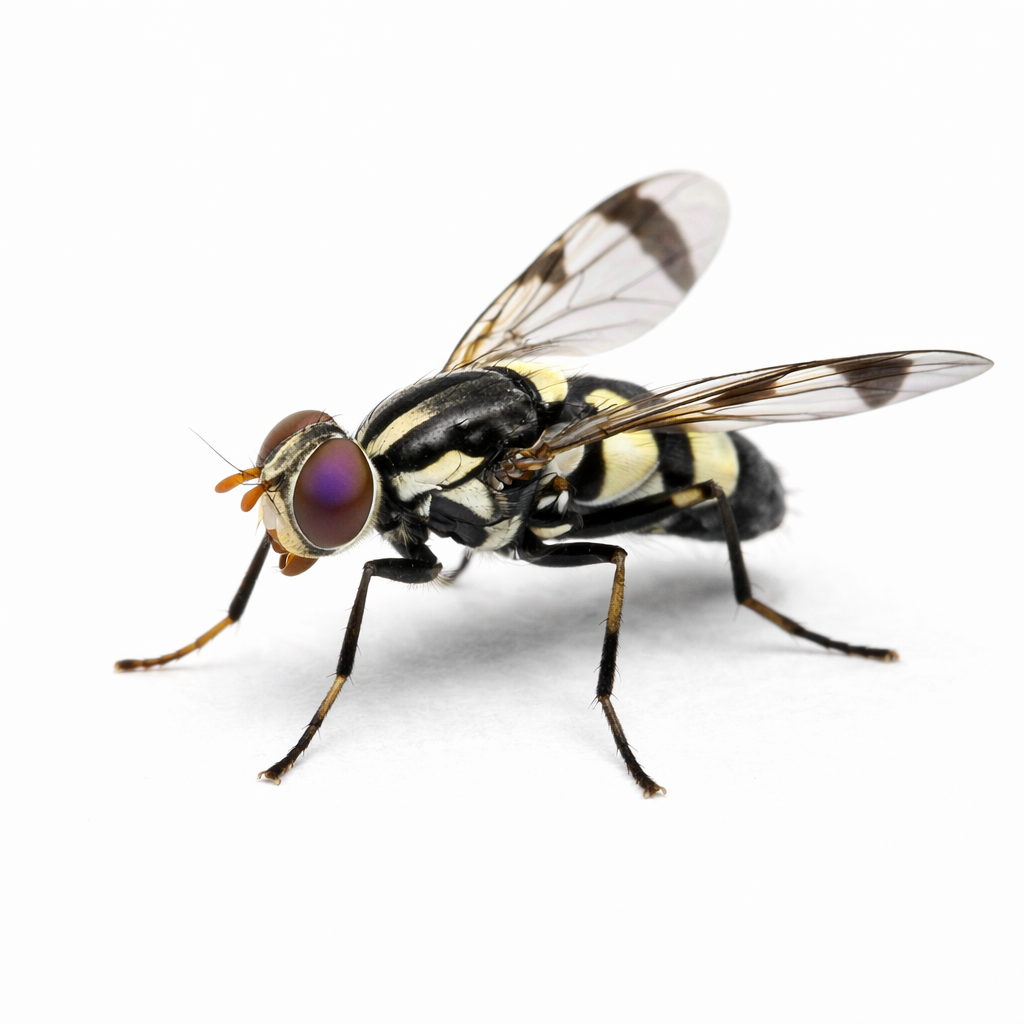
Small patterned fly often found around plants and organic matter.
Signal Flies are small to medium-sized flies recognised by their distinctive patterned wings, which they often wave or display while walking across leaves and other surfaces. They are commonly found throughout Queensland gardens, parks and natural vegetation where they are associated with decaying plant material, flowers and organic matter. Most Signal Fly species are not considered significant pests and cause little or no damage to homes, buildings or healthy plants. Their presence is generally associated with natural decomposition processes rather than poor hygiene or structural problems. Homeowners may occasionally notice them around compost bins, mulch or damp garden areas, particularly during warm weather. Because they are largely harmless and do not pose a health risk, treatment is rarely required. Correct identification helps distinguish Signal Flies from nuisance fly species that may require professional pest management.
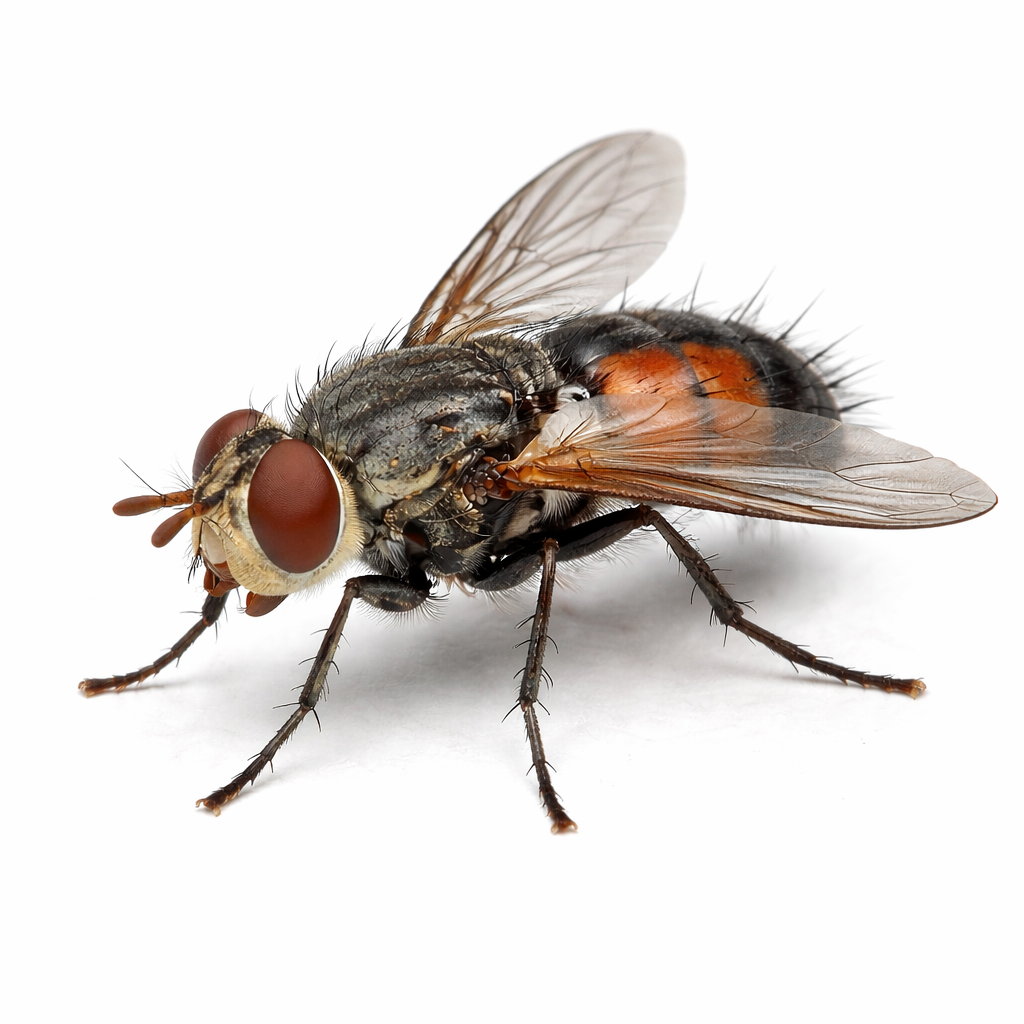
Parasitic fly species that targets other insects.
Tachinid Flies are beneficial insects that play an important role in the natural control of many agricultural and garden pests. Adult flies feed on nectar and pollen, while their larvae develop as parasites inside caterpillars, beetle larvae and other destructive insects, helping reduce pest populations naturally. Found throughout Queensland in gardens, farms and bushland, Tachinid Flies are an important part of integrated pest management programs used by many growers. Although they resemble House Flies in appearance, they do not spread disease or create household infestations. Their presence often indicates a healthy and balanced garden ecosystem where natural predators are helping keep harmful insects under control. Because Tachinid Flies provide valuable biological pest control, they should be protected whenever possible and do not require treatment. Encouraging flowering plants in gardens can help support healthy populations of these beneficial insects.