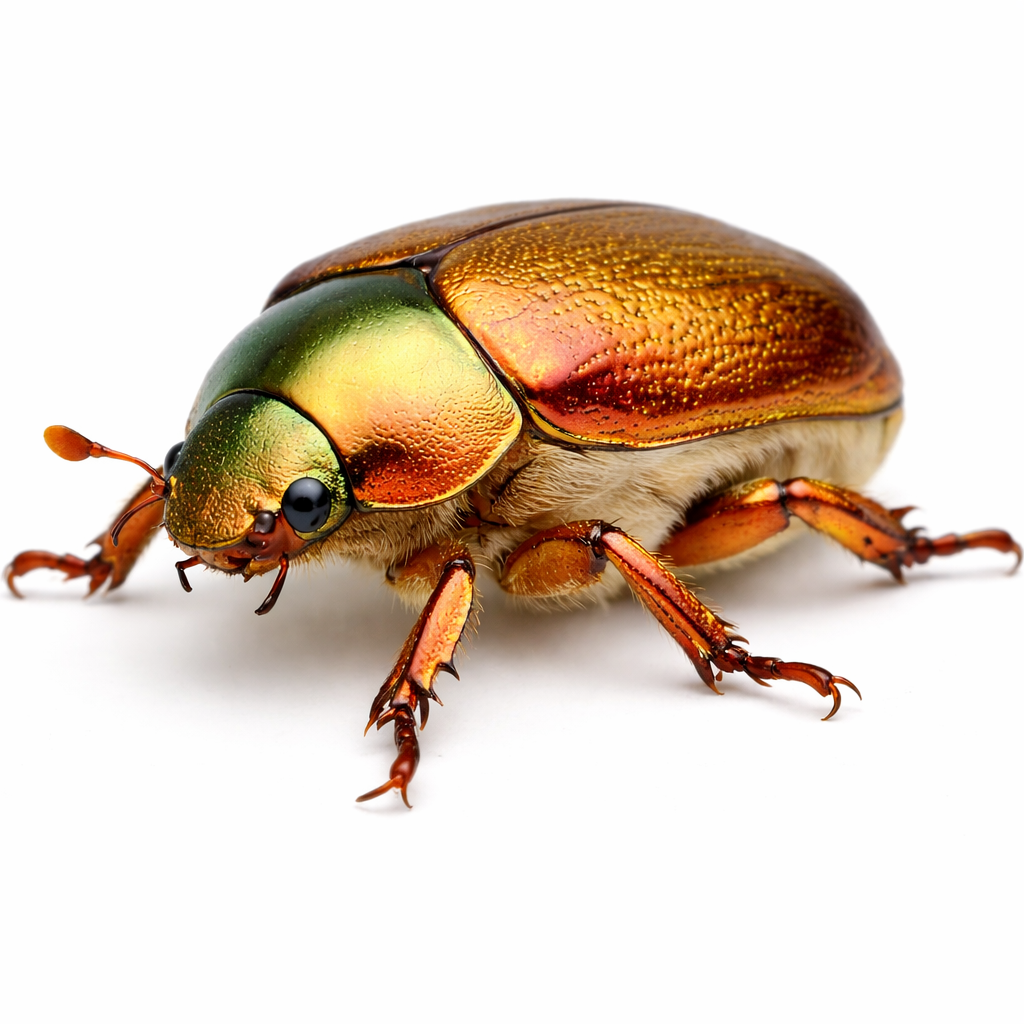
Seasonal beetle commonly seen around lights during summer months.
Christmas Beetles are native Australian scarab beetles that become highly visible during the warmer months, particularly around Christmas, giving them their well-known name. Their attraction to lights often brings them into homes, patios and outdoor entertaining areas during summer evenings. Adult Christmas Beetles feed primarily on eucalyptus leaves and are an important part of Australia’s natural ecosystem. While they can occasionally cause minor leaf damage when present in large numbers, they are generally not considered a significant household pest. Most sightings are seasonal and short-lived, with beetle numbers naturally declining after the breeding season. Homeowners are encouraged to appreciate these colourful native insects rather than treat them as pests. If unusually large numbers are entering buildings, reducing outdoor lighting or sealing entry points is usually sufficient, and professional pest control is rarely required.
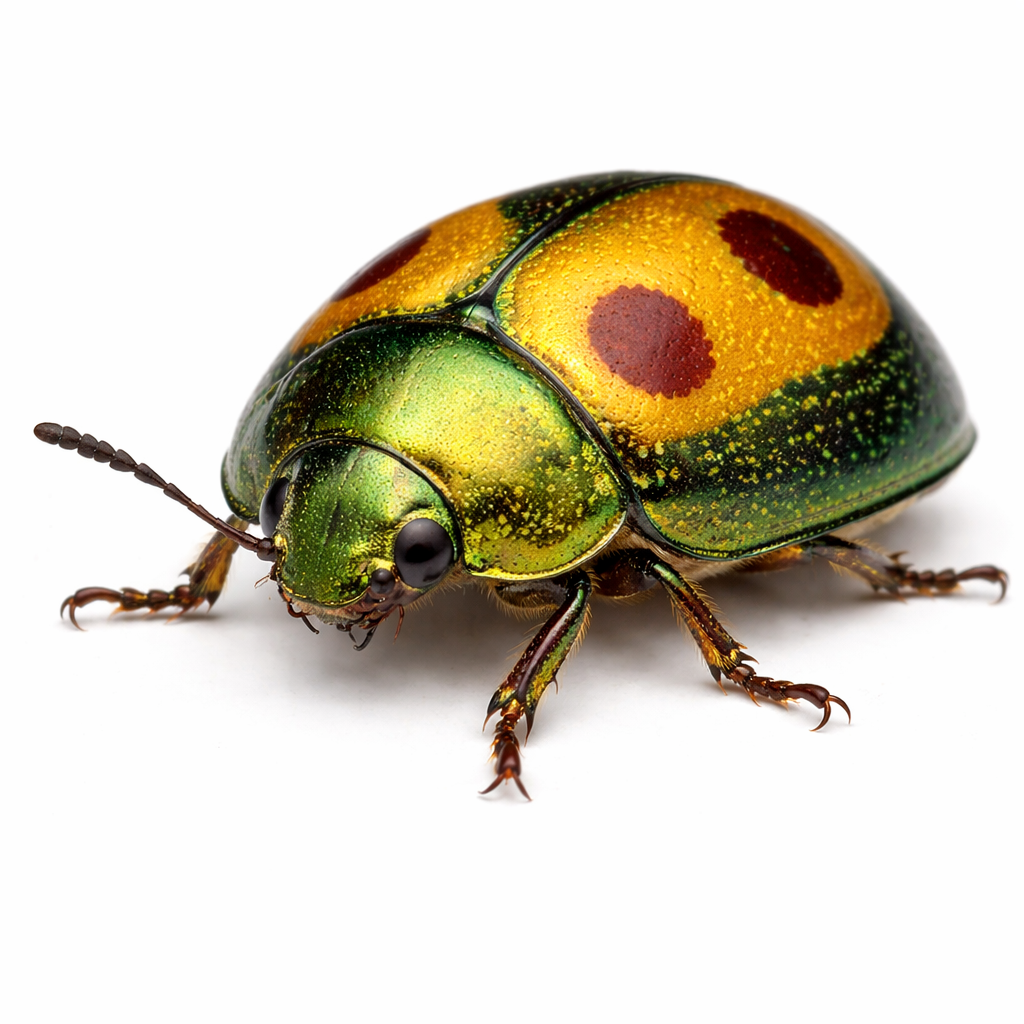
Leaf-feeding beetle that targets eucalyptus trees and foliage.
The Eucalyptus Tortoise Beetle is a native leaf-feeding beetle commonly found on eucalyptus trees throughout Queensland. Both adult beetles and their larvae feed on foliage, occasionally causing noticeable leaf damage during periods of high population. Healthy eucalyptus trees generally recover without long-term harm, although repeated heavy infestations may weaken young or stressed trees. These beetles are commonly encountered in gardens, parks and bushland where eucalyptus species are present. They do not attack buildings, timber structures or household furnishings and are not considered a danger to people or pets. In most situations they form part of the natural balance of the environment and require no treatment. Where valuable ornamental eucalyptus trees are suffering repeated defoliation, professional advice can help determine appropriate management options while minimising impacts on beneficial native wildlife.
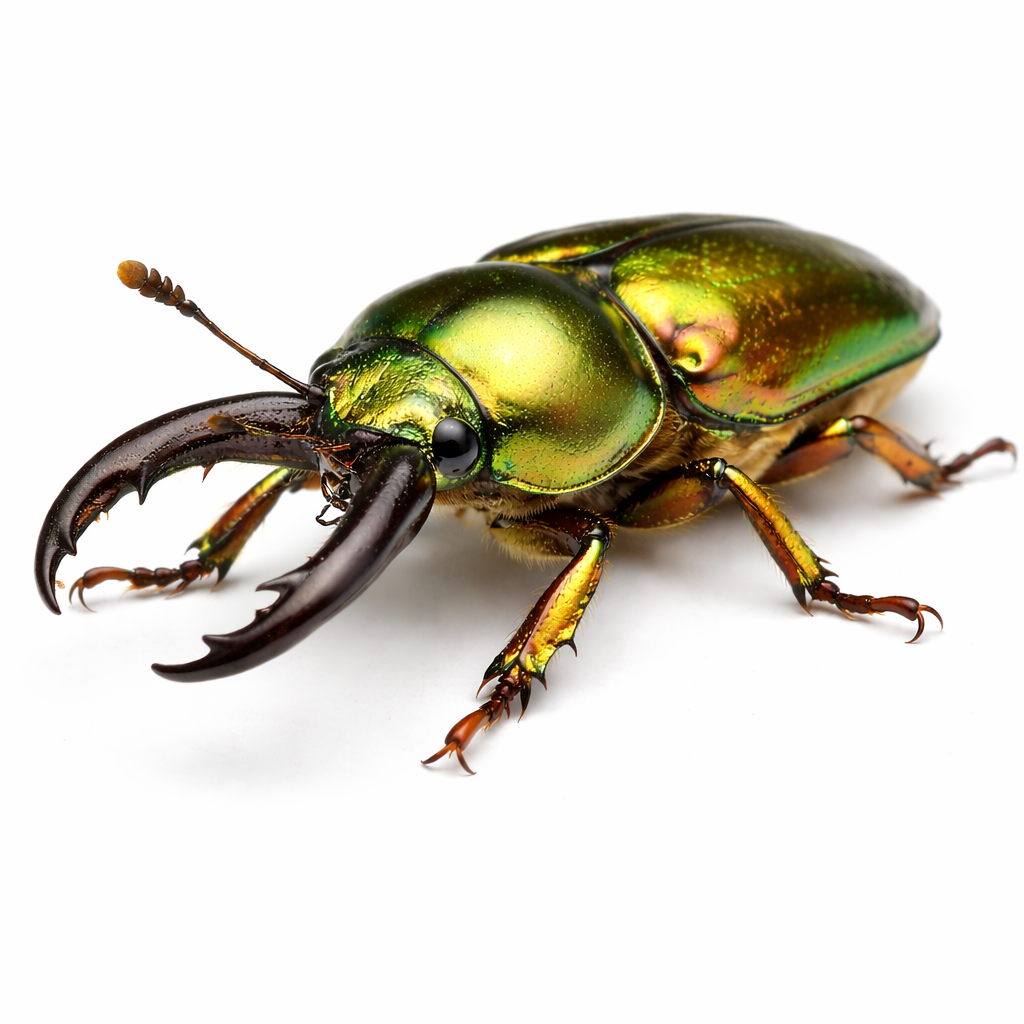
Large beetle with distinctive mandibles and metallic colouring.
The Golden Green Stag Beetle is one of Australia’s impressive native beetles, recognised by its metallic colouring and the enlarged jaws, or mandibles, found on males. These beetles inhabit forested areas where their larvae develop inside decaying logs and rotting timber, playing an important role in breaking down dead wood and recycling nutrients back into the environment. Adult beetles are most active during the warmer months and may occasionally be attracted to outdoor lights. Despite their intimidating appearance, they are harmless to people, pets and buildings and do not infest structural timber. Because they depend on natural forests and decaying timber habitats, Golden Green Stag Beetles are considered beneficial members of the ecosystem. They should be left undisturbed whenever possible, with professional advice only required if correct identification is uncertain.
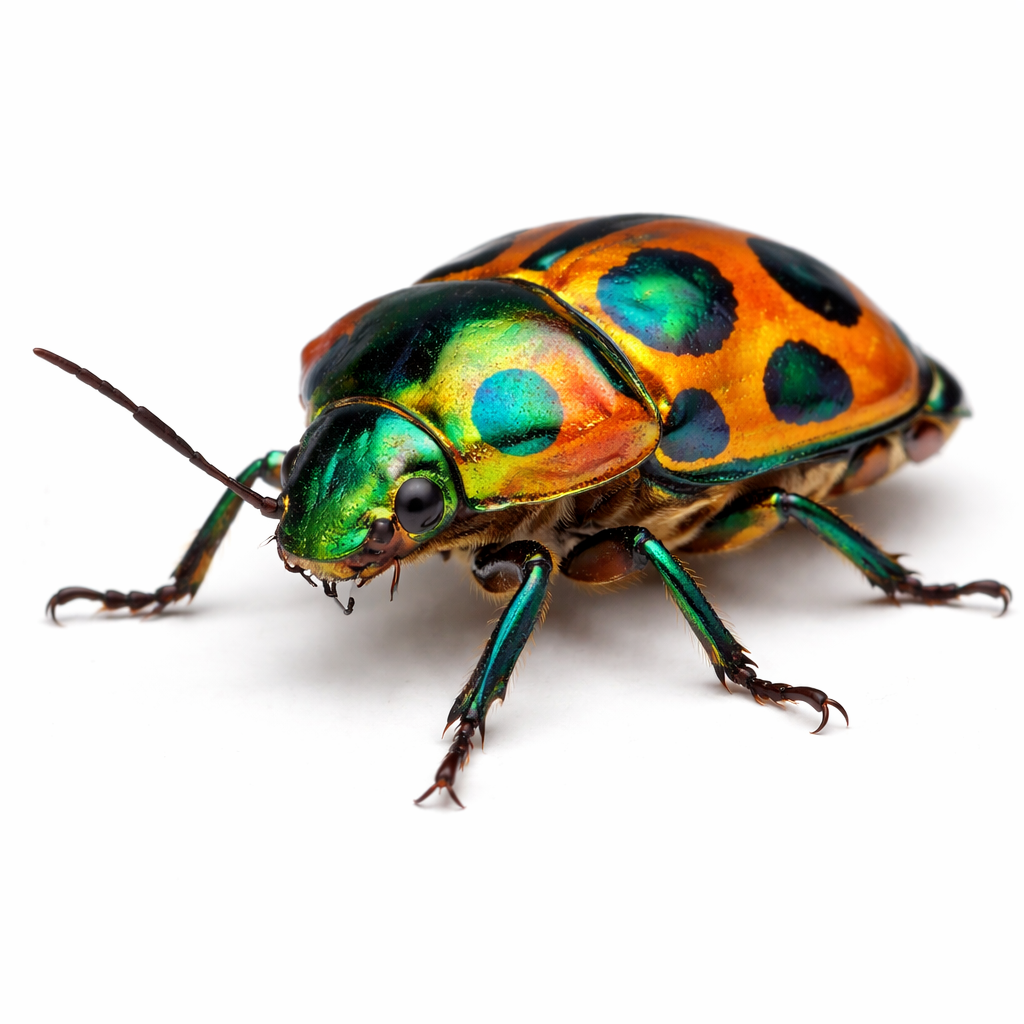
Colourful beetle known to feed on hibiscus plants and leaves.
Hibiscus Harlequin Beetles are brightly coloured native beetles that feed on hibiscus plants and other members of the mallow family. Both adults and larvae chew leaves, flower buds and young shoots, sometimes causing significant cosmetic damage to ornamental plants in home gardens and landscapes. Although established plants usually recover from moderate feeding, repeated infestations may reduce flowering and affect the overall appearance of prized hibiscus specimens. These beetles do not damage buildings or household items and are not harmful to people or pets. Regular garden inspections and early removal of affected insects can help reduce plant damage before populations increase. Where valuable ornamental plants experience persistent infestations, professional pest advice can assist in selecting the most appropriate treatment while minimising impacts on beneficial insects.
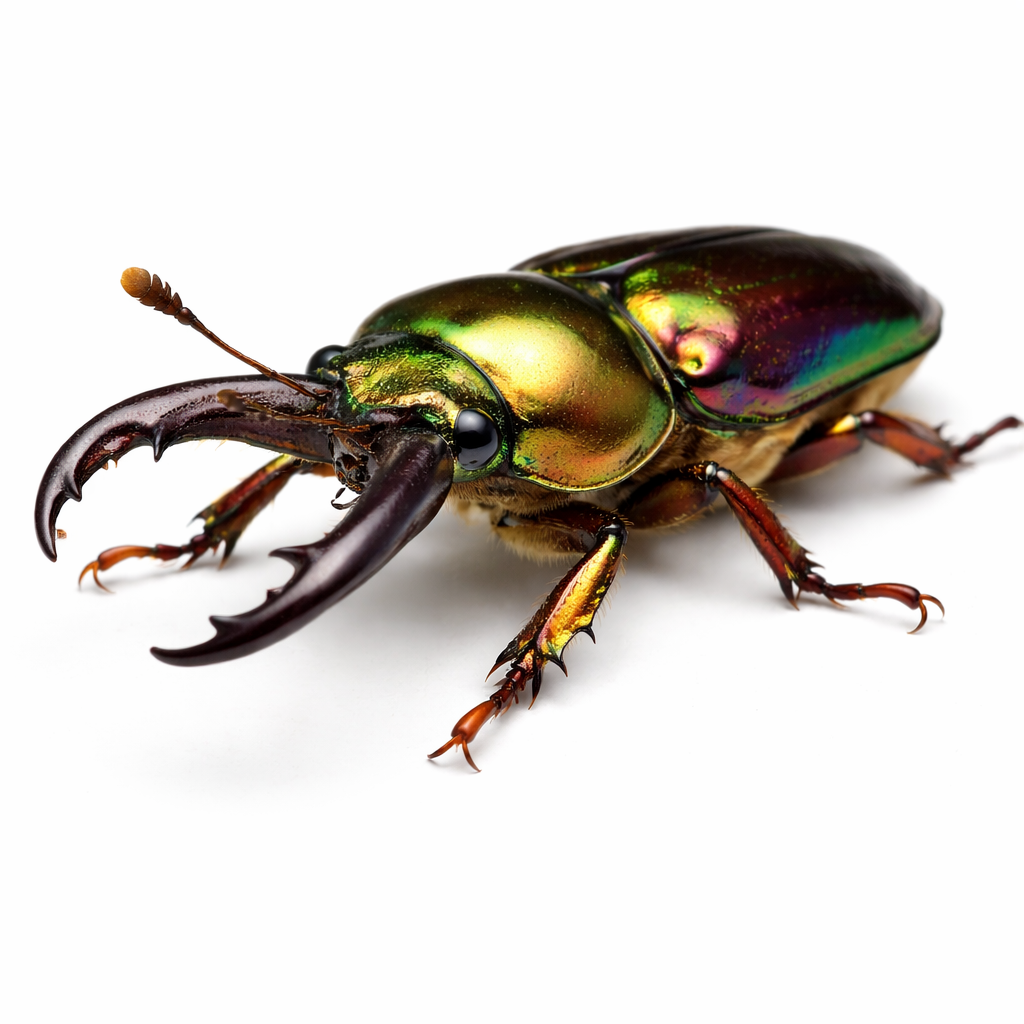
Native stag beetle species found in forested environments.
Mueller’s Stag Beetle is a native Australian beetle found in forested and woodland environments where it spends much of its life associated with decaying timber. The larvae develop slowly inside rotting logs, helping decompose dead wood and contributing to healthy forest ecosystems. Adult beetles are most often seen during warmer months and may occasionally be attracted to lights around homes bordering bushland. Although their large jaws can appear intimidating, they pose no threat to people, pets or buildings and are not timber pests. Unlike termites or wood-boring beetles, Mueller’s Stag Beetles rely on timber that is already dead and decaying rather than healthy structural wood. They are considered beneficial insects and should generally be left undisturbed whenever encountered in natural environments.
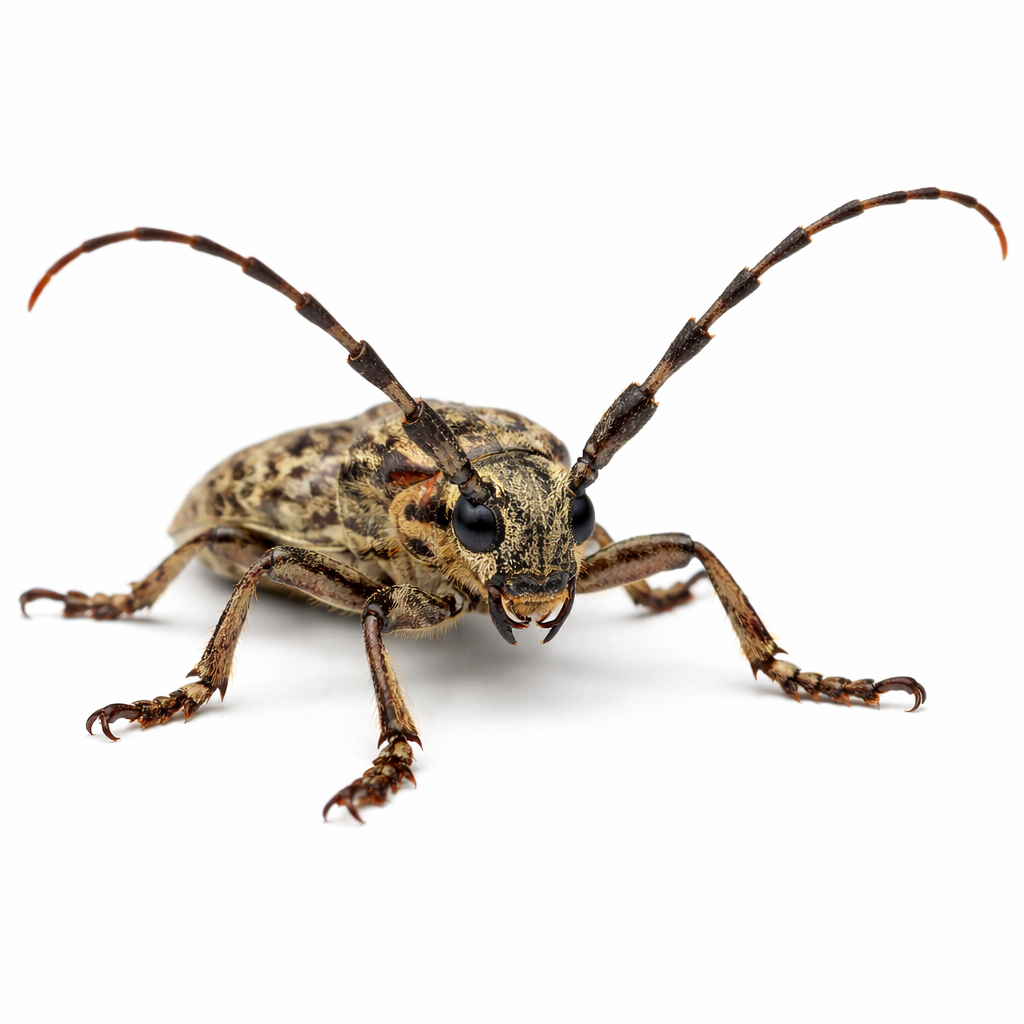
Wood-boring beetle known for its long antennae and timber activity.
Queensland Longhorn Beetles are large native beetles recognised by their exceptionally long antennae and impressive size. Many species spend their larval stage tunnelling through dead or dying timber where they assist in the natural decomposition process. While some longhorn beetles are associated with weakened trees or untreated timber, they are not generally regarded as serious structural pests in sound, well-maintained buildings. Adult beetles are occasionally attracted to lights and may enter homes during warm evenings, causing unnecessary concern because of their size. Correct identification is important, as they are often mistaken for destructive timber pests. Where beetle activity is discovered in structural timber or valuable wooden items, professional inspection can determine whether treatment is required or whether the beetles are simply emerging from previously infested dead wood.
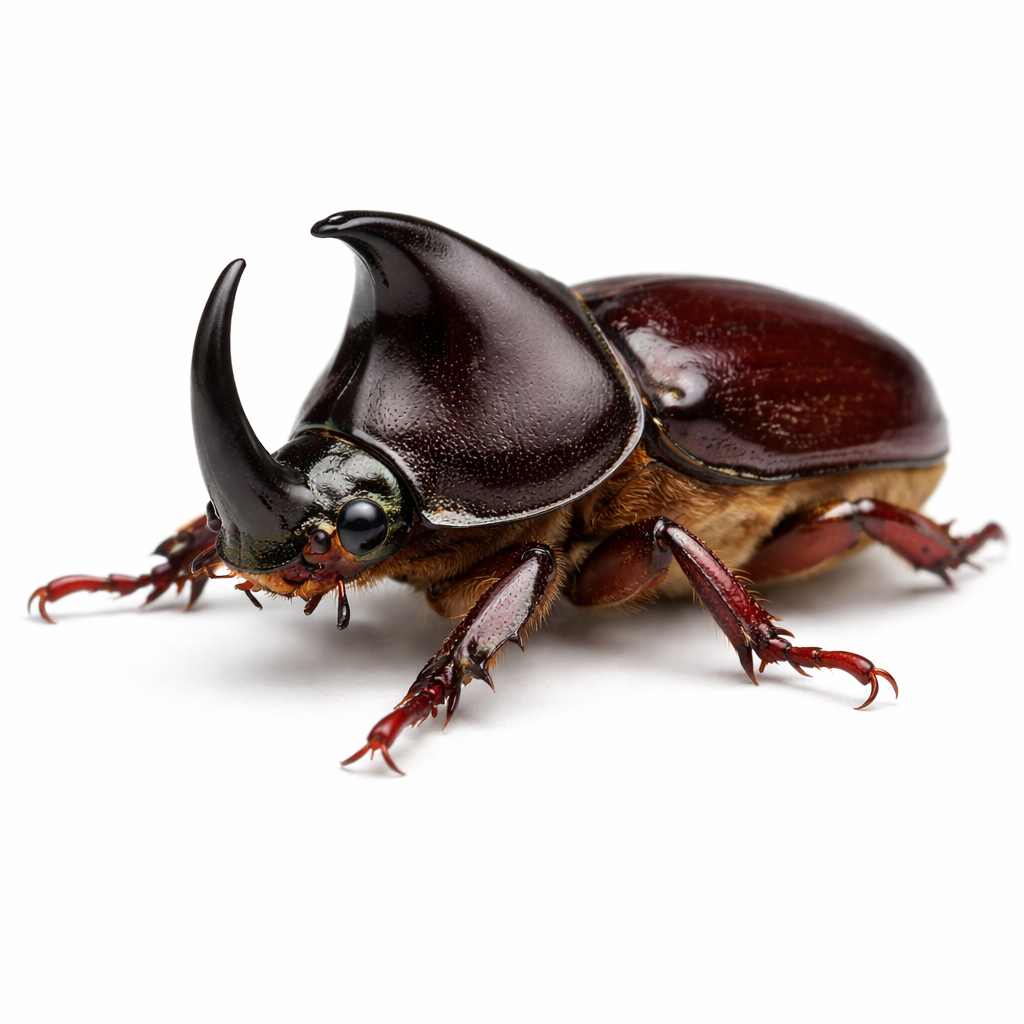
Large beetle with horn-like structure, often found in soil and gardens.
Rhinoceros Beetles are large, powerful scarab beetles named for the distinctive horn-like projection found on the males. They are commonly associated with compost, decaying vegetation, mulch and rich organic soils where their larvae develop by feeding on decomposing plant material. Most native Rhinoceros Beetles play an important ecological role and are harmless to people, pets and buildings. However, certain invasive species, such as the Coconut Rhinoceros Beetle, can pose a significant threat to palm trees and agricultural industries. Correct identification is therefore essential whenever unusually large beetles are found around gardens or landscaped areas. In most residential situations, native Rhinoceros Beetles require no treatment and should be regarded as beneficial recyclers of organic matter. Professional advice should be sought if damage to palms or valuable ornamental plants is suspected.