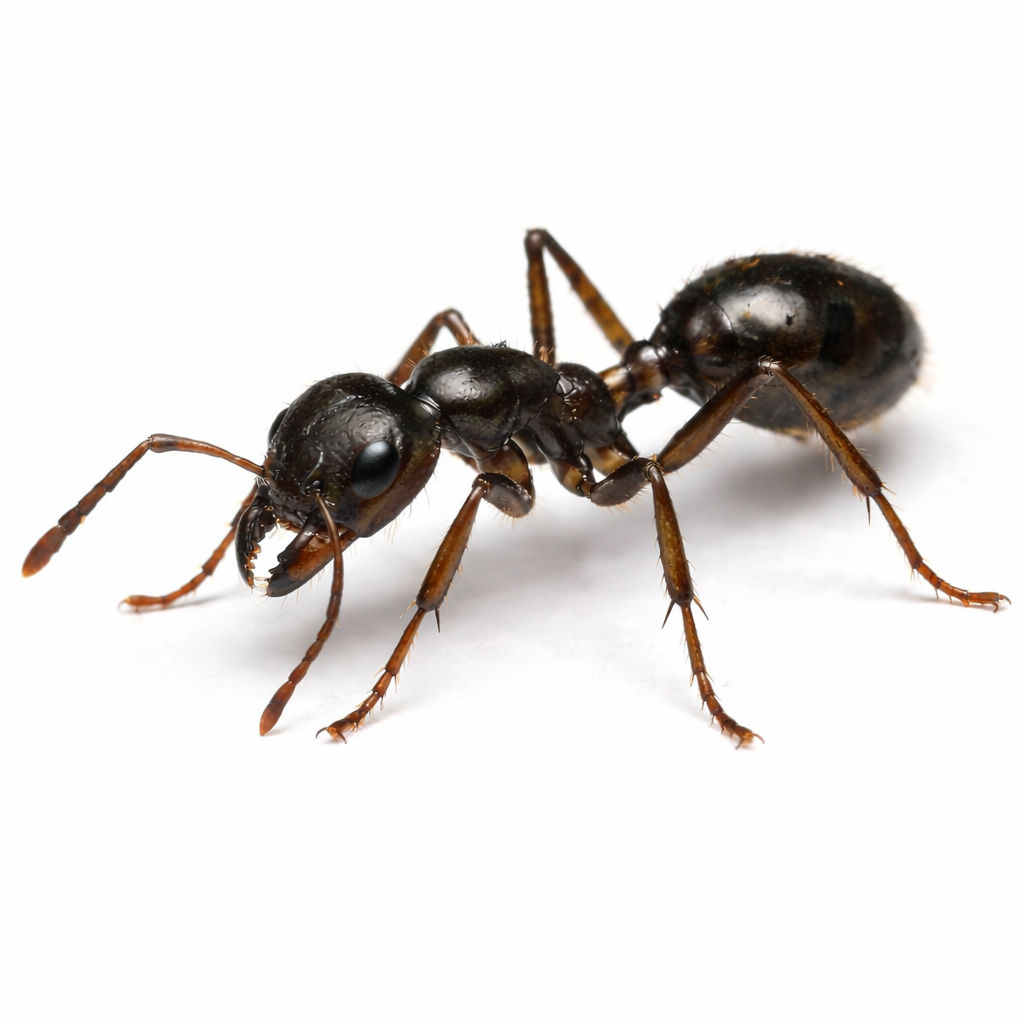
Common household ant found in kitchens and wall cavities.
Black House Ants are among the most common household ants found throughout Queensland and are frequently seen inside kitchens, pantries, bathrooms and wall cavities. These small black ants are constantly searching for food, water and shelter, often following invisible scent trails that lead hundreds of workers into a home. Although they do not bite or sting and cause little structural damage, they can quickly become a nuisance by contaminating food preparation areas and invading cupboards, benchtops and pet feeding areas. Their nests are commonly established in wall voids, gardens, beneath paving, roof spaces and other protected locations close to a reliable food source. Homeowners often notice increased activity during warmer weather or after rainfall. While supermarket sprays may kill the ants that are visible, they rarely eliminate the colony itself, allowing the problem to return. Professional pest control targets the source of the infestation, helping eliminate established colonies and providing longer-lasting protection against future invasions.
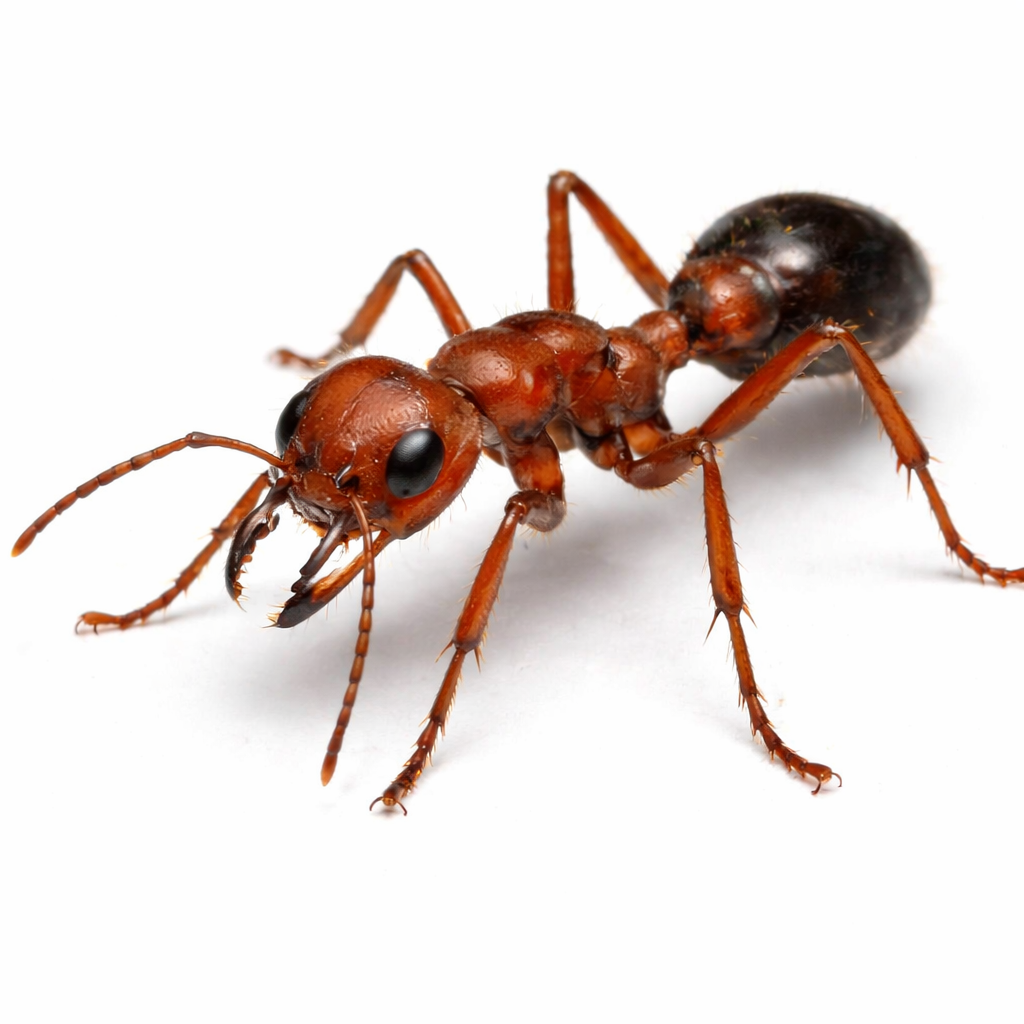
Large aggressive ant known for painful bites and outdoor nests.
Bull Ants are one of Australia’s largest native ant species and are easily recognised by their impressive size, powerful jaws and aggressive behaviour. They are commonly found in gardens, bushland, parks and rural properties where they build nests in soil, under logs and around tree roots. Unlike many other ants, Bull Ants rely on their excellent eyesight and will actively defend their nests if disturbed. Their painful bite and sting can cause significant discomfort and, in some people, severe allergic reactions requiring immediate medical attention. They are generally not interested in entering homes but become a concern when nests are located near pathways, children’s play areas, lawns or outdoor entertaining spaces. Disturbing a colony can result in multiple ants attacking at once. Professional treatment is recommended where Bull Ant nests present a risk to family members, visitors or pets, particularly in areas of regular outdoor activity.
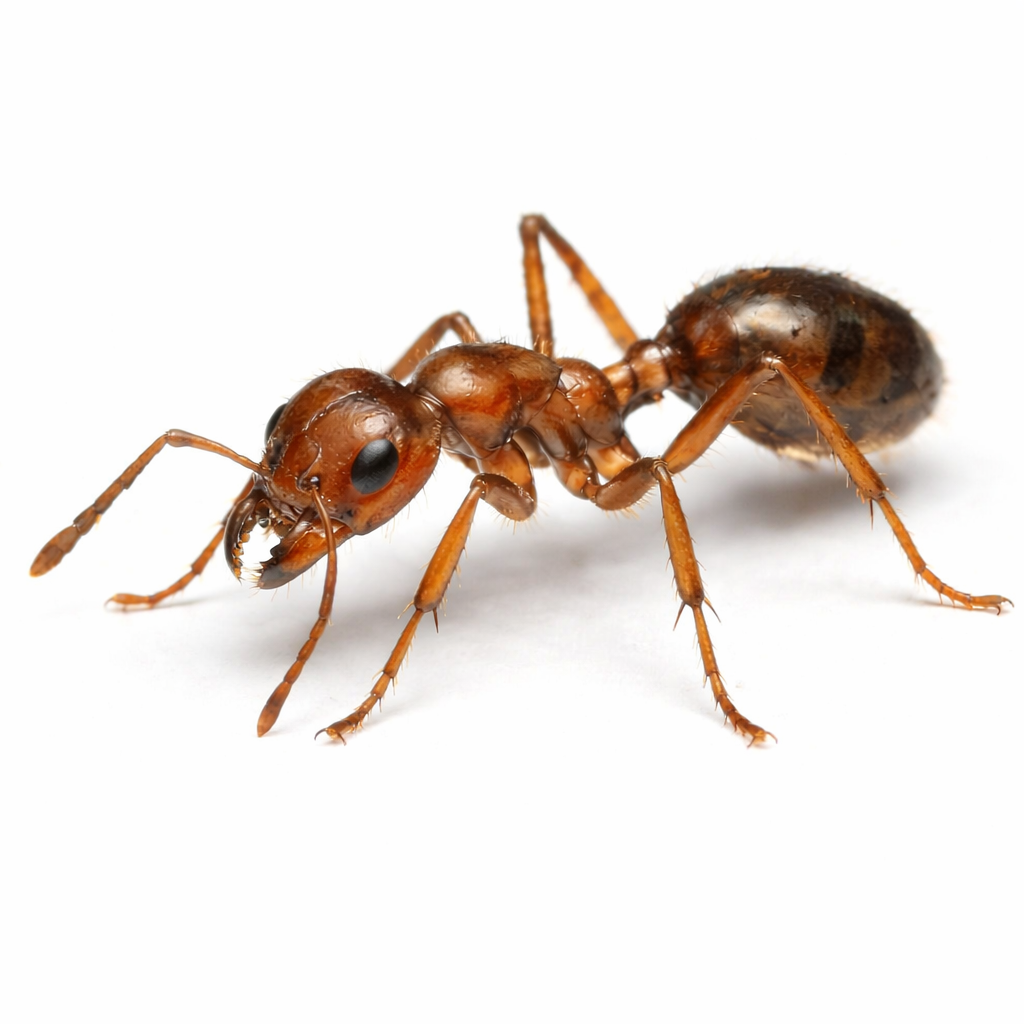
Coastal brown ant pest commonly found in Queensland homes
Coastal Brown Ants are one of the most widespread nuisance ant species found throughout Queensland and are responsible for countless household infestations each year. These small brown ants establish enormous colonies with multiple queens, allowing populations to grow rapidly and making them difficult to eliminate without professional treatment. They are strongly attracted to sweet foods, proteins and moisture, frequently invading kitchens, pantries, pet food bowls and rubbish areas. Their nests are commonly located beneath concrete paths, paving, gardens, wall cavities and landscaped areas surrounding homes. Because of their multiple nesting sites, treating only the ants that are visible rarely solves the problem for long. Homeowners often notice long trails of ants travelling between food sources and hidden nests. Professional pest management focuses on locating and eliminating the colony rather than simply controlling the worker ants, providing far more effective long-term results.
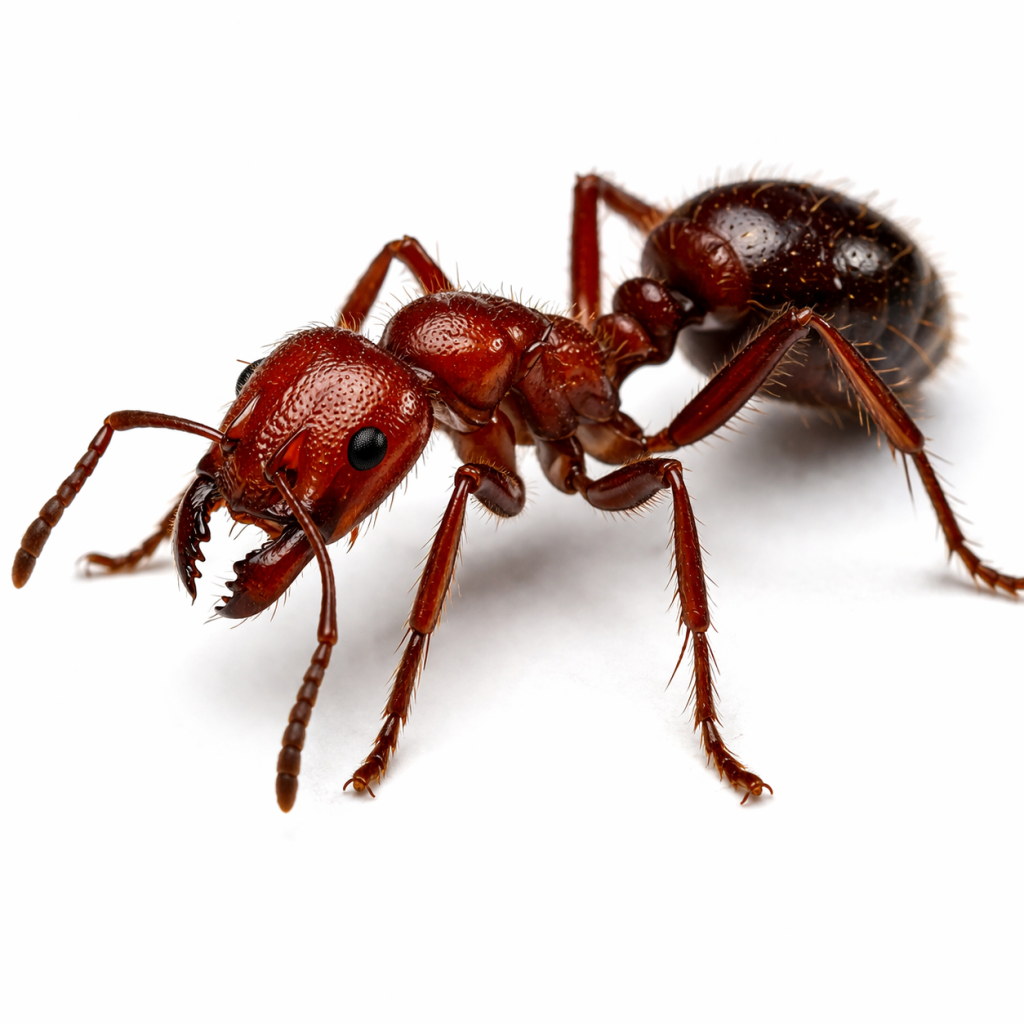
Native ant species commonly seen in outdoor environments.
Queensland Meat Ants are a native Australian species commonly found throughout Queensland in parks, gardens, lawns and open bushland. They build extensive underground colonies with numerous entrance holes and are often seen travelling in well-defined trails while searching for insects, seeds and other food sources. These ants play an important role in the natural environment by helping recycle organic material and controlling some insect populations. Around residential properties, however, large colonies can become a nuisance by disturbing lawns, creating unsightly soil mounds and aggressively defending their nests when approached. Although they rarely invade homes in significant numbers, their colonies may continue to expand if left untreated. Homeowners should avoid disturbing active nests, particularly where children or pets regularly play. Professional pest management provides effective long-term control where Queensland Meat Ant colonies interfere with outdoor living areas or become difficult to manage using conventional treatments.
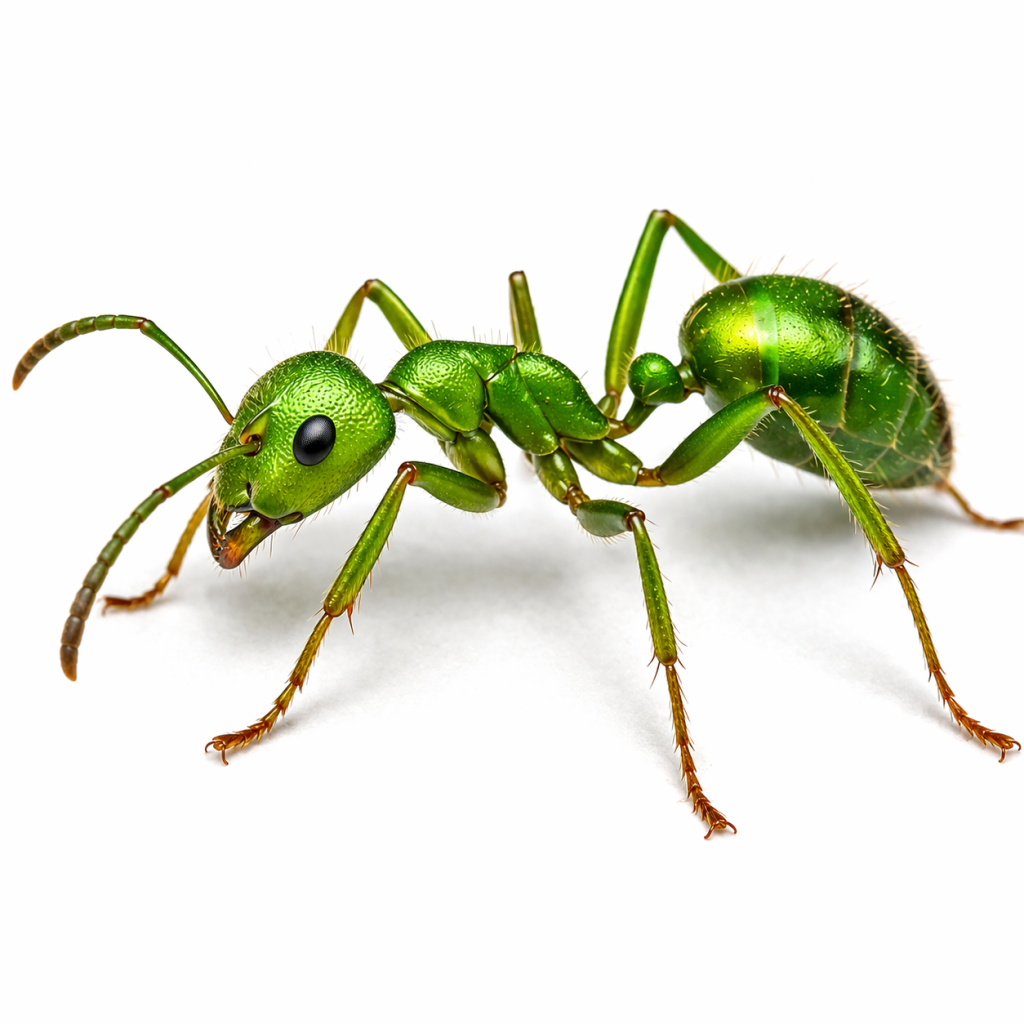
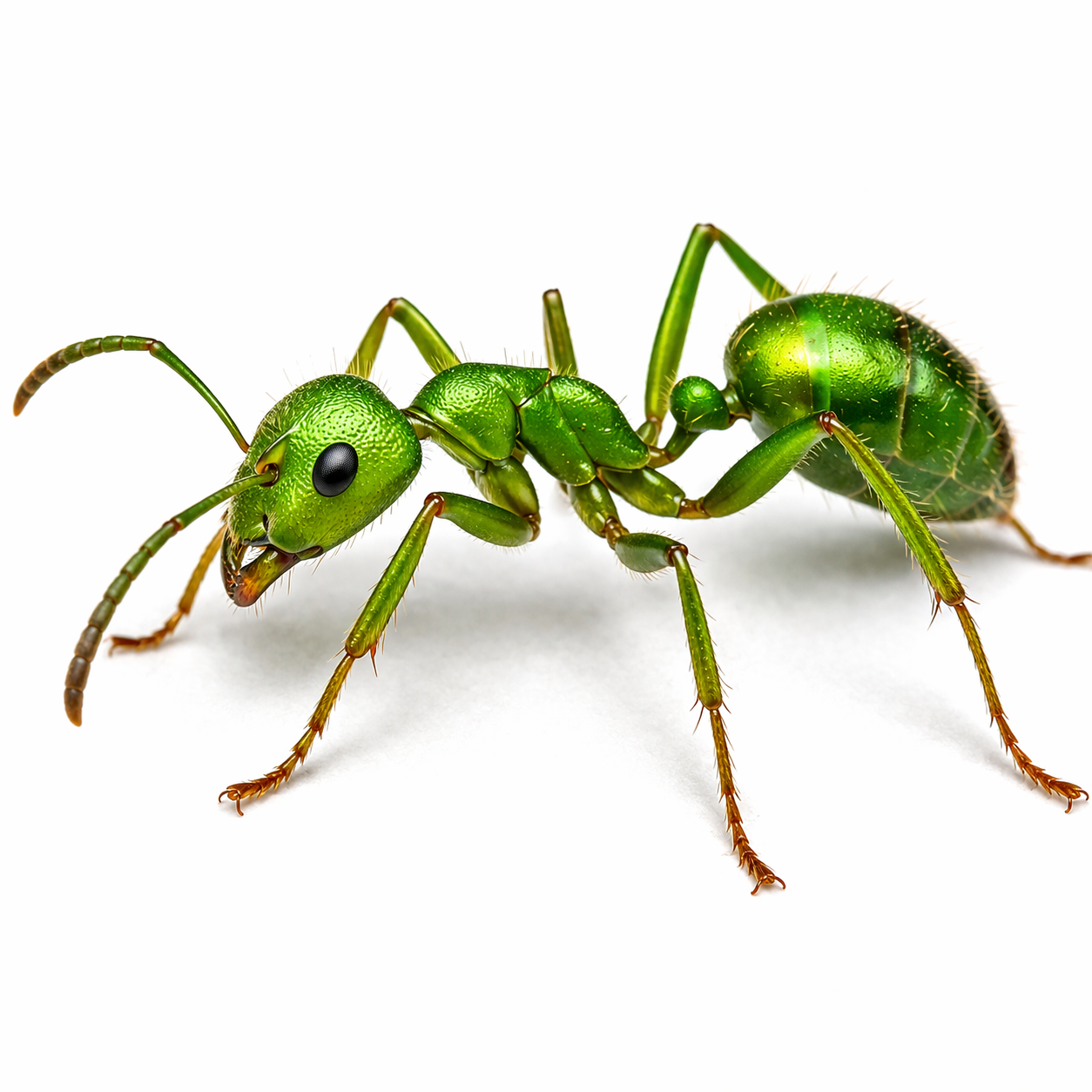
Also known as weaver ants, they build nests in trees and shrubs.
Green Ants, commonly known as Weaver Ants, are native Australian ants famous for constructing distinctive nests by weaving leaves together high in trees and shrubs. Worker ants pull leaves together while larvae produce silk to bind them, creating strong aerial nests that can remain active for long periods. Green Ants are beneficial predators that help control many garden insect pests, but they are also highly territorial and will aggressively defend their nests. Their painful bite is usually followed by the spraying of formic acid into the wound, creating an intense burning sensation. They are commonly found in gardens, parks, orchards and bushland throughout Queensland. While many homeowners tolerate Green Ants because of their environmental benefits, colonies located near entrances, children’s play areas, swimming pools or outdoor entertaining spaces may become a problem. Professional treatment can safely relocate or eliminate troublesome colonies where they present an ongoing nuisance or safety concern.
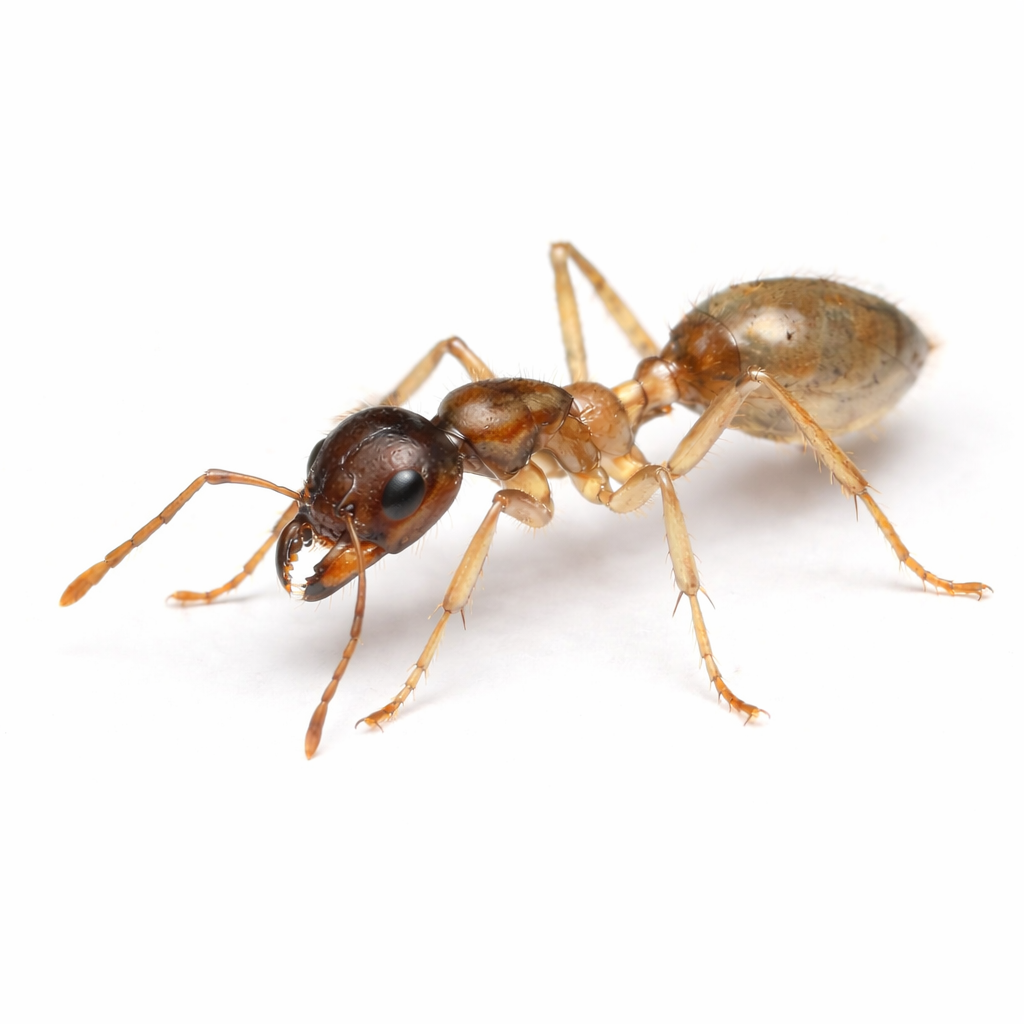
Tiny pale ant commonly found inside kitchens and bathrooms.
Ghost Ants are tiny household ants easily recognised by their pale, almost transparent legs and abdomen, making them appear ghost-like as they move across surfaces. They are commonly found throughout Queensland, particularly in kitchens, bathrooms, laundries and other warm, humid areas where food and moisture are readily available. Ghost Ants establish multiple nests both indoors and outdoors, often hiding inside wall cavities, roof voids, potted plants and behind cupboards or appliances. Although they do not sting or cause structural damage, their ability to rapidly establish large colonies makes them a persistent household nuisance. Their small size allows them to enter through tiny cracks and gaps that many other ants cannot access. Standard household sprays often scatter colonies rather than eliminate them, causing the infestation to spread further. Professional pest control focuses on locating the hidden nesting sites and treating the entire colony, providing more effective long-term control and reducing the likelihood of future infestations.
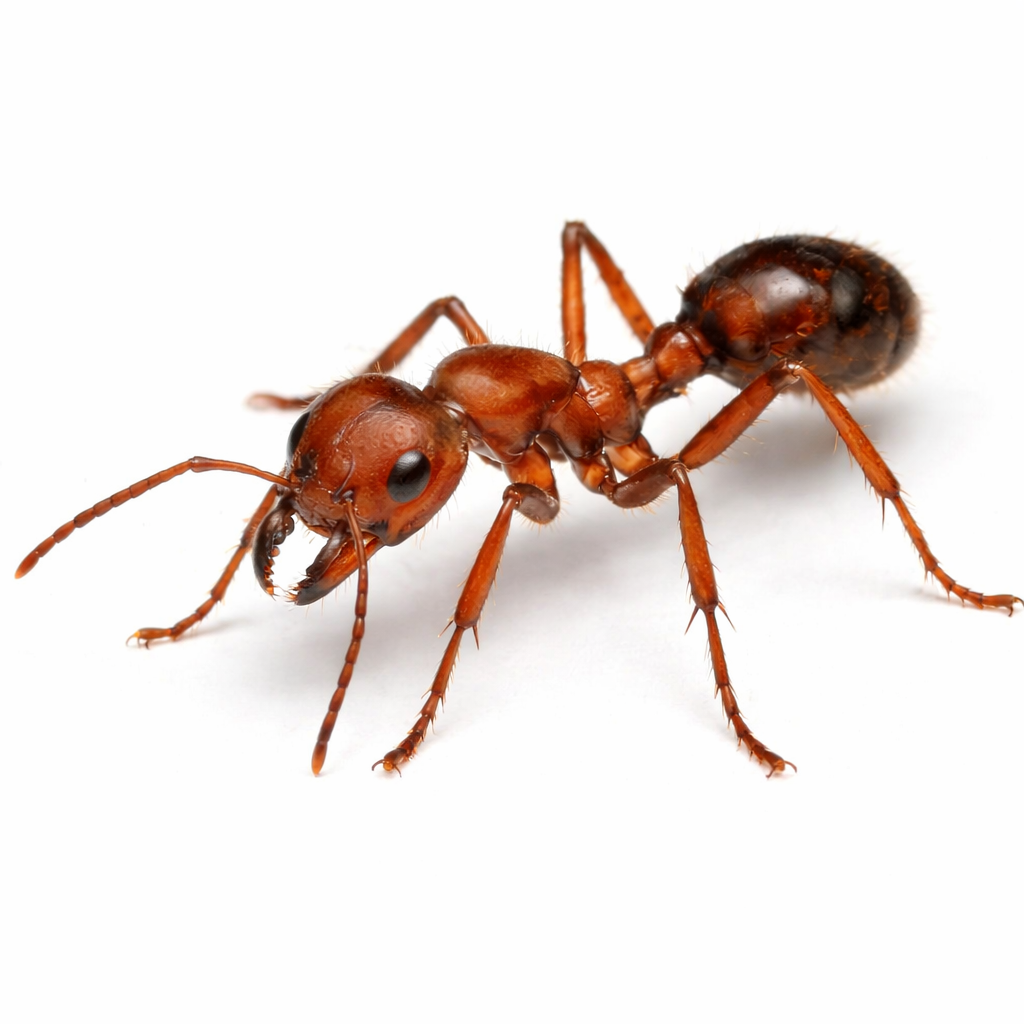
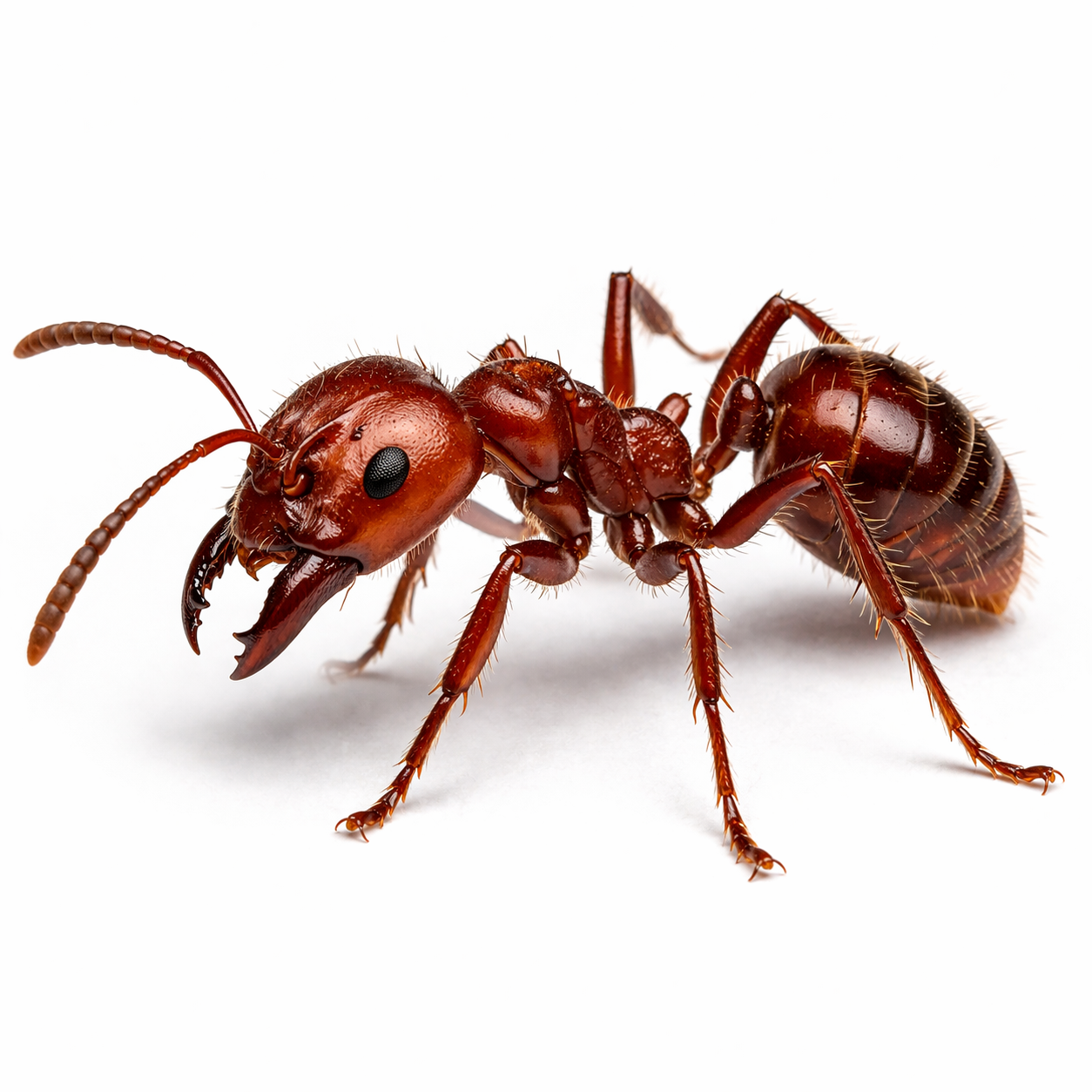
Highly aggressive stinging ant known for forming large colonies.
Fire Ants are recognised as one of the world’s most destructive invasive ant species and pose a significant threat to people, pets, livestock, agriculture and the environment. These highly aggressive ants build soil mounds and will attack in large numbers if their nest is disturbed, delivering multiple painful stings that can cause severe allergic reactions in some individuals. Fire Ant colonies spread rapidly and are capable of infesting large areas if left untreated. In Queensland they are subject to strict government management programs because of their potential economic and environmental impact. Homeowners should never attempt to move or disturb suspected Fire Ant nests. If Fire Ants are discovered, the infestation should be reported where required and professional advice sought immediately. Early detection and rapid treatment are essential to preventing further spread and protecting neighbouring properties and the wider community.
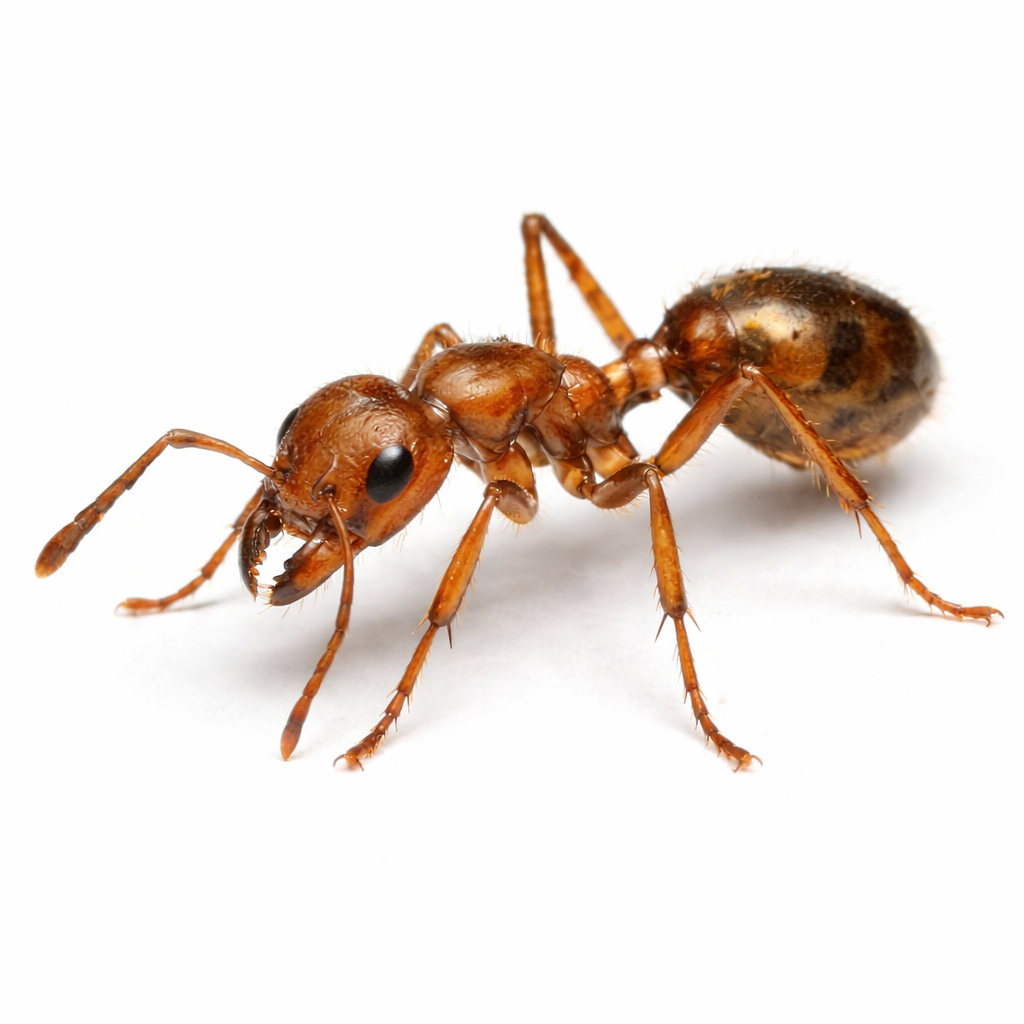
Small invasive ant with a painful sting and aggressive behaviour.
Electric Ants are a tiny but highly invasive pest species capable of delivering a surprisingly painful sting despite their extremely small size. Their aggressive behaviour and ability to establish large interconnected colonies make them a serious concern in residential gardens, landscaped areas and commercial properties. Electric Ants can spread rapidly through soil, pot plants, mulch and garden materials, often going unnoticed until populations become well established. Their sting can affect people, pets and wildlife, while heavy infestations may interfere with outdoor activities and gardening. Early identification is extremely important, as controlling an established infestation becomes increasingly difficult over time. Unlike many common household ants, Electric Ants require specialised treatment strategies to eliminate all connected colonies. Professional pest management is strongly recommended whenever Electric Ants are suspected to prevent further spread and reduce the risk of reinfestation.
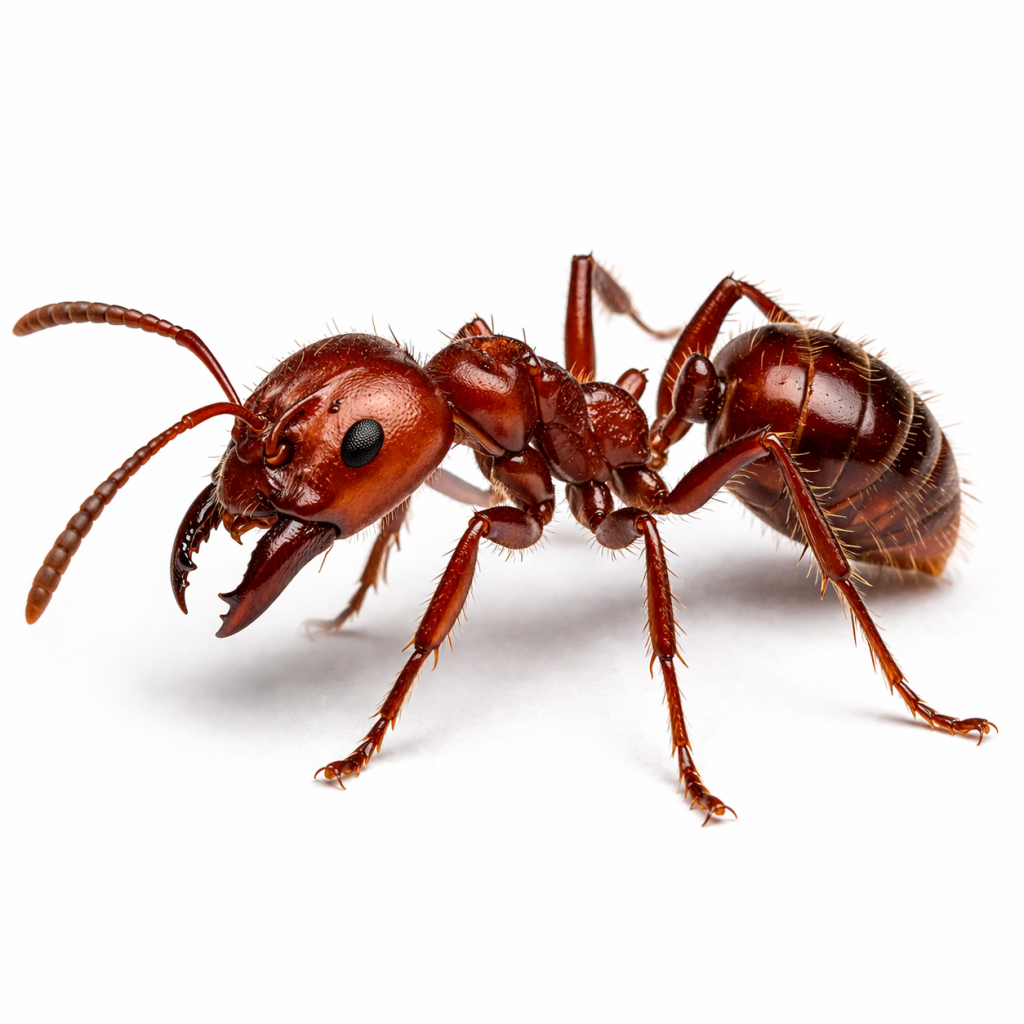
Large ant species often seen around lawns and outdoor areas.
Common Meat Ants are a native Australian species frequently seen throughout Queensland in lawns, gardens, parks and open outdoor areas. They build distinctive large mound nests with numerous entrance holes and maintain extensive underground tunnel systems that may cover a considerable area. These ants are active scavengers, feeding on insects, animal matter and sugary substances, and play an important role in the natural environment. However, they can become a nuisance around homes where large colonies interfere with landscaping, outdoor entertaining areas and children’s play spaces. Although they do not usually invade houses in significant numbers, they will aggressively defend their nests if disturbed and may bite. Large colonies can be difficult to control because of their extensive underground network. Professional pest control provides the most effective solution where Common Meat Ants become established close to homes or create ongoing problems around residential properties.
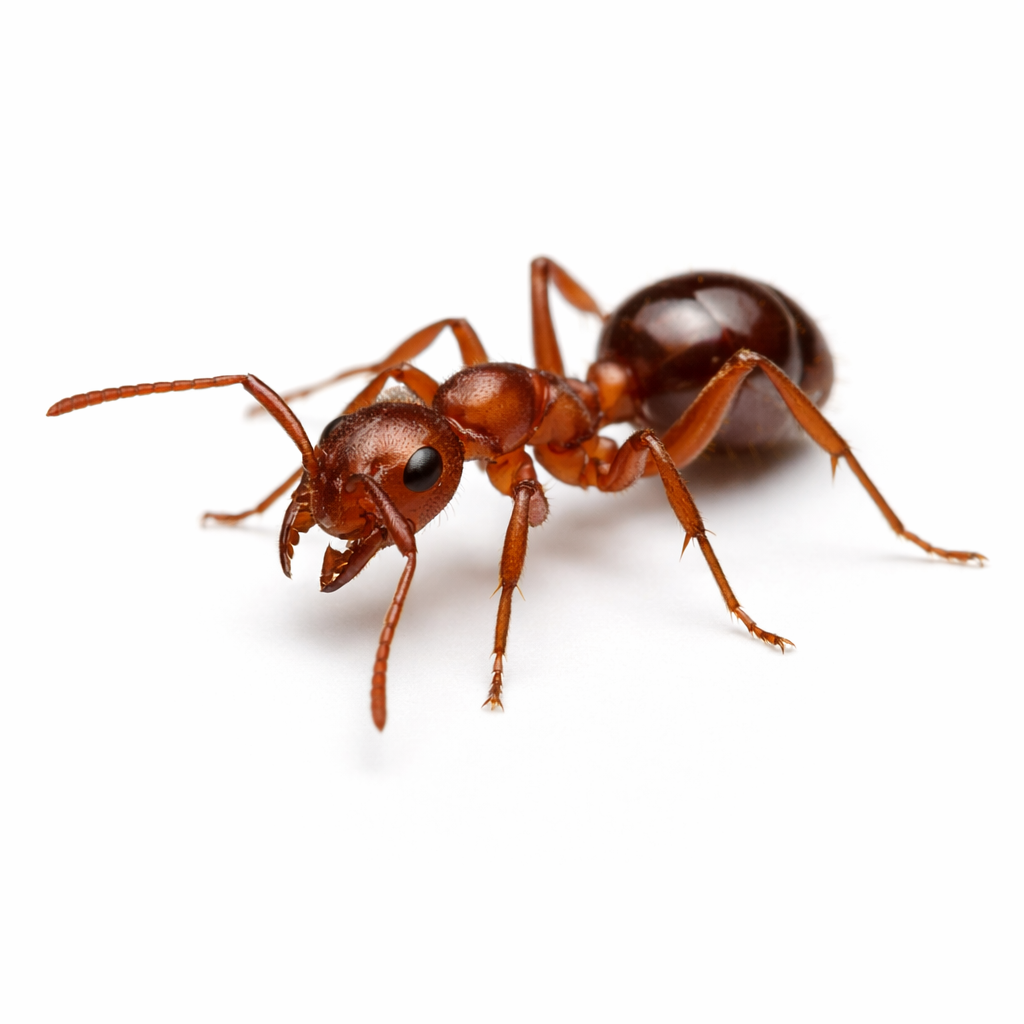
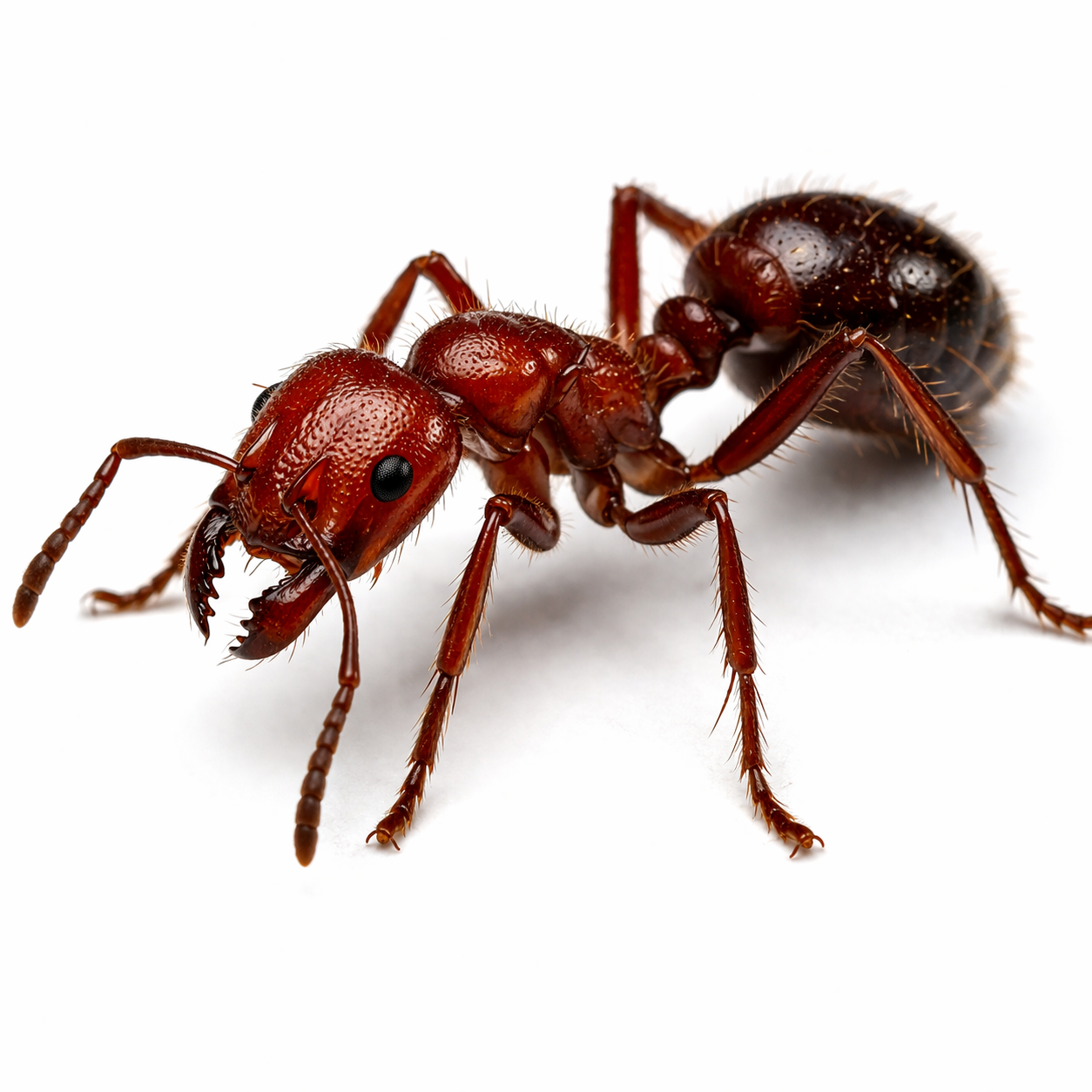
General term for reddish ants that can bite or sting when disturbed.
The name Red Ant is commonly used to describe several different species of reddish-coloured ants found throughout Queensland and Australia. Depending on the species involved, Red Ants may simply become a nuisance around homes or may deliver painful bites and stings when disturbed. They are commonly found nesting beneath rocks, garden beds, lawns, timber, paving and other sheltered outdoor locations. Some species may enter homes searching for food and water, particularly during warmer months or periods of dry weather. Because the term “Red Ant” covers a variety of different ants, accurate identification is important before selecting the most effective treatment. Different species behave differently and may require completely different control methods. Professional pest control can correctly identify the ant species, locate hidden nesting sites and recommend the most appropriate long-term treatment to reduce future infestations.
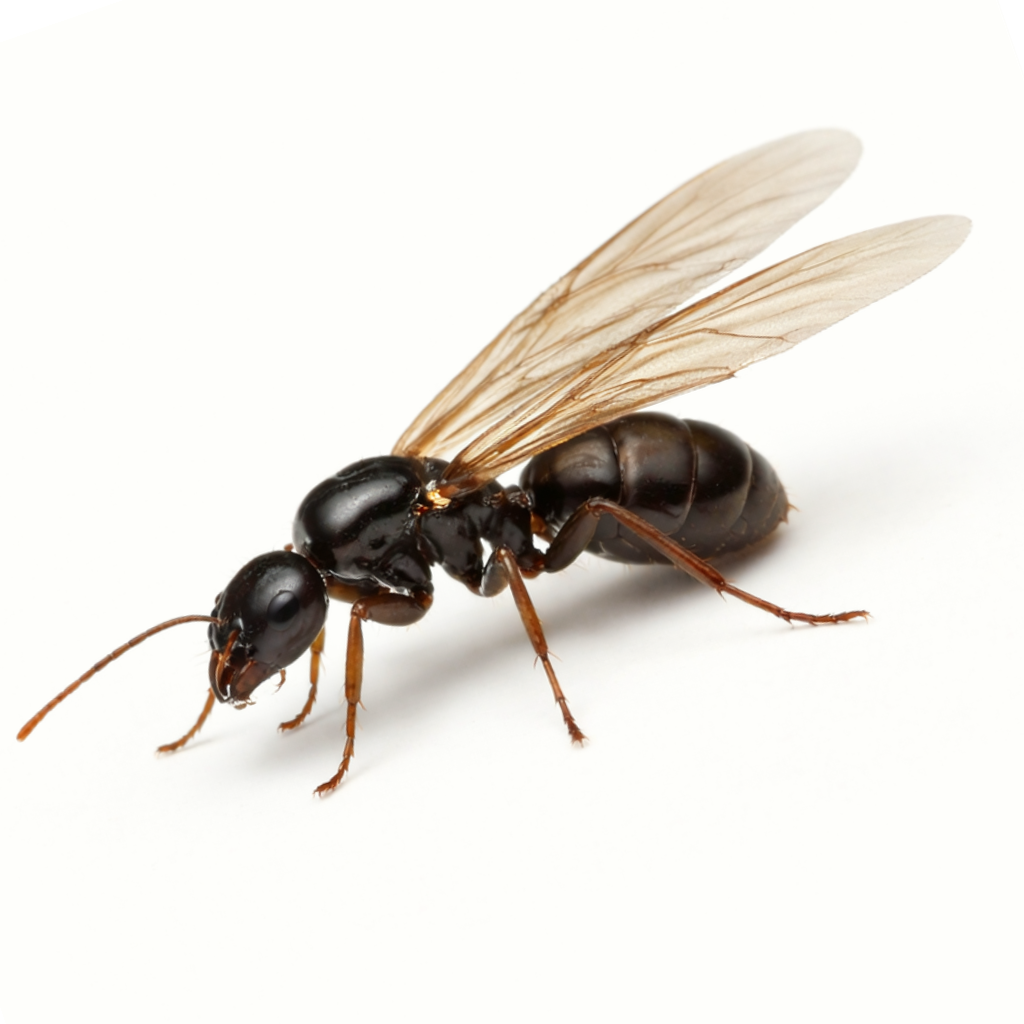
Reproductive ants that swarm during breeding seasons.
Winged Ants are the reproductive males and future queens of an established ant colony. They are most commonly seen during warm, humid conditions when large numbers leave the nest in a mating flight to establish new colonies. These seasonal swarms often alarm homeowners because they closely resemble flying termites, although the two insects have several important differences. Correct identification is essential, as termites require a very different treatment approach. Finding a few Winged Ants outdoors is usually a normal part of the breeding cycle, but repeated swarms inside a home may indicate that an ant colony is nesting within wall cavities, roof spaces or beneath the building. Professional inspection can quickly determine whether the insects are Winged Ants or termites and identify the source of the infestation. Early identification helps prevent unnecessary concern while ensuring any genuine pest problem is dealt with promptly and effectively.