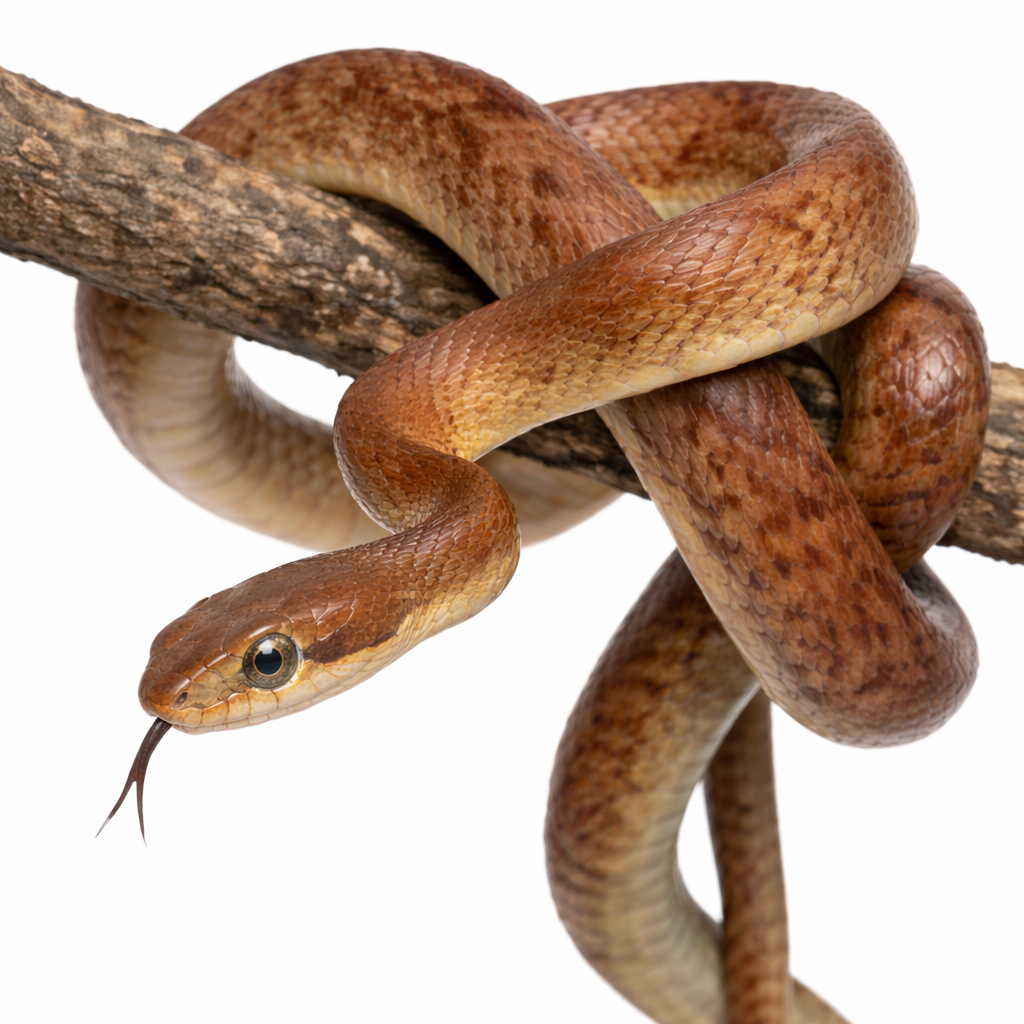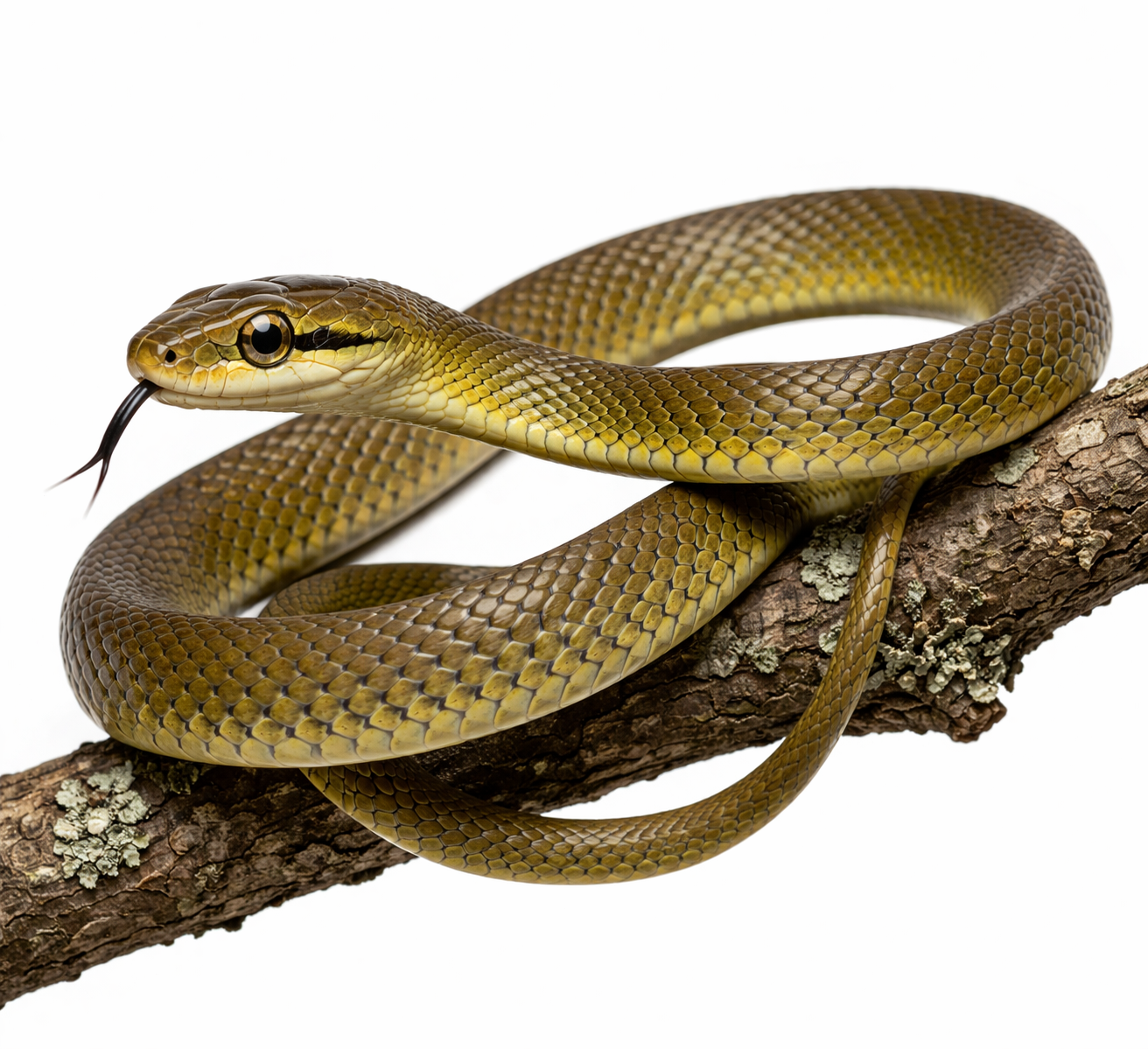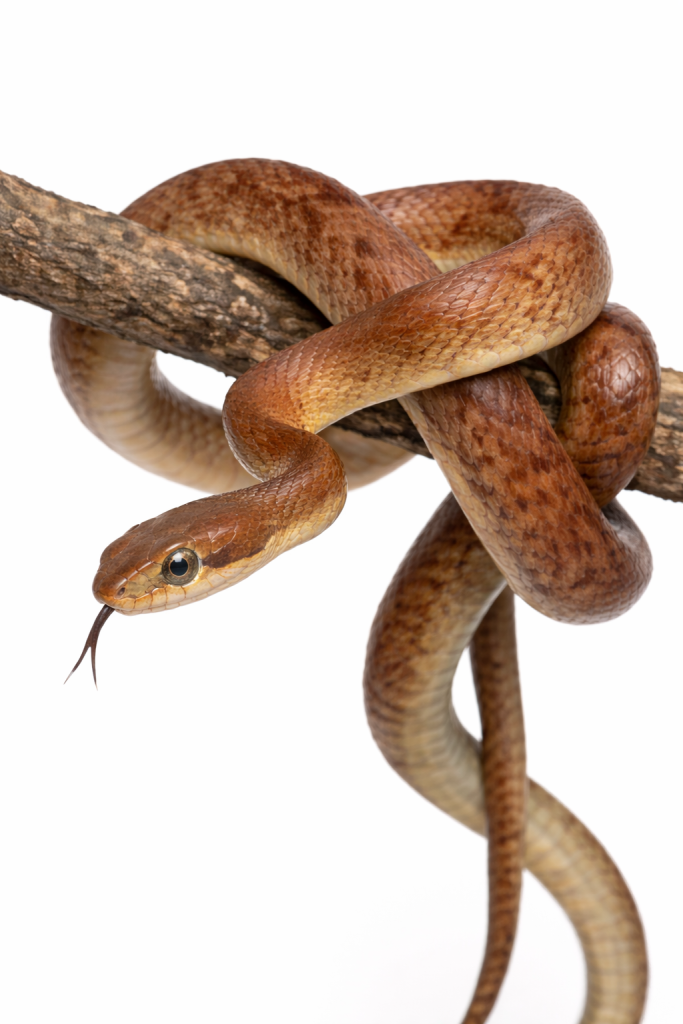
Nocturnal tree-dwelling snake commonly found in urban and bush areas.
The Brown Tree Snake is a slender, mostly nocturnal snake commonly found throughout parts of Queensland in trees, gardens, roof spaces and bushland. It is an excellent climber and is frequently encountered around homes where it hunts lizards, frogs, birds and small mammals. Although mildly venomous, the Brown Tree Snake is generally considered to pose little danger to healthy adults, with bites usually causing only local pain and swelling. It is a shy species that will usually avoid people whenever possible. Homeowners often discover these snakes in sheds, garages, roof cavities or climbing through garden vegetation in search of prey. Because all snakes should be treated with caution, they should never be handled or cornered. If a Brown Tree Snake enters a home or cannot safely leave the property, a licensed snake catcher should be contacted to safely relocate the animal.
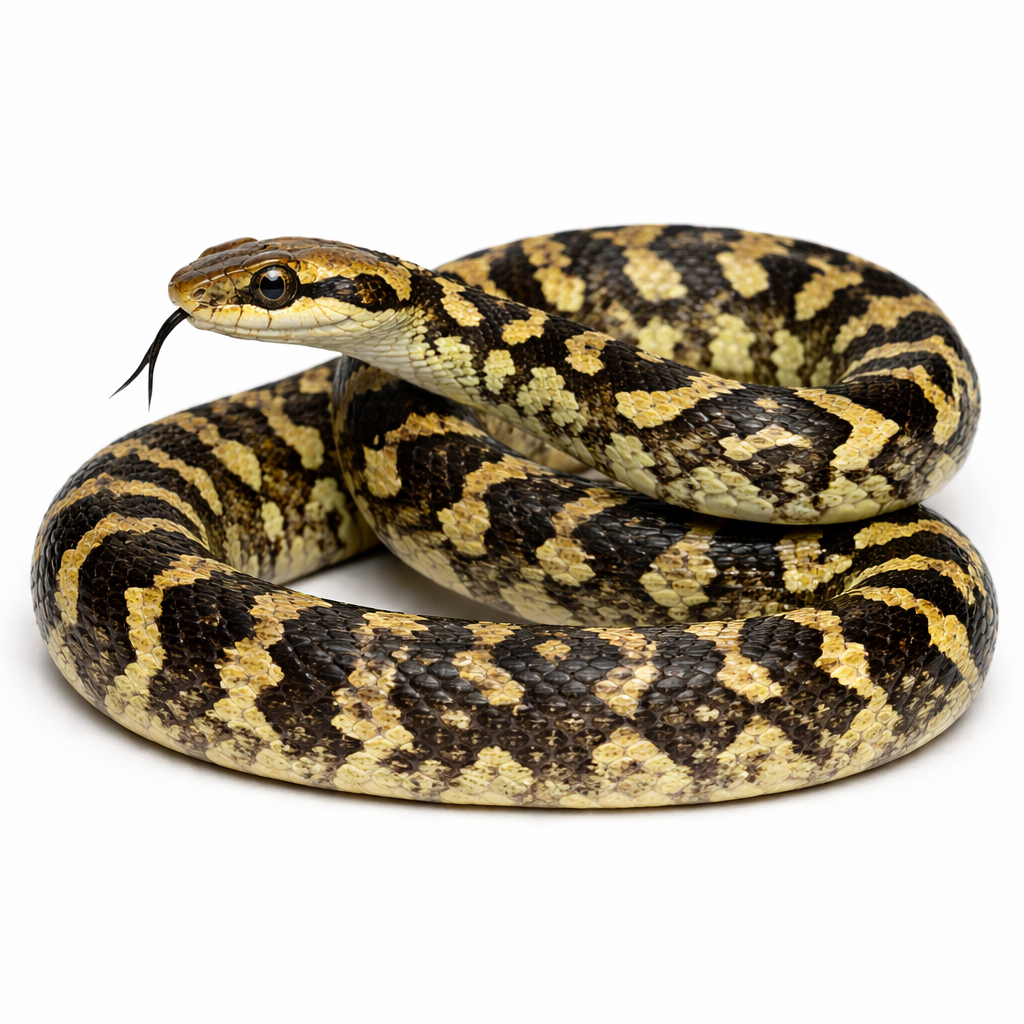
Large non-venomous python commonly found around homes and bushland.
Carpet Pythons are large, non-venomous snakes commonly found throughout Queensland in bushland, suburban gardens, roof spaces and rural properties. They are highly adaptable and are often attracted to homes because of the availability of rats, mice, possums and other prey. Although their size can be intimidating, Carpet Pythons are generally calm and non-aggressive unless threatened or handled. They provide a valuable natural form of rodent control and are protected under Australian wildlife legislation. Homeowners frequently discover them inside roof voids, sheds or around poultry enclosures where food is abundant. In most situations, the safest approach is to leave the snake alone and allow it to move on naturally. If removal is necessary, only a licensed snake catcher should be contacted, as handling protected wildlife without appropriate experience can be dangerous.
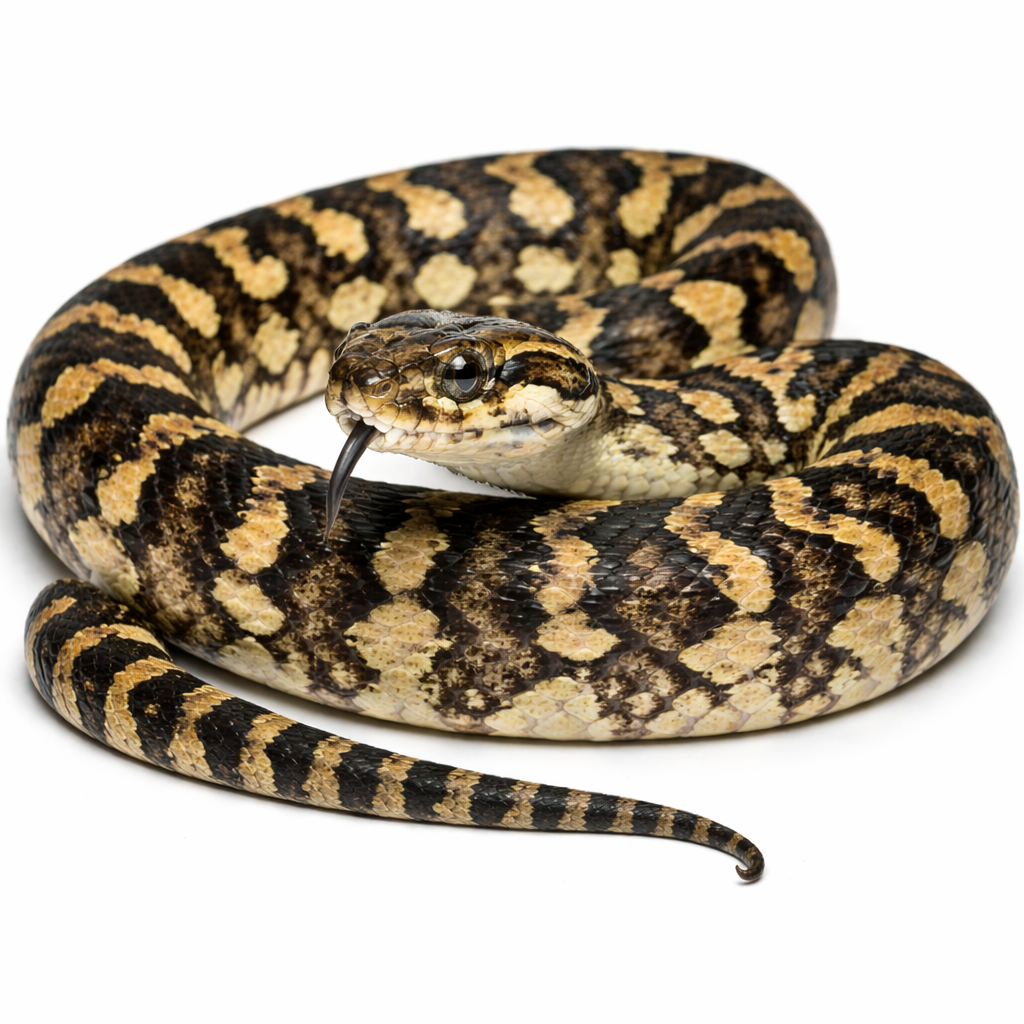
Subspecies of carpet python commonly found in coastal regions.
The Coastal Carpet Python is the largest subspecies of Carpet Python commonly encountered throughout coastal Queensland. These impressive non-venomous snakes thrive in forests, suburban gardens, sheds, roof spaces and rural properties where rodents and other prey are plentiful. Coastal Carpet Pythons play an important role in controlling rat and mouse populations, making them beneficial predators around homes and farms. Despite their large size, they are generally shy and prefer to avoid human contact whenever possible. Most encounters occur when homeowners discover them basking in trees, crossing driveways or resting inside roof cavities. Because they are protected native wildlife, they should never be harmed. If a Coastal Carpet Python is found in an unsuitable location or cannot safely move away, a licensed snake catcher should be contacted to relocate the snake safely and responsibly.
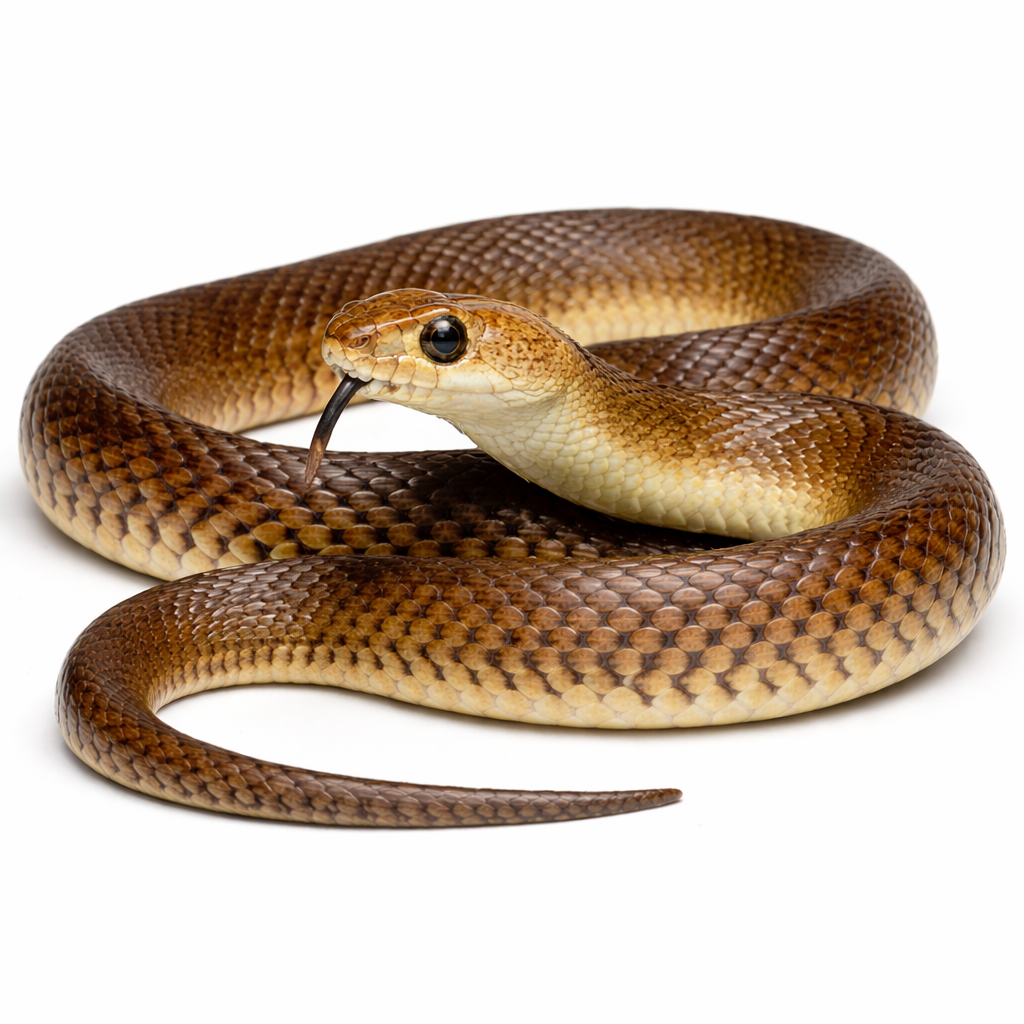
Highly venomous snake found in coastal and agricultural regions.
The Coastal Taipan is one of Australia’s largest and most venomous snakes and should always be regarded as extremely dangerous. Found throughout parts of Queensland in coastal regions, sugar cane fields, farmland and bushland, it feeds primarily on rats and other small mammals. Despite its highly potent venom, the Coastal Taipan is generally shy and prefers to avoid confrontation with people whenever possible. Most bites occur when the snake is accidentally disturbed or deliberately approached. If a Coastal Taipan is seen on or near a property, everyone should keep well away and prevent children or pets from approaching the area. Under no circumstances should anyone attempt to capture or kill the snake. Contact a licensed snake catcher immediately, and in the event of a bite, seek emergency medical assistance without delay.
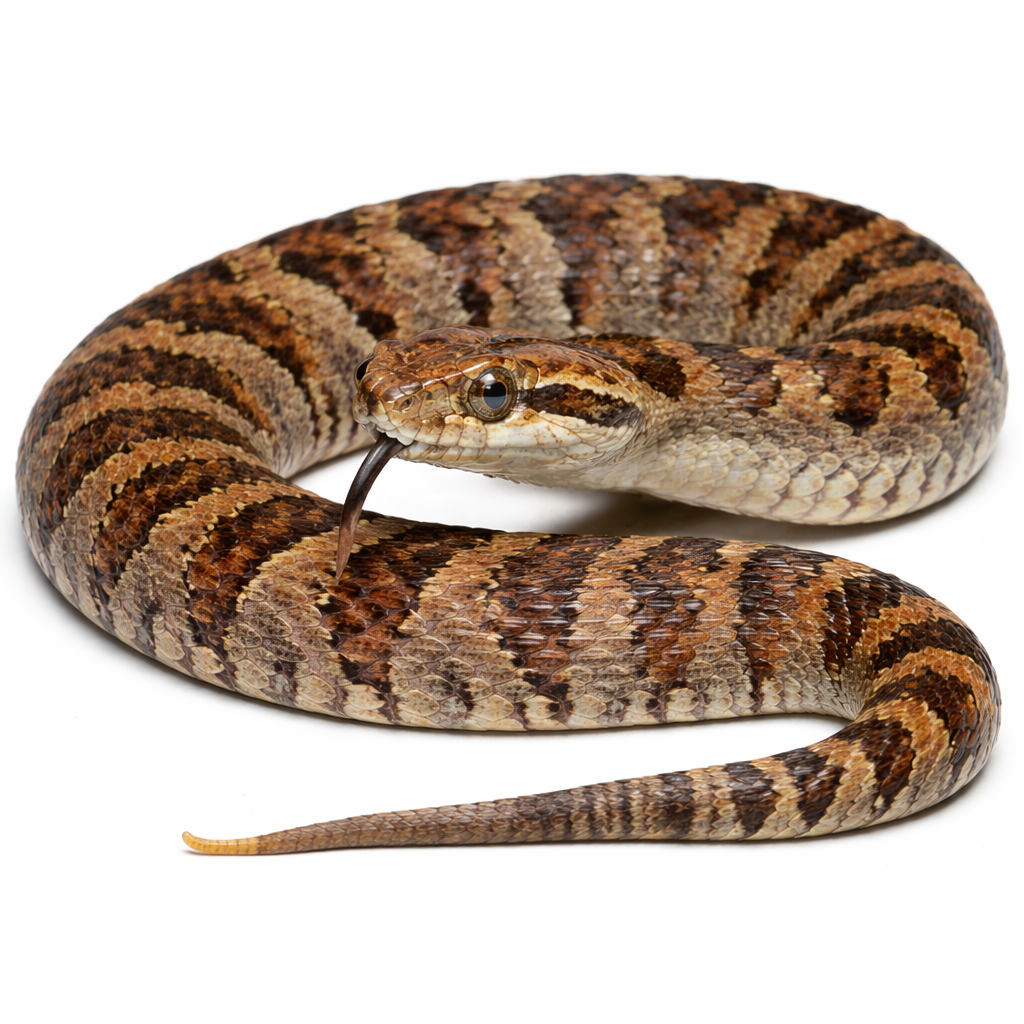
Venomous ambush predator known for its rapid strike.
The Common Death Adder is one of Australia’s most distinctive venomous snakes, recognised by its broad triangular head, thick body and remarkable camouflage. Unlike many other snakes, it relies on ambush hunting rather than actively chasing prey, remaining motionless among leaf litter until an animal comes within striking distance. This behaviour makes it difficult to see and increases the risk of accidental encounters by bushwalkers, gardeners and people working outdoors. The Common Death Adder possesses highly effective venom and should always be treated with extreme caution. If encountered, remain calm, slowly move away and never attempt to handle or provoke the snake. Licensed snake catchers should be contacted whenever a Death Adder is found in residential areas, and any suspected bite requires immediate emergency medical treatment.
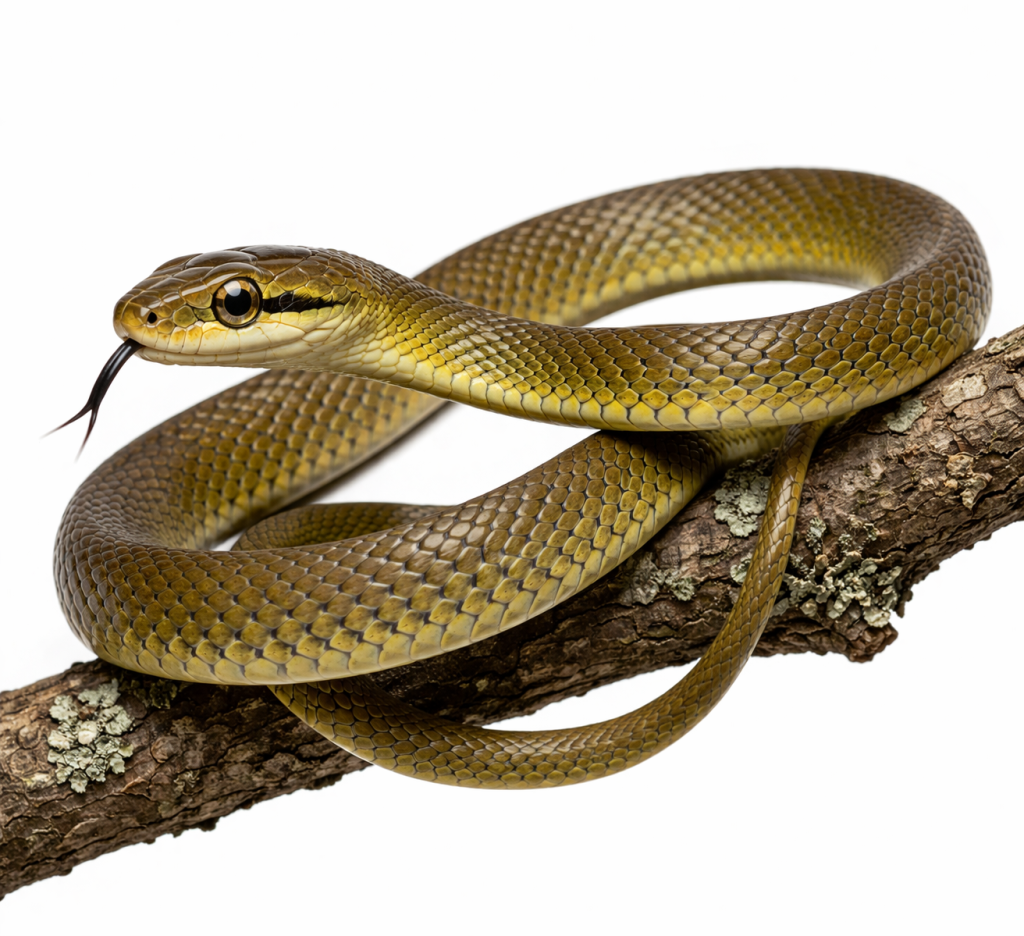
Non-venomous snake often seen in trees and gardens.
The Common Tree Snake is a slender, fast-moving, non-venomous species frequently seen throughout Queensland gardens, parks and bushland. It spends much of its time in shrubs, trees and dense vegetation where it hunts frogs, lizards and small animals. Common Tree Snakes are harmless to people and play an important role in maintaining healthy backyard ecosystems by helping control pest populations naturally. They are generally shy and will quickly flee when disturbed. Homeowners may occasionally find them around swimming pools, gardens or climbing fences while searching for food. Because they pose little threat to people or pets, they are best left alone whenever possible. If one enters a home or cannot safely leave the property, a licensed snake catcher can relocate it without harming the animal.
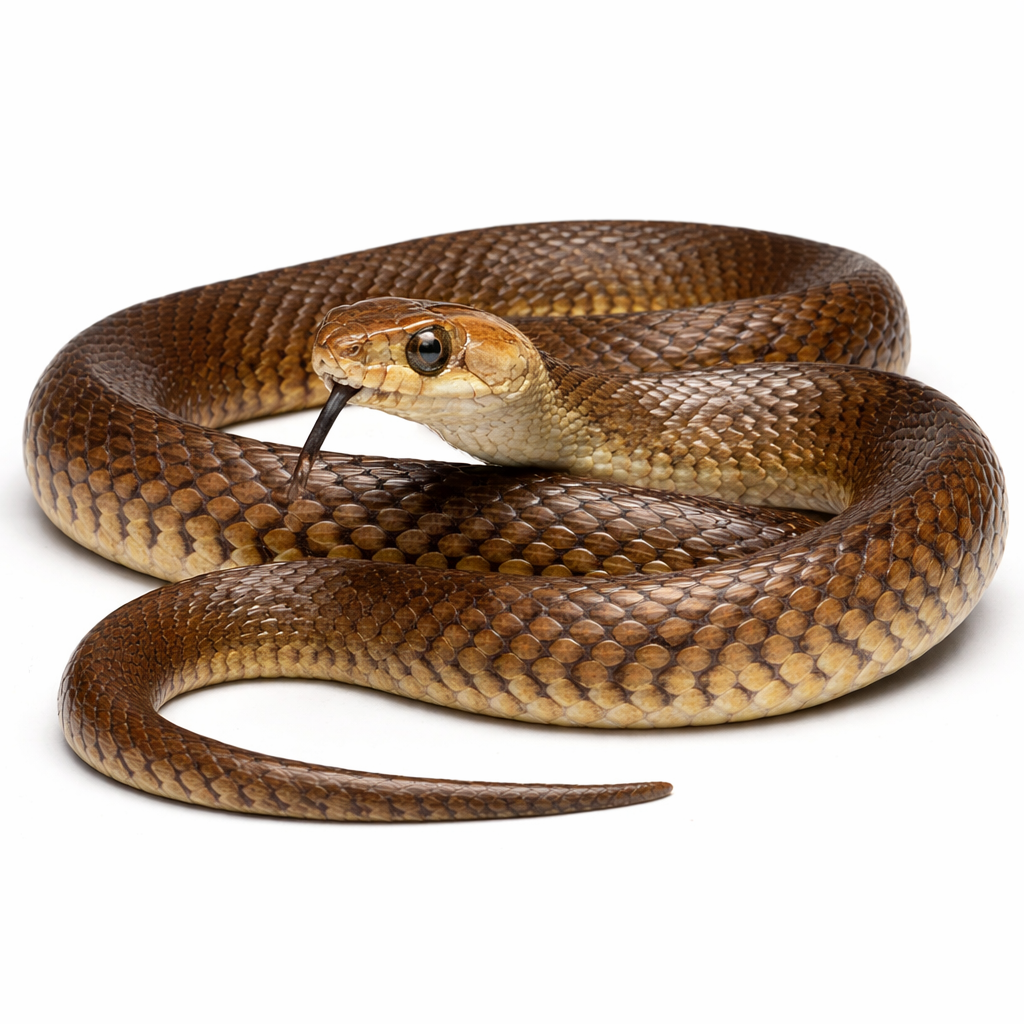
Highly venomous snake commonly found in rural and urban areas.
The Eastern Brown Snake is one of Australia’s most well-known venomous snakes and is responsible for a significant proportion of serious snake bite incidents each year. It is commonly found throughout Queensland in grasslands, farmland, bushland and suburban areas where rodents provide an abundant food source. Eastern Brown Snakes are fast-moving and generally prefer to avoid people, but they may defend themselves if cornered or threatened. Homeowners should never attempt to approach, capture or kill an Eastern Brown Snake, as this greatly increases the risk of being bitten. If one is seen on a property, keep a safe distance, supervise children and pets, and contact a licensed snake catcher immediately. Any suspected bite must be treated as a medical emergency, with emergency services contacted without delay.
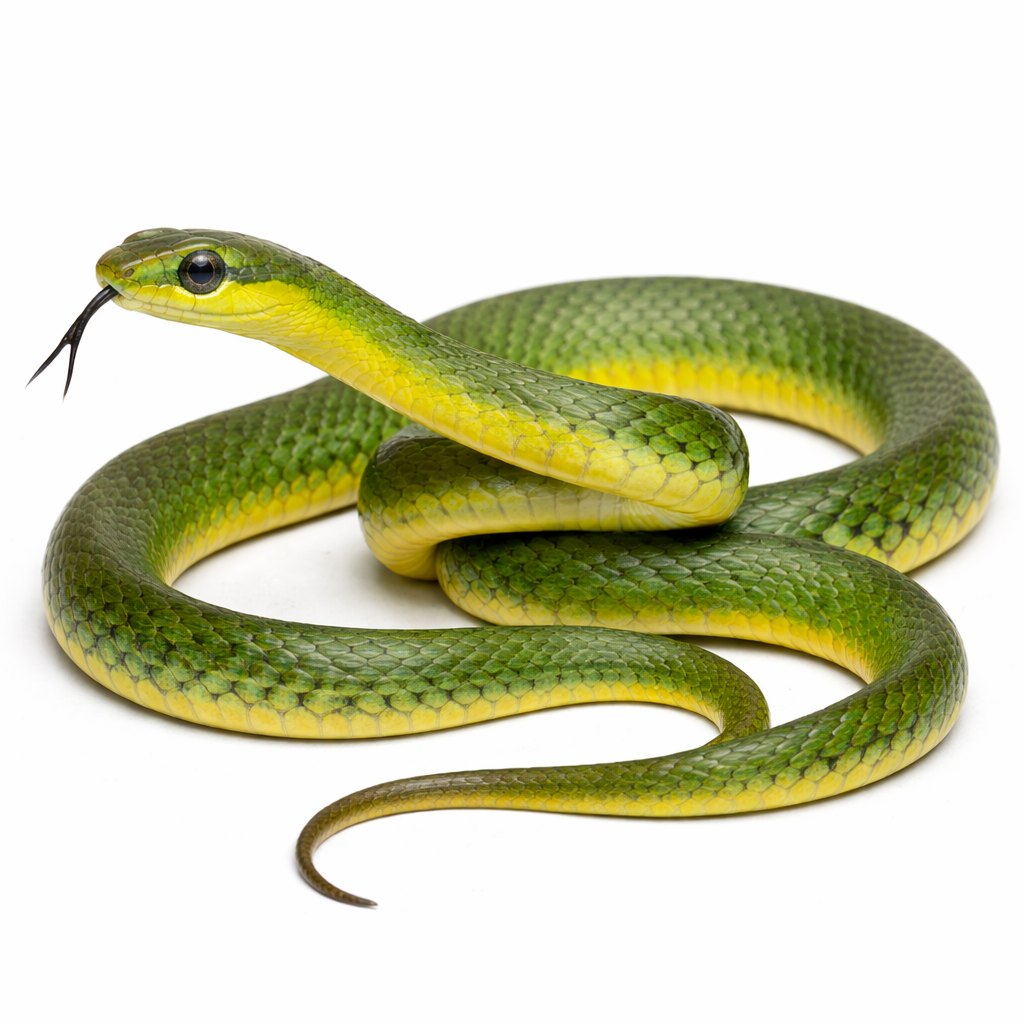
Slender non-venomous snake commonly seen in gardens and trees.
The Green Tree Snake is a beautiful, bright green, non-venomous species commonly found throughout Queensland in gardens, parks, rainforests and suburban vegetation. It is an agile climber that feeds mainly on frogs, small lizards and insects, making it a valuable part of the local ecosystem. Green Tree Snakes are gentle by nature and will usually flee rather than defend themselves when approached. They are frequently seen basking in shrubs, climbing garden plants or moving through trees during daylight hours. Because they are harmless and protected under Australian wildlife legislation, they should be appreciated rather than feared. If a Green Tree Snake enters a building or becomes trapped, a licensed snake catcher can safely relocate it without injury to the animal or unnecessary risk to people.
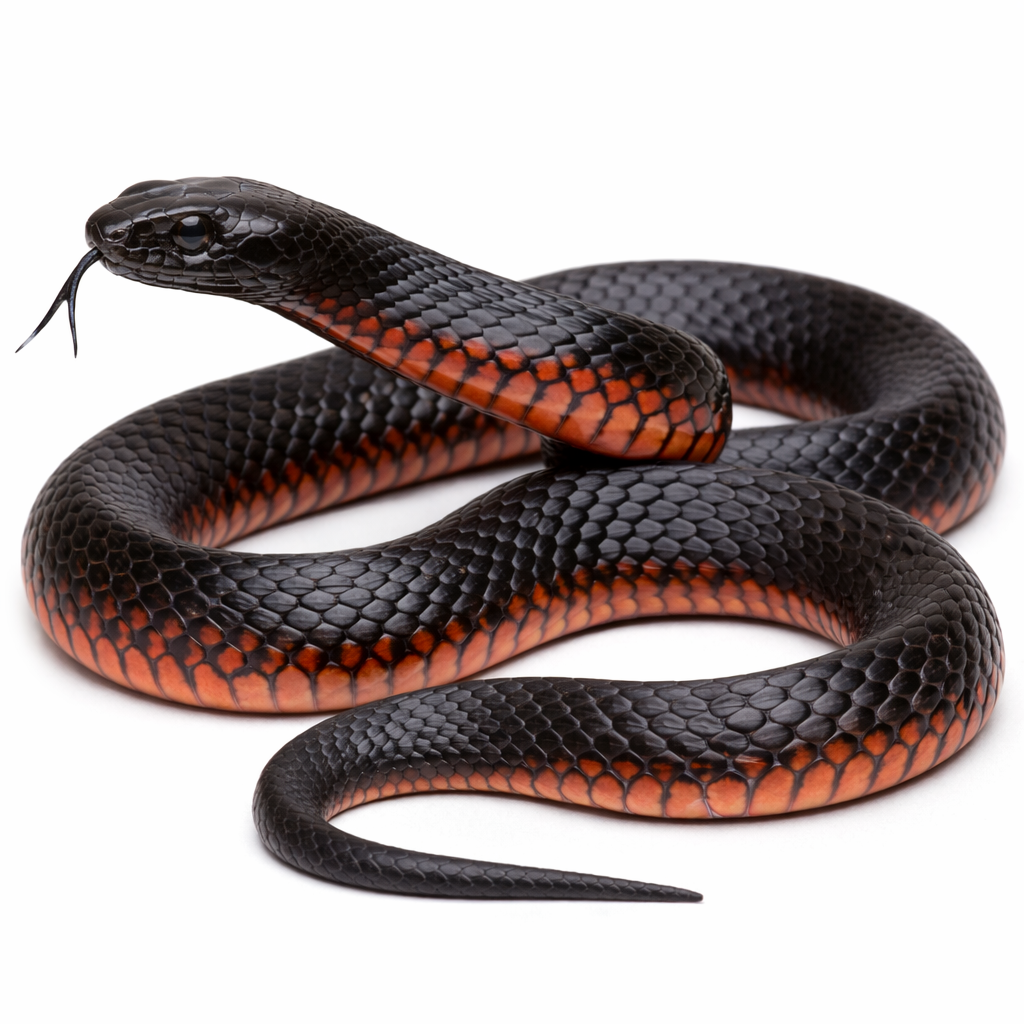
Venomous snake recognised by its black body and red underside.
The Red-Bellied Black Snake is a large venomous species recognised by its glossy black upper body and distinctive red or pink underside. It is commonly found near creeks, wetlands, dams and moist bushland throughout Queensland where frogs and small reptiles provide an important food source. Although venomous, this species is generally less aggressive than many people believe and will usually retreat if given the opportunity. Nevertheless, it should always be treated with caution and never approached. Homeowners occasionally encounter Red-Bellied Black Snakes in gardens, around water features or near long grass. Maintaining tidy yards and reducing rodent activity can help make properties less attractive to snakes. If one is found near a home, a licensed snake catcher should be contacted to relocate it safely. Any snake bite requires immediate medical attention.
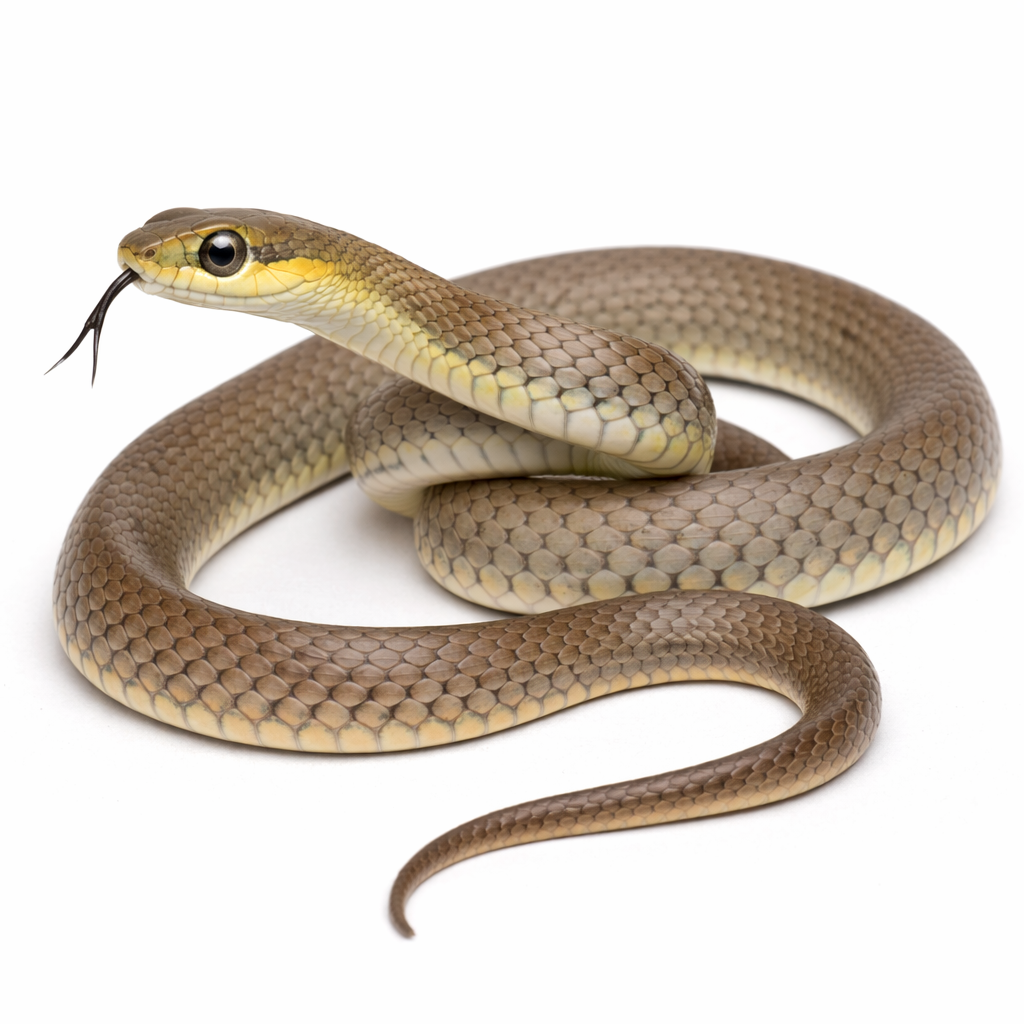
aFast-moving venomous snake found in grasslands and open areas.
The Yellow-Faced Whip Snake is a slender, fast-moving venomous snake commonly found in grasslands, open forests, gardens and bushland throughout Queensland. Although it possesses venom, it is not generally considered as dangerous as species such as the Eastern Brown Snake or Coastal Taipan. Bites may still cause pain and other medical symptoms, so all snake bites should be treated seriously. Yellow-Faced Whip Snakes are active during the day and feed mainly on small lizards and frogs. They usually avoid human contact and will quickly move away if given the opportunity. If encountered, maintain a safe distance and allow the snake to leave naturally. Where removal is necessary, only a licensed snake catcher should be used, ensuring both public safety and the protection of Queensland’s native wildlife.