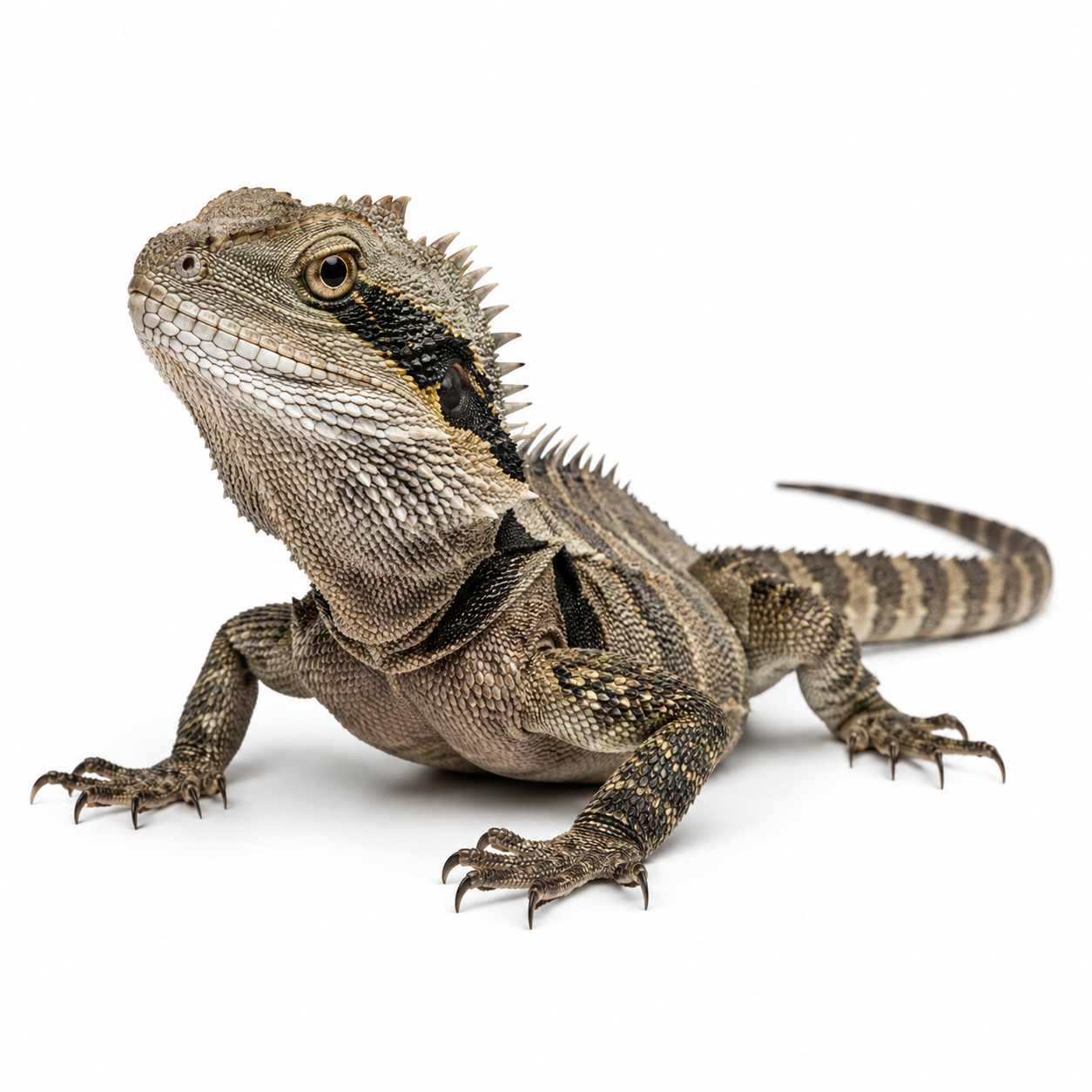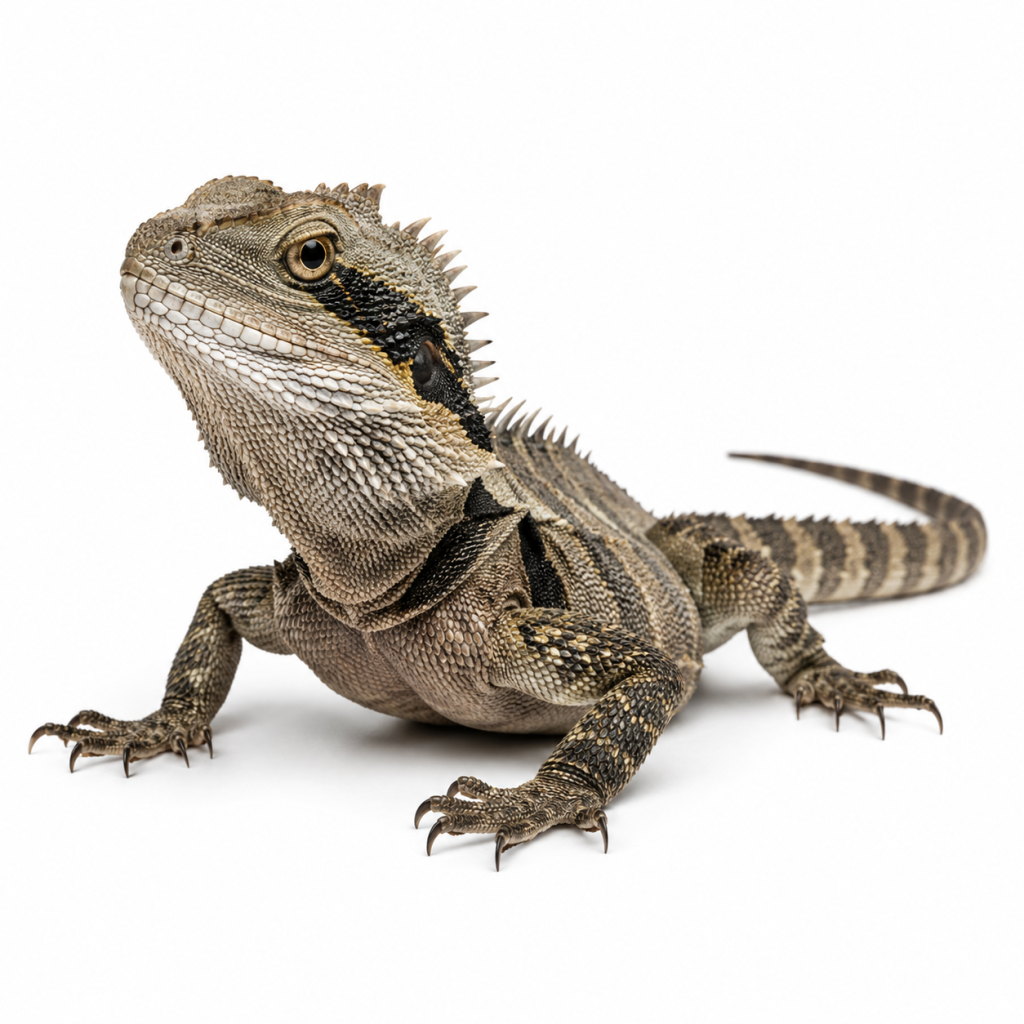
Large Australian lizard commonly found near waterways, gardens, parks and suburban environments.
The Eastern Water Dragon is a large native Australian lizard commonly found near rivers, creeks, ponds, parks and suburban gardens throughout Queensland. Excellent climbers and swimmers, these reptiles are frequently seen basking on rocks, logs and garden structures before quickly retreating to nearby water when disturbed. Eastern Water Dragons feed on insects, spiders, small frogs, flowers and fruit, making them an important part of the local ecosystem. Although their size can appear intimidating, they are generally shy and pose little threat to people or pets when left undisturbed. They occasionally visit residential properties in search of food, water or suitable basking areas but rarely cause damage. As protected native wildlife, Eastern Water Dragons should be appreciated and allowed to continue their valuable role in controlling insects and maintaining ecological balance.
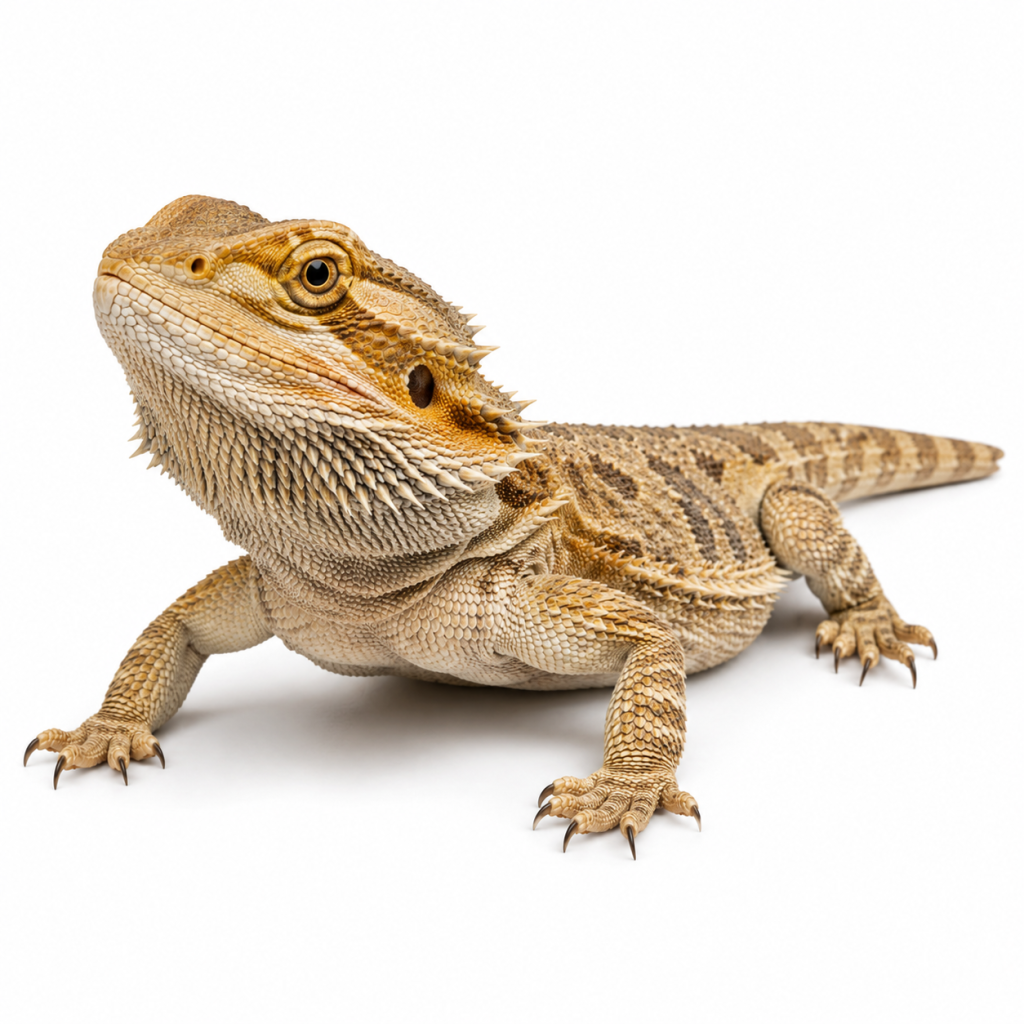
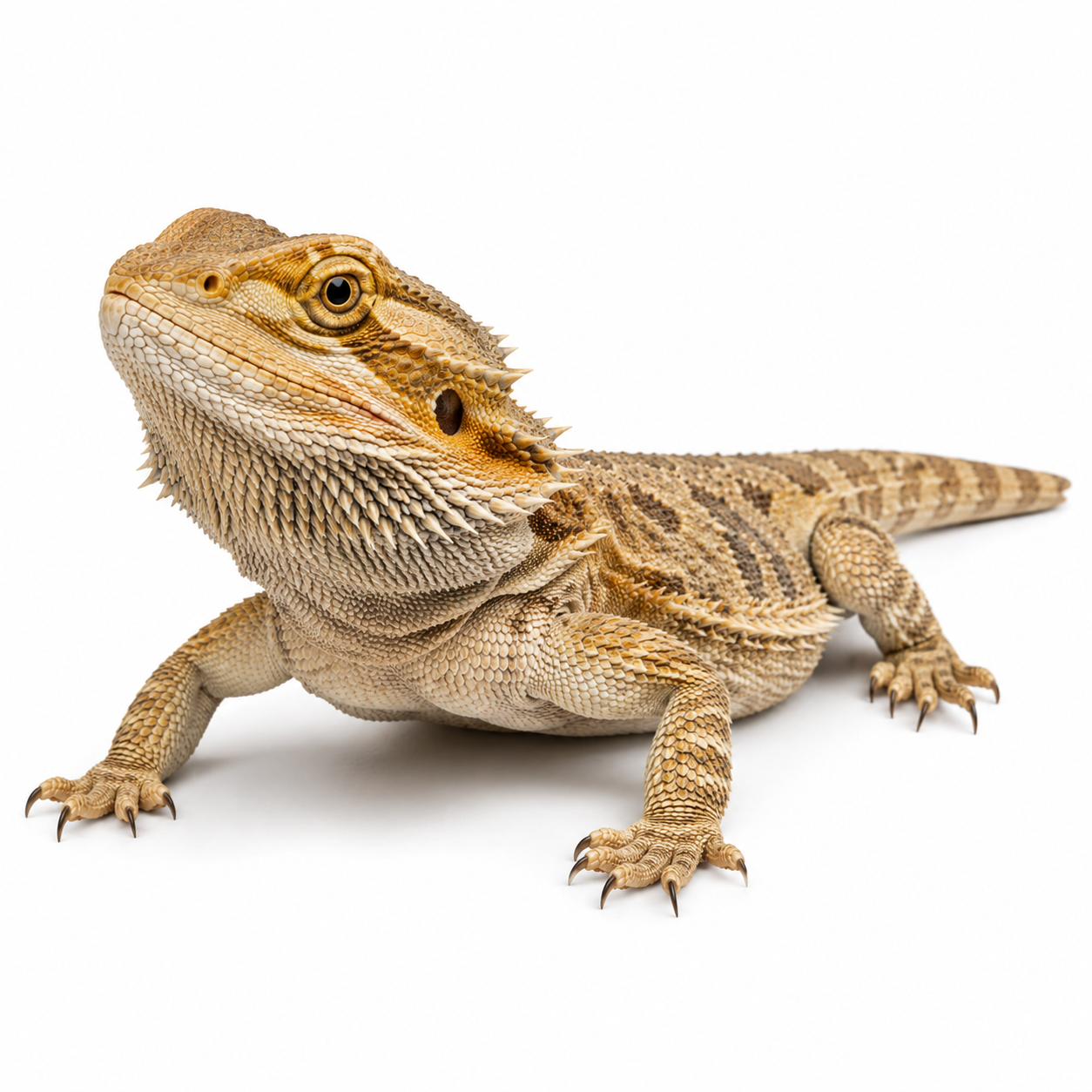
Well-known Australian reptile recognised by its broad head, spiny beard and calm nature.
The Eastern Bearded Dragon is one of Australia’s best-known native reptiles, recognised by its broad triangular head, spiny beard and calm temperament. Commonly found in gardens, open woodland, parks and rural properties throughout Queensland, these lizards feed primarily on insects, flowers, fruits and small vertebrates. When threatened they may flatten their body, darken their beard and open their mouth to appear larger, although they are generally gentle animals that prefer to avoid confrontation. Eastern Bearded Dragons provide valuable natural pest control by consuming insects and should be welcomed in gardens whenever possible. They are protected native wildlife and should never be harmed or removed unnecessarily. Providing a healthy garden environment allows these fascinating reptiles to thrive naturally while benefiting the surrounding ecosystem.
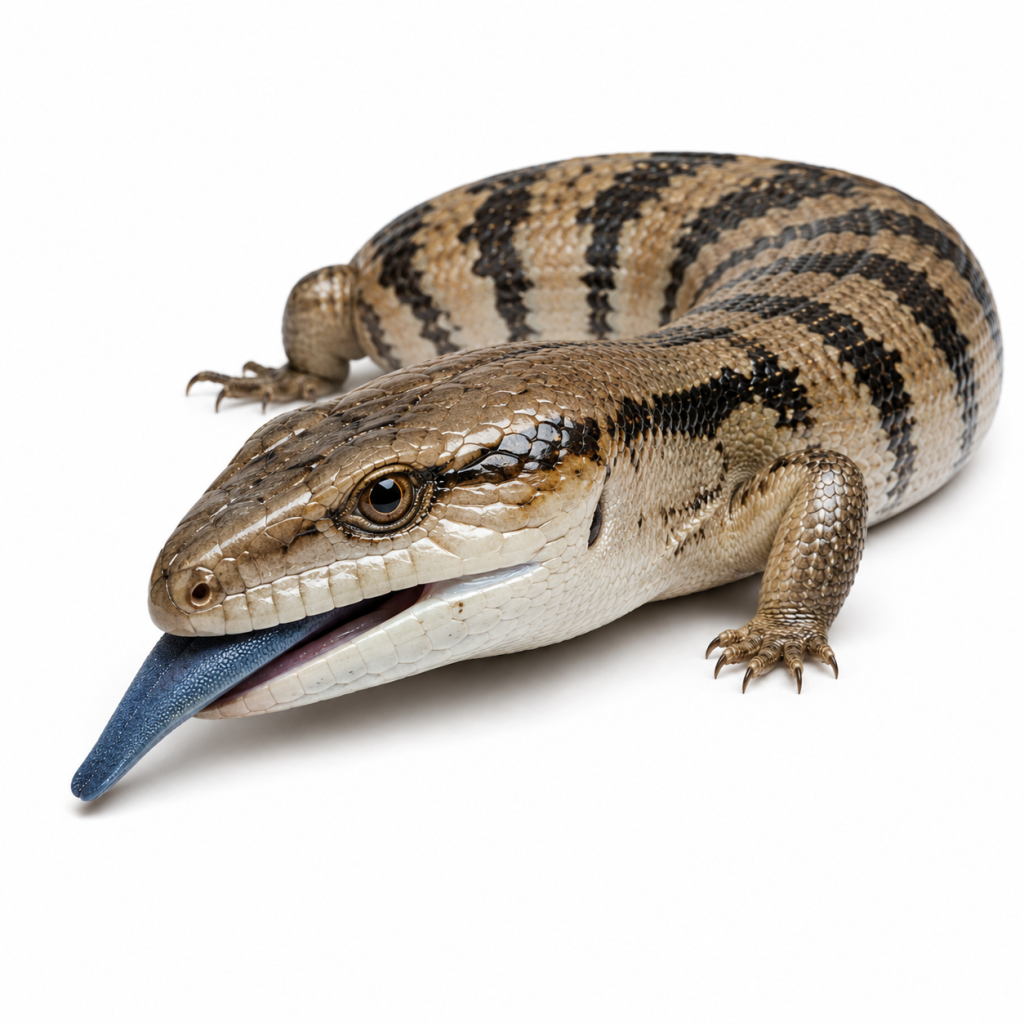
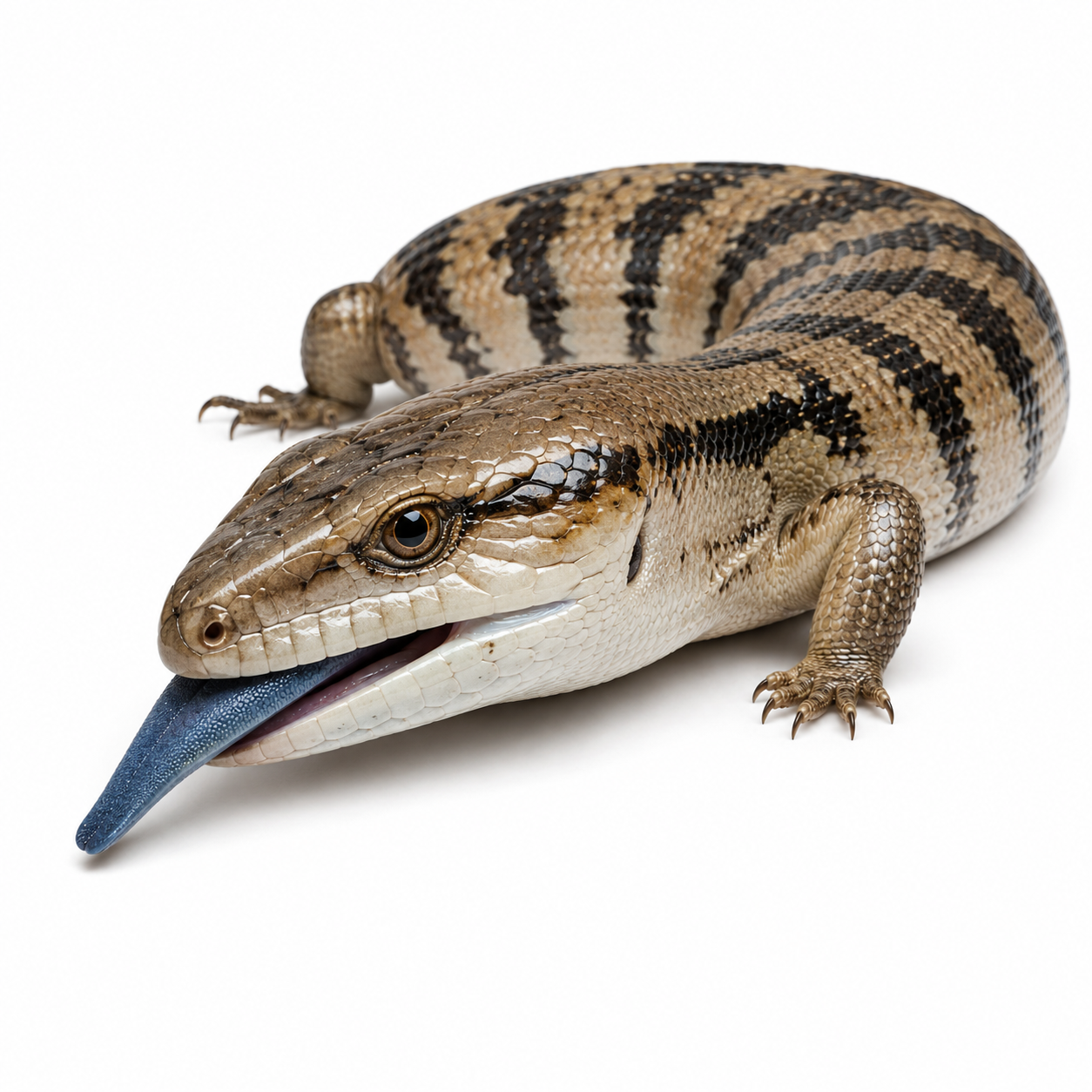
Ground-dwelling skink known for its distinctive blue tongue and robust body shape.
The Blue-Tongue Lizard is a large ground-dwelling skink recognised by its stout body and brilliant blue tongue, which it displays as a defensive warning when threatened. Common throughout Queensland gardens, parks and suburban properties, Blue-Tongues feed on snails, slugs, insects, berries and fallen fruit, making them one of the most beneficial reptiles homeowners can encounter. Their appetite for garden pests helps naturally reduce snail and slug populations without the need for chemicals. Although they may hiss loudly if cornered, Blue-Tongues are generally harmless and prefer to retreat rather than bite. These protected native reptiles should always be left undisturbed and appreciated for the important role they play in maintaining healthy gardens and balanced ecosystems.
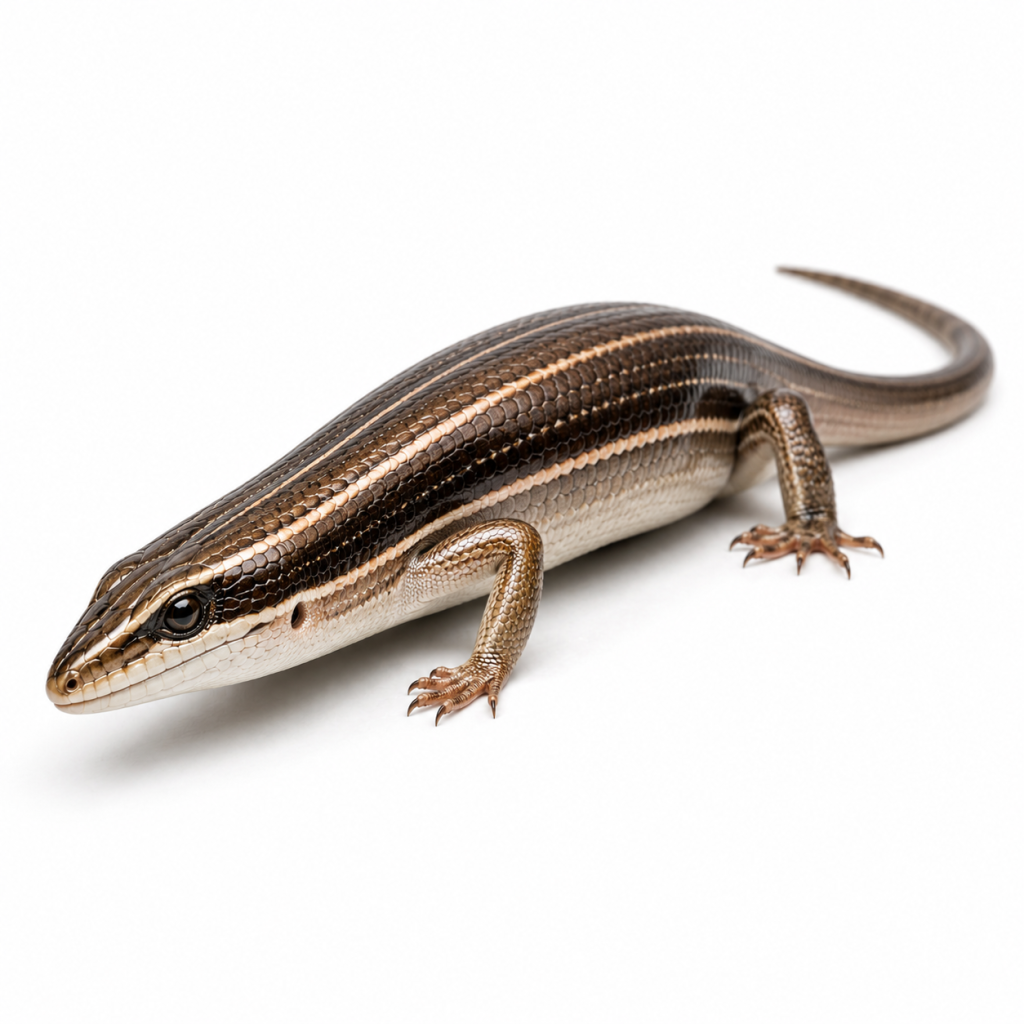
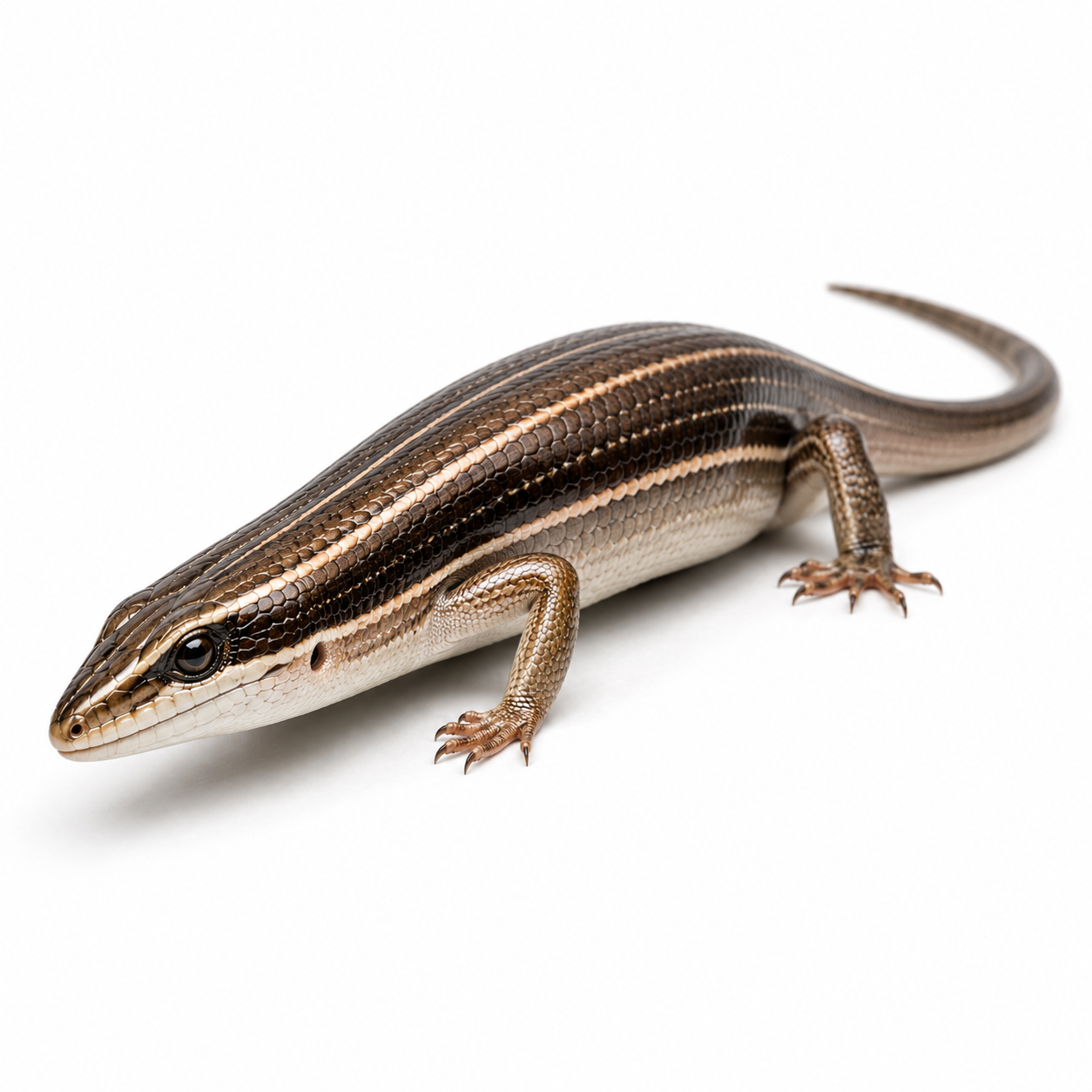
Small native skink commonly found in gardens, lawns, pathways and around homes.
Garden Skinks are small native lizards commonly found throughout Queensland gardens, lawns, rockeries and around homes where they hunt tiny insects and spiders. Agile and fast-moving, they often dart between plants, paving stones and garden mulch while searching for food. Despite their small size, Garden Skinks provide valuable natural pest control by consuming a wide range of insects that might otherwise damage plants or become household nuisances. They pose no threat to people or pets and rarely enter homes except accidentally through open doors. Their presence is usually an indication of a healthy garden environment rich in natural food sources. Garden Skinks are protected native wildlife and should be encouraged rather than treated as pests.
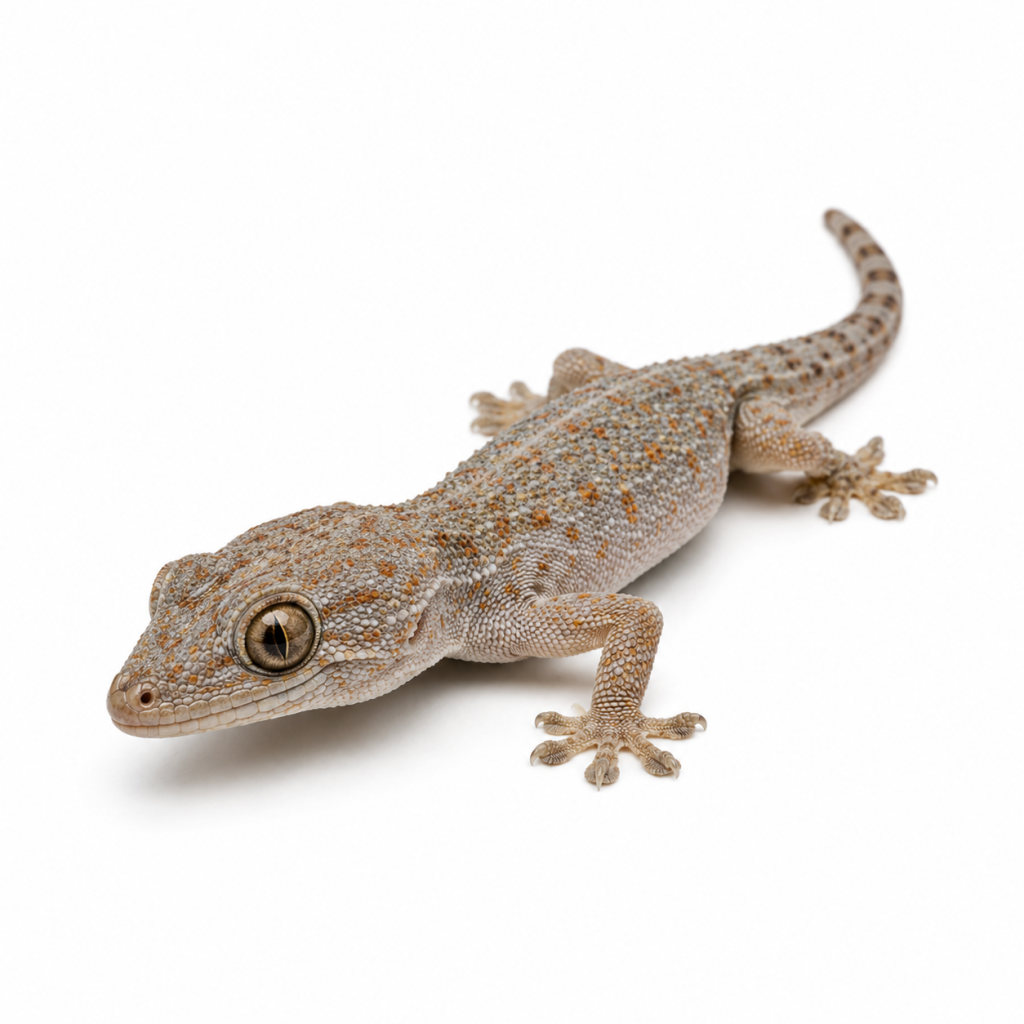
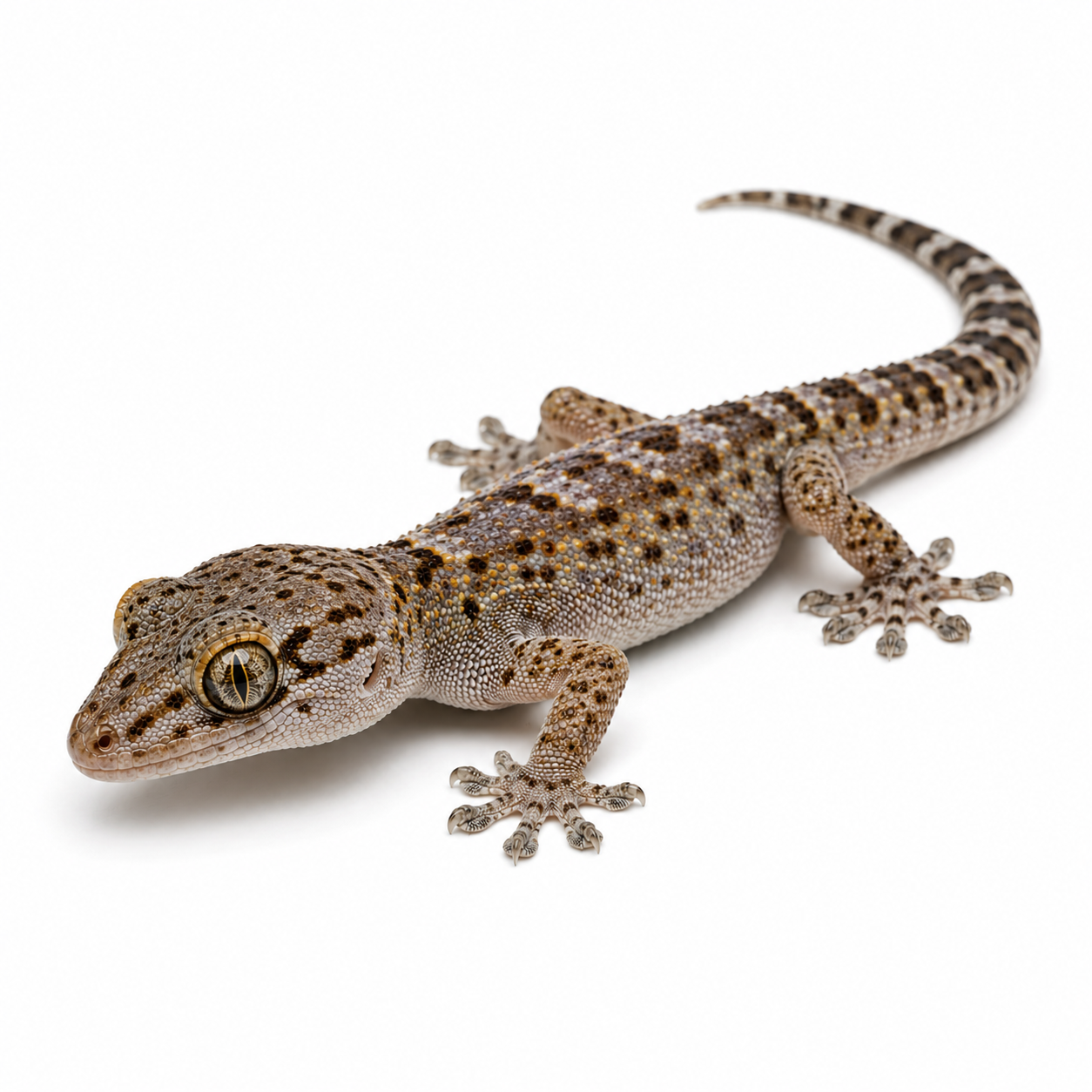
Common gecko frequently found around homes, walls, ceilings and outdoor lighting.
The Asian House Gecko is one of the most familiar reptiles found around Queensland homes, frequently seen climbing walls and ceilings near outdoor lights during the evening. These nocturnal geckos feed almost exclusively on insects, taking advantage of moths, mosquitoes and other flying insects attracted to lights around buildings. Although some homeowners dislike their appearance or occasional chirping calls, Asian House Geckos are harmless to people and provide effective natural insect control. Small droppings beneath favoured resting places may occasionally require cleaning, but the benefits of reduced insect numbers generally outweigh this minor inconvenience. Asian House Geckos should be regarded as helpful household visitors and do not normally require pest control.
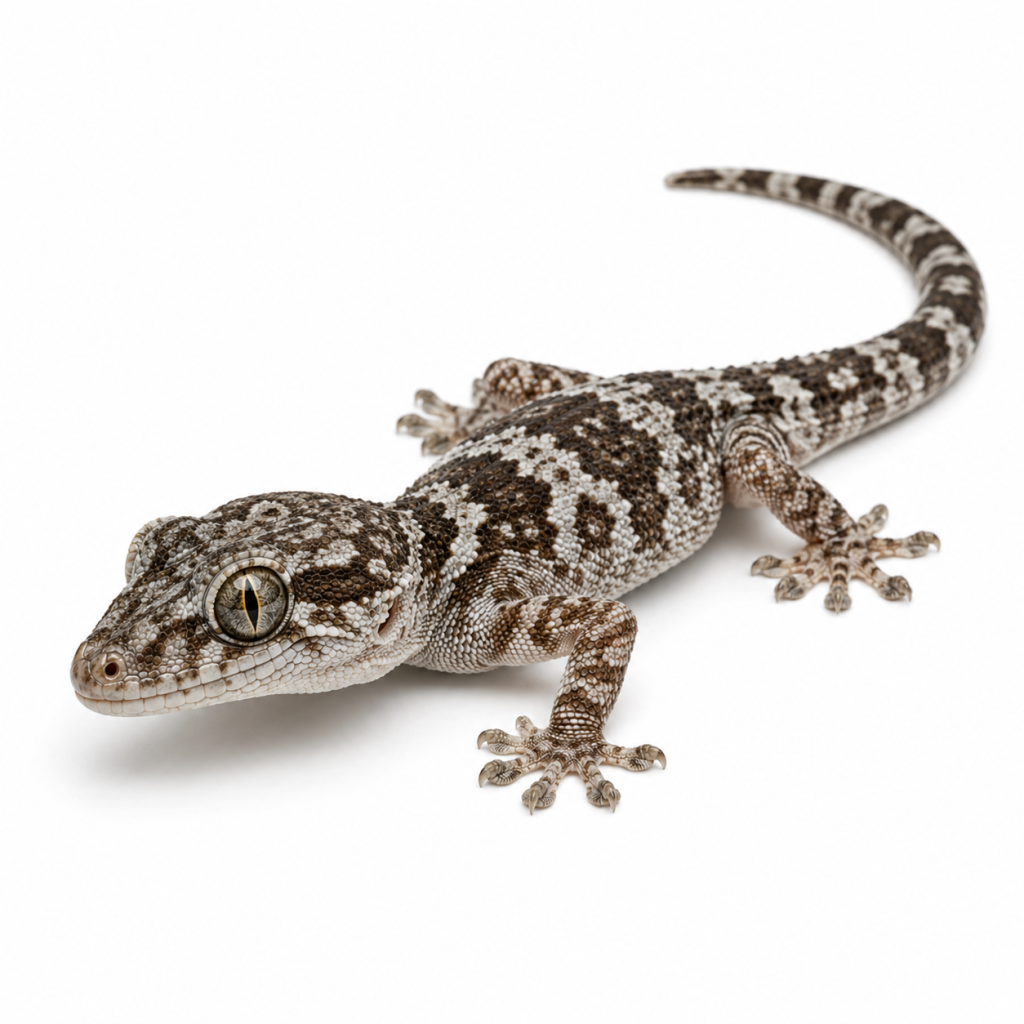
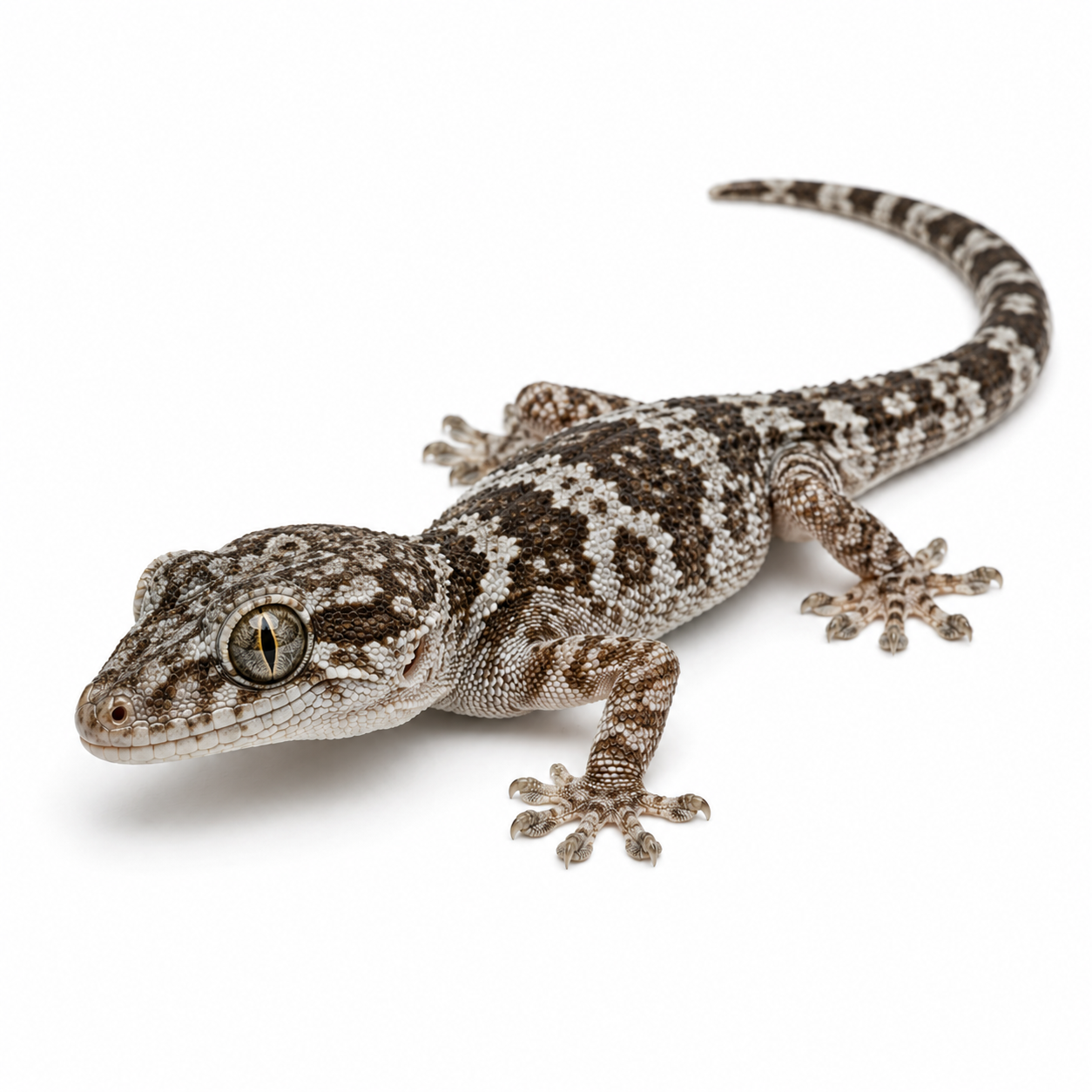
Australian gecko recognised by its mottled skin pattern and nocturnal behaviour.
The Marbled Gecko is a native Australian species recognised by its beautifully mottled skin pattern and nocturnal lifestyle. Commonly found beneath bark, inside rock crevices and around buildings throughout Queensland, these geckos emerge after dark to hunt insects attracted to outdoor lighting. Marbled Geckos are harmless, quiet and highly beneficial, providing natural control of mosquitoes, moths and other flying insects around homes and gardens. They rarely cause any property damage and generally remain hidden during daylight hours. Because they are protected native wildlife and contribute positively to the local environment, Marbled Geckos should be left undisturbed whenever possible.
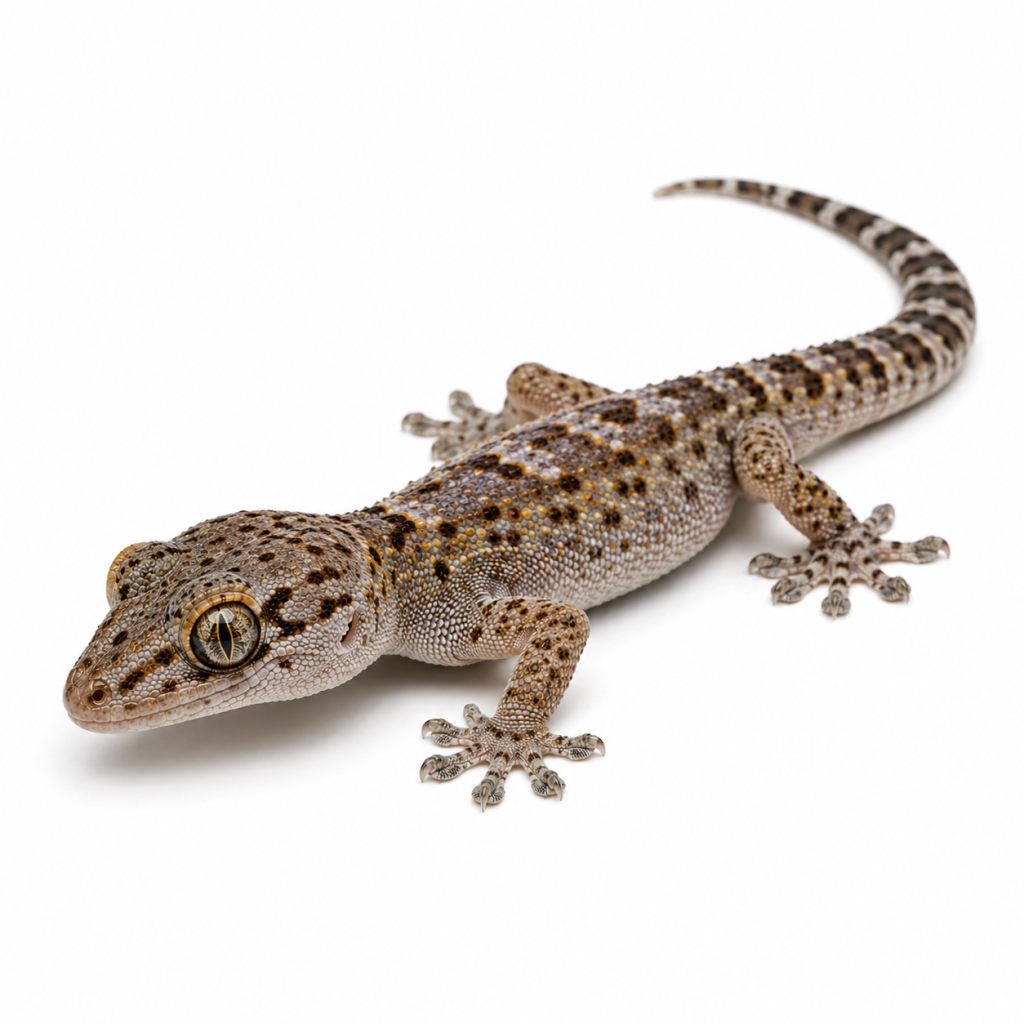
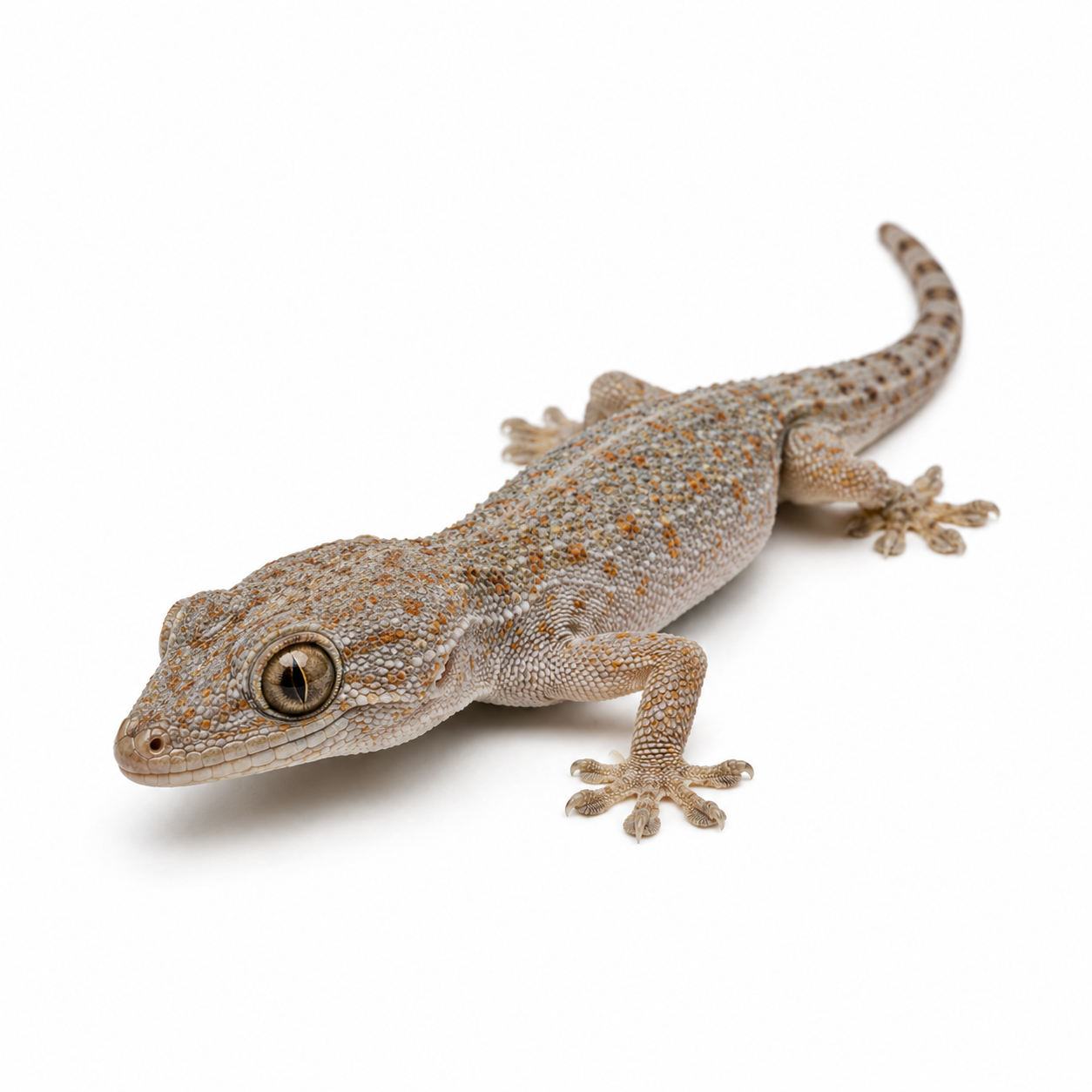
Small native gecko commonly found on walls, fences and around outdoor lights at night.
Dtella Geckos are small native Australian reptiles frequently seen on walls, fences and around outdoor lights after sunset. These agile nocturnal hunters feed on a wide variety of insects, helping reduce populations of mosquitoes, moths and other flying pests around residential properties. Dtellas are harmless to people, do not damage buildings and are considered highly beneficial by many homeowners. During the day they shelter beneath loose bark, within rock crevices or other protected hiding places before emerging again at night. Their presence indicates a healthy environment with abundant natural food sources. As protected native wildlife, Dtella Geckos should always be appreciated and allowed to continue their valuable role in natural pest control.
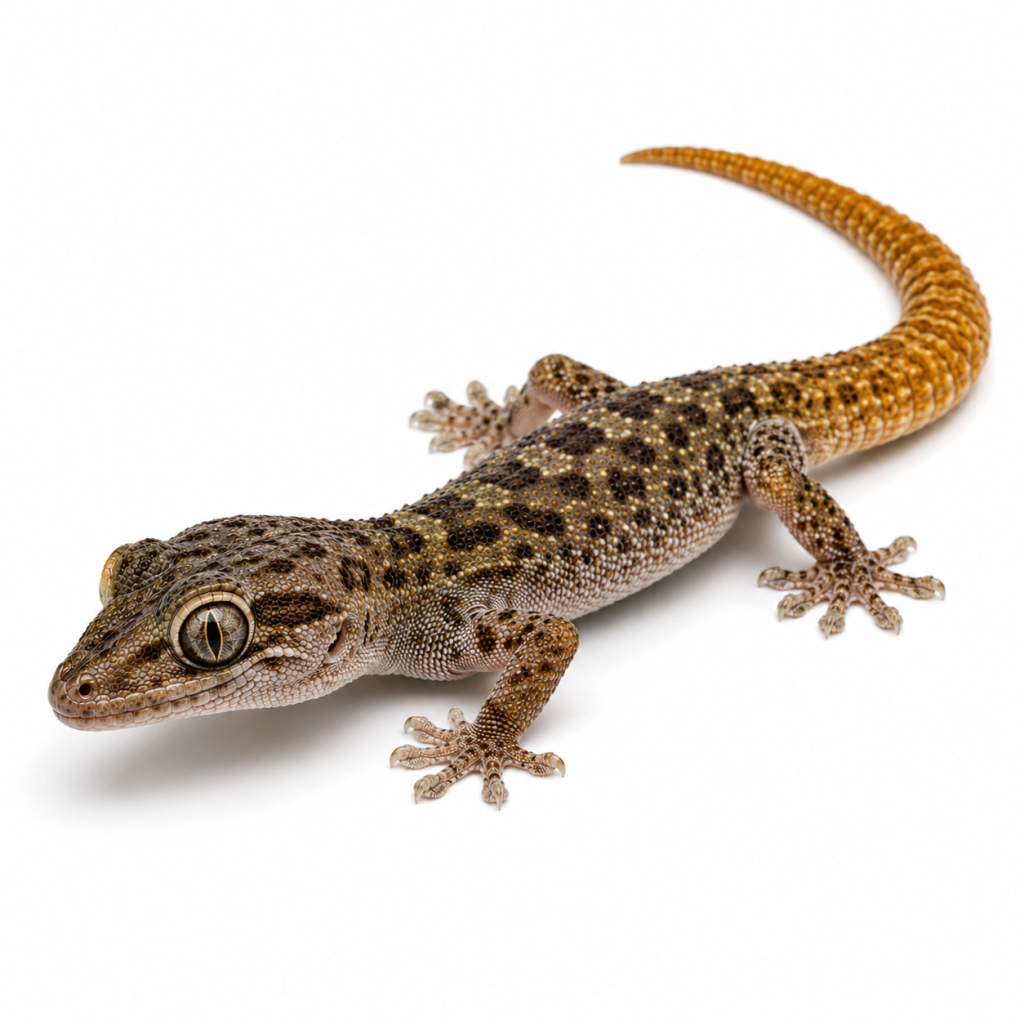
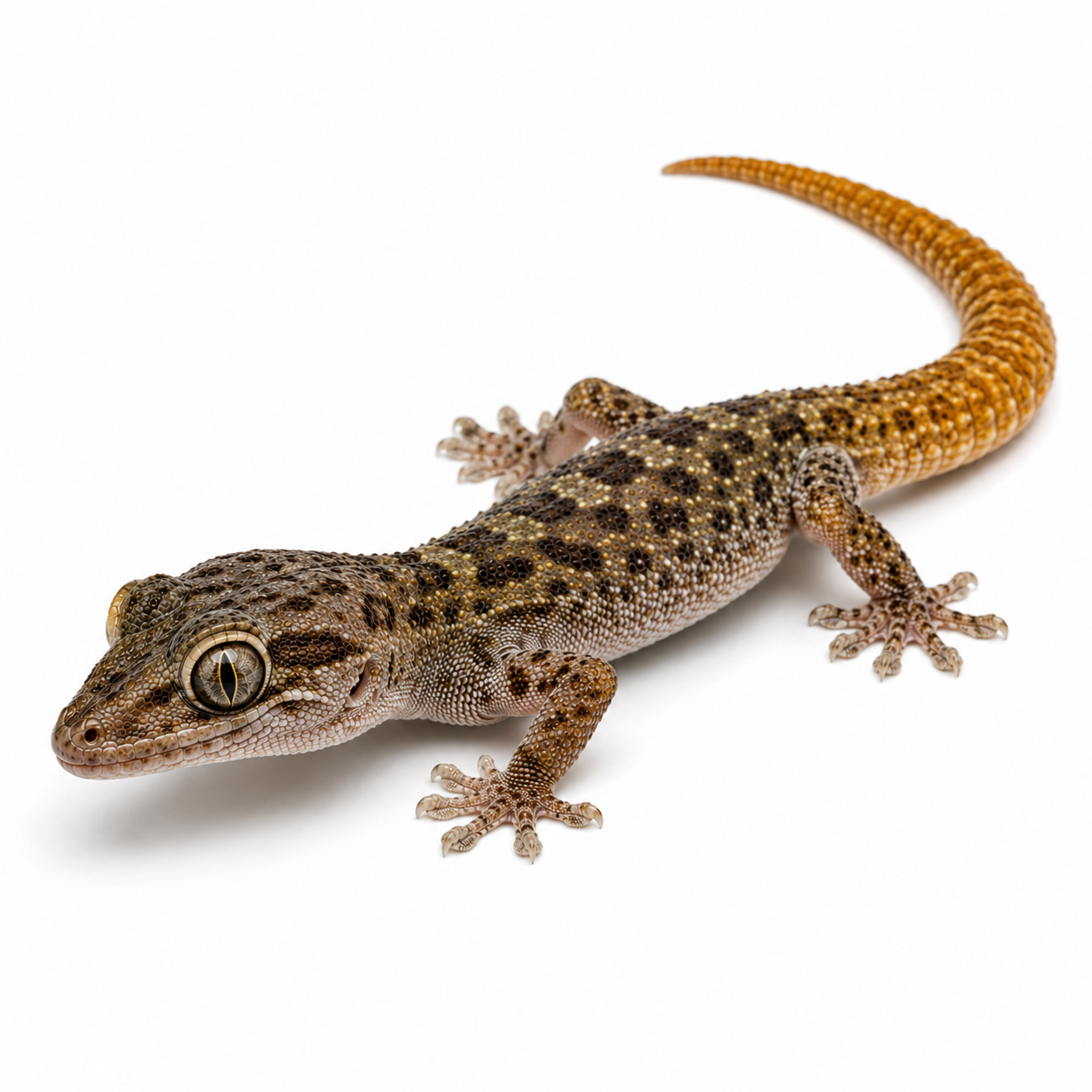
Attractive Australian gecko recognised by its distinctive tail colouring and patterned skin.
The Golden-Tailed Gecko is an attractive native Australian gecko recognised by its distinctive tail colouring and beautifully patterned skin. Found throughout parts of Queensland in rocky habitats, trees and occasionally around homes, this nocturnal species feeds primarily on insects and other small invertebrates. Like other native geckos, it provides valuable natural pest control by consuming mosquitoes, moths and numerous other insects attracted to outdoor lighting. Golden-Tailed Geckos are harmless, shy and rarely seen during daylight hours. They pose no risk to people, pets or buildings and should always be regarded as beneficial wildlife. Protecting natural habitat and avoiding unnecessary disturbance helps ensure these fascinating reptiles continue to thrive in both natural and suburban environments.