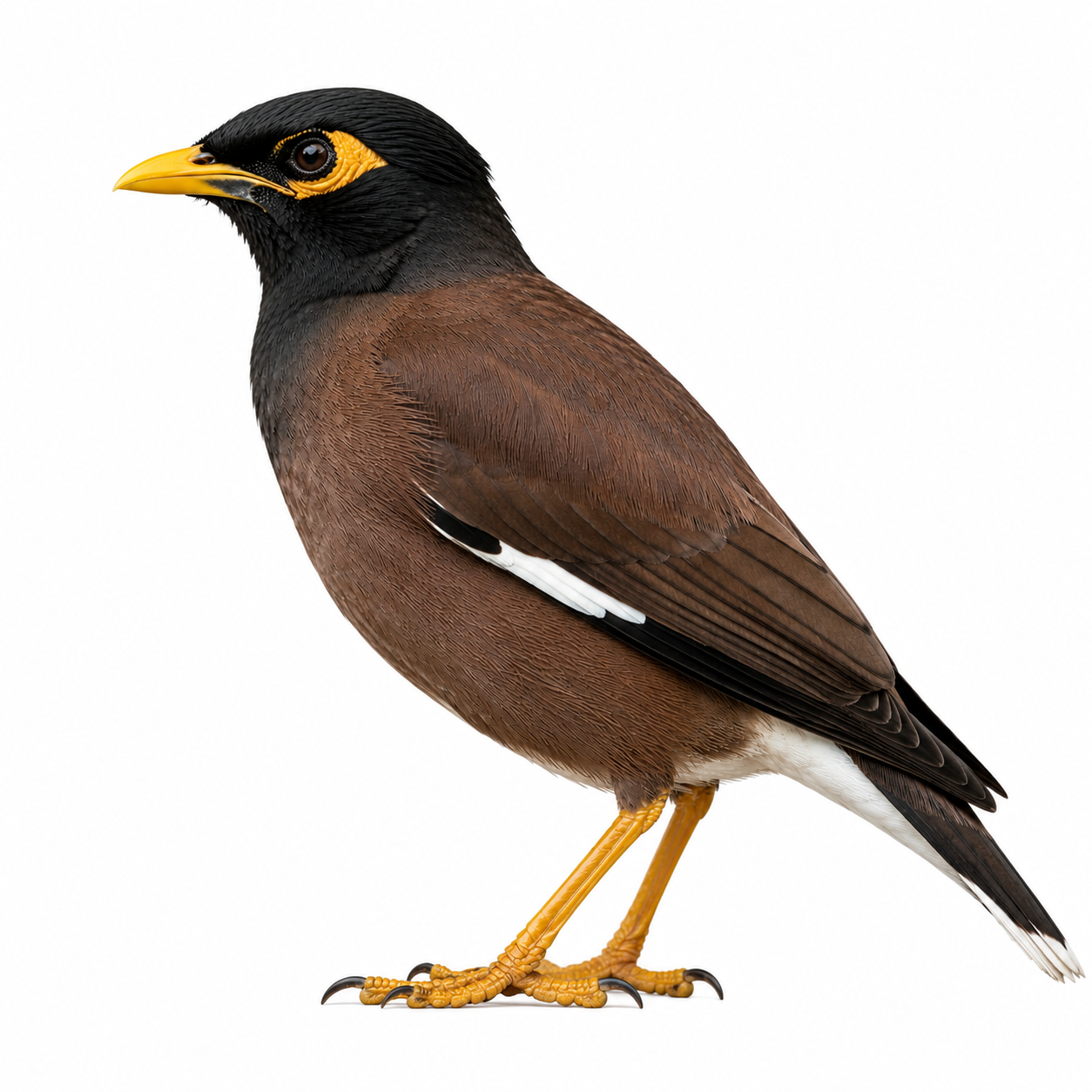
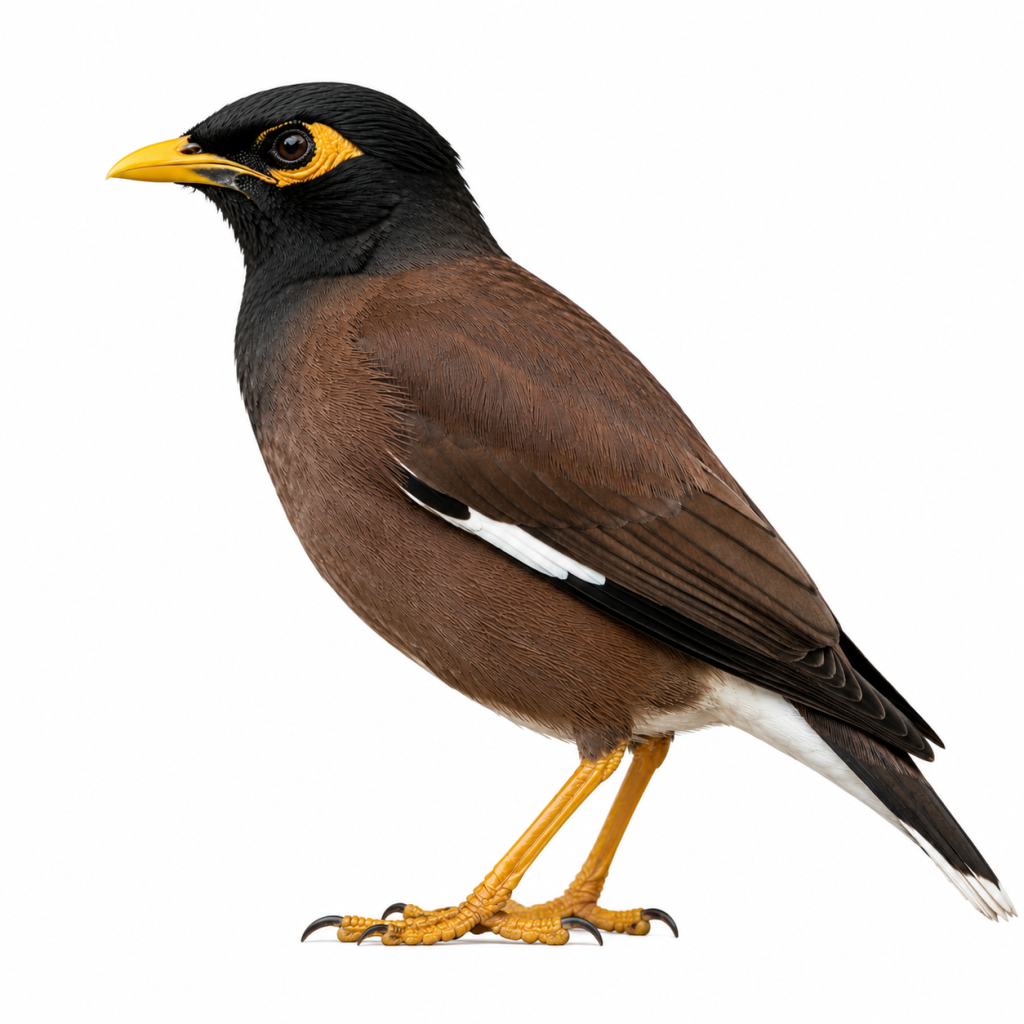
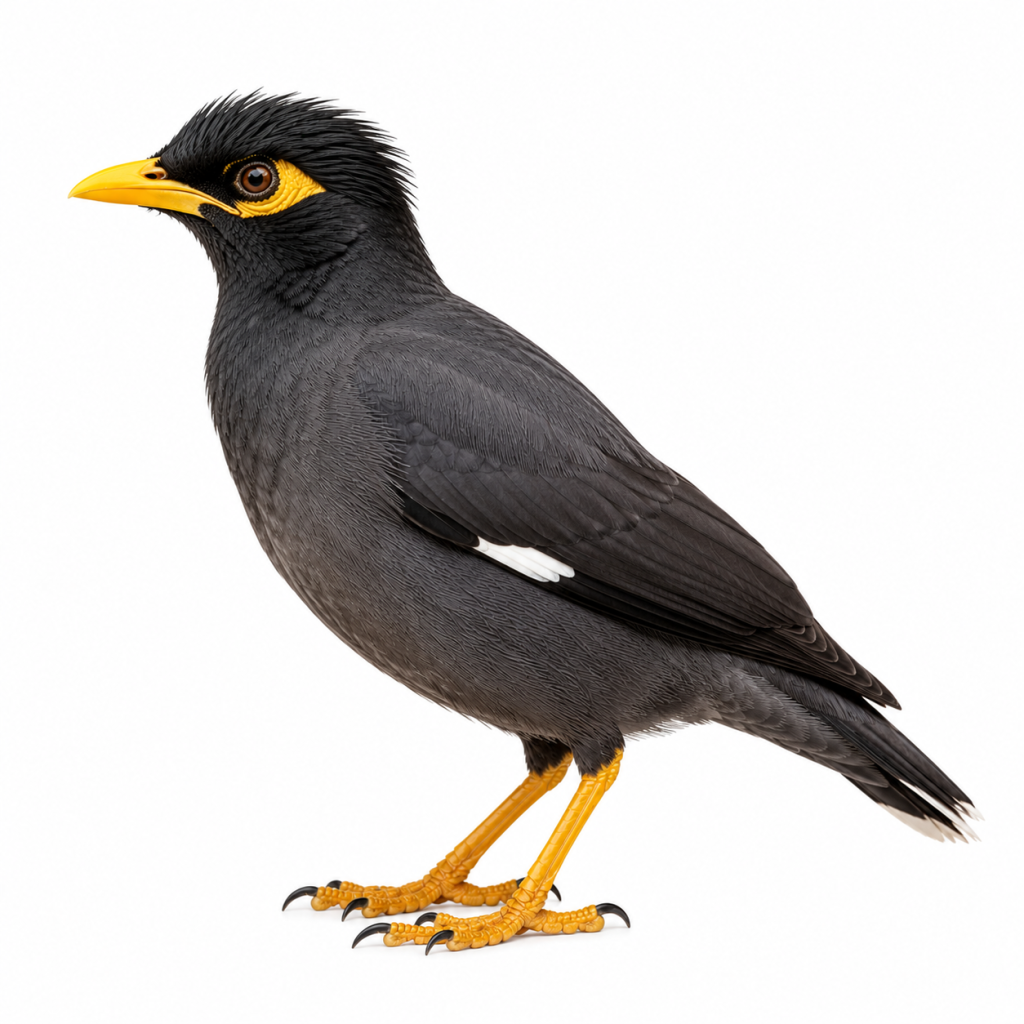
Introduced bird commonly found around homes, shopping centres, parks and outdoor dining areas throughout Australia.
The Common Myna is an introduced bird species that has successfully adapted to urban and suburban environments throughout Queensland. Frequently found around shopping centres, outdoor dining areas, parks, schools and residential properties, these intelligent birds thrive wherever food and shelter are readily available. Common Mynas often nest in roof cavities, wall voids, signage and other enclosed spaces, creating noise and leaving droppings that can damage buildings and create hygiene concerns. They are also highly territorial and may displace native birds from nesting sites. Food should never be intentionally left available around homes, while rubbish bins should remain securely closed to discourage feeding. Where Common Mynas have established themselves inside roof spaces or commercial buildings, professional pest management can safely remove nesting activity and help prevent future access.
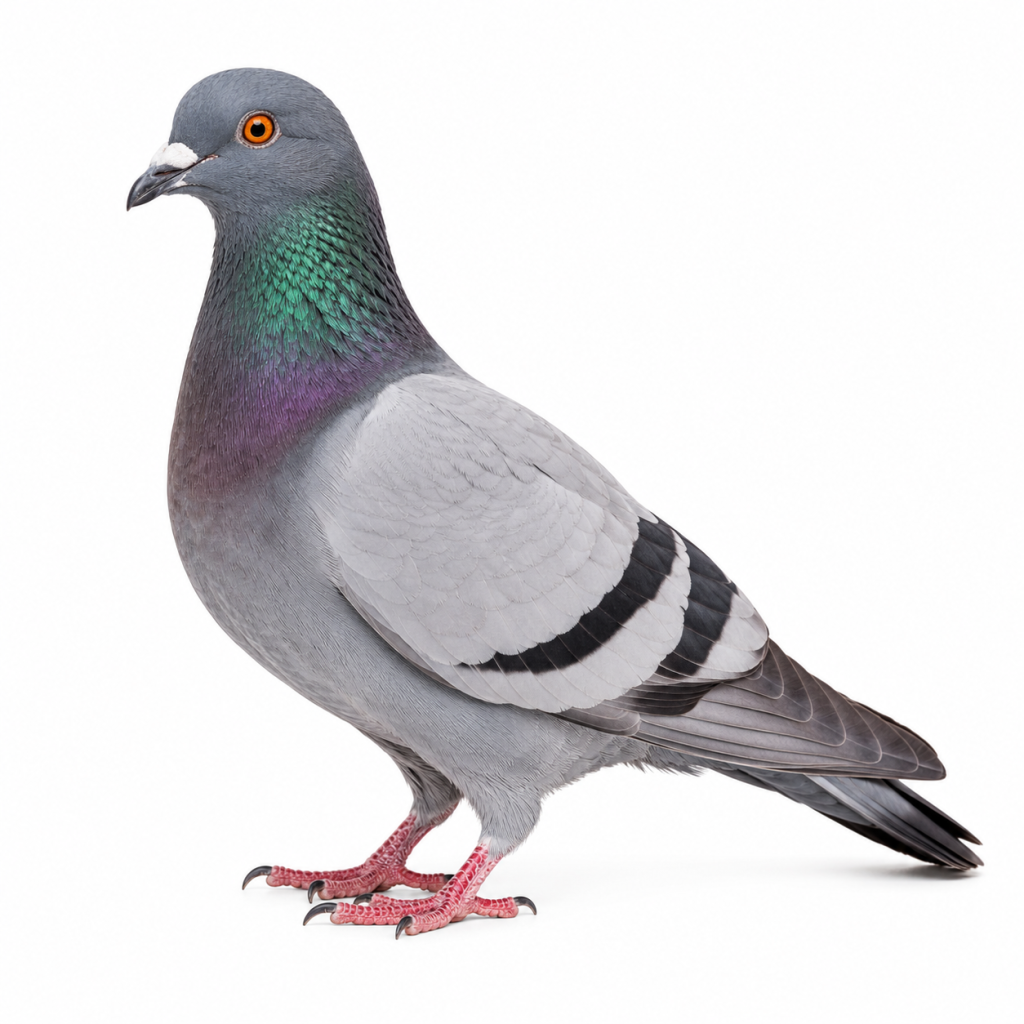
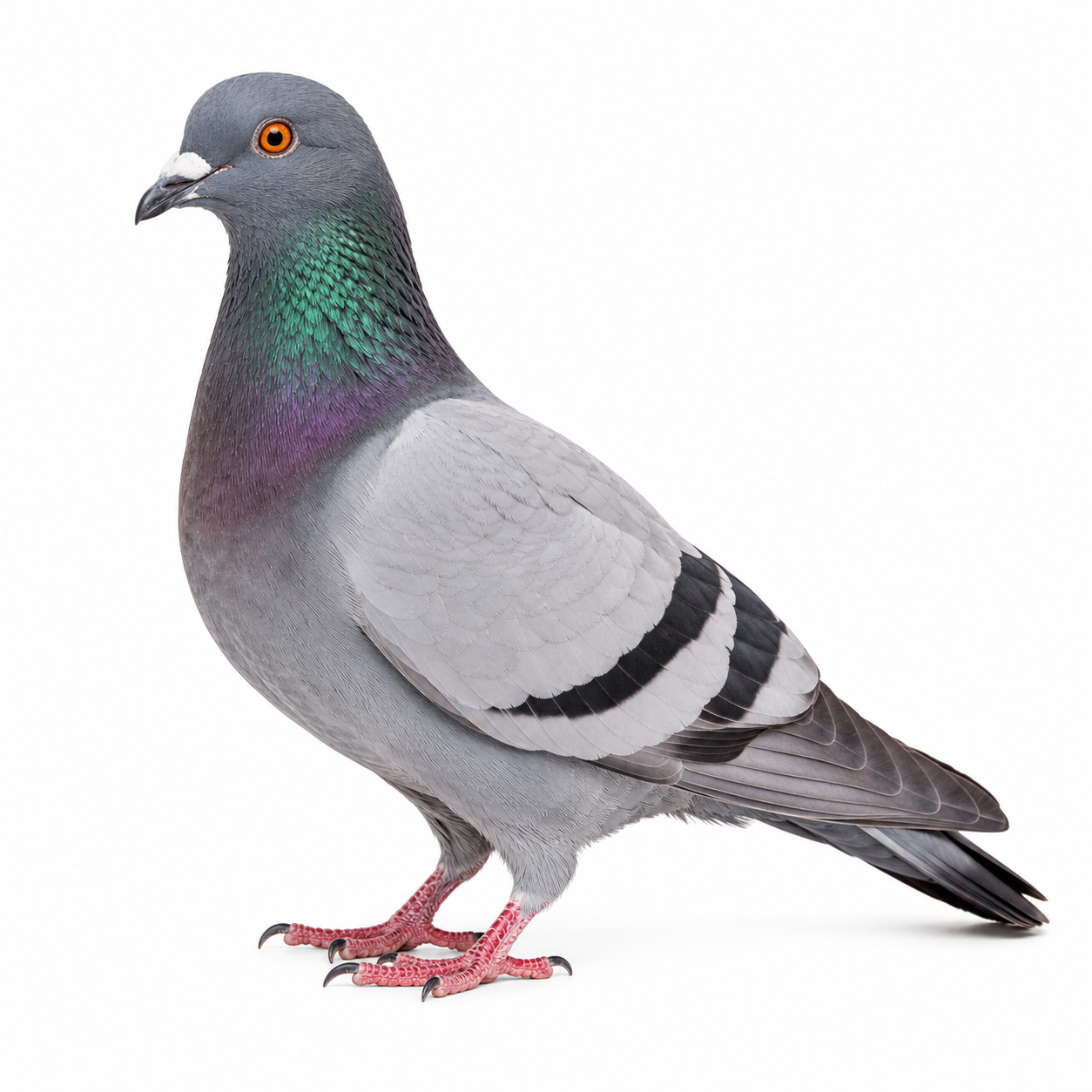
Common urban bird frequently found around buildings, rooftops, shopping centres and food sources.
Pigeons are one of the most familiar urban birds found throughout Queensland, commonly roosting on rooftops, warehouses, bridges, shopping centres and commercial buildings. Large flocks can create significant hygiene issues through the accumulation of droppings, which may damage building surfaces, block gutters and create slip hazards. Pigeons also build nests in roof voids, air-conditioning structures and other sheltered locations, where nesting materials may obstruct drainage or ventilation. Their constant presence can attract mites and other parasites associated with bird nests. Reducing food sources, limiting access to roosting sites and installing bird deterrent systems are effective ways to discourage pigeon activity. Where large populations have established themselves on buildings, professional bird management provides humane long-term solutions while complying with local wildlife regulations.
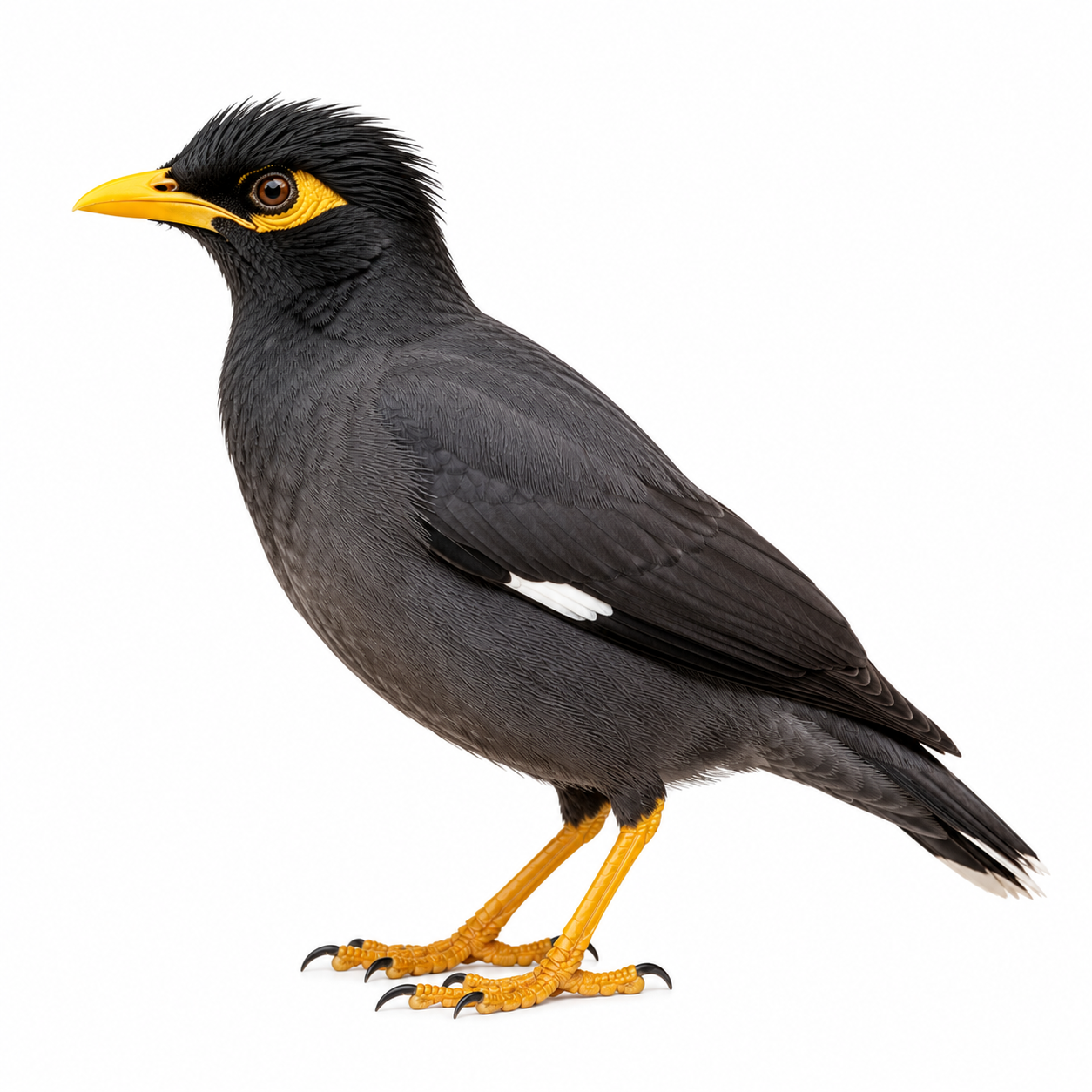
Native Australian bird commonly seen in suburban gardens, parks and residential neighbourhoods.
The Noisy Miner is a native Australian bird commonly seen throughout suburban gardens, parks and residential neighbourhoods across Queensland. Recognised for its loud calls and highly social behaviour, this species aggressively defends its territory against other birds, particularly during the breeding season. Despite its bold nature, the Noisy Miner is an important part of Australia’s native wildlife and contributes to insect control by feeding on insects, nectar and small invertebrates. Although they may occasionally nest near homes or become noisy around outdoor living areas, they rarely cause significant property damage. Because they are protected native birds, Noisy Miners should generally be left undisturbed. If nesting activity creates a genuine safety concern, advice should be sought before any action is taken to ensure wildlife protection laws are respected.
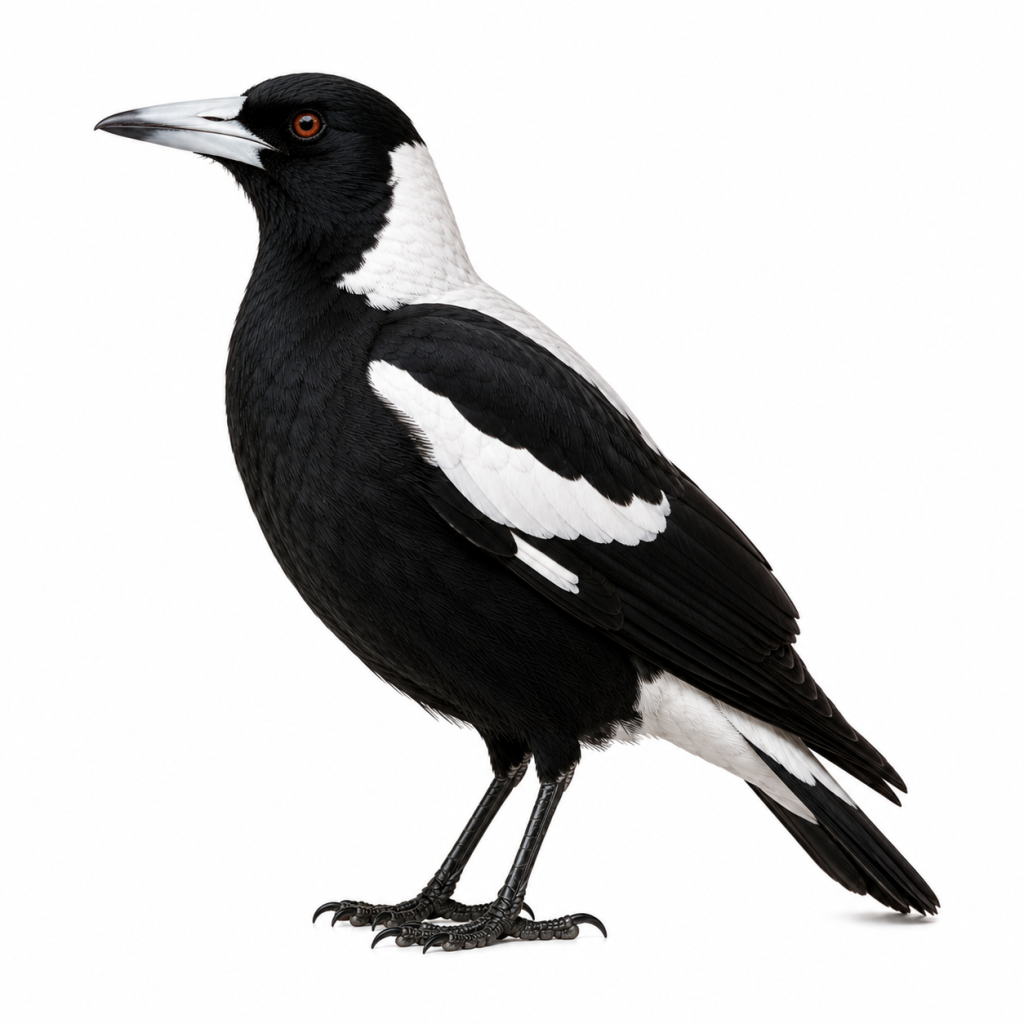
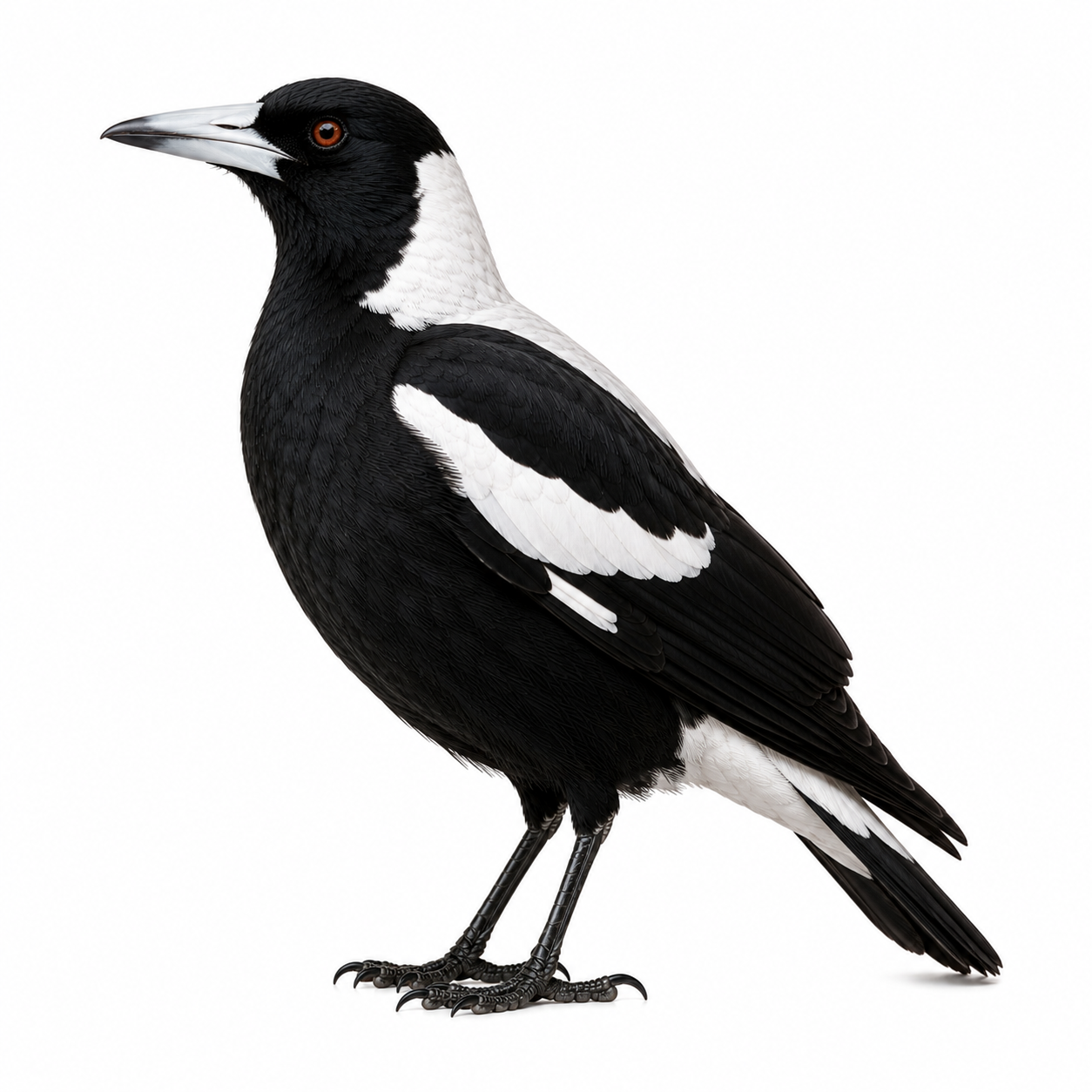
Well-known Australian bird recognised for its black and white plumage and territorial behaviour.
The Australian Magpie is one of Australia’s best-known native birds, recognised for its distinctive black and white plumage, beautiful song and seasonal territorial behaviour. Commonly found in parks, sporting fields, schools and residential areas throughout Queensland, Magpies feed on insects, worms and other small invertebrates that benefit gardens and lawns. During the breeding season some birds may swoop people who approach too closely to their nest, although this behaviour is temporary and usually ends once young birds have fledged. Australian Magpies are protected native wildlife and should not be harmed or disturbed. Giving nesting birds adequate space, wearing a hat when necessary and avoiding nesting areas during the breeding season are usually sufficient to minimise conflict while allowing these iconic birds to continue their valuable role in the local environment.
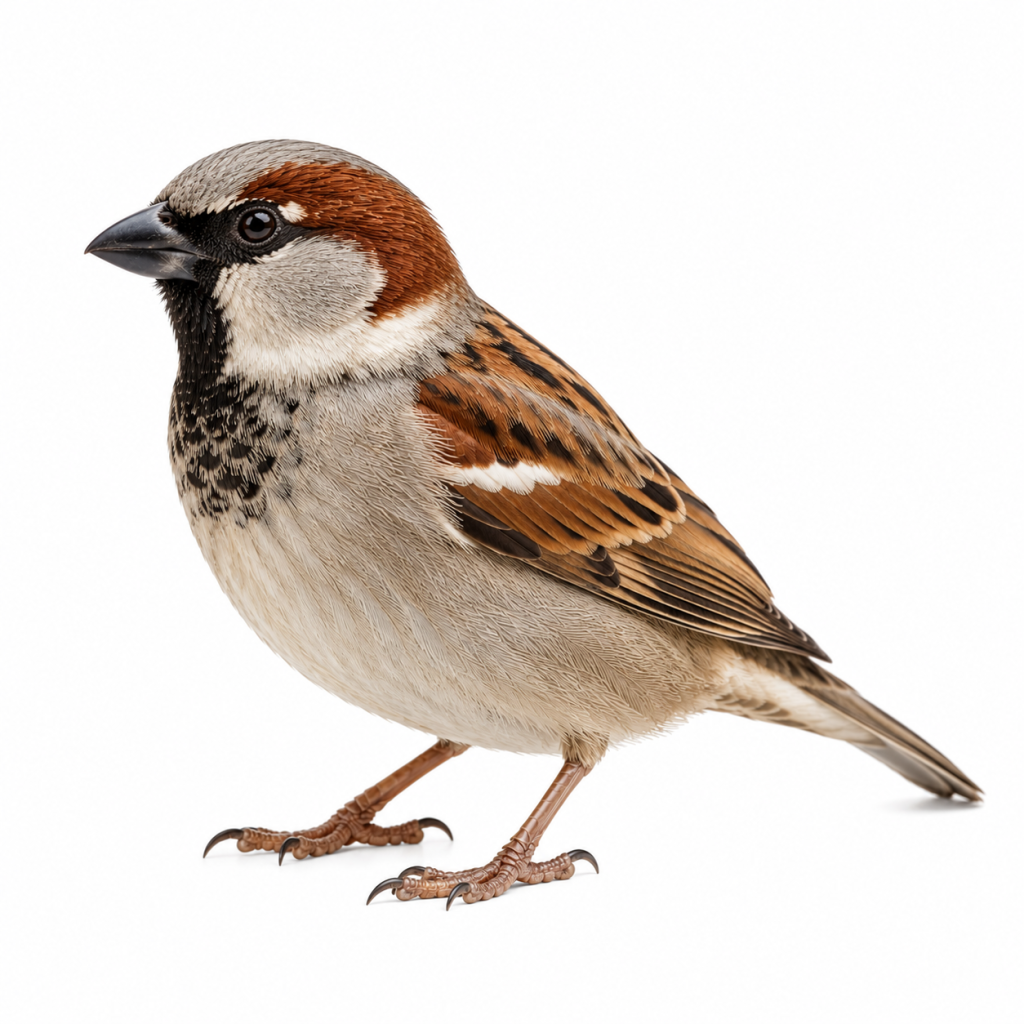
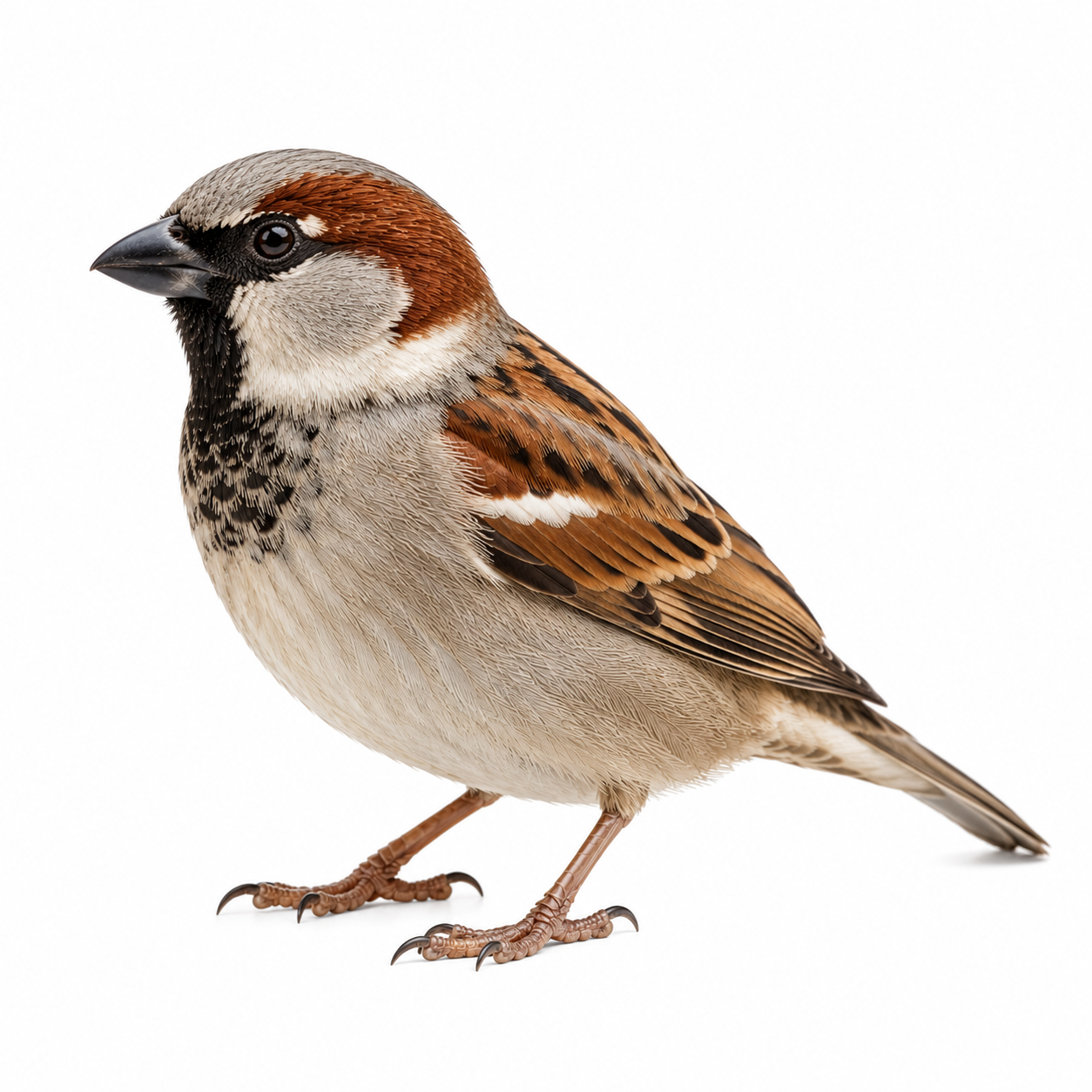
Small introduced bird commonly found around homes, sheds, outdoor eating areas and gardens.
The House Sparrow is an introduced bird commonly found around homes, sheds, shopping centres, cafes and outdoor eating areas throughout Queensland. These adaptable birds nest inside roof spaces, wall cavities, sheds and signs, often producing several broods each year. While generally small, large numbers of sparrows can create nuisance noise, leave droppings around buildings and contaminate food preparation or storage areas. Their nesting materials may also block vents and gutters if allowed to accumulate. Removing food sources, sealing potential nesting openings and maintaining clean outdoor areas can help discourage House Sparrows from establishing permanent colonies. Where repeated nesting causes ongoing problems in commercial or residential buildings, professional bird management may be required to exclude birds safely and humanely.
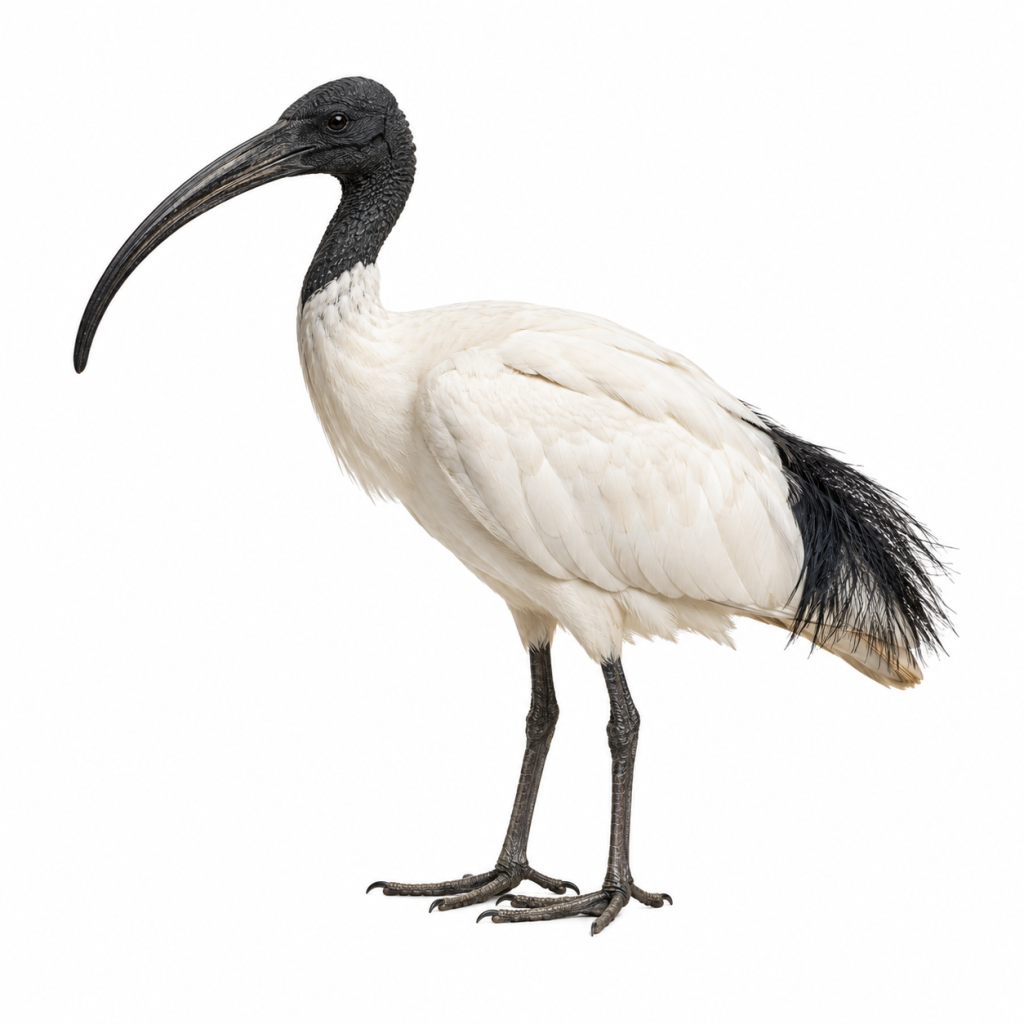
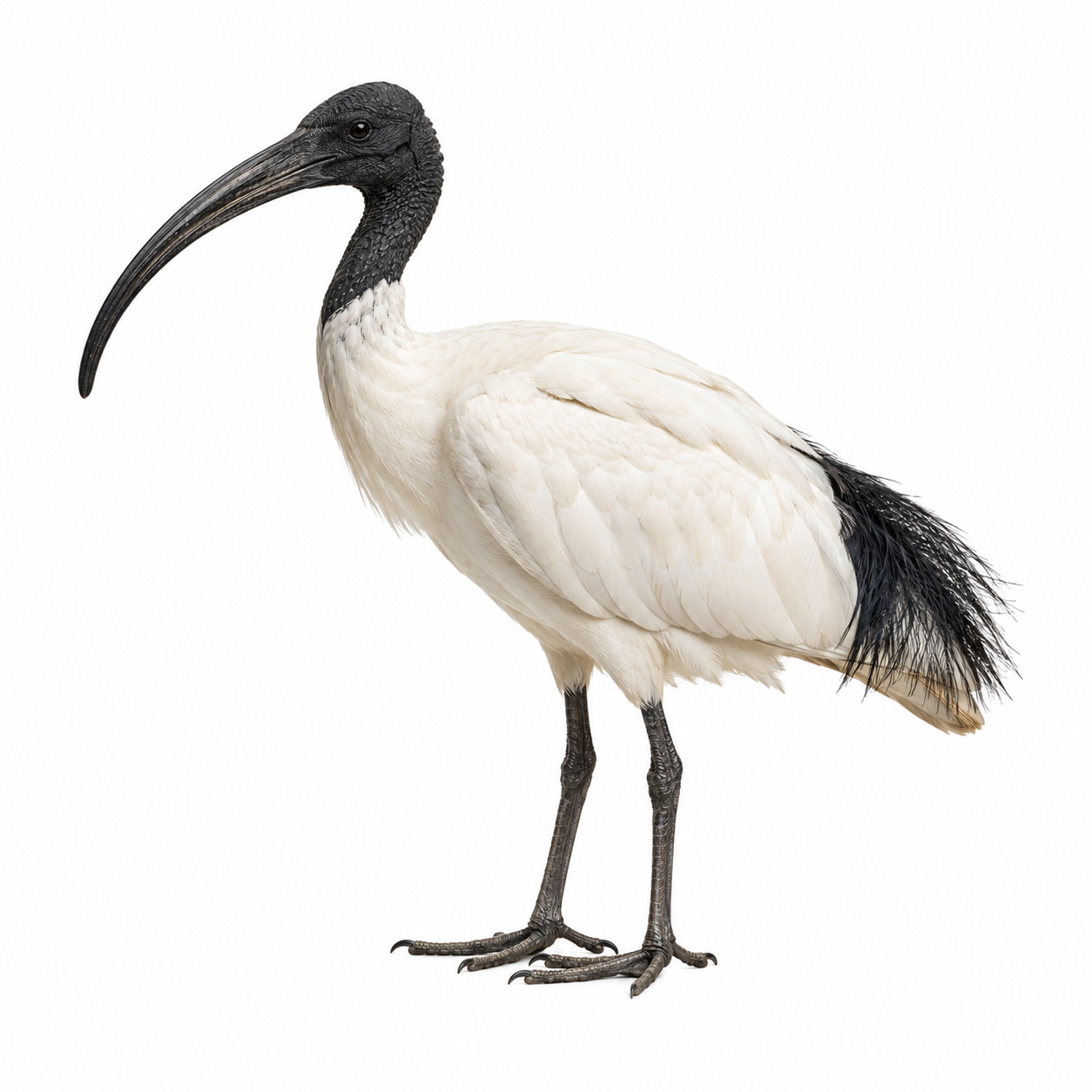
Large scavenging bird often found near rubbish bins, parks, waterways and commercial areas.
The Australian White Ibis is a large native bird commonly found around waterways, parks, sporting fields, shopping precincts and waste disposal areas throughout Queensland. Often nicknamed the “bin chicken,” this adaptable species has learned to forage around rubbish bins and food courts where discarded food is readily available. Although some people consider them a nuisance, White Ibis perform an important environmental role by consuming insects, small animals and organic waste. Large groups may create mess through droppings and scavenging behaviour around public spaces, but they are protected native birds and should not be disturbed unnecessarily. Reducing food waste, securing rubbish bins and discouraging deliberate feeding are the most effective ways to reduce unwanted ibis activity around homes and businesses.
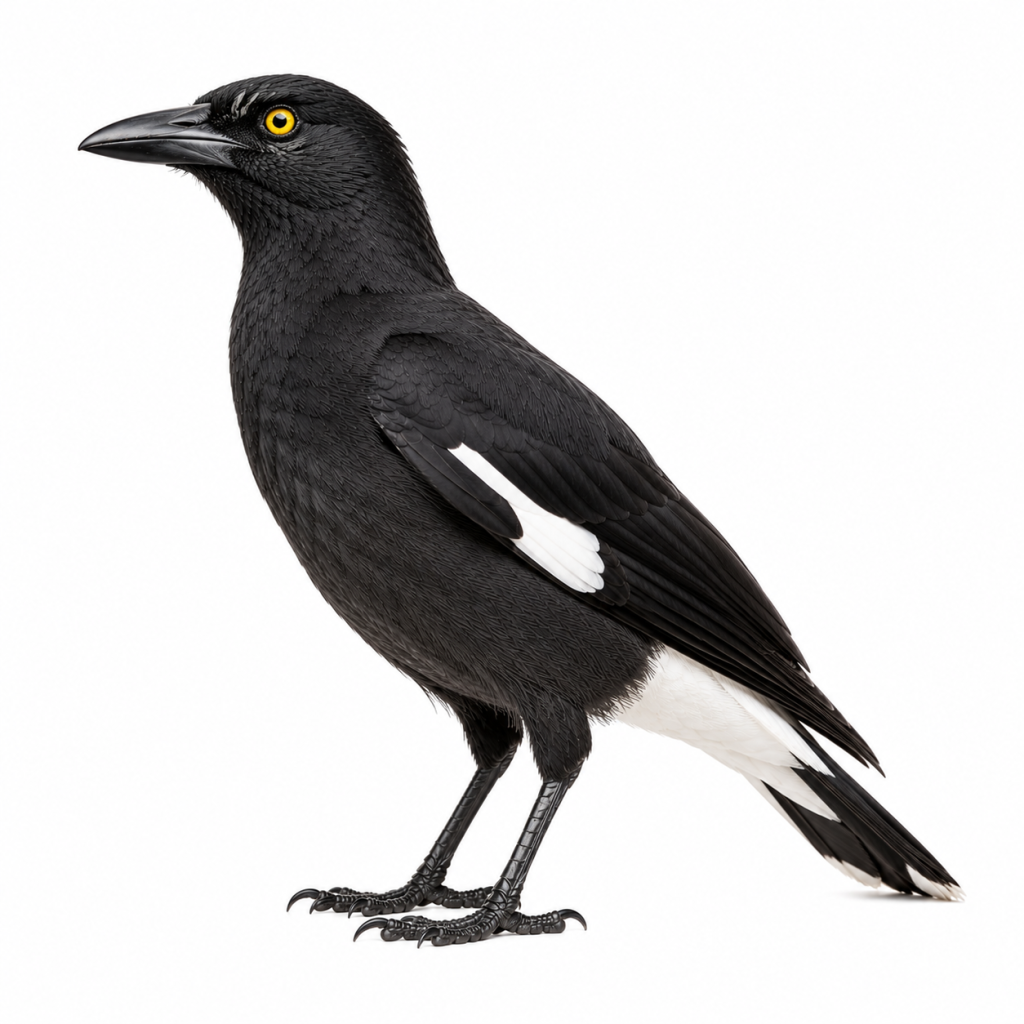
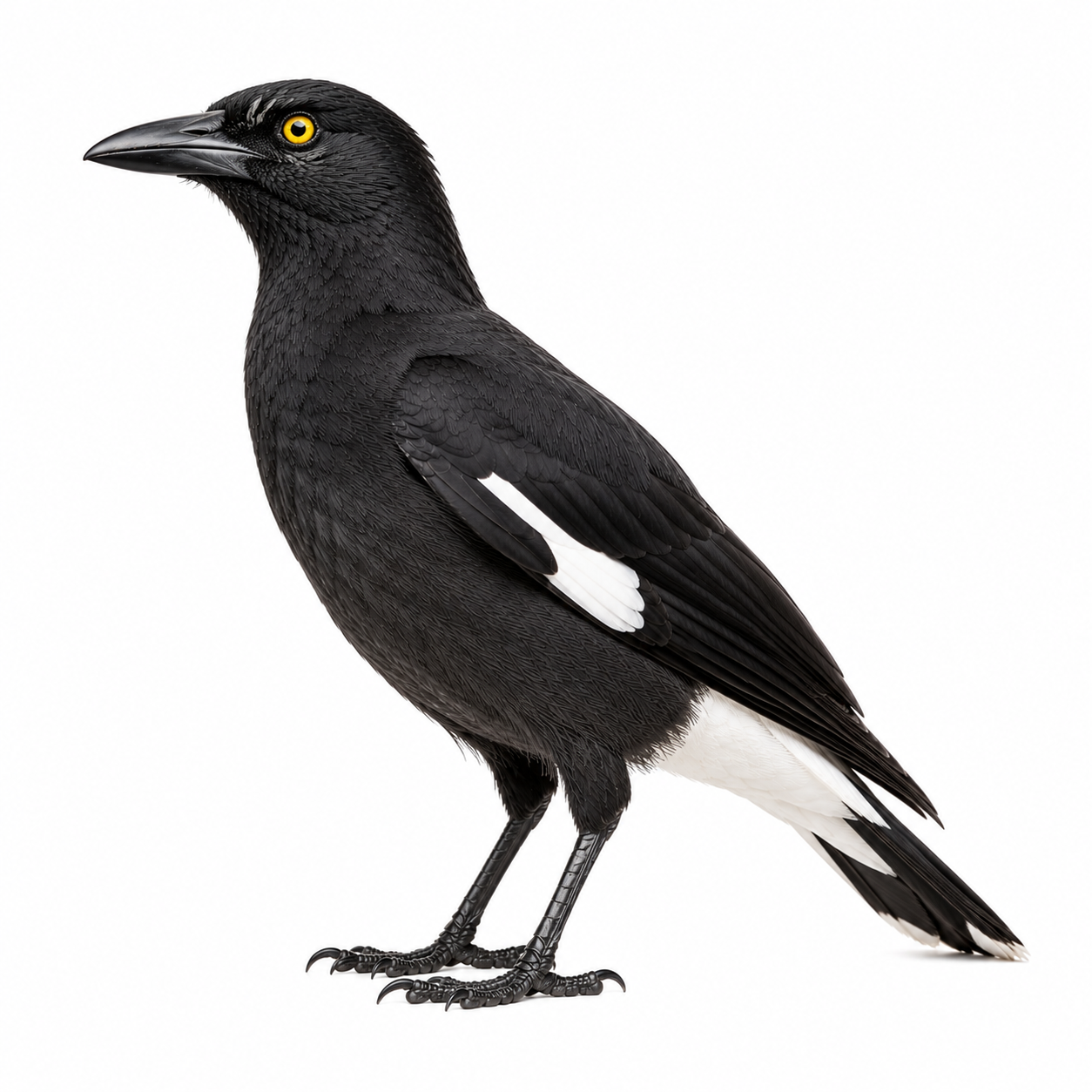
Medium-sized native bird commonly seen in suburban gardens, bushland and residential areas.
The Pied Currawong is a striking native bird commonly seen in suburban gardens, parks and bushland throughout Queensland. Recognised by its glossy black plumage, bright yellow eyes and distinctive call, this intelligent species feeds on insects, fruit, small reptiles and occasionally the eggs or chicks of other birds. Currawongs generally avoid close contact with people but may visit backyards in search of food or water. They are protected native wildlife and provide natural pest control by feeding on insects and other small animals. While they can occasionally become noisy during the breeding season, they rarely create significant property damage. Homeowners should avoid feeding Currawongs regularly, allowing them to continue their natural foraging behaviour within the local ecosystem.
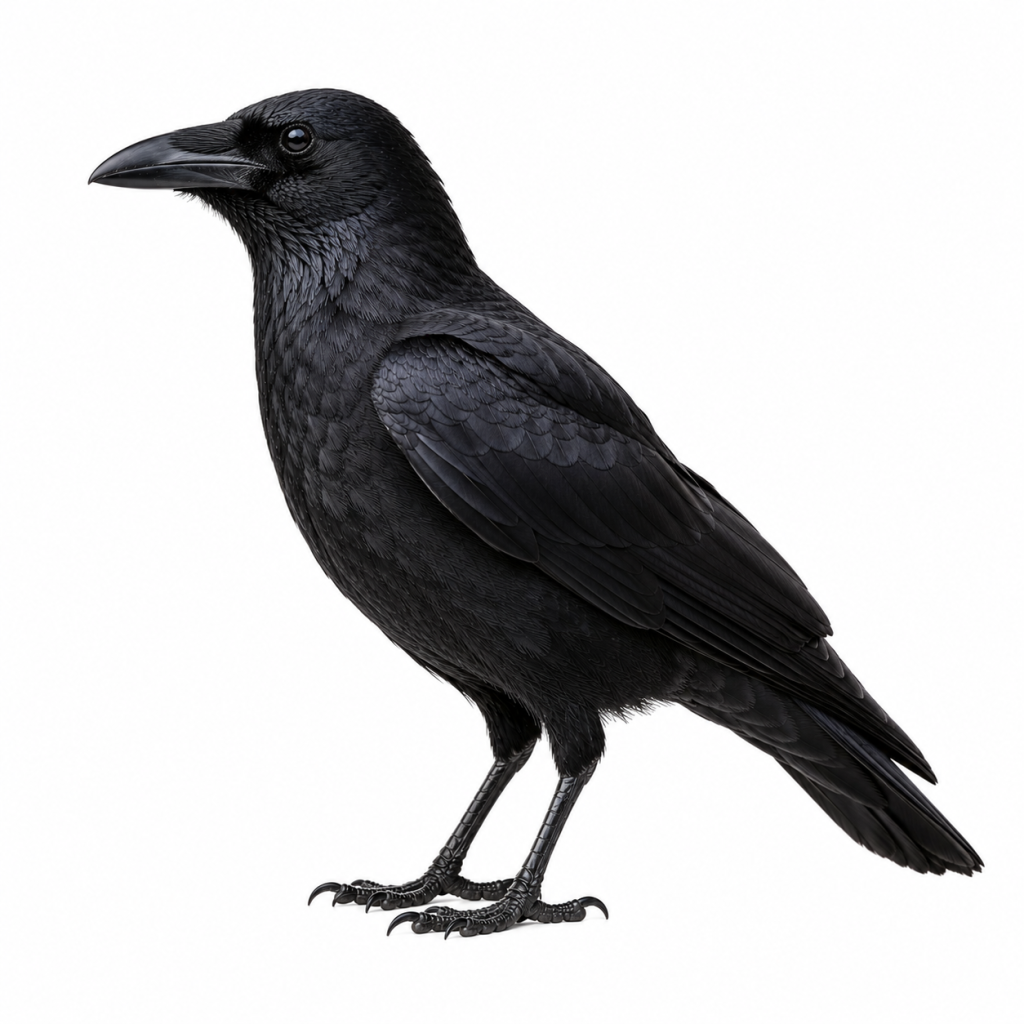
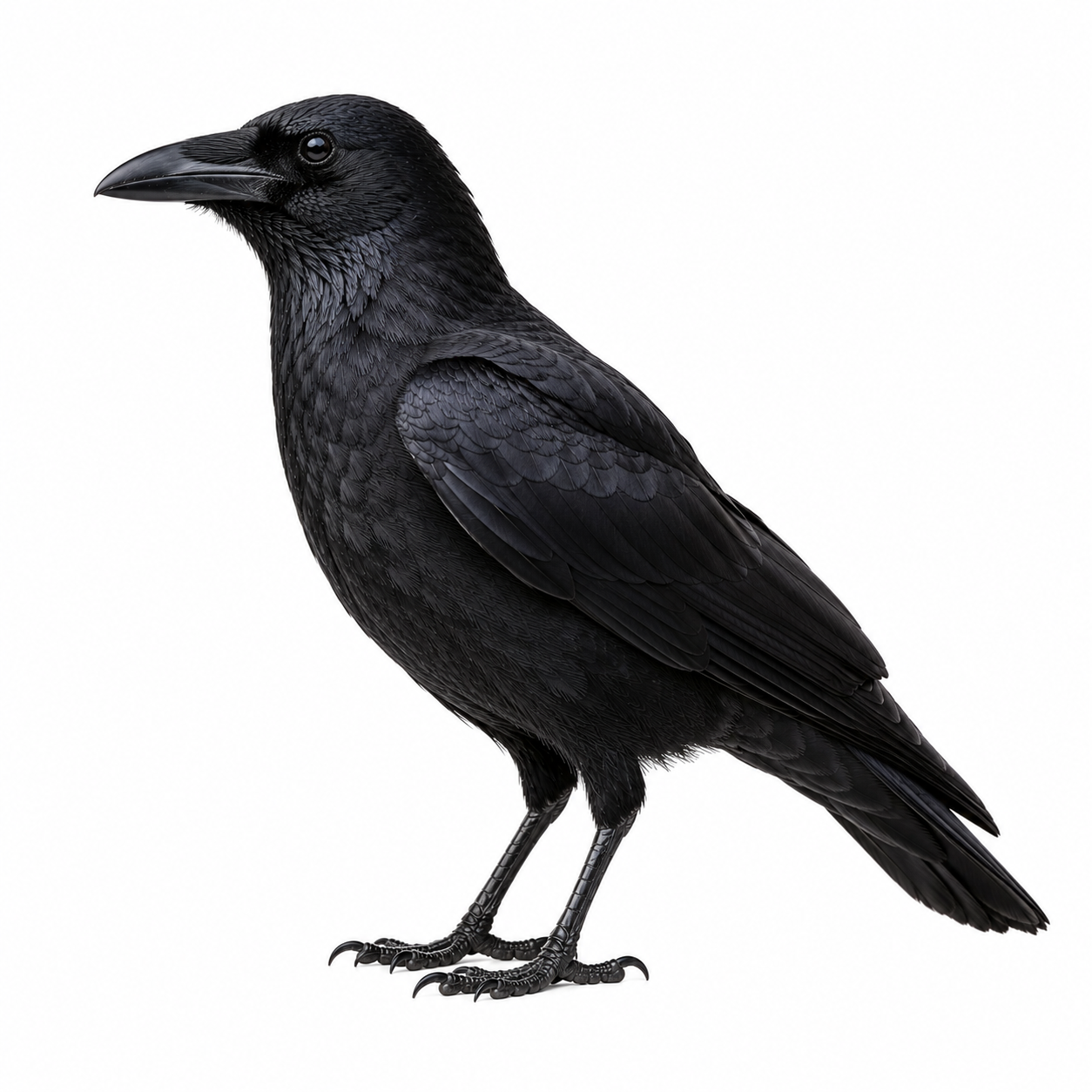
Intelligent scavenging bird frequently found around urban areas, rubbish facilities and industrial zones.
The Torresian Crow is a highly intelligent native bird commonly found throughout Queensland’s urban areas, industrial estates, parks and rural properties. These adaptable scavengers feed on insects, carrion, food scraps and a wide variety of natural food sources, making them valuable cleaners within the environment. However, large numbers of crows around rubbish facilities, food outlets or commercial premises may create noise and leave droppings on buildings and vehicles. Their intelligence allows them to quickly exploit easy food sources if waste is not properly managed. Maintaining secure rubbish bins, reducing food waste and limiting access to feeding opportunities are the most effective ways to discourage large gatherings. As protected native birds, Torresian Crows should be managed humanely where problems occur.
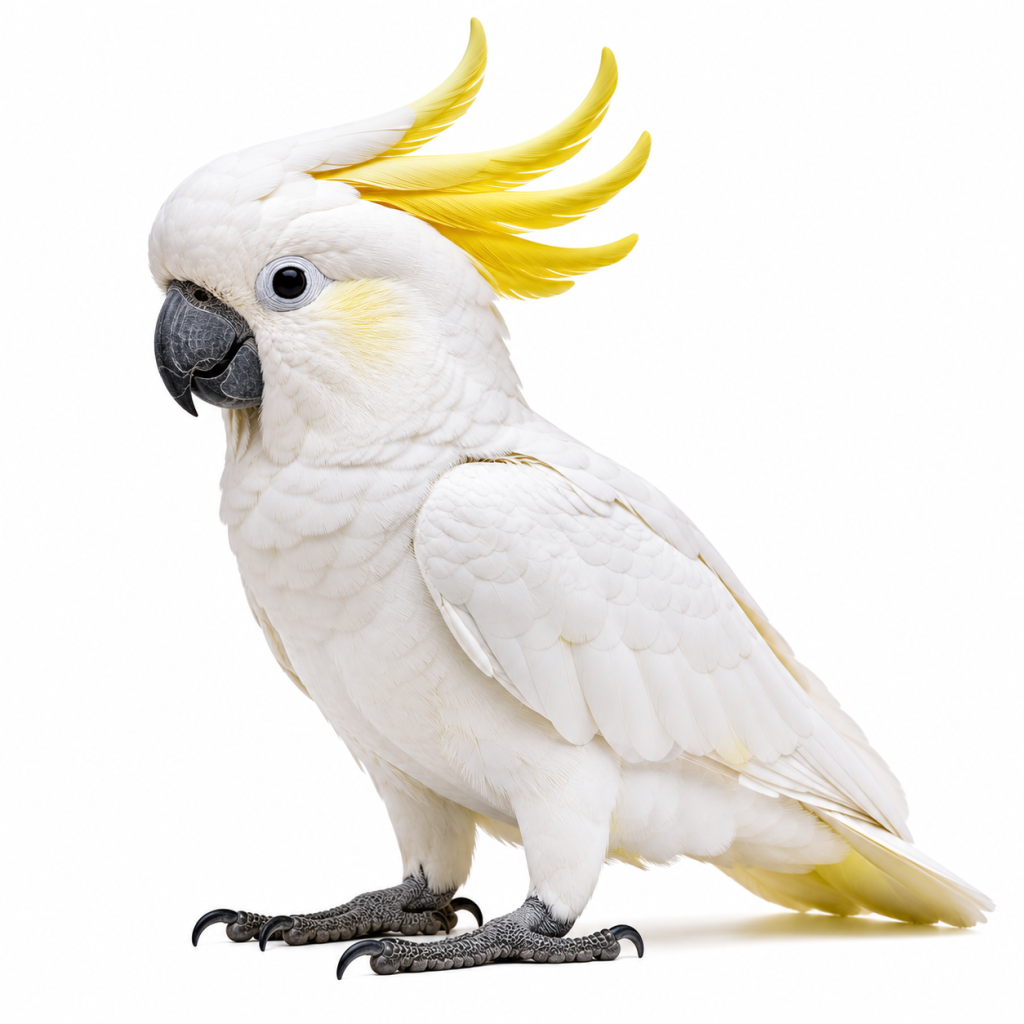
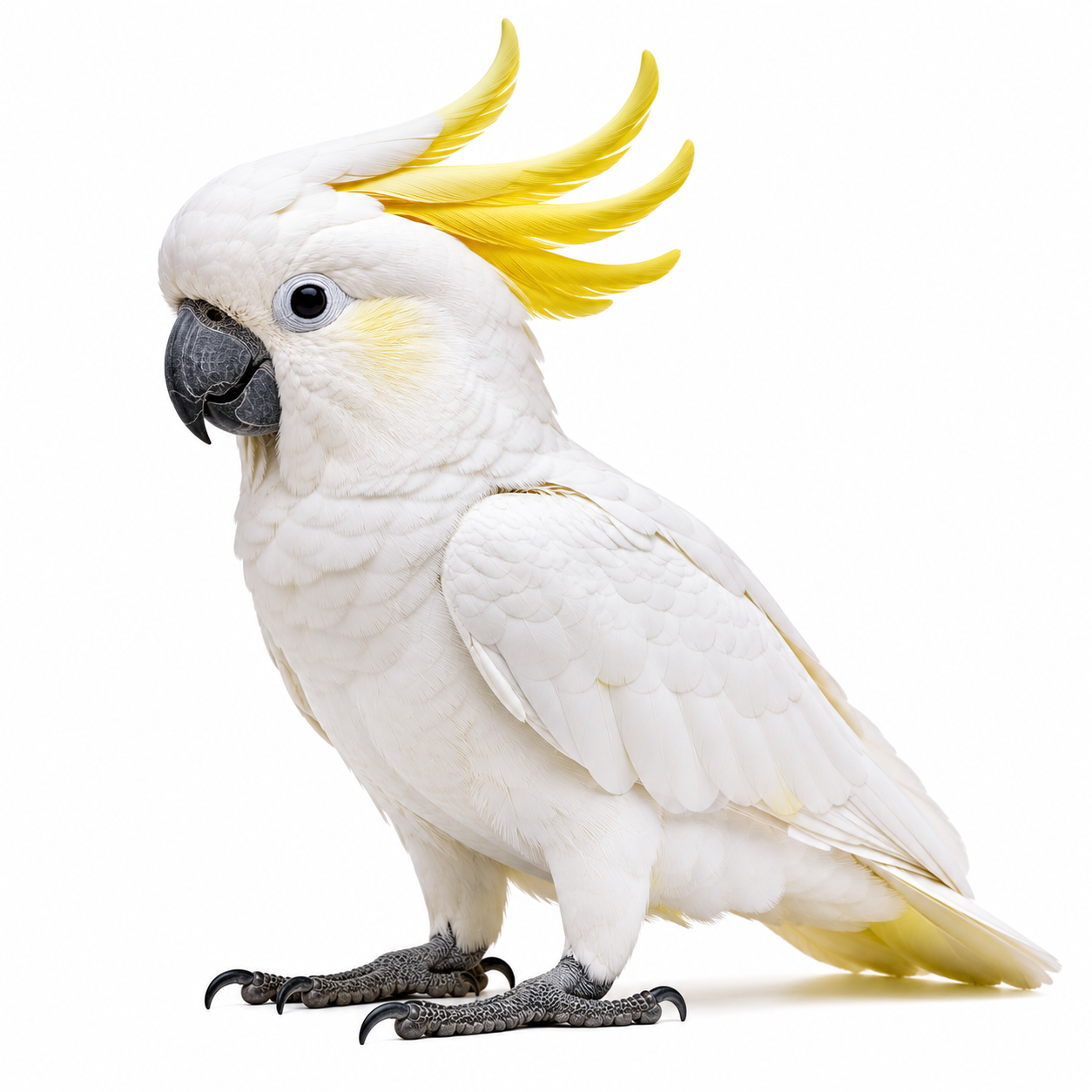
Large white cockatoo recognised for its yellow crest and noisy presence around homes and parks.
The Sulphur-Crested Cockatoo is a large native parrot recognised by its brilliant white feathers, yellow crest and loud, unmistakable calls. Common throughout Queensland’s parks, bushland and residential suburbs, these highly intelligent birds feed on seeds, nuts, fruits and vegetation. Cockatoos are well known for their powerful beaks, which can damage timber, outdoor furniture, roof fittings and even electrical cabling while investigating potential food sources or nesting sites. Despite this behaviour, they are protected native wildlife and play an important role within Australian ecosystems. Homeowners experiencing repeated property damage should consider practical deterrents and exclusion methods rather than attempting to harm the birds. Professional advice may assist where damage becomes persistent or significant.
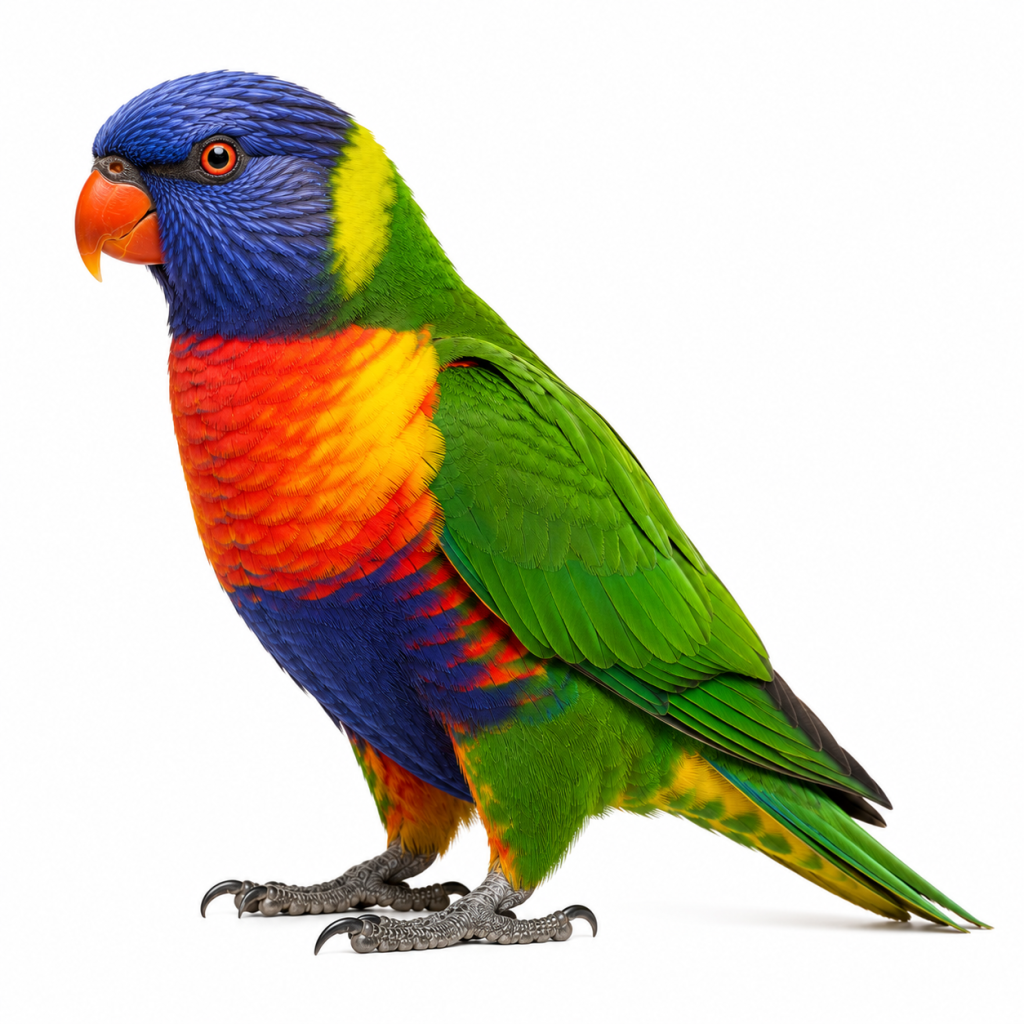
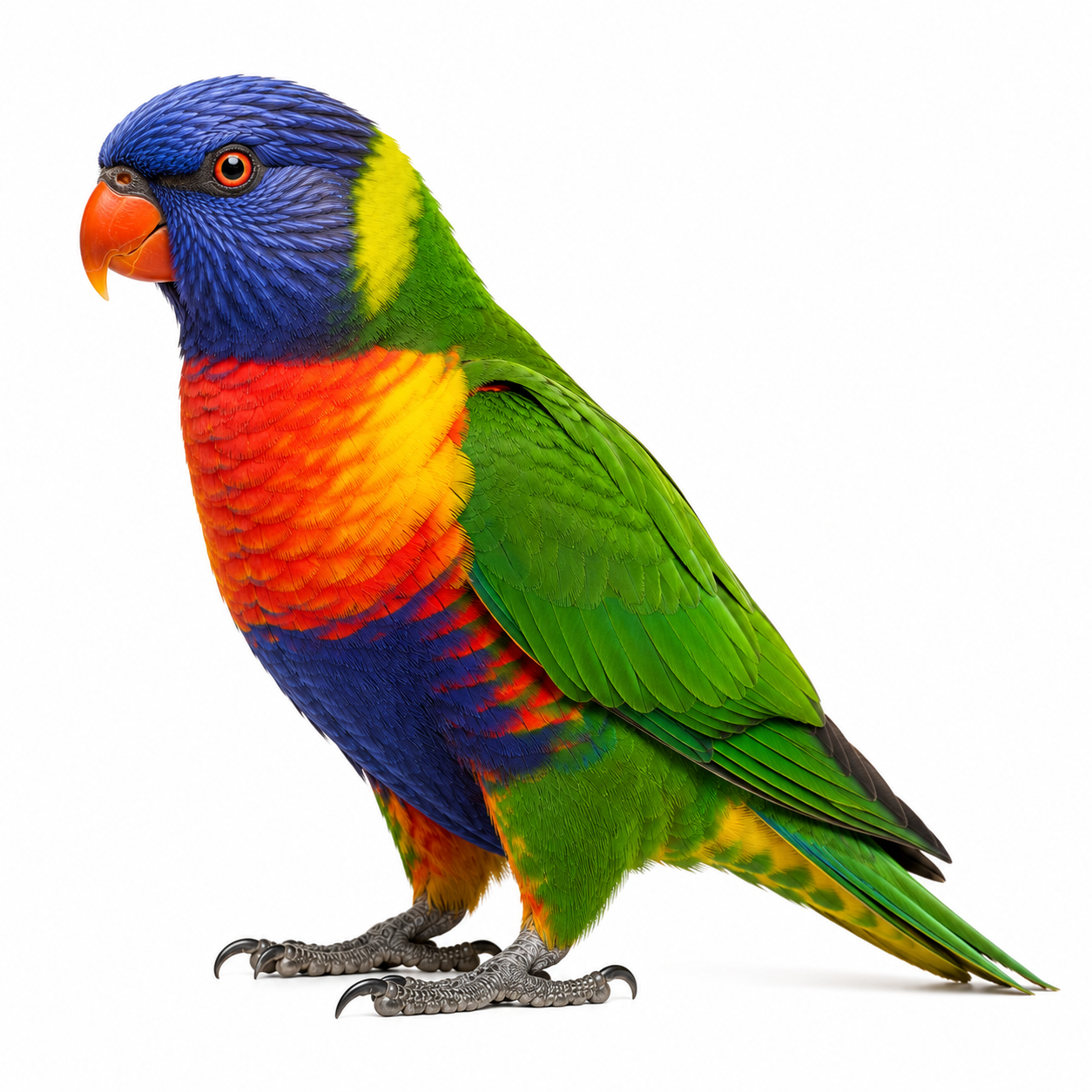
Colourful native parrot commonly found in suburban gardens, flowering trees and residential areas.
The Rainbow Lorikeet is one of Australia’s most colourful native parrots and is commonly seen throughout Queensland feeding on flowering trees, native plants and backyard gardens. Their specialised brush-like tongues allow them to feed primarily on nectar and pollen, making them valuable pollinators of many Australian plant species. Rainbow Lorikeets often travel in noisy flocks and may roost in large numbers, creating noise and droppings beneath favoured trees. Although they occasionally nest inside roof cavities or hollows, they are protected native birds and should generally be appreciated for their ecological importance and colourful presence. Avoid feeding lorikeets processed human foods, as a natural diet helps maintain healthy bird populations and reduces dependence on residential areas.
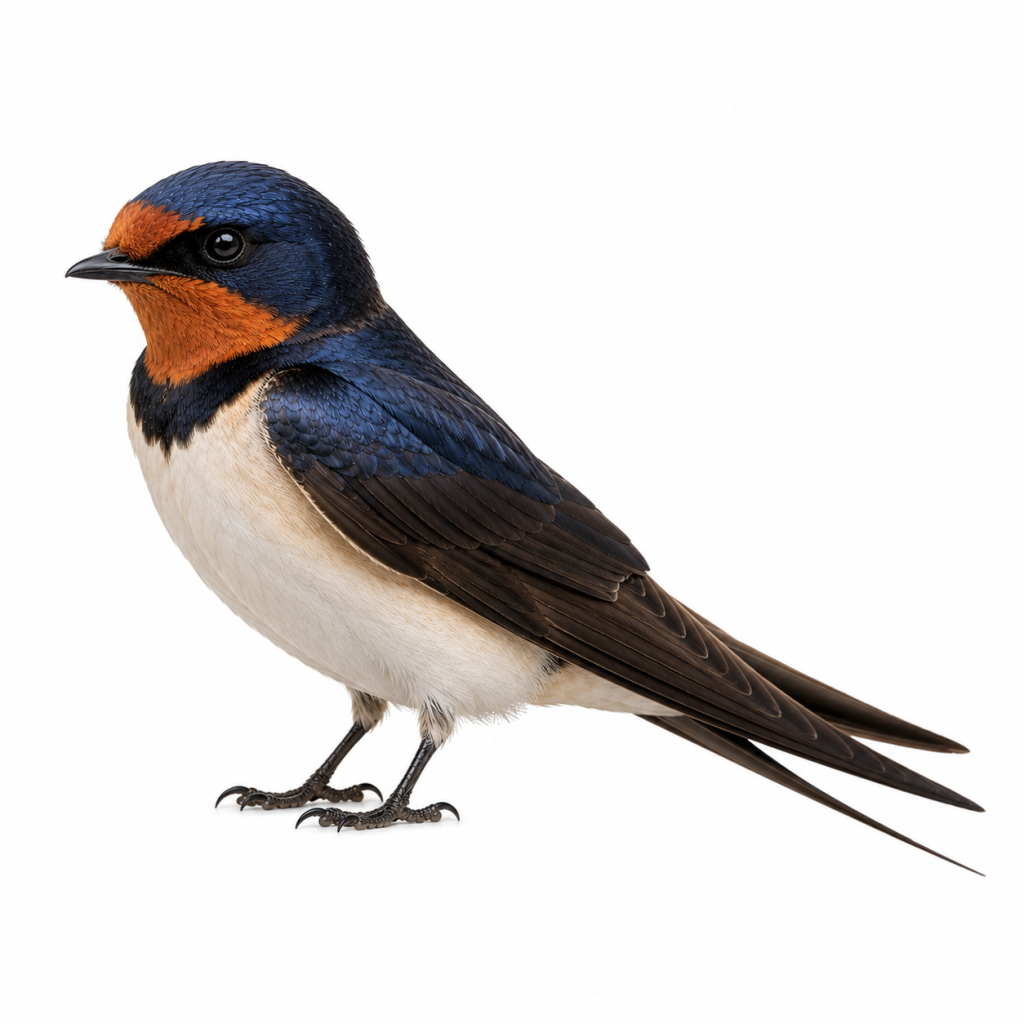
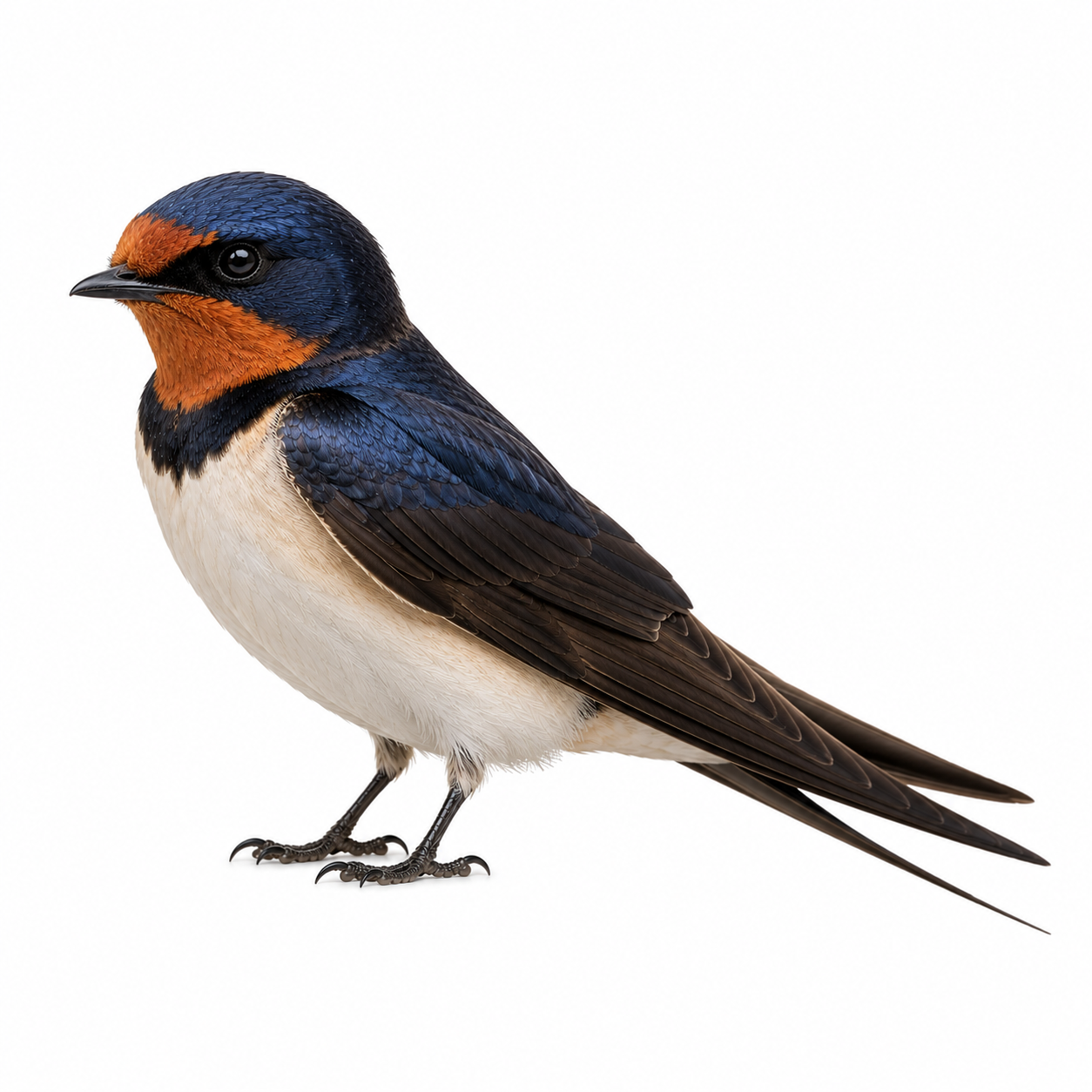
Small agile bird often seen nesting under eaves, patios, verandahs and outdoor structures.
The Welcome Swallow is a small native bird recognised by its graceful flight and deeply forked tail. Common throughout Queensland, these agile insect hunters are often seen flying around homes, farms, parks and waterways where they capture mosquitoes, flies and other flying insects. Welcome Swallows frequently build mud nests beneath eaves, verandahs, patios and other sheltered structures, sometimes returning to the same location each breeding season. Although nesting activity may create minor mess beneath the nest, these birds provide valuable natural insect control and are protected native wildlife. Where nests are not causing significant problems they should generally be left undisturbed until the breeding season has concluded.
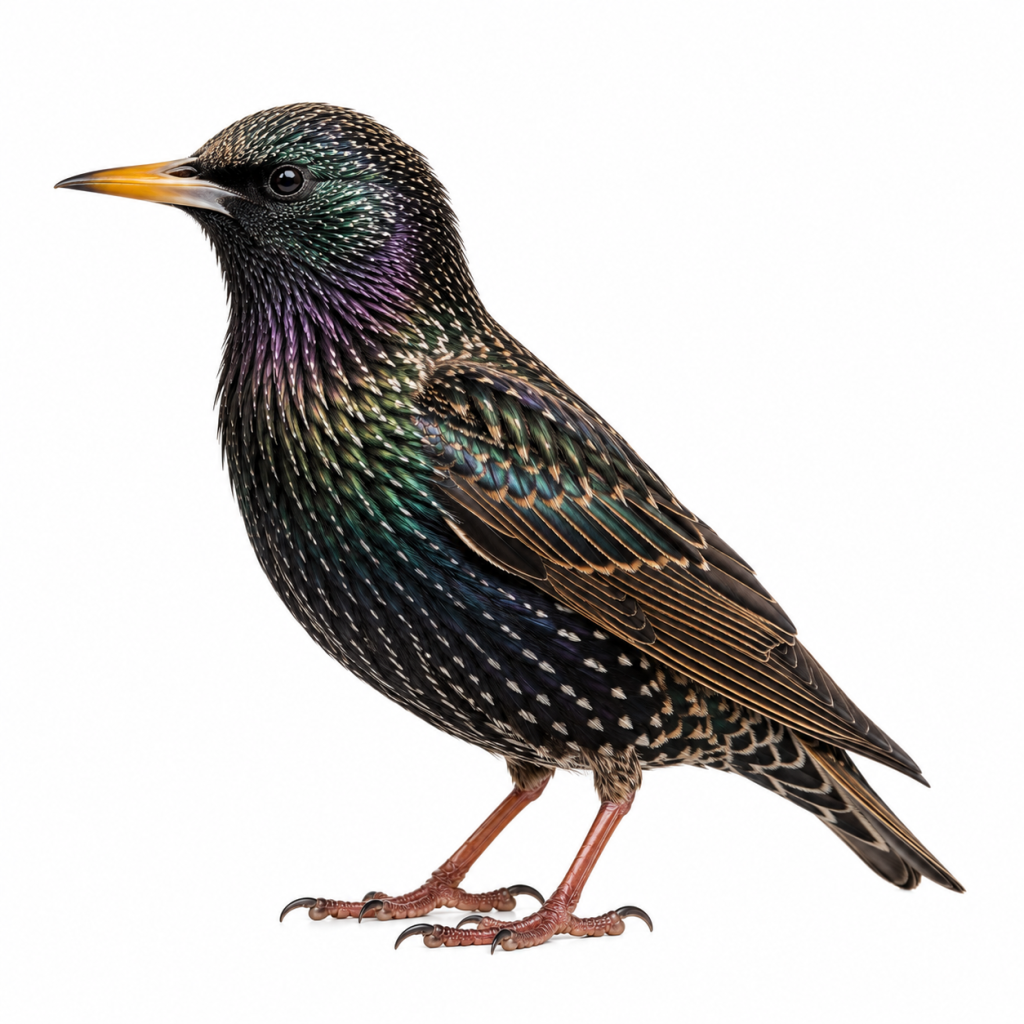
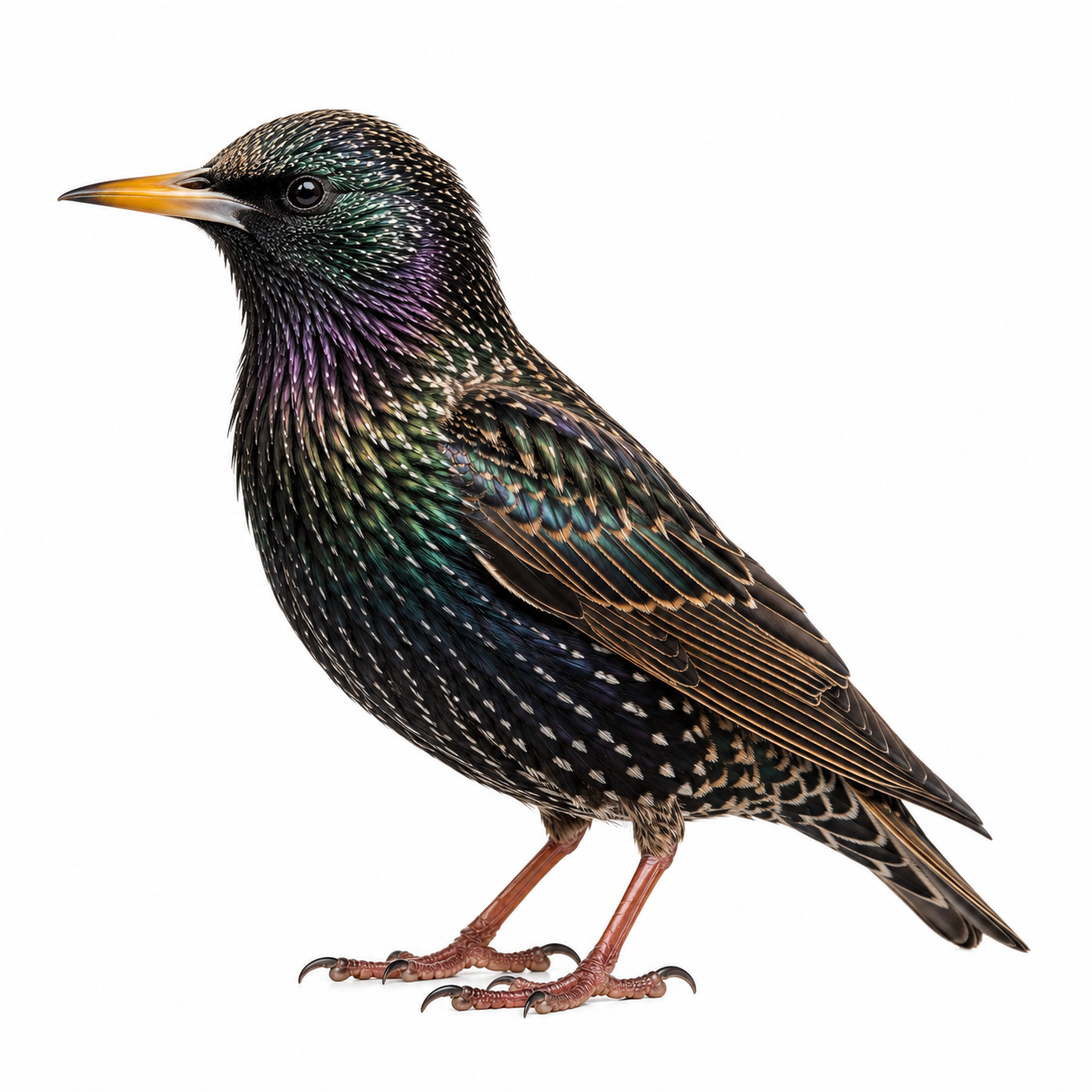
Introduced bird commonly found around homes, farms, sheds and urban environments.
The Common Starling is an introduced bird species widely established throughout many urban and rural areas of Australia. These adaptable birds commonly nest inside roof cavities, sheds, barns and commercial buildings where they may produce considerable noise and leave droppings around entry points. Starlings compete aggressively with native birds for nesting sites and can form large flocks around agricultural properties, shopping centres and public parks. Removing food sources, sealing nesting openings and discouraging roosting sites can help reduce long-term activity. Where Starling populations become established inside buildings or create ongoing nuisance, professional bird management can provide safe exclusion methods that minimise future infestations.
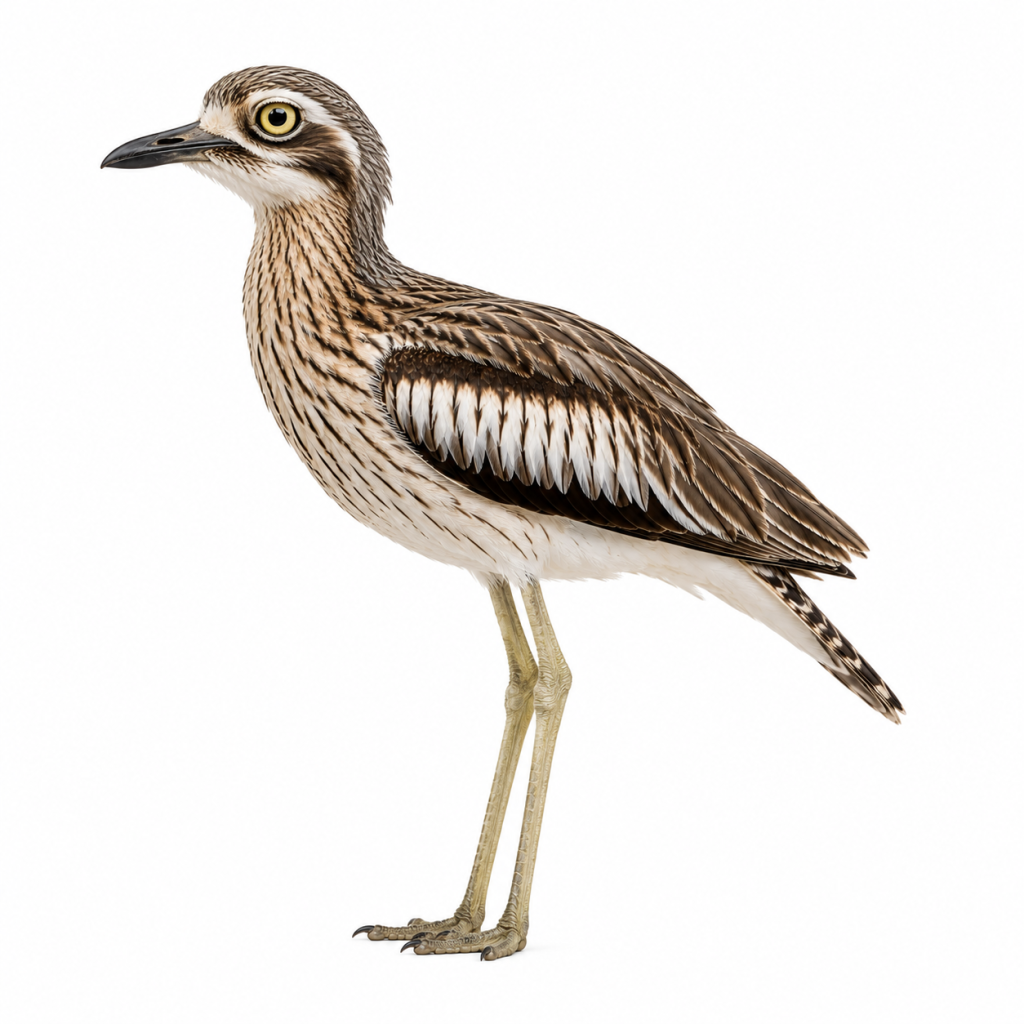
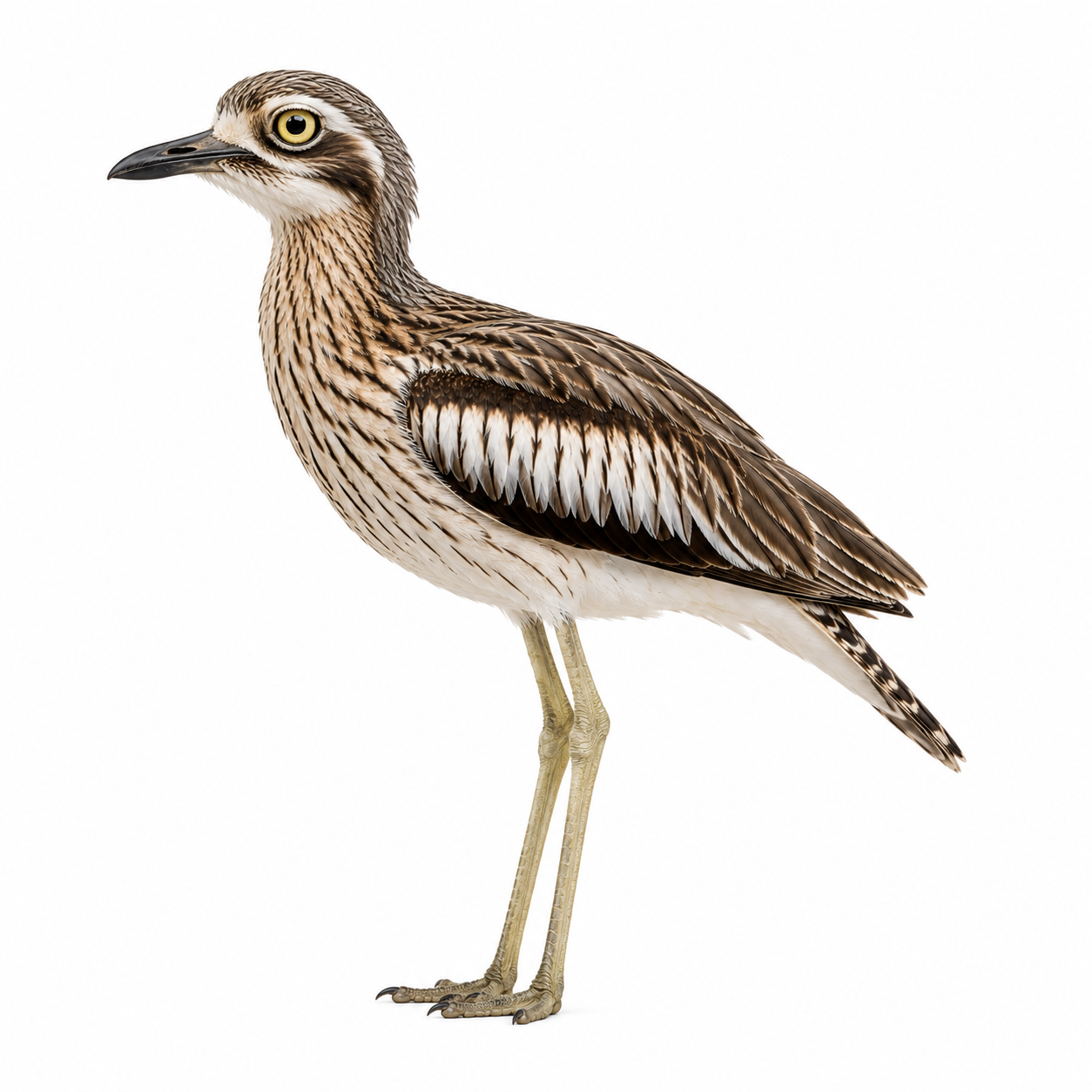
Ground-dwelling native bird known for its large eyes and distinctive night calls.
The Bush Stone-Curlew is a distinctive native ground-dwelling bird recognised by its long legs, large yellow eyes and haunting nocturnal calls. Once widespread throughout Australia, it is now considered vulnerable in many regions and is protected under wildlife legislation. Bush Stone-Curlews are often encountered in parks, golf courses, gardens and open woodland where they rely on camouflage rather than flight to avoid danger. They feed on insects, spiders and other small invertebrates, providing natural pest control within the environment. Although their loud night calls may surprise residents, these birds pose no threat to people or property and should always be left undisturbed.
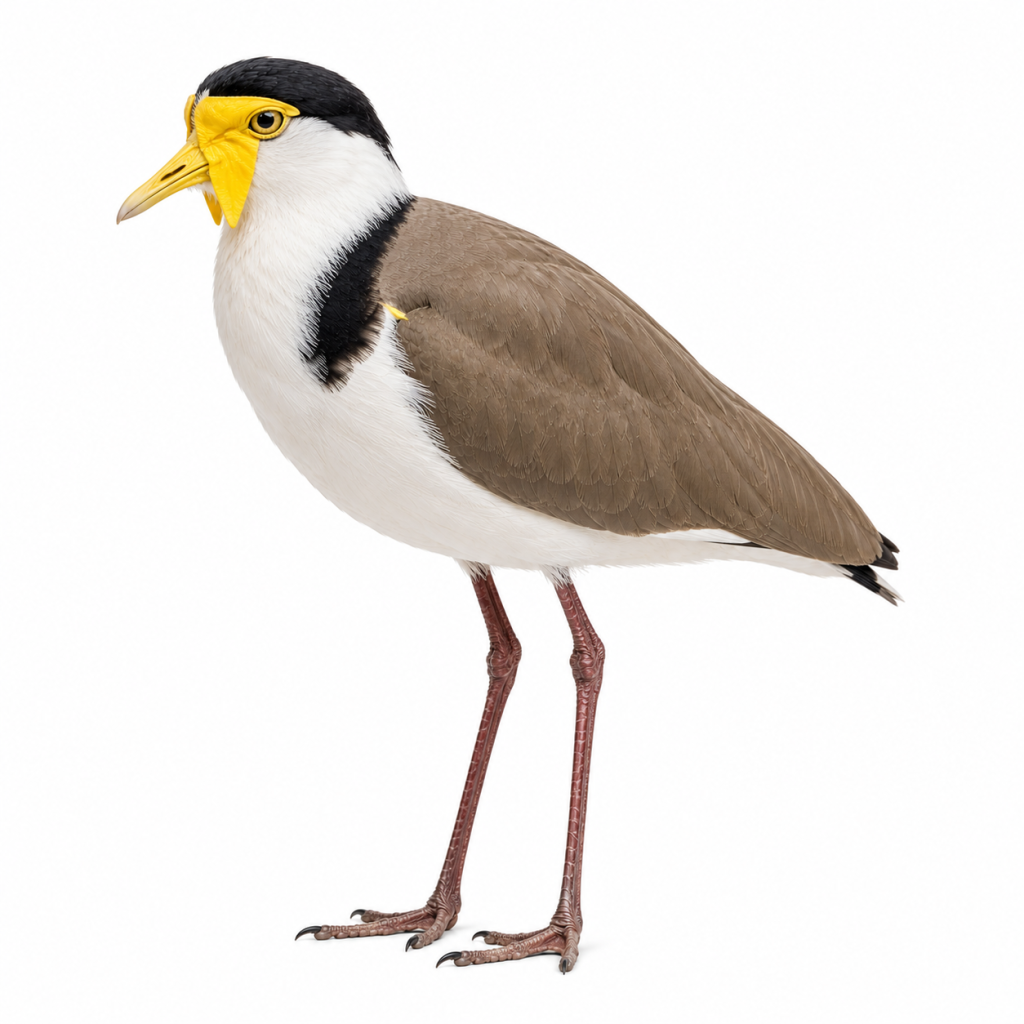
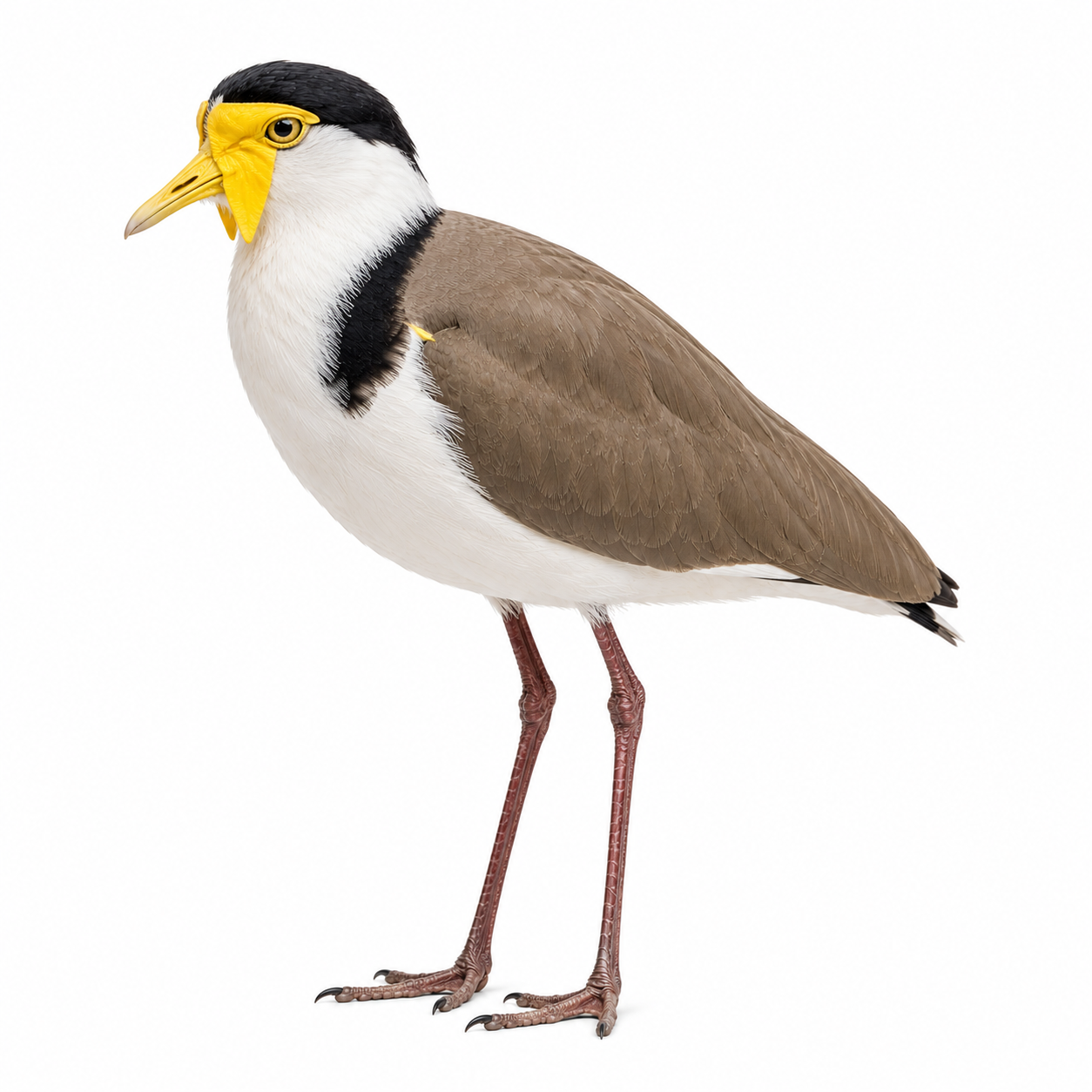
Common Australian bird often found nesting on lawns, sporting fields and open grassed areas.
The Masked Lapwing is a native Australian bird commonly found on sporting fields, school grounds, parks and residential lawns throughout Queensland. Recognised by its distinctive yellow facial wattles and loud alarm calls, this species nests directly on open ground where eggs can be difficult to see. During the breeding season adults may swoop or aggressively defend the nest if people approach too closely, although actual contact is uncommon. Masked Lapwings feed primarily on insects and other small invertebrates, providing natural pest control in grassy areas. Because they are protected native birds, nests should be avoided wherever possible until young birds have hatched and left the area naturally.
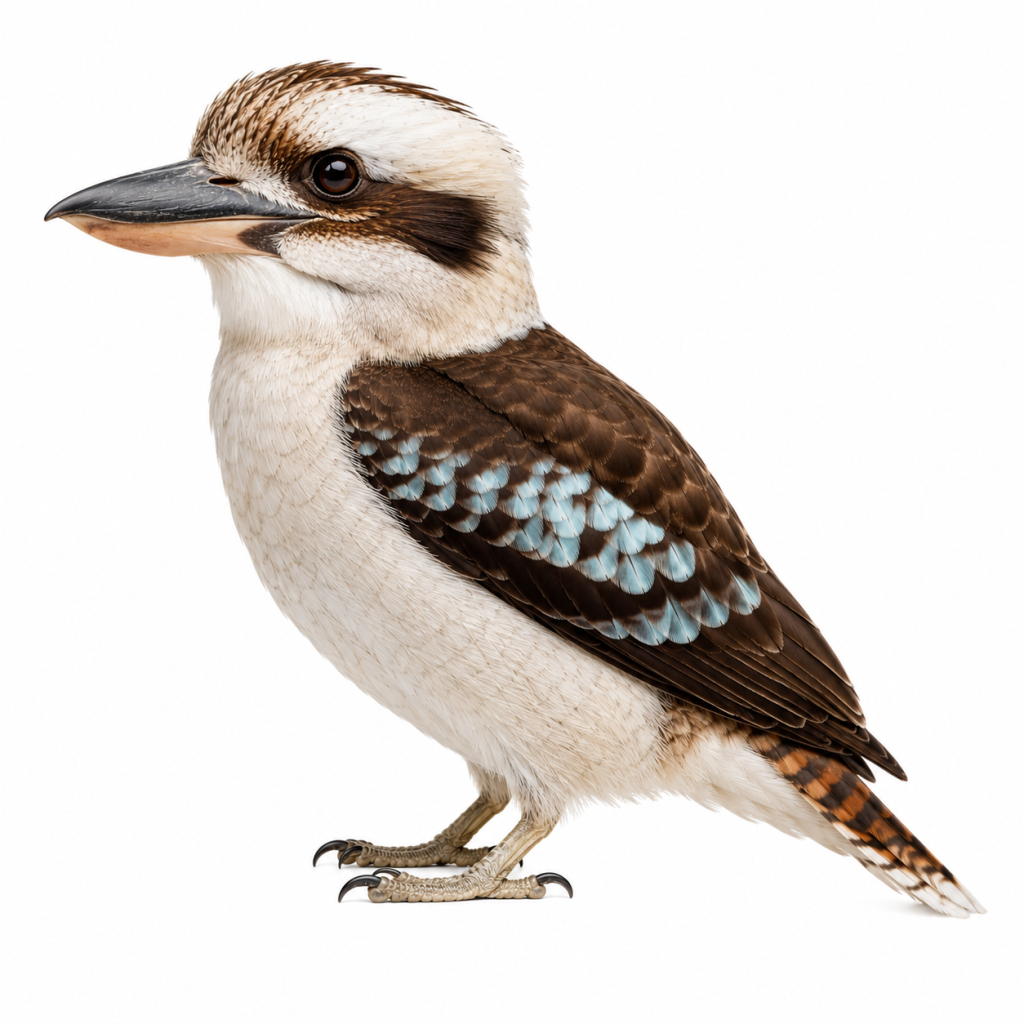
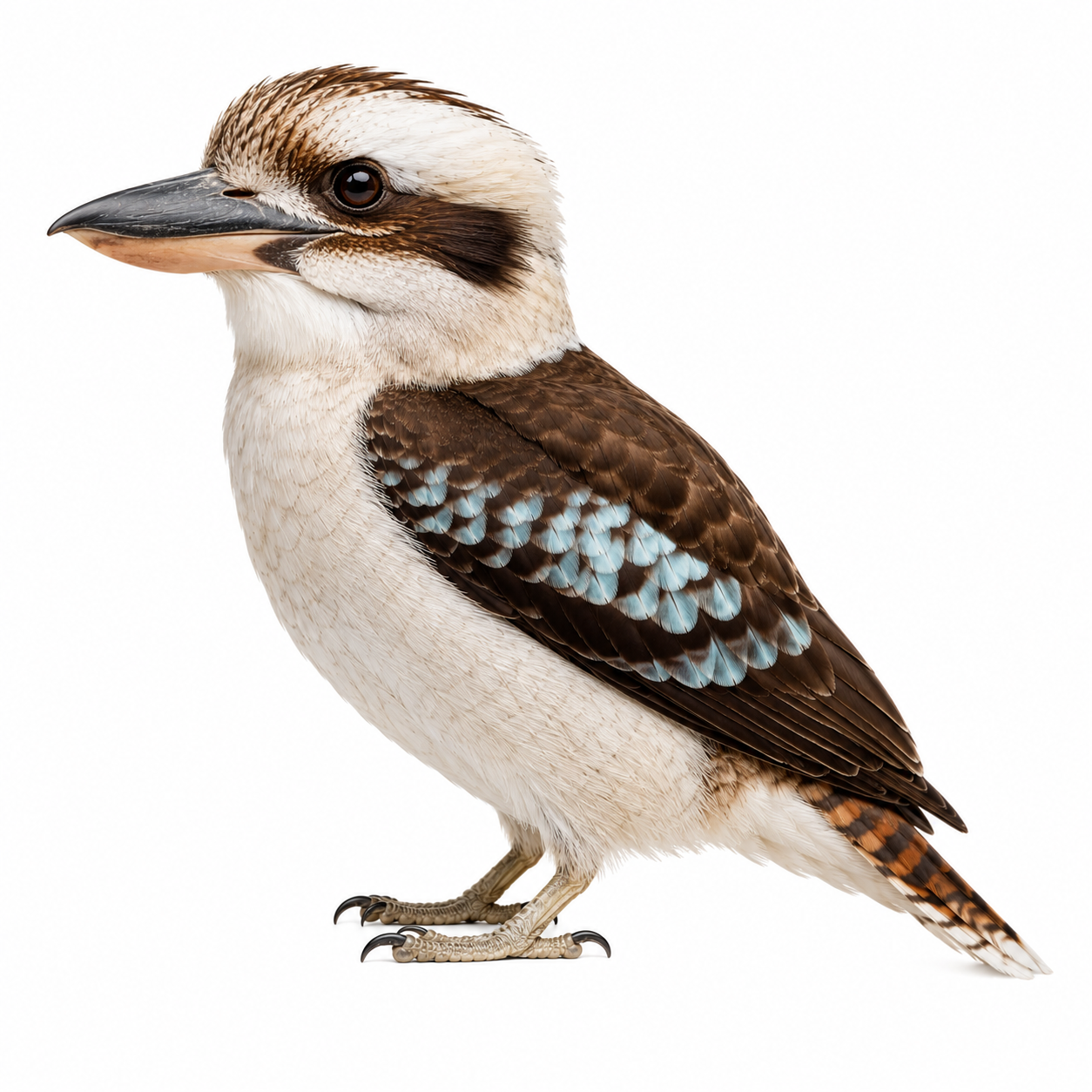
Iconic Australian bird recognised for its distinctive laughing call and large beak.
The Laughing Kookaburra is one of Australia’s most iconic native birds, famous for its unmistakable laughing call that echoes through bushland and suburban neighbourhoods. Found throughout Queensland in parks, gardens and wooded areas, Kookaburras are skilled hunters that feed on insects, small reptiles, rodents and other small animals. Their presence is generally beneficial, helping naturally control pests around homes and rural properties. Kookaburras occasionally nest in tree hollows or suitable cavities but rarely cause damage to buildings or structures. As protected native wildlife they should be appreciated and left undisturbed, allowing them to continue their important role within Australia’s natural environment.